Showing posts with label 1999. Show all posts

Friday, August 1, 2025

Clash 9: From Here To Eternity and Shea Stadium

While the Clash’s recorded legacy had been preserved on their albums and a growing number of compilations, their prowess as a live band couldn’t be as easily experienced before YouTube. That finally changed with From Here To Eternity, an hour-long sampler cherrypicked from five years’ worth of professional recordings. (It also worked as a setup for the first grand remastering of the catalog the following year.)

The music moves chronologically through their history, but while the performances themselves are often from different years, the album has an excellent flow, even between drummers. Three of the tracks are alternate mixes (and allegedly overdubbed) of music already heard in the Rude Boy film, and three others come from their legendary 1981 residency at Bonds in New York City. The energy stays up, up, up from the beginning, letting up at the fade after “I Fought The Law”, setting up “London Calling” and “Armagideon Time”, the latter helped out by Mickey Gallagher and Mikey Dread. Paul and Joe swap instruments on “The Guns Of Brixton”, to enable the former to sing while the latter covers his bass part. By that time their music was more hit-oriented, and the audience reaction reflects that. The packaging also included quotes from appreciative fans, along with dubious recording data. If anything, the program should have been twice as long. The streaming version added two songs at the end, which wasn’t enough.
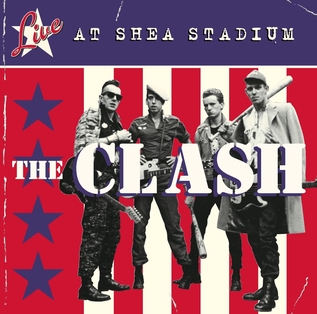
Just one song was included from Shea Stadium, during their stint on the Who’s first farewell tour, and it only took about a decade for their set to be further commemorated. (Even the Who themselves sat on their recordings until 2015.) Beginning with associate Kosmo Vinyl baiting the crowd, they plow into their set, and while there were reports of booing throughout the tour, and asides by Joe about people talking in the audience, the crowd sounds engaged throughout. The band holds themselves well in such a large venue, with no dead air, and only a few acts of defiance, like cutting into “The Magnificent Seven” for a detour through “Armagideon Time” (which sounds like it’s in a major key) then back into “The Magnificent Seven”. Songs are played from every album, but only two came from the one they were ostensibly promoting; “Rock The Casbah” manages to work without the piano, and “Should I Stay Or Should I Go” was used as the official video back then. The echo effects prevalent throughout the set are on full for “I Fought The Law”, and they leave the stage, never to play New York again. To date, this is the only CD containing a full set by the band, which is a crime, frankly.

The Clash From Here To Eternity Live (1999)—4
The Clash
Live At Shea Stadium (2008)—

Tuesday, July 29, 2025

Prince 24: Rave Un2 The Joy Fantastic

A new label deal brought TAFKAP under the purview of Arista, then currently raking in the bucks with Santana’s all-star collaboration album Supernatural. Not very surprisingly, special guests appeared on Rave Un2 The Joy Fantastic too, which arrived mere months after The Vault. The album had a production credit for Prince, but all the vocals and instruments he played—mostly by himself, with only some help from other musicians—were credited to the symbol, so do your own math.

The title track had been around since the late ‘80s, when it would have been the anchor for an album that would have followed Lovesexy had the Batman soundtrack not happened. Musically it’s not much, but for lots of riffing and his screamy falsetto. “Undisputed” is an oddly timed statement of superiority, with “N! P! G!” chants and even a rap by Chuck D. “The Greatest Romance Ever Sold” was the single that preceded the album, and an odd choice, since it’s a mostly meandering slow groove with Eastern touches, and a little long. Following a four-second silent segue credited to Miles Davis, “Hot Wit U” is fairly generic but for a few lines, but at least Eve’s rap challenges his prowess. “Tangerine” is a quiet little trifle with some jazzy touches, then the more rockin’ “So Far, So Pleased” is a duet with Gwen Stefani. “The Sun, The Moon And Stars” is rather nondescript until the Jamaican-style rap toward the end.

His cover of Sheryl Crow’s “Everyday Is A Winding Road” takes an R&B slant on the tune, with a rap chant near the end; the woman herself sings inaudibly and blows harmonica somewhere on “Baby Knows”. In between, there’s a lovely orchestral segue before “Man‘O’War”, a falsetto slow jam full of sorrow. “Eye Love U, But Eye Don't Trust U Anymore” (Eye=I, of course) is a piano-based heartbreaker along the lines of “Nothing Compares To U” that sports acoustic guitar by indie folk queen Ani DiFranco. “Silly Game” continues the sad mood with more prominent orchestration, while “Strange But True” is rhythmically spoken over programmed beats, which almost turns into an actual song by the end. Something of a resigned farewell, “Wherever U Go, Whatever U Do” is the last listed song, but an advertisement for his websites precedes “Prettyman”, a dance number in the style of James Brown, complete with Maceo Parker on sax.

His promotion for the album consisted solely of a New Year’s Eve pay-per-view concert, wherein he partied like it was 1999, released a few months later on VHS and DVD as Rave Un2 The Year 2000. A year after that, a remix album of sorts called Rave In2 The Joy Fantastic appeared via his own website, with slightly different artwork to help identify it. In most cases the tracks were extended mixes; “The Greatest Romance Ever Sold” included a rap by Eve, “Hot Wit U” interpolated elements of “Nasty Girl”; “Tangerine” gained a whole 43 seconds, and “Baby Knows” has more Sheryl Crow in the mix. “Everyday Is A Winding Road” and “Strange But True” were not included, though an extended “Prettyman” without the website promo was still there yet unlisted. The one exclusive track was “Beautiful Strange”, which resembles some of Sly Stone’s druggier works.

Whether Un2 or In2, the music reminds us that he hadn’t been that innovative for a while. If you must, both albums were issued in 2019’s Ultimate Rave box set, which also included the Rave Un2 The Year 2000 DVD. Certainly it will all be reassessed as time goes on without him.

o|+> Rave Un2 The Joy Fantastic (1999)—
o|+>
Rave In2 The Joy Fantastic (2001)—

Friday, February 23, 2024

Prince 23: The Vault

The Artist Still Referred 2 As Prince by Warner Bros. still owed them N album, so he gave them 1. The Vault… Old Friends 4 Sale purportedly collected tracks from a variety of sources from the ‘80s and ‘90s; even after Crystal Ball, many of the Purple 1’s fans had been looking 4ward 2 such N album 4 years. (Sorry.)

We said “purportedly”; his liner notes stated they spanned the years 1985 to 1994. However, while one song was indeed recorded that early, the rest came from the ‘90s. They’re of a piece as well, bordering on jazz, and a few were even intended for James L. Brooks’ ill-fated I’ll Do Anything film when it was designed as a musical.

One of those songs was supposedly the bopping “The Rest Of My Life”, which could work as the theme song for any sitcom starring an empowered modern woman. The party noises on “It’s About That Walk” are a little distracting, but luckily they fade away to let the track breathe. “She Spoke 2 Me” had already appeared on the Girl 6 soundtrack; this extended version runs over eight minutes, with lots of soloing. “5 Women” had previously been covered by Joe Cocker, and even without hearing his version it’s easy to see how, given its “Thrill Is Gone” vibe. “When The Lights Go Down” sets a subtle groove, and lays back for a lengthy piano solo.

“My Little Pill” is another odd detour, especially when followed by the moody “There Is Lonely”. That song’s allusion to Biblical betrayal ties in well with the theme of “Old Friends 4 Sale”, which did indeed date from 1985, and got a big arrangement in the Parade era. These aren’t the original lyrics, but they’re just as bitter. “Sarah” lightens the mood considerably with a more expected appreciation of the female form, and “Extraordinary” is a hidden gem of a slow jam.

Being a contractual obligation, he did the bare minimum for this album. Compared to the bounty and quality of Crystal Ball, The Vault was a major letdown, but we can blame its marketing. Musically it’s still intriguing, unfairly overlooked, and just as worthy as Chaos And Disorder.

Prince The Vault… Old Friends 4 Sale (1999)—3

Tuesday, March 15, 2022

They Might Be Giants 10: Long Tall Weekend

All the spoiled rotten kids today who grew up in a world driven by immediate gratification will have no appreciation of what their parents went through when downloading music—legally or illegally—first became possible. None of this click-and-drop stuff for us; we had to listen to the static of a 56k modem for any number of minutes, and eventually what we were looking for might end up on our hard drives, assuming there was room.

They Might Be Giants was the first major band to release an album through the new eMusic platform. Since they weren’t signed to an actual label at the time, that was one less hurdle. Long Tall Weekend doesn’t fill a CD, which is probably good considering how long it took to download, but the 15 tracks are unique and mostly get to the point.

“Drinkin’” is a snappy little instrumental that barely threatens to get wacky before it ends, then “(She Thinks She’s) Edith Head” seems to have been written to justify the song’s title, and features a seemingly spontaneous fake ending. “Maybe I Know” is a gender-adjusted cover of a Lesley Gore song the boys used to play in the early days, while “Rat Patrol” is loaded with heavy guitar riffing. Keen-eared listeners would recognize the truly silly “Token Back To Brooklyn” as a hidden track on Factory Showroom, and we have a soft spot for “Older”, a sober treatise on mortality, since one of our correspondents sends it to us on every birthday. “Operators Are Standing By” is another accurate portrait of the workplace, and while “Dark And Metric” is catchy, it’s impenetrable.

“Reprehensible” is a wonderful soliloquy set to a big-band backing, whereas “Certain People I Could Name” is taken from another perspective, and not just via the piano. We’re surprised “Counterfeit Faker” hasn’t already been a TMBG title, but good luck navigating the amateur banjo and fiddle backing. “They Got Lost” already appeared on Severe Tire Damage in a superior version; this one is just too slow. It’s been a while since we’ve had a mambo, and “Lullabye To Nightmares” delivers. We must thank the indispensable This Might Be A Wiki site for clarifying the a capella lyrics of “On Earth My Nina”; they’re supposed to sound backwards. Finally, “The Edison Museum” is a hilarious portrait of that New Jersey landmark, sung by the same guy who intoned “I Hear The Wind Blow” on Apollo 18.

Much of Long Tall Weekend had been around for a while, and some would appear again. It’s readily available, and faster, via streaming these days. We’ll take it.

They Might Be Giants Long Tall Weekend (1999)—3

Friday, May 21, 2021

Genesis 20: Turn It On Again

Barely a year after Phil Collins had compiled his own hits collection, Genesis got one of their own. Turn It On Again: The Hits sticks very close to that premise, with half of the program devoted to songs from Invisible Touch and We Can’t Dance. (Hey, it says “hits” right in the title, not “best of”.)

The compilers do their best with the space left over, and the first few tracks do provide something of a balance via the “title” track and “Mama”, which, like several selections here, is presented in its radio edit. We get a handful of further songs from the ‘80s, with “Follow You Follow Me” and “I Know What I Like (In Your Wardrobe)” the only selections from the ‘70s. The stillborn “Congo” from Calling All Stations is something of a middle finger, only slightly offset by the one “new” track. “The Carpet Crawlers 1999” is a re-recording including the five members of the “classic” lineup, with Steve Hackett getting to add lots more guitar and Phil prominently harmonizing with Peter Gabriel, before taking over the last verse all his own. (Rumor has it the original plan was to have Ray Wilson sing a verse, but he was no longer in the band when they finally got around to recording, so tough bananas on him.)

Longtime Genesis fans would have had all the original albums anyway, but when Phil Collins returned in 2007 for a reunion tour, Turn It On Again: The Hits was expanded to two discs and subtitled The Tour Edition. This time, after starting with that “title” song, they followed the reverse chronological template of 2004’s three-disc Platinum Collection, going backwards from the We Can’t Dance material, adding “Tell Me Why” from that album for some reason. “Illegal Alien” plus further songs from Abacab filled out the picture, while the second disc did a better job of sampling the ‘70s, with such rarities as “Happy The Man” and two tracks from the Spot The Pigeon EP. It’s still a little light on Peter Gabriel, but again, we’re talking hits here. (“The Carpet Crawlers 1999” closed the first disc, while “Congo” was stuck all the way at the end of the second, after the single edit of “The Knife”.)

Genesis Turn It On Again: The Hits (1999)—
2007 Tour Edition: same as 1999, plus 16 extra tracks

Tuesday, May 18, 2021

David Bowie 44: Brilliant Live Adventures

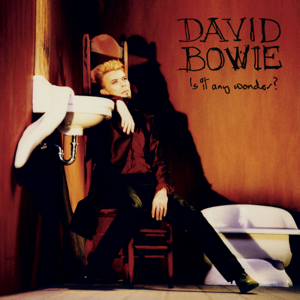
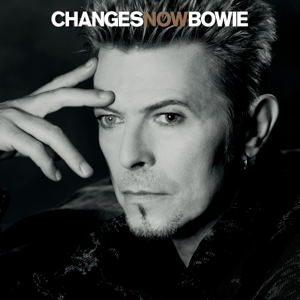
Perhaps killing more time while fans waited for the next box set in the chronology, the Bowie estate spent part of 2000 tidying up the aisle in the vaults dedicated to the ‘90s. First came two odd mini-albums. Is It Any Wonder? consisted of three Earthling outtakes—remakes of the Tin Machine tracks “Baby Universal” and “I Can’t Read”, and the quasi-instrumental “Nuts”—plus a new arrangement of “Stay”, the rarity “Fun” (both from the tour rehearsals), and an Eno remix of a re-recording of “The Man Who Sold The World” from the Outside sessions that had snuck out as a B-side. The more straightforward Changesnowbowie offered predominantly acoustic-based arrangements of mostly early ’70s songs—the outliers being “Shopping For Girls” and “Repetition”—recorded specifically for the BBC to celebrate his 50th birthday.

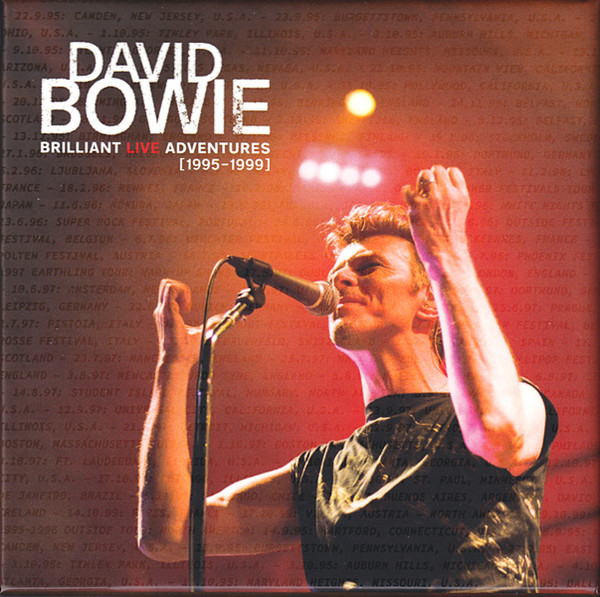
These were mere precursors to a curious program entailing the release of six live albums that would be made available individually, on CD and vinyl, for the purpose of being collected in a slipcase labeled Brilliant Live Adventures (1995-1999). These releases basically offered two glimpses each from three tours, supporting the Outside, Earthling, and ‘hours…’ albums in turn. “Glimpses” is the key word here, as one is a compilation from various shows, and two of the concerts are abridged, perhaps to fit on one disc. It was an ambitious program, to be sure, considering that the release schedule was sporadic and the quantities were limited, plus the general chaos resulting from the worldwide COVID pandemic threw even more wrenches into the works. But each title was uniquely packaged and designed, and looked as good as they sounded.

Along with such stellar players as Reeves Gabrels, Carlos Alomar, a fully reinstated Mike Garson, Zach Alford on drums, and the, frankly, brilliant addition of Gail Ann Dorsey on bass and vocals, the Outside tour was supported by Nine Inch Nails, their set melding into Bowie’s. However, none of their onstage collaborations appear on either Ouvrez Le Chien or No Trendy Réchauffé. Yet along with new arrangements of deep cuts, the songs from the album he was supporting translated much better to the stage. (The latter disc, recorded two months after the former—which adds two songs from the latter as bonus tracks for some reason—was a shorter set from a festival environment, with some different songs as well, including a strong “Jump They Say” and two performances of “Hallo Spaceboy”.)

The Earthling tour was stripped back to just Gabrels, Garson, Alford, and Dorsey, yet the keyboards and sequencers made everything sound big and full, if processed and programmed, and a little too close—rather, identical to the album. LiveAndWell.com was originally given away to website subscribers in 1999 and compiled from a handful of shows, concentrating on material from Outside and Earthling. Some editions included a bonus disc of remixes; this incarnation got new artwork and added the radical reinterpretations of “Pallas Athena” and “V-2 Schneider”, credited to “Tao Jones Index” when first released. By contrast, Look At The Moon! presented a full show on two discs (or three LPs). As with its brother, some of the rearrangements are repeated from the previous tour, but there are some new surprises, such as “Fame”, “Fashion”, and even a cover of Laurie Anderson’s “O Superman” sung by Gail Ann. Also, “The Jean Genie” starts acoustically, and is prefaced with a snippet of “Driftin’ Blues” for some reason.

1999’s much shorter tour—exactly nine shows, if you count the VH1 Storytellers appearance—was notable for Helmet’s Page Hamilton on lead guitar, following the abrupt departure of Reeves Gabrels. Sterling Campbell was also swapped in on drums, Mark Plati played guitars, and two women added breathy backing vocals. As befit the album he was promoting, the approach to the set was less frenetic and mostly softer, yet still energetic. The shows here are similar but not exactly identical; selections from Something In The Air had already been B-sides, while At The Kit Kat Klub was a small exclusive show recorded a month later and simultaneously webcast, which was spanking new and generally bug-prone technology at the time.

Taken all together, it’s six hours of music with a lot of repeats. Even with that, he was both busy and unpredictable throughout the latter half of the ‘90s. Collectors have to have them all, but luckily it’s possible to pick and choose. (Look At The Moon! gets a slight edge for length and variety.)

David Bowie Is It Any Wonder? (2020)—
David Bowie
Changesnowbowie (2020)—3
David Bowie
Ouvrez Le Chien (Live Dallas 95) (2020)—3
David Bowie
No Trendy Réchauffé (Live Birmingham 95) (2020)—3
David Bowie
LiveAndWell.com (2021)—3
David Bowie
Look At The Moon! (Live Phoenix Festival 97) (2021)—3
David Bowie
Something In The Air (Live Paris 99) (2021)—3
David Bowie
David Bowie At The Kit Kat Klub (Live New York 99) (2021)—3

Friday, April 23, 2021

Phil Collins 9: Tarzan

Despite his plummet from grace throughout the ‘90s, Phil Collins still had some clout in the business. Why else would be asked to score a major motion picture for Walt Disney Animation? And when that soundtrack went on to win Oscars and Grammys, did he give a crap if anybody didn’t like him?

We haven’t seen Tarzan, nor do we plan to if we can avoid it. The horrific deaths in The Lion King were traumatizing enough, and we’re sensitive about sad cartoon animals. Regardless, the songs on the soundtrack are competent, and about what one might hope or at least expect for such a listening experience. “You’ll Be In My Heart” was the lynchpin of the score, and there are probably elements of it sprinkled through “Two Worlds” and “Strangers Like Me”. Rosie O’Donnell, when people still liked her, thankfully scats unrecognizably on one version of “Trashin’ The Camp”, while the dreamboats in NSYNC dominate the other. (Phil’s duet with Glenn Close on one version of “You’ll Be In My Heart” is brief.)

About a third of the album is devoted to Mark Mancina’s score, so Phil only had to re-record his portion in four other languages to ensure its success in non-English-speaking regions. He even wrote more songs for the Broadway musical version, but hopefully the reader will forgive us for not digging that deep.

Tarzan: An Original Walt Disney Records Soundtrack (1999)—3

Tuesday, April 20, 2021

Phil Collins 8: A Hot Night In Paris

By the end of the century, it was easy to forget that Phil Collins was once a respected drummer, and not just in rock or prog. He dabbled in fusion jazz with Brand X in the late ‘70s, but another 20 years went by before he flung himself into more traditional jazz.

A Hot Night In Paris is credited to The Phil Collins Big Band, and that’s what it is: a live recording by a large combo influenced by those of Buddy Rich and Duke Ellington. The repertoire draws mostly from the more familiar Collins and Genesis hits of recent years, and there are absolutely no vocals. Phil plays drums, Daryl Steurmer is on guitar, Luis Conte assists on percussion, Brad Cole from his last album plays piano, somebody we’ve never heard of is on bass, and sixteen guys make up the horn section.

There’s no mistaking “Sussudio”, but the rest of the arrangements aren’t as obvious. “That’s All” is a little harder to guess, “Invisible Touch” is way subdued, and “Hold On My Heart” is slowed down to a crawl with the slightest attention to the melody. “I Don’t Care Anymore” is completely stripped of its signature drum pattern, relying instead on flashy film noir accents, reminiscent of ‘50s detective shows, rendering it virtually parodic. Gerald Albright takes the spotlight for his own “Chips & Salsa”, which isn’t the most satisfying appetizer to these ears, sorry to say.

“Milestones” is the Miles Davis tune, on which jazz guys love to stretch, and they do, whereas the easy-listening take on “Against All Odds (Take A Look At Me Now)” is the closest to the record everyone knows. Luckily, the set closes with two lengthy surprises. First, the Average White Band’s “Pick Up The Pieces”, with George Duke on piano, James Carter on sax, and Arif Mardin conducting, is always a crowd-pleaser, even for twelve minutes. Then Phil plays a short solo to kick off “The Los Endos Suite”, which reprises the closing track from A Trick Of The Tail, detouring to Buenos Aires for a few vamps, eventually returning to the “Squonk” theme so Daryl can let loose.

With the exception of those last two, most of the tunes that work best on A Hot Night In Paris are the ones that aren’t as recognizable from their hit single versions. Jazz purists may scoff, but those predisposed to despising Phil Collins might be as pleasantly surprised as they are tolerant.

The Phil Collins Big Band A Hot Night In Paris (1999)—3

Tuesday, March 23, 2021

Jeff Beck 14: Who Else

Seemingly content to tinker with his cars, Jeff Beck barely made it out of the 20th century without releasing another album. Largely written by collaborator Tony Hymas, Who Else! ventured further away from the fusion sound of his solo heyday, arriving at a hybrid of styles, some approximating electronica. Amazingly, it works.

From the start of “What Mama Said” (incorporating a soundbite from It’s A Mad, Mad, Mad, Mad World) the heavy processed drums drive the rhythm, over which Beck does his thing. That continues sans sample on “Psycho Same”, then the proceedings slow down for “Brush With The Blues”, which only gets furious in the middle. We can hear a crowd cheering, but it’s not clear if the track was recorded live. “Blast From The East” isn’t very successful, with a dated sound reminiscent of the Miami Vice theme, and “Space For The Papa” isn’t much more than the barest track from him to noodle over for seven minutes.

“Angel (Footsteps)” is an improvement, being that there’s a melody and established mood, and “THX1138” brings back the beats. “Hip-Notica” would also be an occasion for noodling, if not for the off-meter and continuous exploration by Hymas on the organ. “Even Odds” is a noisy Jan Hammer tune nicely donated for the project, but it’s easily surpassed by “Declan”, a lament from Irish music legend Dónal Lunny. It’s a nice transition to the comparatively brief “Another Place”, leaving us to wish the entire album was this relaxing.

Who Else! also introduces guitarist Jennifer Batten to Beck’s pool of talent, after she spent several years toiling alongside Michael Jackson. She’s credited on guitar and guitar synthesizer, but we don’t know enough about the technology to discern when she’s playing. Wherever she is, the album makes for good aural wallpaper, and reestablishes Beck as a craftsman to watch.

Jeff Beck Who Else! (1999)—3

Friday, January 15, 2021

Marshall Crenshaw 10: #447

Even at a time when the major labels were throwing all kinds of money at hit artists, the smaller indies managed to keep their rosters afloat, even when the folks in question weren’t drawing in barrels full of cash. Marshall Crenshaw simply kept doing what he always did—writing and recording, touring on a small scale, repeat.

The drolly titled #447 also delivered what was expected. The now customary “Opening” is a sonic mishmash designed to confuse before the songs proper kick in. “Dime A Dozen Guy”, “Television Light”, and “Glad Goodbye” are all tuneful Crenshaw numbers, melding rockabilly with country and rhumba. But for the Mellotron, “T.M.D.” could have fallen off his first album, as could “Tell Me All About It” and “Right There In Front Of Me”. Guitar instrumentals had become part of his palette by now, and his progress is displayed on the highly picturesque “West Of Bald Knob”, the even jazzier “Eydie’s Tune”, and the closing “You Said What??”, the latter two noted as being from his soundtrack to a PBS documentary on Yogi Berra.

As with Miracle Of Science, #447 has a lo-fi but not amateurish sound, the auteur having mastered the complexities of economy. Save some spare contributions from others, he plays most of the instruments himself. And just as with the 9-Volt Years collection, we get to hear the sound of a man having fun making records. Even if they weren’t calling them that anymore. (Also like Miracle Of Science, the album was remastered two decades later, with a slight rejig that moved “T.M.D.” up to the middle of the program, or the end of side one, and added two recent tracks: the brand new original “Will Of The Wind”, and “Santa Fe”, by former Angry Samoan Gregg Turner.)

Marshall Crenshaw #447 (1999)—3
2022 Shiny-Cool reissue: same as 1999, plus 2 extra tracks

Friday, August 28, 2020

Faces 7: Snakes And Ladders

It’s commonly known that once the Faces were done, Rod Stewart concentrated on his solo career and Ron Wood was asked to join the Rolling Stones (though he wouldn’t be a fully vested member of the corporation until 1990). Ian McLagan and Kenney Jones managed to shanghai Steve Marriott for a reformed Small Faces, to little excitement, and then that was really it.

Meanwhile, with both Rod and the band’s catalog on their roster, Warner Bros. compiled Snakes And Ladders, subjectively subtitled Best Of Faces to make the most of it. It’s an odd set; the cover art is a collage of photos featuring several shots of interim bassist Tetsu Yamauchi (who plays on exactly one track) but none of Ronnie Lane. More to the point, none of Ronnie’s lead vocals are included. Obviously, they knew where the money was.

The album opens with “Pool Hall Richard”, a standalone single and a decent rocker, then meanders oddly through the catalog, stopping at obvious hits like “Stay With Me” and “Ooh La La”. The instrumental “Pineapple And The Monkey” and “Around The Plynth” are particularly odd choices. Side two sports the mildly disco “You Can Make Me Dance, Sing Or Anything (Even Take The Dog For A Walk, Mend A Fuse, Fold Away The Ironing Board, Or Any Other Domestic Shortcomings)”, another standalone single, but only the original LP has the alternate single take of “Had Me A Real Good Time”.

Only eight of the tracks were repeated on the superior Good Boys… When They're Asleep compilation, released 23 years later. This set moves chronologically, covering much more of the band’s breadth. It’s also a better tribute to Ronnie Lane, given the inclusion of “Debris”, “You’re So Rude”, and “Glad And Sorry”, though it pointedly hypes the connection to Rod’s solo career in the packaging. Along with “Pool Hall Richard” and “You Can Make Me Dance”, the set includes “Open To Ideas”, a soulful unreleased track from the band’s final sessions.

The set was spearheaded by Ian McLagan, whose enthusiasm also drove the next major archival release. Besides sporting the greatest box set title of all time, Five Guys Walk Into A Bar… provides an exhaustive look at the band on four discs. Less than half of the tracks were from the original albums (including the two singles and outtakes from Good Boys), filling up the balance with B-sides, alternate takes, rehearsals, live performances, BBC appearances, and unreleased stuff. Ten years later, 1970-1975: You Can Make Me Dance, Sing Or Anything… boxed up the original four albums, each bolstered with extras on the CD edition, and added a fifth disc of Stray Singles & B-Sides. And ten years after that, Faces At The BBC delivered eight hours of exactly that over eight CDs and one Blu-ray. There’s a lot of repetition, but you also get their reverent renditions of Christmas carols.

Between those sets, Faces are covered. Certainly no other band has gotten more mileage out of ellipses.

Faces Snakes And Ladders/Best Of Faces (1976)—3
Faces
The Best Of Faces: Good Boys… When They're Asleep (1999)—4
Faces
Five Guys Walk Into A Bar… (2004)—
Faces
1970-1975: You Can Make Me Dance, Sing Or Anything… (2015)—
Faces
Faces At The BBC: Complete BBC Concert & Session Recordings 1970-1973 (2024)—3

Friday, September 13, 2019

Paul Westerberg 3: Suicaine Gratifaction

He still had powerful friends in the industry, but normal folks still waiting for Paul Westerberg to rock again—or at least reunite the Replacements—weren’t going to get to exhale anytime soon. Pleasant as his first two solo albums were, they didn’t sell, and somehow he ended up on Capitol Records with Don Was, of all people, co-producing his album while waiting for the Rolling Stones to call. Suicaine Gratifaction is an unwieldy title, with way more syllables than an album that sounds like it takes place in a suburban living room should. Indeed, most of the basic tracks were recorded at his house, where he was sober and a first-time father, which further suggest why the songs are low-key and spare.

“It’s A Wonderful Lie” starts the set with a simple strum rather than a brash potboiler; it even closes with the sound of him putting his guitar down with a shrug. “Self-Defense” is one of many slow piano tunes here along the lines of “Good Day” from the last album. Lest things get too downbeat, “Best Thing That Never Happened” finally comes close to rocking with the wordplay we expect, taken up a further notch on “Lookin’ Out Forever”, wherein he delivers a tune that would be a favorite if any Gin Blossoms fans heard it. Plenty of riffs here, and quite tasty. Then it’s back to wistful territory on “Born For Me”, given the same tempo as “Here Comes A Regular” but much more romantic, with Shawn Colvin singing along an octave higher on the choruses. “Final Hurrah” is loud again, but it reminds us of songs he’s already written.

“Tears Rolling Up Our Sleeves” is another unique image, but the song doesn’t do much except highlight a goofy keyboard part that pops up in the mix here and there. He’s back on the piano for the beginning of “Fugitive Kind”, which gets a band injection after a couple of minutes and juggles a few hooks for a surprising duration, then it’s back to melancholy balladeering on “Sunrise Always Listens”. He cheers up considerably on “Whatever Makes You Happy”; the sound of his baby son timed just right in the pause before the last chorus puts a big smile on the track. It’s never clear why he shot an “Actor In The Street”, but by the end of “Bookmark” he sounds like he just wants to go to sleep, and you might too, except that it’s a pretty nice cop of Tom Waits’ ballad style without the rasp.

There’s nothing really “wrong” with Suicaine Gratifaction except that it fails to thrill. The songs are competent, tuneful, and well-constructed, but that’s about it. Worth hearing, certainly, but at this point he’d become a guy whose albums sold more out of habit than excellence.

Paul Westerberg Suicaine Gratifaction (1999)—3

Tuesday, February 26, 2019

Toad The Wet Sprocket 7: P.S.

Thanks to dwindling sales and the requisite “musical differences”, Toad The Wet Sprocket dribbled to a close by the end of the century. The business being what it was, the label okayed a hits collection, which by law required the inclusion of exclusive material.

P.S. (A Toad Retrospective) is not only a fitting title, but it also happens to be the name of a song yet to be included on an album—until now! Apparently one of the first tunes they wrote, it was recorded specially for the set but without lead guitarist Todd Nichols, who also doesn’t appear on “Eyes Wide Open”, the other new track. In between, the set runs through all the usual hits and radio favorites from all six albums, mostly staying uptempo until “I Will Not Take These Things For Granted”, which always sounds odd in the middle of a sequence instead of at the end of one. To make things further interesting, several of the tracks appear in edited or remixed versions, but as that’s how most of them ended up on the radio or in music videos, the differences aren’t exactly striking. “Silo Tornado”, a strings-heavy bonus from the Japanese version of Coil closes the set; fans still have to hold onto other CDs for their versions of “Instant Karma”, “Hey Bulldog”, and particularly “Rock & Roll All Night”, which might be the greatest Kiss cover ever recorded.

A decade later, two other compilations appeared as part of Sony’s budget Super Hits and Playlist series. The former runs 33 minutes and leans heavily on Dulcinea album tracks, while the latter purports to be the band’s “very best” and sticks closer to P.S., but substitutes a couple of live versions from 2004’s Welcome Home, which documents a 1992 concert. That’s worth getting on its own, as the band plays a well-sequenced set, complete with vocal asides to George Harrison, the Replacements, and the Waterboys. An onstage keyboard player adds color, and altogether there’s a toughness and tightness given to the early material. There’s even pre-release takes on “Brother” and “Fall Down”.

Those aforementioned musical differences didn’t preclude the occasional reunion gig, and after a decade or so of working separately to little widespread notice outside the fervent, they reconvened to record new versions of several songs from their catalog. This is a common trend among bands whose work is owned by a label no longer interested in paying them, so they can hawk recordings they do own at hefty licensing fees to raise income. All You Want would likely fool anyone not paying close attention into thinking these were the originals. Musically it’s fine; as a product it’s inessential. (Fifteen years later, to celebrate their fortieth anniversary as a band, they did it again. Rings: The Acoustic Sessions had the core, drumless trio accompanied by an assortment of musicians to fulfill the promise of the title.)

Toad The Wet Sprocket P.S. (A Toad Retrospective) (1999)—4
Toad The Wet Sprocket
Welcome Home: Live At The Arlington Theater, Santa Barbara 1992 (2004)—
Toad The Wet Sprocket
Super Hits (2008)—3
Toad The Wet Sprocket
Playlist: The Very Best Of Toad The Wet Sprocket (2009)—
Toad The Wet Sprocket
All You Want (2011)—3
Toad The Wet Sprocket
Rings: The Acoustic Sessions (2026)—3

Tuesday, December 5, 2017

Pretenders 9: Viva El Amor

After two decades and only six albums, the idea of the Pretenders in 1999 seemed silly. But the near-comeback via Last Of The Independents kept those involved willing to stick around for Chrissie Hynde’s next batch of songs, some of which were, again, written with Billy Steinberg and Tom Kelly.

At first sample, ¡Viva El Amor! seems stuck between contemporary beats and anonymous backings, which happens when you pit producers like Stephen Hague and Stephen Street against each other. “Popstar” is a snotty insult of the latest wave of girl singers, with robotic drums and a late cameo by David Johansen. The highly catchy “Human” was better, and a cover of an obscure song from a few years before by Divinyls (whose singer Christine Amphlett was Chrissie Hynde’s only competition in the awesome bangs department). “From The Heart Down” threatens to waver to sappiness, but The Duke Quartet returns from their cameo on Isle Of View to add strings right around the guitar solo, making it quite affecting. “Nails In The Road” is the first great guitar song on the album, a hidden gem, but even though “Who’s Who” is the second song in a row to reference a “queue”, it’s a little on the wimpy side. “Dragway 42” is more of a production than a song, something of a Mideastern travelogue, but the Duke Quartet neatly adds nightmarish accents to Chrissie’s fine vocal.

“Baby’s Breath” is a snotty riposte to a lackluster lover, with some confusing meter jumps. “One More Time” sounds like another run-of-the-mill torch song, but again, her vocal range is astounding. “Legalise Me” is a good pounding rocker that gives guest star Jeff Beck (no slouch when it comes to bangs, either) a change to blow his pyrotechnics everywhere. Then the mysterious “Samurai” manages to slow down the proceedings somewhere between a memory and a hallucination. Her perfect Spanish rendition of a Cuban folk song is given the pre-encore spot, before the mildly dreamy ode to the “Biker” lifestyle, which features the Duke Quartet again.

While the lamentable Get Close was an embarrassing display of Chrissie going soft, the equally venom-free ¡Viva El Amor! is a fine serving of mature, vulnerable pop, for lack of a better term we can’t invent. Perhaps because we expected so little, it is indeed a pleasant surprise, and well worth spending time around.

Pretenders ¡Viva El Amor! (1999)—3

Tuesday, March 14, 2017

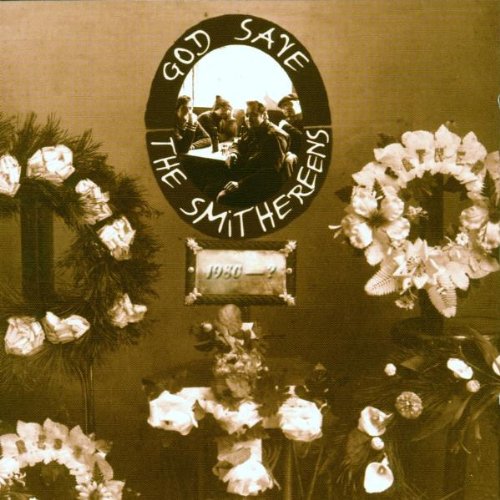
Smithereens 6: God Save The Smithereens

Towards the end of last century, new record labels were popping up left and right. Some were subsidiaries of the majors, and despite their best intentions would be all but wiped out once the majors began consolidating. But many were affiliated with some of the more independent distributors, and were run by music geeks who wanted to give some of their old heroes a fresh outlet.

One of these labels was Velvel, which began as a vanity label for the former head of Columbia Records, but soon spearheaded some comprehensive Kinks reissues. It also released Pat DiNizio’s little-heard solo album, and greenlit a new full-fledged Smithereens album.

After five years of no hits, constant gigging, and quite possibly the detour provided by that solo album, God Save The Smithereens isn’t a complete return to form, but wisely avoids any gimmicks. It’s simply a pile of tracks that sound like the band, with crackling drums, loud guitars, and DiNizio’s usual dour croon. “She’s Got A Way” gets a spirited backing the title deserves, before the left turn of “House At The End Of The World”, a collaboration with the otherwise little-known Carrie Akre. “Everything Changes”, “Flowers In The Blood” and “Someday” follow the usual sad path, but “The Long Loneliness” hints at something more upbeat. It’s probably as slow as it is, as any faster it would end up a lot shorter than 1:39.

There’s something a little jazzy about “The Age Of Innocence”, and not just because of the trombone and its being followed by a take on “Gloomy Sunday”. “I Believe” is up there with any of their best tunes, and “All Revved Up” manages to evoke the Beach Boys without being obvious. “Even If I Never Get Back Home” has a nice backwards guitar part at the end, and both “Try” and “The Last Good Time” deviate just enough to sound fresh (for them), sporting chords that hint at dissonance but manage to work.

Given the fluctuating appeal of power pop at that time, God Save The Smithereens could have been welcomed, and even a hit. It wasn’t. The band wouldn’t release a new album for several years, save a few gimmicks we may or may not get to. (For no reason we can determine, the album was reissued in a Deluxe Edition some six years later, augmented not only by some unreleased demos, but Pat DiNizio’s album on a second disc, with live performances and demos tacked at the end of that.)

The Smithereens God Save The Smithereens (1999)—3
2005 Deluxe Edition: same as 1999, plus 27 extra tracks

Tuesday, November 15, 2016

Van Morrison 33: Back On Top

A switch of labels meant that yet again, a new Van Morrison CD was touted as “a return to his classic sound!” Even the title Back On Top suggests wishful thinking, and while the album did okay chartwise, a lot of that had to do with the promotional push—Point Blank being a blues-based label distributed by Virgin.

Indeed, the opening “Goin’ Down Geneva” is a pretty dirty blues, far away from the smooth jazz of recent years. “Philosopher’s Stone” immediately hits the brakes, suggesting not so much the quest for alchemy but a pointed reference to the previous year’s archival release, and sure enough Brian Kennedy is right there on top of the mix, where he’ll sit for the rest of the album. “In The Midnight” is even quieter, with a tasty Mick Green guitar solo, and thankfully Brian Kennedy doesn’t turn up until the very end. The title track packs a little more punch, thanks to Pee Wee Ellis on sax, but then it’s another meditation about “When The Leaves Come Falling Down”. It’s pretty, but he’d already proved the thesis 13 years earlier.

“High Summer” turns the clock back a few months, and finds our hero with the harmonica stuck in his mouth and mumbling the lyrics. “Reminds Me Of You” hearkens back to mid-‘60s soul, a decent hymn of heartbreak ruined, again, by Brian Kennedy. Right when we think he’s keeping the complaints about show business to a minimum, “New Biography” is a direct hit on an actual book that had been published, with lots of spitting p’s and his first recorded acknowledgment of the Internet. More Sam Cooke-isms color “Precious Time”, which crams several clichés into an admittedly snappy tune. And just as the first half ended, the finale comes with a midtempo reverie on a “Golden Autumn Day”. (We checked carefully, but found no reference to any garden wet with rain.) The last few moments of the album, which focus on the simple strings arrangement, are lovely.

There’s more life than usual on Back On Top, and the energy helps a lot, where other albums merely crawled along. One can almost forgive Brian Kennedy.

Van Morrison Back On Top (1999)—3
2008 CD reissue: same as 1999, plus 2 extra tracks

Friday, August 2, 2013

Joe Jackson 13: Symphony No. 1

In absolute defiance of commercial salvation, Joe decided to write and record a symphony. This wasn’t an orchestral album, like the otherwise ignored Will Power, nor was it particularly “classical”. If anything, Symphony No. 1 resembles the electronic keyboard-based pieces one might find on an ECM album, and certainly on his most recent non-rock releases. Along with his own keyboards, the usual JJ combo is heard, with special guests Terence Blanchard on saxophone and stunt guitarist Steve Vai.

While he’s someone who’s said he hated the idea of concept albums, the four movements are supposed to represent the stages of life. Maybe so, but the album is best enjoyed without context. It’s also an improvement over his last two albums, which tried to bridge big musical ideas and modern lyrics. Because no words are sung or spoken here, the music is left to speak for itself. It almost qualifies as “night music”.

Normally an album like this would be relegated to the opening paragraph of a larger review devoted to a subsequent album, but because Symphony No. 1 was such a pleasant surprise—especially given the arduous task of trying to sum up Night Music and Heaven & Hell—it garners more than a footnote. Whether or not it’s a bona fide symphony is moot, though it did win the first-ever Grammy for Best Pop Instrumental Album. Rather, it’s quite enjoyable, and deserving of wider exposure. We almost feel like we owe the guy an apology.

Joe Jackson Symphony No. 1 (1999)—3

Friday, September 21, 2012

Tom Waits 17: Mule Variations

Just in time for the end of the century, Tom Waits came back from too long an absence with the sixteen new songs that comprise Mule Variations. The tunes run the gamut from the grating clatter of his early-‘90s work to the heartbreaking piano balladry that always gets him mention as a great American songwriter. Such reliable Waits sidemen as Marc Ribot, Ralph Carney and Greg Cohen appear, alongside Primus, John Hammond, Smokey Hormel, and Charlie Musselwhite.

The album seems to pick up where Bone Machine left off, with the noise and rumble of “Big In Japan” and “Lowside Of The Road”. Then “Hold On” enters with a gentle set of strummed and picked guitars, seeming to be a conversation between a man and a woman, with a simple yet adhesive chorus. “Get Behind The Mule” is a lengthy blues that doesn’t ever drag. The piano emerges on “House Where Nobody Lives”, a melody worthy of his ‘70s stuff without the gravel in the rasp. “Cold Water” slows the blues down even further and dirtier, and “Pony” pairs a pump organ with a dobro for a lonesome lyrics about wanting to get back home. The song everybody talked about is “What’s He Building?”, a spooky monologue about a Boo Radley-type neighbor that could well be used to describe himself.

That’s a full album right there, but this was the ‘90s, so there’s plenty more to go. “Black Market Baby” is a painfully slow love song, picked up by the twisted sideshow of the “Eyeball Kid”, a freak whose physical attributes consist of just that. “Picture In A Frame” says a lot with very little, a sweet valentine over a pretty piano. “Chocolate Jesus” takes an entrepreneurial slant on gospel, covered over by the sad lament of “Georgia Lee”. “Filipino Box Spring Hog” originally appeared on a various artists collection as an outtake from the last album; here it’s just as raucous and silly. The two best songs are saved for last—the positively beautiful “Take It With Me” and the more inspirational “Come On Up To The House” (sample lyric: “Come down off the cross, we can use the wood”; good advice any day of the week).

Mule Variations has everything: slow stank, heartbreak and banging on the heat pipes. By covering such a wide swath of styles, it’s an excellent introduction along the lines of Small Change and Rain Dogs. It might not convert the unconvinced, but those of us who enjoy it hoped it wouldn’t be another six years before the next one. (Unless that’s what it takes for him to create something of this quality.)

Tom Waits Mule Variations (1999)—4

Wednesday, September 5, 2012

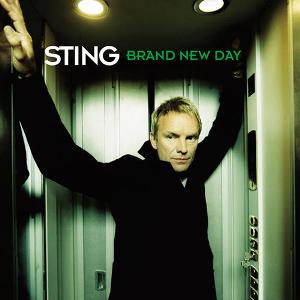
Sting 8: Brand New Day

In 1997, a convicted crack dealer turned hip-hop artist was shot and killed, inspiring his producer to record a tribute in the form of the melody and riff from “Every Breath You Take” by The Police, with new “lyrics” rapped on top, the dead man’s widow singing a new chorus, and a video wherein the producer “danced” (compared by SNL comedian Tracy Morgan to a guy looking like he needed to find a bathroom).

Death sells, so it was a huge hit, dominating the airwaves, and sending Sting enough royalties to put his kids and any grandchildren he might one day have through college. He also had no qualms about appearing onstage with the featured performers at that year’s MTV Video Music Awards. It seems he was perfectly happy being considered current, especially since his last flirtation with R&B culture was when Eddie Murphy’s character sang “Roxanne” in 48 Hrs.

When he finally completed his next solo album, it fit the pattern of following a more serious statement with a blatant stab at contemporary pop. Brand New Day is another melding of grooves with world music influences, but although some of his stalwart studio companions appear, much of the sound is shaped by keyboards and electronics (almost as if someone had been enjoying Seal a whole lot) supplied by a guy named Kipper. There are trademark hooks under all the dressing, but one has to really listen for them.

It’s okay to start with; “A Thousand Years” simmers in with a hint of Arabic influences, taken to an extreme on “Desert Rose”, based around an Algerian vocalist and featuring a melody that ably straddles both major and minor keys. “Big Lie Small World” sports a delicate nylon string guitar plucked in 9/4, but mostly wanders for five minutes. The beats are getting a little tired by “After The Rain Has Fallen”, though it does have a classic Sting chorus to keep it snappy. But “Perfect Love… Gone Wrong” only offers variety in the French rap sections. (Yup, you read that correctly.) “Tomorrow We’ll See” has an introduction right out of a ‘50s Sinatra torch album, undermined by a faux-noir delivery.

A 20-second prelude to a song not on the album leads into “Fill Her Up”, another country-style morality tale. Something of a Lyle Lovett pastiche, with an appearance by James Taylor for no apparent reason, it detours into gospel for the plot twist, ending with a jazz solo and leaving the listener wondering what the hell just happened. “Ghost Story” contains enough mystery before becoming sadly overwhelmed by the electronics. Finally, the title track has become sadly overplayed thanks to the CBS Early Show. The use of Stevie Wonder on harmonica is fitting, considering that the song is a blatant ripoff of “I Was Made To Love Her”.

For those seeking musical wallpaper—and there sure are a lot of people who were, in view of the two Grammys it won—Brand New Day is the perfect solution. For those of us struggling to stay interested in Sting, we should have gotten off at the last stop. (The album’s 25th anniversary was celebrated with a digital “expanded edition” that added two hours’ worth of material, most of which were remixes. These were bookended in the playlist by four live versions and two demos, plus a cover of the schlock classic “Windmills Of Your Mind” and a complete “End Of The Game”. If this song had appeared on the album instead of just the prelude, our rating might have increased a whole half-point.)

Sting Brand New Day (1999)—

Friday, April 20, 2012

David Bowie 34: iSelect, Santa Monica, Storytellers

While he’d shown up here and there on stage and screen, the first decade of the 21st century had turned quiet for David Bowie. Still, a few new collections of older material kept him on the shelves while we waited for something new.

With its retro photo and Changesonebowie typeface, iSelect was sure to draw attention, even after it was given away with a Sunday paper in the U.K. This was a handpicked compilation of his own favorites, mostly from the ‘70s and generally deep cuts, complete with his own commentary on the inspiration and/or recording for each in the liner notes. He’s not above self-deprecation, and is also careful to praise several of the musicians who contributed, including Mick Ronson and Mike Garson.

Any collection taken from such a wide source is guaranteed not to please everyone, but we find it hard to fault a mix tape that begins with “Life On Mars?” and “The Bewlay Brothers” from Hunky Dory with the “Sweet Thing/Candidate” suite in between. As for rarities, “Some Are” was included from the out-of-print Rykodisc version of Low, while “Time Will Crawl” was upgraded with real drums and strings replacing the machines on the original. The radio introduction and “Hang On To Yourself” from Santa Monica in 1972 cap the set.

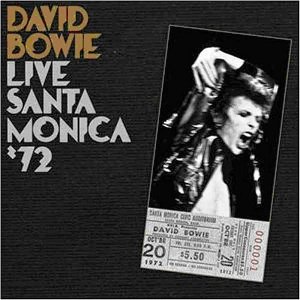
That particular recording had been a legendary bootleg for years, and got wider distribution in the mid-‘90s via a label set up by Bowie’s old management, to the artist’s irritation. An official Bowie-approved release, with improved sound and packaging, was something of a surprise in 2008 after such a stretch of time. It’s an essential snapshot of the era; the band was only ten shows into the American tour, and they’re still working on their swagger. Terrific performances of “The Supermen”, “Life On Mars?”, “Waiting For The Man”, and a preview of “The Jean Genie” are just some of the highlights, and Bowie’s brief but affectionate liner notes praise Ronson and Garson again.

Such candor wasn’t exactly rare for Bowie when the mood struck him. He was particularly effusive for his appearance on VH1 Storytellers as part of the advance promotion of ‘hours…’ Along with anecdotes (and occasional imitations) of Iggy Pop, Marc Bolan, and Steve Marriott, he delivered two songs from the album, plus low-key renditions of a few deep cuts and a few familiar ones. “China Girl” got a lovely introduction courtesy of Mike Garson, and a revved-up remake of his oldie “Can’t Help Thinking About Me” would lead to a shelved album of similar remakes. (When made available for purchase ten years later, the CD merely replicated the original broadcast, but it was packaged with a DVD that added four further songs, which have since become available via streaming and a vinyl release. These included two more new songs, plus his recent deconstruction of “I Can’t Read” and a striking “Always Crashing In The Same Car”.)

David Bowie iSelect (2008)—
David Bowie
Live Santa Monica ’72 (2008)—
David Bowie
VH1 Storytellers (2009)—3