Showing posts with label 2023. Show all posts

Tuesday, July 14, 2026

Van Morrison 54: Accentuate The Positive

For his third release of 2023, Van fans were able to exhale in relief yet again. Not only was Accentuate The Positive another collection of covers, with zero political stands or even general complaining, but it was only an hour long.

The focus is once again mostly on pre-’60 rock ‘n roll and blues, in a distinctly R&B approach. Therefore the old chestnut “You Are My Sunshine” is more of a dare than homage, and the Everlys’ “When Will I Be Loved” and “Problems” are more jump blues. “Hang Up My Rock ‘N Roll Shoes” might be familiar to Band fans from Rock Of Ages, but this “The Shape I’m In” is not theirs. “Flip, Flop And Fly”, “A Shot Of Rhythm And Blues”, “Shakin’ All Over”, and “Bye Bye Johnny” are all faithful to the originals, while “Red Sails In The Sunset” could have come from one of his late-‘80s albums. “Sea Of Heartbreak” has a harmony part with one of the backup singers, who’s limited to two notes. Jeff Beck adds some rockabilly guitar to “Lonesome Train”, sung in unison with Chris Farlowe, and Taj Mahal helps close the proceedings on “Lucille” and “Shake, Rattle And Roll”, though he seems to need prompting on the latter. In between the selections range from obscure to well-trod.

We’re glad he took his own advice on Accentuate The Positive. He seems to have picked these songs just because he liked them, hadn’t recorded any of them for an album before, and uses the same band for most of it. So it’s another decent Van Morrison album that won’t stand out much otherwise.

Van Morrison Accentuate The Positive (2023)—3

Tuesday, March 10, 2026

Van Morrison 53: Beyond Words

With the exception of a few expanded reissues and The Philosopher’s Stone way back in 1998, Van Morrison has been very resistant to vault-digging. So it was very surprising when he announced the first release on his very own (initially mail-order) record label would be Beyond Words, a collection of instrumentals recorded over the decades from the ‘70s to the ‘00s. (There was one hilarious bump in this road: the label was announced as Esoteric, despite being the name of an established company. After a slight delay, the new name was Orangefield, which had already been a song title and lyrical reference, and the school he attended as a boy.)

Outside of the detailed musician credits, it’s not clear what was recorded when, though it is possible to guess, and the program does move somewhat chronologically. The first three tracks feature him trading acoustic licks with an electric guitarist, which is fine except for the obnoxious gurgling and scatting that ruins the title track. There’s a shift with “Breadwinner”, rich with composed horn lines in harmony. “Cool For Cats” has him blowing and shouting through a harmonica over a furious tympani and muffled bass; the same musicians plus piano back up his sax on the jazzy “Parisian Walkabout”. British guitar legend Mick Green dirties up “So Complicated” and strums along on the traditional “Kerry Dancing”, rearranged as a sax duet.

Van takes over the electric piano on “All Saints Beneficial”, “Celtic Voices”, and “Mountains, Fields, Rivers & Streams”, and the appearance of a certain harpist would suggest they come from the No Guru, No Method, No Teacher sessions. Given the vocalists plus Pee Wee Ellis on “The Street”, as well as Mark Isham on this and the tracks that follow, these would date from the early ‘80s, though “Far North” is close cousin of “Scandinavia” from Beautiful Vision. “12 Bar Celtic” sounds enough like the instrumentals on Poetic Champions Compose, and “Greenwood Tree” includes contributions from two Chieftains.

While it doesn’t exactly hold together as an album, Beyond Words does provide something of a respite from Van’s soapbox ranting, and a trip back in time to when he let the music do his talking. We often forget what a decent sax player he is, with his own unique style.

Van Morrison Beyond Words: Instrumental (2023)—3

Friday, December 12, 2025

Van Morrison 52: Moving On Skiffle

The news of a third multidisc release of new material from Van Morrison would give anyone pause in the post-Covid era. But while Moving On Skiffle is equivalent to four sides of vinyl, it delivers on its title. These are mostly old folk, country, and blues songs, some traditional, which would have been easily tackled by the skiffle players he heard back in the day. But it’s not a straight skiffle album—after all, he’d already done one, live, with Lonnie Donegan and Chris Barber.

This is another genre exercise, not that different from any of the other covers albums he’s done over the previous decade or so, with a selection of players and singers he’d been using throughout the century. (We were hoping the credit for one Sticky Wicket on washboard was a pseudonym, but no, he’s an actual drummer.) Only on “Gov Don’t Allow” does he get political, altering the original “Mama Don’t Allow”, which forbade certain kinds of music, to extend to freedom of speech. It does, however, give little solo spots to various of the musicians. (That song might be familiar thanks to a YouTube video of a 13-year-old Jimmy Page playing it on television; the man himself provided a back cover testimonial here.) “Worried Man Blues” was also on the live album, but this is a much different arrangement, working in “Mystery Train” and other lyrics. Things slow down only for Jimmie Rodgers’ “Travelin’ Blues”, Hank Williams’ “I’m So Lonesome I Could Cry”, and the closing “Green Rocky Road”, which runs nine minutes. (Thanks to the violin and the mood set, it’s worthy of Into The Music and No Guru, No Method, No Teacher.)

As usual there are complete instrumental credits, so you can tell when he’s playing the saxophone, and he’s singing with the passion you’d expect him to muster for the music he loved as a boy. At least he sounds cheerful.

Van Morrison Moving On Skiffle (2023)—3

Tuesday, June 17, 2025

Brian Eno 30: Secret Life

By the time he was 75 years old, Brian Eno had more than a couple generations of musicians who’d been influenced by his work. One such person was Fred Gibson, also known as Fred again.. (with two periods), a DJ and producer who worked with Eno on his collaborations with Karl Hyde. While keeping eyes and ears on each other since, the Covid pandemic gave them a chance to collaborate fully and at their own pace.

Secret Life is mostly an ambient album, in that it has little to no tempo and relies mostly on muted electric pianos and other keyboards. But Fred does provide vocals, equally inspired by those of his older partner. His other trick is to interpolate other people’s songs—as he does on “Secret”, from a Leonard Cohen song, and John Prine on two others—and sample vocals from a variety of sources. Those contributors are acknowledged in the same list as the other engineers and producers.

For the most part the album floats along, but “Enough” and “Trying” have more prominent vocals and energetic backing melodies that refuse to stay in the background, particularly when the static is mixed up. What little percussion the album has comes from the sampled voices. There’s so much Fred here it’s not clear what Eno brought to the table, but that was probably the point.

Fred again.. Brian Eno Secret Life (2023)—3

Friday, February 28, 2025

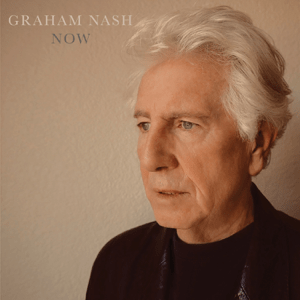
Graham Nash 10: Now

While he hadn’t suddenly scaled a prolific streak comparable to that of erstwhile partner David Crosby, it was something of a surprise to get a new Graham Nash within ten years of the last one. Now finds him in his eighties, supported by his stalwart touring band, with a state-of-the-Graham address that’s immediately engaging.

His subject matter has barely mutated since 1970—you know, love and politics, not that we’d expect anything different—so there are no bonus points for guessing what “Stars And Stripes”, “Love Of Mine”, or “Follow Your Heart” address. Still, “Right Now” and “Golden Idols” have a spark and tension that have been missing since the Crosby-Nash albums with The Section backing them up, while “A Better Life” and “It Feels Like Home” are more country-tinged sentiments. “Stand Up” loads on some tasty guitars for a fairly pedestrian message, and then there’s “Buddy’s Back”, a reverie in the style of Buddy Holly sung with Hollies mate Allan Clarke. A string quartet provides “Theme From Pastoral”, one of Alan Price’s pieces for the cult film O Lucky Man!, and they continue on the sentimental “In A Dream”, but its use on “I Watched It All Come Down” seems odd, given that it addresses his feelings about the collapse of CSN. It’s followed by the closing piano ballad of “When It Comes To You”.

Now isn’t earth-shaking, but he still sounds good. With the exception of Allan Clarke on that one song, all the vocals are his, and he harmonizes well with himself.

Graham Nash Now (2023)—3

Tuesday, February 25, 2025

Stephen Stills 16: Live At Berkeley

Following the release of his second solo album, Stephen Stills embarked on an ambitious tour that he hoped would not only encompass his musical palate, but further establish him as a singular force with which to be reckoned. Along with four guys who would continue with him in Manassas, another guitarist plus a sax player and the five Memphis Horns filled out the sound even more. Reports say he booked 52 dates, and even he says he handled the pressure of his setlists by getting good and drunk before every show.

Luckily for us, the performances picked from the final two shows on Live At Berkeley 1971 aren’t embarrassing in the least. It also helps that these were theater shows, more intimate and forgiving than the hockey arenas played earlier on the tour. He begins acoustically, where he’s accompanied by Steve Fromholz on guitar and vocals. Proof that CSN wasn’t dead in the water, David Crosby is brought out for “You Don’t Have To Cry” (Fromholz filling in well) and his own “The Lee Shore”. He moves to the piano for a very nice “Sugar Babe” and the now-familiar “49 Bye-Byes/America’s Children” medley, and straps on a banjo for “Know You Got To Run”. The full band comes on for “Bluebird Revisited”, which burns pretty slow compared to Wayne Jackson’s “Lean On Me”. “Cherokee” runs almost ten minutes, plenty of time for the band to cook.

The sound throughout is clear and warm. Considering that it captures a moment in his career before things changed and would change again, this set goes a long way to remind us how good Stills could be when he got out of his own way and just played. One does wonder what they left out.

Stephen Stills Live At Berkeley 1971 (2023)—

Friday, February 21, 2025

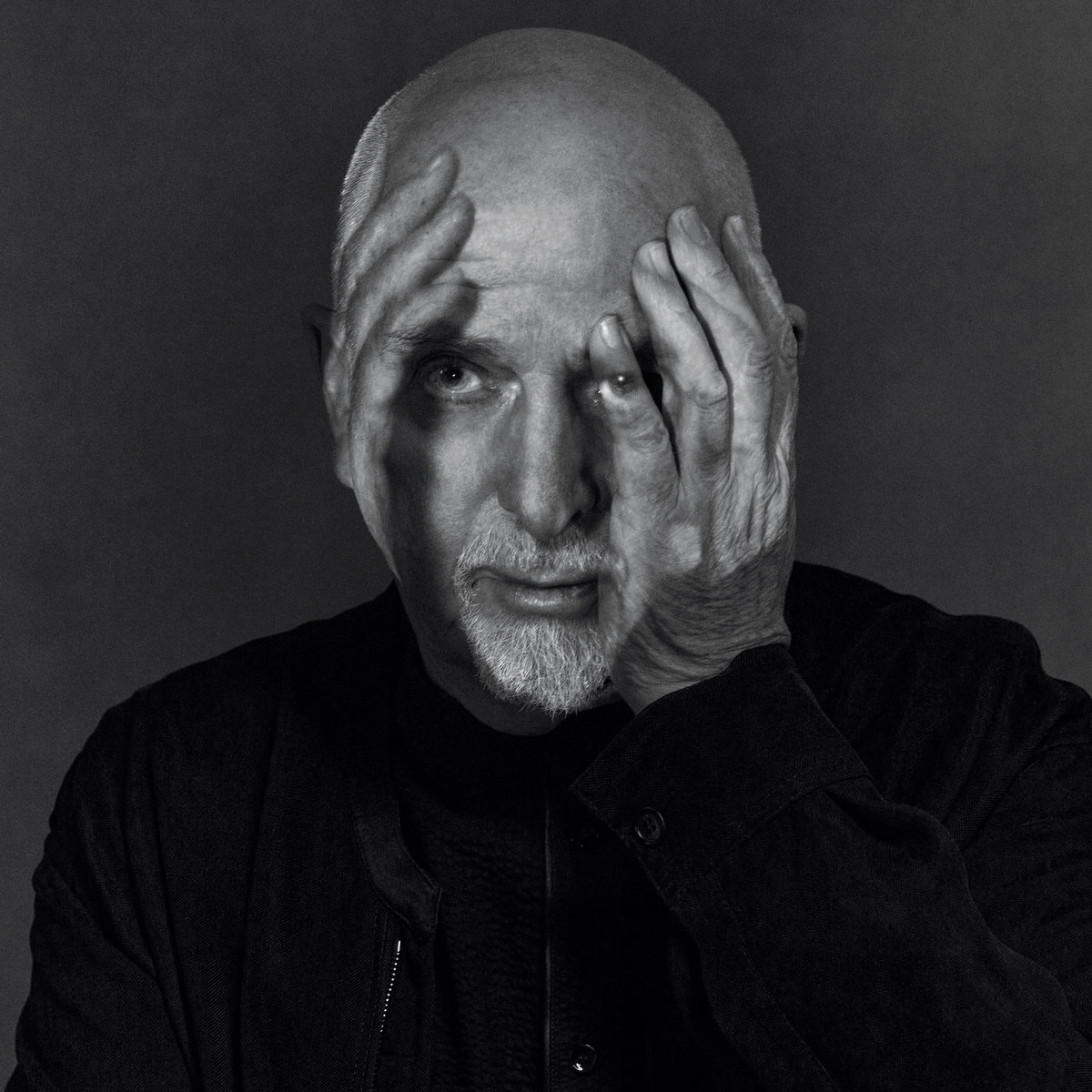
Peter Gabriel 15: i/o

And you thought ten years was a long wait between Peter Gabriel albums! Not long after Up finally appeared, he said he was already working on a follow-up. There began years of speculation and waiting that turned into decades. It wasn’t until early 2023 that, he finally started releasing music that he said would constitute the long-promised i/o, with a tour to match. At the turn of every full moon, a new song would be released via streaming in a variety of “Bright-Side” and “Dark-Side” mixes, while further variations on each were made available to members of his official Full Moon Club. This was a uniquely modern way to release new music that led us old folks to wonder if an album would ever exist in format like we used to know.

As it turned out, and in a demonstration of his pathological indecisiveness, the album did finally appear at the year’s end, in a CD package that included a disc of the songs in each mix. (Each mix was also released in separate vinyl packages, while a Blu-ray offered both mixes plus the “In-Side” Dolby Atmos mix. Or you could get a box set with everything.) All of this was a lot for anyone not the artist to get his or her head around, especially when it came down to the real meat of the issue: the songs themselves.

“Panopticom” has the rare distinction of beginning a Peter Gabriel at volume, rather than mysteriously emerging from silence. It’s set apart by its repeating motif, with a prominent acoustic guitar, even its ideal of a global data resource that becomes more ominous with every passing week. “The Court” addresses the idea of justice, and he makes some interesting rhymes, even if they recall those of “Steam”; the coda is the highlight of the song. “Playing For Time” takes the volume down to just piano and orchestra for the most part, not far removed from “That’ll Do”—an intentional move, so he says, and it’s quite nice. The title track follows on quietly at first, ruminating on connection, getting more energy in the choruses. A collaboration with producer Richard Russell, “Four Kinds Of Horses” is very dark, particularly in its Dark-Side incarnation, a strong contrast to “Road To Joy”, which bubbles along its groove until the abrupt end complete with sound effects (no spoilers here).

“So Much” is a quiet reflection on aging, with a few wince-inducing metaphors, but still heartfelt. We’re still on the fence about “Olive Tree”; no matter the mix, the cheesy horns over the choruses distract from the mood of the verses. Despite its somber tone, underscored by the cello, “Love Can Heal” is a plea of hope, inspired by an assassination, whereas “This Is Home” finds comfort on a more personal level. “And Still” is the longest song on an album already full of contenders. It’s rather unsettling as it progresses, but another cello solo helps raise it out of the murk. (People forget that he’s played the piano for much of his solo career—well, we do, anyway—and it’s rather adept here.) Another grand plea for peace rounds off the album. Building steadily from a seed to a big sound, “Live And Let Live” is a nice idea, of course, but the ears that need to hear it won’t. Maybe if it didn’t take so long to make its point. (The Dark-Side mix adds a whole 25 seconds to the album.)

Even with all that tinkering, there are no timeless classics to be found within any version of i/o. There’s a lot of sameness throughout, both within the album and in echoes of his earlier albums. We find ourselves going back to the quieter, beat-less songs, in either mix, as they seem less derivative of things we’ve heard before. Among the two dozen musicians, core contributors David Rhodes, Tony Levin, and Manu Katché make their mark, so it’s nice to concentrate on them, while Brian Eno contributes to six tracks. It is a simply pleasant album when you’ve got an hour or so to kill. At this rate, we don’t expect he will follow it up with anything remotely major.

Peter Gabriel i/o (2023)—3

Tuesday, September 24, 2024

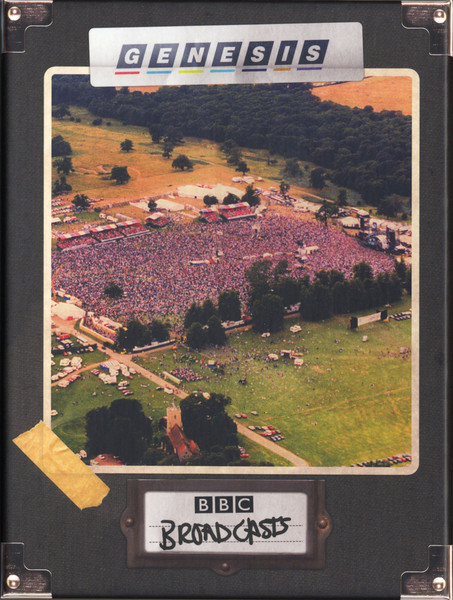
Genesis 24: BBC Broadcasts

Thirteen years after the last Genesis reunion tour, Phil Collins rejoined his old band for another go around the world. Dubbed The Last Domino?, the shows mixed familiar hits with older (and newer) epics. Phil sang seated in a comfy chair while his son played drums—and pretty well, by all accounts. Daryl Stuermer was still around, and two male backup singers were on hand as well. The tour was promoted by a double-disc compilation, also titled The Last Domino?, that more or less replicated the setlist—including full versions of songs that were excerpted onstage—and could have, once again, been a Spotify playlist. But it included some nice photos from the rehearsals and sent more royalties in the direction of the absent Peter Gabriel and Steve Hackett.

Once again the band had been put to bed, but Tony Banks still found a way to extend their reputation as a live attraction with the surprise release of the five-CD BBC Broadcasts box, covering the band’s career from 1970 to 1998. The package is mostly chronological, but by doing so some sessions are split between discs, which works for streaming, but can be jarring on CD. Also, while it’s five discs long, it doesn’t contain every radio performance by the band through the years—most likely to cut down on repetition, but also because they knew a whole disc from the Ray Wilson era was a non-starter, even at this low price point.

The first disc is the Gabriel era, beginning with three songs from the band’s first BBC studio appearance in 1970, and the same three that were already on the first Archives box. We jump to 1972 with the established Hackett-Collins lineup, with one flashback to the 1971 “Stagnation” that was also on the first Archives box. There’s a good performance of the rare “Twilight Alehouse” B-side, and an encore of “Watcher Of The Skies” from the Lamb tour.

From disc two on everything is in front of an audience, with improved sound, and the long-term live lineup including Daryl Stuermer and Chester Thompson. Five tracks from the 1978 Knebworth Festival—including the transition from “Dance On A Volcano” via “Drum Duet” to “Los Endos”—are followed by most of a 1980 London theater show, which fills the rest of disc two and most of disc three. Despite the occasional voiceover, highlights include the complete “Duke Suite” and the surprise encore of “The Knife”. (The songs omitted from this show were already part of the Knebworth selections. Also, “Follow You, Follow Me” is the same version that’s on Three Sides Live, while “Ripples”, “The Lady Lies”, “Duke’s Travels”, and “Duke’s End” were on Archives #2.)

Most of the well-traveled (since it was already on VHS and DVD) Wembley Stadium show from 1987 straddles discs three (the last two tracks) and four; the balance of the latter is given over to two songs from 1998 with Ray Wilson (who sounds very much like Paul Carrack on “Not About Us”). The fifth disc is devoted entirely to selections from their appearance at the 1992 Knebworth Festival: five songs from We Can’t Dance, with their “Old Medley” in the middle. We’d’ve ended with anything but an eight-minute “I Can’t Dance”, but the crowd seemed to love it.

Again, the sequencing is odd, and the discs aren’t all to capacity; surely some more music from 1978 or 1987 could have nudged the 1998 music to the end of disc five if it was so necessary to include? Quibbles aside, BBC Broadcasts has a lot of deep cuts for the musos and not just the pop fans, and thus provides an exhaustive look at what made the band, in any incarnation, such a draw through the decades.

Genesis The Last Domino? (2021)—3
Genesis
BBC Broadcasts (2023)—

Friday, January 5, 2024

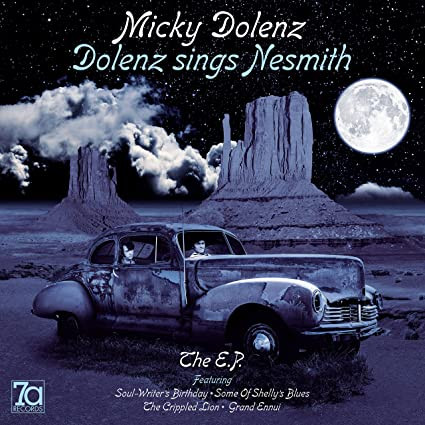
Micky Dolenz: Sings Nesmith and R.E.M.

Throughout the original TV series, it was apparent that Micky Dolenz and Mike (as he was known then) Nesmith were the Frick and Frack of the Monkees, playing on the assumed telepathic partnership of John and Paul in the Beatle legend. Even then, Micky was a champion of Nesmith’s songs, and it wasn’t until Nez returned to touring with the Monkees in the 2010s that Micky’s exhortations got more regular and wider broadcast. By that time, family scion Christian Nesmith, who’d already been a veteran of touring outfits ranging from Air Supply to King’s X, was the musical director for Monkees’ live show. This continued when Micky and Nez were the only surviving members, and could finally call their schtick “The Mike & Micky Show”.

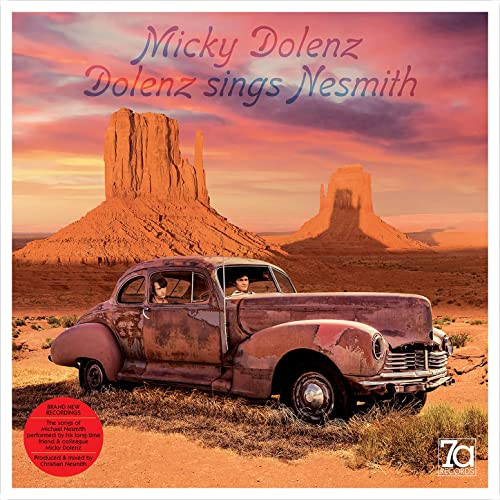
As with everything else in the music world, Covid put touring on hold, but since Micky had never been lazy and loved to sing, he decided to do his own spin on the Nilsson Sings Newman album by applying the concept (and cover design) to his buddy’s catalog, and corralled Christian to arrange it all. The resultant Dolenz Sings Nesmith accomplishes its thesis, relying mostly on songs outside the Monkees catalog. Many of those songs were originally released in Nashville country arrangements, which makes the templates fairly straightforward, but even the familiar ones are taken in less obvious manners.

“Carlisle Wheeling” includes everything but the kitchen sink, encompassing the original approach with arty touches. “Different Drum” is very daring, as the first-ever hit version put Linda Ronstadt on the map, but this one is done fairly straight. A deep cut on Instant Replay, “Don’t Wait For Me” is here presented with a simple picked acoustic accompaniment. The more obscure “Keep On” and “Marie’s Theme” are showcases for Christian’s keyboards, but still work. “Nine Times Blue” and “Little Red Rider” were both attempted by Nesmith with the Monkees before getting paired on the first First National Band album; here Micky takes the same approach, singing the former with a piano and rocking up the latter following the built-in key change.

“Tomorrow And Me” takes the tumblin’ tumbleweeds of the original to a more futuristic desert, pushing his voice to the upper limits of his senior range. Unfortunately, we didn’t need another version of “Circle Sky”, especially after it was redone once already, and certainly not with a faux-raga treatment. Similarly, “Tapioca Tundra” appears to be set on Mars, but still encouraging Micky’s vaudeville schtick. Much better is “Propinquity”, demoed by Nez for the first album and turned here into a stomper with an appealing banjo part. “Only Bound” is still spacey, and nicely segues into a snippet of “You Are My One”, a quarter of the length of Nez’s original jazz odyssey and filtered through Brian Wilson.

Nesmith died that December, and a month later Dolenz released Dolenz Sings Nesmith – The EP, containing four more songs from the sessions. The given highlight was “Soul-Writer’s Birthday”, a previously unreleased composition that shares the guitar accents with “Salesman” but otherwise isn’t much. “Some Of Shelly’s Blues” and “Grand Ennui” (the latter a bonus track on the main album’s CD) are taken country, while “The Crippled Lion” becomes a big ballad.

Dolenz Sings Nesmith is ultimately a vanity project, but it does reinforce what an inventive writer Michael Nesmith was, melodically and lyrically. As most of his post-Monkees catalog is slowly becoming available again, the curious would be well rewarded to go back to the sources.

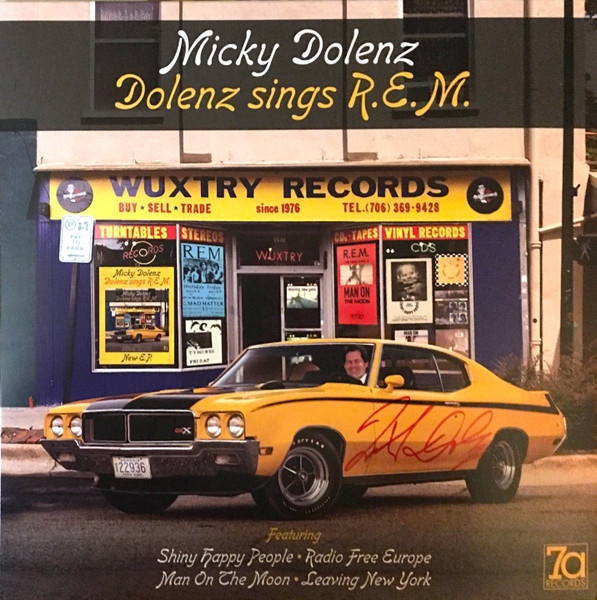
After those were given time to marinate, another project that was about as expected and double take-inducing as Pat Boone covering Ozzy Osbourne or Paul Anka doing “Mr. Brightside”. Dolenz Sings R.E.M. was tackled the same way as the Nesmith album, featuring new arrangements of four songs mostly performed by Christian. With “Shiny Happy People” the performers actually managed to make one of the shortest shelf-life R.E.M. songs into a thing of beauty. The waltz intro and interludes are retained, and Micky’s sister Coco gets to sing the Kate Pierson part. “Radio Free Europe” and “Man In The Moon” are perhaps too iconic to be re-interpreted, but “Leaving New York” is positively gorgeous. The R.E.M. boys loved it; perhaps this could be fleshed out into a full-length.

Micky Dolenz Dolenz Sings Nesmith (2021)—3
Micky Dolenz
Dolenz Sings Nesmith – The EP (2022)—3
Micky Dolenz
Dolenz Sings R.E.M. (2023)—3

Friday, December 29, 2023

Roger Waters 5: Lockdown Sessions and Dark Side Redux

In the years following his 2017 solo album, Roger Waters took a band on the road for another multimedia extravaganza that incorporated not only the new stuff but classic Floyd as well, and as would be expected. As outspoken as ever, he garnered criticism aplenty for his anti-Israel stance, which overshadowed the anti-Trump imagery in the show. A film and album of the production, both titled Us + Them, did only slightly better than his reworking of Stravinsky’s A Soldier’s Tale.

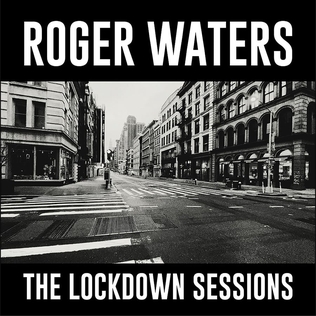
Like most musicians hamstrung by the limitations of the Covid pandemic, he did what he could to keep busy musically, and in his case, that meant rerecording mostly stripped-down arrangements of songs that had been played throughout the tour. Intriguing but inessential, The Lockdown Sessions slows down three songs from The Wall (four actually, as the track called simply “Vera” segues into “Bring The Boys Back Home” to stretch it out for five minutes), two from The Final Cut, and “The Bravery Of Being Out Of Range” from Amused To Death, while keeping the original guitar solos intact. However, the pointedly titled “Comfortably Numb 2022”, eschews both guitar solos, substituting an angry attempted phone call for the first and a backup singer wailing over explosive effects for the fade. For the most part, his voice hovers somewhere between a whisper and an aside; at least he’s not yelling.

The album made a splash only among the faithful, so he decided to make the most of the 50th anniversary of The Dark Side Of The Moon to give that album the same treatment, with the same band, knowing full well that the earth would stop on its axis at the news. The angle this time was to tackle the lyrics of a younger man with the perspective of a near octogenarian, and since he wrote them, he’s certainly allowed.

For the most part, the “reimaginings” are extreme. Effects are pretty much gone, except that chirping birds are everywhere. “Speak To Me” is now an opportunity to recite the lyrics to “Free Four” over that ominous heartbeat. Another couplet from that song is intoned before the verses of “Breathe”, which at least has drums and is more recognizable. “On The Run” retains its robotic pulse, but is dominated by a new monologue soaked in paranoia and madness. It continues over the start of “Time”, where clocks used to be. It slowly plods along, prodded by Hammond organ and swirly cellos, and a woman softly ooh-ing where there used to be a guitar solo. “Great Gig In The Sky” is possibly the most transformed; in keeping with its original theme of mortality, he reads part of a correspondence with the assistant of a cancer-stricken acquaintance that includes an anecdote about a show in Croatia. Clare Torry’s improvised melody is transposed to a quiet synth.

“Money” keeps its 7/4 meter but not the effects; this time the sax and guitar solos are replaced by a surreal narrative about a boxing match. Luckily, “Us And Them” is mostly untampered, though the forced echo in the verses could have been skipped. What used to be the sax solo is now covered by strings and organ. There’s not the smoothest transition to “Any Colour You Like”, which now sounds more than ever like “Breathe”, and features another cryptic piece of prose. He does cleverly preface “Brain Damage” by addressing the “madness” of this re-recording concept, and that and “Eclipse” are taken fairly straight, if subdued. And he acknowledges by name the man who had the last word on the original album while disagreeing that it’s “all dark”.

The Dark Side Of The Moon Redux isn’t awful, but it will hardly replace the original. Nor does it lend itself to repeat listening. But Nick Mason endorsed it, so who are we to argue? Besides, if you want a non-Roger interpretation of the album, there’s always Pulse. (We do, however, like the dog on the cover.)

Roger Waters The Lockdown Sessions (2022)—3
Roger Waters
The Dark Side Of The Moon Redux (2023)—

Friday, December 22, 2023

Neil Young 70: Before And After, Fu##in Up, Coastal

While he’d played a handful of shows since the pandemic, the specter of Covid and the risk of large gatherings were enough to keep Neil Young from touring behind the three new albums he put out in that period. When he finally did do a brief West Coast run in 2023, it was in his tried and true format of wandering around a stage between instruments and touching on his entire career. And being him, he commemorated it with a live album as fast as the pressing plants could make them.

Before And After is presented as a single track, but thankfully still indexed for each song (unlike a recent Paul Simon project). The idea is that in this age of shuffle and immediate gratification, this should be experienced like a performance. And that’s what it is, though taken from a handful of shows, with the audience mixed very low when they’re heard at all.

The setlist leans predominantly on less obvious choices, beginning with “I’m The Ocean”, transformed from its Pearl Jam thrash into a rumination along the lines of side one of Rust Never Sleeps. “Homefires” is rediscovered from the Archives, and is a clever segue to “Burned” from the first Buffalo Springfield album, then “On The Way Home” from the last. The token rarity is “If You Got Love”, yanked from Trans at the last moment and here executed on his trusty pump organ. Now at a piano, a slightly stumbly “A Dream That Can Last” goes backwards into “My Heart” by way of “Birds” in between. “When I Hold You In My Arms” is reclaimed from the post-Toast era into a love song along the lines of Storytone. “Mother Earth” is pump organed, as is “Mr. Soul”. “Comes A Time” sounds just like it did on Live Rust, and it’s a very fast segue into “Don’t Forget Love”, the sincere salutation from Barn.

This is a sentimental journey, certainly, an intimate visit with Neil. While it doesn’t present a complete show—which could well appear on his website at any time—Before And After should sate anyone still hoping and waiting to see him in person.

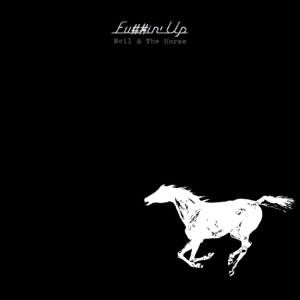
Some people didn’t have to wait that long, as Neil reconstituted Crazy Horse—still with Nils Lofgren, swapping piano and guitar with Micah Nelson from Promise Of The Real—for a private gig in Toronto at a billionaire’s birthday party a month before the release of Before And After. The set consisted of the Ragged Glory album in order, excluding “Mother Earth”, and was released five months later as Fu##in’ Up, just in time for a full-fledged Horse tour. (It was also included as a premium for those who paid the hefty ticket prices.) By this time both members of the rhythm section were 80 years old, but it’s Neil who seems to struggle the most, botching the lead on “Country Home”, switching verses on the title track, and straining to hit high notes in the original keys. “Love To Burn” starts to slow down at the ten-minute mark, and probably not on purpose. He does, however, nail the harmonica solo on “Days That Used To Be”—no small feat, since it never had one before.

For some reason every song here save “Farmer John” was given a new title, along with a numeric prefix, counting down from 8 to 1 and back to 9 for “Love And Only Love”, where they finally sound warmed up. It’s also unknown why the few encores weren’t included, but that’s Neil for you. Way Down In The Rust Bucket is far better overall, and not just on the shared songs.

The Crazy Horse tour ended sooner than expected, for “health reasons”, and with a lot of irons in the fire, a year went by before the solo tour was commemorated with a film directed by Daryl Hannah, with a matching soundtrack. As with its older brother, Coastal begins with “I’m The Ocean” and closes with “Don’t Forget Love” (albeit an extremely short version), and doubles up on a few other songs. In between, it’s a similar grab bag. “Love Earth” benefits from audience participation and timely stomping, and he switches to electric for “Prime Of Life”. We just noticed that the hook of “Throw Your Hatred Down” would be used again in “Shock And Awe”, and “Vampire Blues” is interrupted by an amp glitch that doesn’t derail his tempo. Speaking of which, the first physical copies of the album managed to escape quality control; “Expecting To Fly” is done on piano at a soundcheck, and sung in a much lower register, where he stays for “Song X” and “I Am A Child”. (When the “official” streaming version on his site appeared after a delay, it had these songs mixed without vocals.) All in all, that much more enjoyable than Before And After, though neither is The One To Have.

Neil Young Before And After (2023)—3
Neil Young With Crazy Horse
Fu##in’ Up (2024)—
Neil Young
Coastal Soundtrack (2025)—3

Tuesday, December 19, 2023

Joe Jackson 21: What A Racket!

Genre exercises have been part of Joe Jackson’s career since his fourth album. Having successfully shown his ability to recreate jump blues of the swing era, he’s challenged himself as a composer on several occasions to go outside the rock album box, with varying results.

This time he’s going back a century to dwell in English music hall, having concocted a barely believable back story about a set of “recently discovered” songs by the long-lost, long-forgotten Max Champion. One listen to Mr. Joe Jackson Presents: Max Champion In “What A Racket!” should prove to any of his fans that he’s solely responsible for the words, music, and even the crafted arrangements. Each song is sung with an overly pronounced Cockney accent throughout, which both obscures the lyrics and prevents individual songs from standing out from the uniform pack. One can draw a line to Gilbert & Sullivan by way of Eric Idle much of time. That said, he’s in good voice, so his continued insistence on social cigarette smoking hasn’t taken its toll yet.

Said back story suggest that these old chestnuts are still as timely as today’s headlines, and indeed, he’s careful to blend old tropes with mildly timeless commentary. The so-called overture “Why, Why, Why?” decries complainers and dissent, but then “The Sporting Life” tackles (sorry) the plight of an non-athletically inclined citizen. The decorations on the overly maudlin “Dear Old Mum” distract from some of the nuances in the lyrics, such as the dwindling size of the family and the ways she supported them. There seems to be some kind of pertinent message in “Monty Mundy (Is Maltese!)” but it only makes us want to listen to Tom Lehrer. A peeping Tom gets ironic comeuppance in “The Shades Of Night”, which closes with something of a “get home safe, folks” salutation—odd in the middle of the album, but it caps what’s called Part the First, so consider this your notice for intermission.

Sure enough, the rousing title track—an anti-noise rant—crashes in as the virtual curtains open, but “The Bishop And The Actress” tries too hard to be covertly bawdy. “Think Of The Show!” is a variation on the timeworn life-on-the-road lament, a subject he covered way back on “The Band Wore Blue Shirts”. “Never So Nice In The Morning” is very clever, but the constant switching between the slow verse and moderate chorus makes the song drag. On one level, “Health & Safety” chides exercise buffs, but in the end it skewers the concept of armed forces in peacetime. And while Part the First had something of an obvious finale, “Worse Things Happen At Sea” is merely a keep-your-chin-up message with a singalong chorus with an anachronistic digital-sounding piano.

He’s likely not expecting sales in the millions with What A Racket!; after all this time Joe Jackson writes to please only himself. Given how many other so-called jukebox musicals have been concocted over the years over flimsier premises, it’s entirely possible that these songs could find their way to a theatrical venue at some point. Whether it does or not, we’ll wait to see what other songs he might write.

Joe Jackson Mr. Joe Jackson Presents: Max Champion In “What A Racket!” (2023)—3

Friday, December 1, 2023

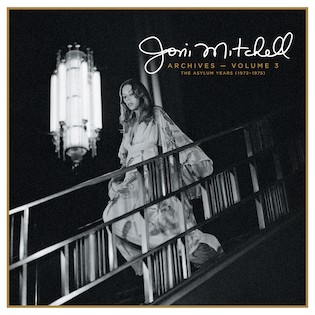
Joni Mitchell 28: The Asylum Years

Joni’s move to the then-new Asylum label in 1972 wasn’t just a change of distribution. The albums she recorded there took a turn from the predominantly solo acoustic sound of her first four albums, incorporating rhythm sections and horns, resulting in a commercial adult contemporary sound, then veering towards more esoteric jazz. The third box in her Archives series tackles the first half of this era, which saw four albums hit the charts, and is as illuminating as one could hope.

The first two discs encompass the making of the For The Roses album, beginning with a handful of solo and pristine demos—the first two from 1971, despite the box subtitle—including the stunning, otherwise unknown “Like Veils Said Lorraine”. Then we go to Carnegie Hall for a widely bootlegged, rapturously received performance that spills over to disc two. She plays the “hits”, but several Roses songs are new to the crowd, as the album wouldn’t be out for another nine months. She brings out various “friends” for “The Circle Game”, including Jackson Browne, who opened the show. (He’s listed as one of the choristers “possibly” in attendance; the “David” she mentions is likely Geffen, who’s also listed.)

James Taylor sits in on an acoustic rock ‘n roll medley and “Electricity” from further Roses sessions, whereas a try of “You Turn Me On I’m A Radio” with Neil Young and two Stray Gators was wisely redone elsewhere. (Similarly, that song and “See You Sometime” were also tried days later with the same Stray Gators, but not Neil.) Further alternate mixes include “Cold Blue Steel And Sweet Fire” where she overdubs a vocalization of the eventual sax part. “Sunrise Raga” is a fascinating mostly instrumental with her acoustic accompanied by tabla, and she was clearly interested in covering “Twisted” this early. (It’s nice to hear a version without Cheech & Chong, too.) A solo “Judgement Of The Moon And Stars” from a London concert is enthralling.

Disc three begins with a stunning 12-minute piano-and-vocal suite that goes from “Down To You” through “Court And Spark” and “Car On A Hill” back to the beginning. She must have considered this for release, as it features multiple Jonis harmonizing on the “Car” section. Other demos for the Court And Spark album are refreshing to hear without the studio adornments. We get three versions of “Raised On Robbery”—an acoustic with trilling chorused Jonis and percussion, a rockin’ one from a Graham Nash session, and the one recorded a day later with the Tonight’s The Night band that was on Neil Young’s second Archives box. As with the Roses portion, alternate mixes from the sessions are capped with an instrumental sketch, in this case the Greek-flavored “Bonderia”.

The balance of disc three and all of the fourth are devoted to a more laid-back L.A. concert with the support of Tom Scott and the L.A. Express, providing something of an alternate to Miles Of Aisles. (Most of that album came from shows performed five months later, and features some different selections from what’s here.) Whereas that album was programmed as a double album of four sides, here we have a complete show that moves through the dynamics of a full band for a half-hour, through a solo section featuring some lengthy conversational intros, and back with the band. While Scott can be a little overbearing in some contexts, his simple touches on “Cold Blue Steel” and “For Free” are welcome, and she works very well with the whole band. Oddly, there’s no “thank you, good night” after the last song; the disc simply ends after “Car On A Hill”.

An early live recording of “Jericho” starts the fifth disc, followed by “Woman Of Heart And Mind” in front of a quiet Wembley audience during the 1974 CSNY tour. These acoustic performances provide an excellent segue to seven demos for The Hissing Of Summer Lawns, not all of which have been bootlegged before (and there are some demos out there not collected here). Anyone put off by the arrangements on the finished album should appreciate these all the more. “Harry’s House”, for example, does not have the “Centerpiece” interlude, and an early “Dreamland” is accompanied only by guitar. Session outtakes from the album include “The Jungle Line” without the Burundi drummers or synthesizer, and another try at “Dreamland” with a band backing.

Her first Archives box fascinatingly traced her growth, and the second provided a fine companion to her first four albums. The period covered in this third box went widely off most people’s expectations—not unlike Neil Young’s “ditch” era—with varying critical and commercial success. As we can hear here, everything, from the biggest band arrangement to the solo performances, started with words and a melody. While she may have identified with painters, whom she referenced on Miles Of Aisles (“nobody ever said to Van Gogh, ‘Paint a Starry Night again, man!’”), her sketches are as fascinating as the finished works. And my goodness, was she prolific.

Joni Mitchell Archives—Volume 3: The Asylum Years (1972-1975) (2023)—4

Tuesday, November 7, 2023

Rolling Stones 52: Hackney Diamonds

It took Charlie Watts dying for the Rolling Stones to “set a deadline” for bashing out an all-new album like the last one, which came out eighteen years before. Yet Hackney Diamonds has something that album didn’t have, and maybe we can thank album producer Andrew Watt, who was born after they completed the tour supporting Steel Wheels but before Flashpoint was released. (They must have really liked him since they gave him co-writing credit on the first three songs; somewhere Mick Taylor is seething.)

Granted, they’d put out new songs for compilations and expanded reissues, but this time there’s a unified purpose. The core band is down to Mick Jagger, Keith Richards, and Ronnie Wood. Darryl Jones isn’t on the album at all; the bass is handled by either Watt or one of the special guests (when specifically credited) or by either Keith or Ronnie (when there’s no bass credit). Charlie is on only two songs, but at least that’s one more than Lady Gaga, as one of our correspondents pointed out. We’ve been very vocal in our opinion that without Charlie there isn’t any Stones, but he himself handpicked Steve Jordan to fill in for the tour he had to miss, initially for health reasons, and eventually because he was dead. We like Steve, and not just because of his X-Pensive Wino status, and he equips himself well throughout the album.

They wisely start with the riff-happy “Angry”, which was hilariously previewed weeks before release with a website that purposely crashed when fans tried to access it. It’s dumb but catchy, with a great turnaround chorus that gets better. “Get Close” has a swagger in the rhythm (again, real nice job, Steve) and some more solid guitar. James King provides a nice Bobby Keys-style sax solo over a percussion break, and if you listen closely enough you might hear Elton John on piano. The third track is a good slot for a slow one, and “Depending On You” delivers without being too cloying. Mick’s tethered in his yell, and while there are strings on the track, they’re very subtle and effective. With “Bite My Head Off”, they seem to be retreading to the first track, with Mick back to shouting a moronically profane lyric, but none other than Paul McCartney on bass. (Sadly, right after Mick namechecks him, a guitar solo buries his contribution.) When Keith is heard harmonizing on the bridges, all is right with this song. “Whole Wide World” would be the social commentary tune, sung with a forced Cockney accent, but still solid. Suddenly it’s time for another quiet one; “Dreamy Skies” sounds like the type of thing Keith would sing, but Mick does it well, with Keith in support. The harmonica solo goes nicely with the laidback guitars.

The cycle goes back to upbeat and accusing on the mildly dance-y “Mess It Up”, which has Charlie on drums, and it’s obvious. He’s also on “Live By The Sword” (they even include his count-in), a mildly T.Rex-sounding track that also features the return of Bill Wyman on bass, and Elton pounding the piano into submission. Mick’s still ticked off for “Driving Me Too Hard”, but it’s a slower groove, and welcome, especially when we hear Keith. Speaking of which, it’s not until “Tell Me Straight” that he gets a lead vocal, and this time Mick provides the harmony, keeping it all in the band. The only nod to contemporary music comes via “Sweet Sounds Of Heaven”, a slowly building burner with Sticky Exile car horn saxes. Mick even uses his falsetto over the extended coda. It’s got Stevie Wonder on three different keyboards, but he’s buried in the mix to favor this century’s answer to Dale Bozzio. (At one point we could swear she sings “I hear the sweet smell” and “I smell the sweet sound” and we don’t think it was intentional.) The last statement is given over to just Mick and Keith, the original partners and last men standing, duetting on “Rolling Stone Blues”, the Muddy Waters song that started it all.

At 48 minutes, the album is solid and not at all bloated. Even though they said they had enough tunes left over for a follow-up, Hackney Diamonds would have made a fitting finale to a very long career that saw serious highs and lows. They weren’t supposed to live this long, much less keep rocking at this age. If they really could keep going at this level then everybody wins.

One thing this review did not cover upon initial post was the numerous vinyl versions that were dumped on the market, likely so collectors buying multiple copies would catapult it to the top of the charts. Not three months after the album’s release, a “Live Deluxe Double CD” was issued, likely to recoup momentum lost when “Now And Then” by the Beatles came out. The second disc here included the seven songs performed at the album launch the week of original release; four of these are from the new album, including Lady Gaga on “Sweet Sounds Of Heaven”, wherein she still smells them. “Shattered” is the opener, and a good thing, since the guitars are a little stiff. The rhythm section, which does include Darryl Jones, kicks.

Rolling Stones Hackney Diamonds (2023)—

Friday, November 3, 2023

Beatles 34: Now And Then

It really wasn’t that good a song to begin with. John had the barest verses, and just a sketch of a bridge; more to the point, it was even more dirgey than “Free As A Bird”. Like most of his piano songs, it was slow, and mildly morose. The surviving cassette, recorded at home in the Dakota, was marred by a consistent buzz, obscuring the piano and affecting the fidelity of the vocal. He was always more concerned with documentation and emotion than fidelity when composing while a tape ran anyway. It was a sketch, and nothing more, and who knows what he might have done with it given time.

The stature of “Now And Then” grew in Beatlemaniac circles as soon as it was revealed that a third song, to follow “Free As A Bird” and “Real Love”, would not be completed by the surviving Beatles in order to be included on Anthology 3. It became another one of those legendary lost tracks, heard only by insiders, and obsessed over by the same people who longed to hear “Carnival Of Light” or the 27-minute “Helter Skelter”, two further unreleased group performances, albeit from the ’60s.

But Paul kept talking about the song, even after George died, stoking interest among fans who still cared. He always seemed determined to finish it. There are several reasons for this; for one, Paul never liked leaving things undone. The Wings era is dotted with half-completed films, as well as a constant retinkering of an odds-and-sods collection called Cold Cuts. Even his most recent solo album featured a track developed from an outtake rediscovered while researching potential bonus tracks for the reissue of an earlier album.

Most of all, he never stopped missing John. Theirs was one of the 20th century’s great love stories, in addition to being a partnership that changed the world, and their public spat following the band’s breakup always rankled. After tempers cooled and lawsuits were settled, their paths crossed from time to time; allegedly, one of their final meetings was only a few months before John was killed. According to accounts, the last words he spoke to Paul were affectionate, along the lines of “Think about me every now and then, old friend.” [Emphasis added.] 21 years later, George was gone too, making any further reunion a mere footnote. (Since then, our hearts would leap anytime we saw images of Paul and Ringo together anywhere, whether on a stage or a red carpet.)

Clearly, the song meant a lot to Paul. Another twenty years went by until technology caught up to his dream of completing it. Thanks to the work Peter Jackson did on the Get Back project, Paul was able to incorporate vintage footage of John singing “I’ve Got A Feeling” on the Apple roof into his own performances of the song onstage in 2022. He wondered if Jackson’s AI program of isolating voices could be used on the “Now And Then” tape. Wonder of wonders, it could. From there it was a matter of incorporating George’s guitar from the aborted 1995 sessions, adding new bass, piano, and vocals himself, and flying in Ringo’s new drum parts and vocals, as these things are accomplished post-Covid, from Ringo’s own studio a continent and ocean away. Paul even put on his impression of a George-style slide guitar solo. Then Giles Martin collaborated on a string arrangement, weaved in some old harmonies Love-style, and the song was mixed. But how would it be offered out into a primarily digital world, where radio airplay meant nothing and vinyl was a pricey artifact for collectors?

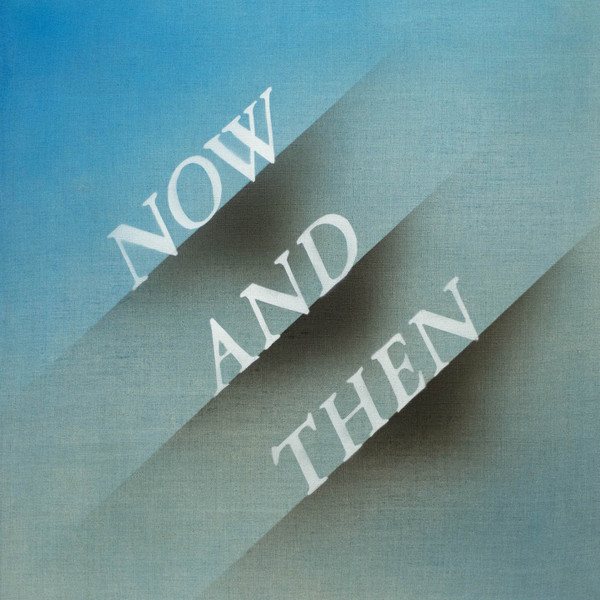
Following months of rumors, the Beatles organization expertly stoked interest in the official reveal of the song—first with a countdown to something, illustrated by an image of a rewinding cassette, then the announcement of the upcoming unveiling of the song, teased with another week-away countdown. Adding it to an upcoming expansion of the Red and Blue albums on CD and LP—despite the fact that it was first conceived after well after the release of an album that had a cutoff of 1970 in its title—was daring, to say the least. All some of us wanted was a simple CD single with the superior 2015 mixes of “Free As A Bird” and “Real Love” that smoothed out some of the Jeff Lynne bombast and enhanced John’s voice further. Instead, the announced single was to be available in a variety of vinyl variants, and even on cassette, all backed with yet another appearance of “Love Me Do” (the original single version with Ringo on drums) with the idea that their last song should only be accompanied by their first song. The cover art was minimalist—some said half-assed—and only slightly alluded to the cover art of the Red and Blue albums, lining up with the balcony on each. (A CD single containing the two songs was finally announced for purchase exclusively via The Beatles Store a day before the final countdown completed.)

The release date was bracketed by two new films, unleashed the day before and after the song premiered. First came a 12-minute documentary telling the story of the song’s evolution, loaded with lots of old footage and shots of the Threetles working together in 1995. Seeing a later clip of George in the context of his passing was poignant on its own, but then we came to the revelation of what Jackson’s technology accomplished, and there it was: John’s voice, loud and clearer than ever, isolated and bare. The world lost a lot when we lost John, but we’ll never get over the loss of that voice—that voice—arguably the greatest, most influential voice in rock ‘n roll.

Peter Jackson’s commissioned promo video for the song hit all the right spots, melding familiar and truly rare footage, while touching on familiar images. Some of the manipulation bordered on corny, but the overall theme was the power of memory and the place the Beatles have in ours, and undoubtedly each other’s. He said he wanted to celebrate their irreverence and humor as well as tug the heartstrings, and he succeeded. Our favorite moment is from 3:03 to 3:07; look for it. As George said himself in Anthology, “God, we had fun in those days.” (It has been pointed out that this was Jackson’s shortest film ever, unless you count the Get Back preview from December 2020.)

Despite what we presume are Paul’s contributions to the finished song’s structure, “Now And Then” still isn’t any great shakes. There’s a mournful overtone to it—too bad John didn’t leave any unfinished rockers behind—and the sad, dull lyrics have us wondering what was going on with Yoko when they came to him. (Surely he wasn’t really singing about Paul, or the Beatles, as has been surmised?) Outside of That Voice, the track only soars on the middle eights and the instrumental break. But if you liked “Free As A Bird” and “Real Love”, it completes the suite. Paul’s piano matches John’s template, Ringo’s drums are spot-on as ever, and while we can hear George’s rhythmic strumming here and there, knowing he didn’t play the solo deepens his loss. Paul counts in the track, and Ringo is heard saying “good one” just as it ends. The strings are subtle and therefore effective, while the manipulated backing vocals fill in the spaces without being parodic. We half expected it to end on a resolved major chord, but even that would be too much. Although just over four minutes long, it seems to end too quickly. But it’s still historic just for what it is, and we really like it a lot, even after dozens of plays. Considering over 25 years passed between the band’s breakup and the Anthology project, and even more time passed between that and the completion of this song, how can this music continue to seem so, well, timeless? That its official B-side is over 60 years old is just insane.

The Beatles story contains so many what-ifs. John’s murder made a lot of things impossible. But thanks to Paul and Ringo, both over 80 years old, with the blessings and encouragement of Olivia and Dhani Harrison, Sean Lennon, and Yoko Ono, those four guys continued to share their magic, their gifts with us all. Wherever John and George are now, they should be very pleased.

Friday, October 6, 2023

Pretenders 15: Relentless

The latest version of Chrissie Hynde’s Pretenders does have something in common with the most recent albums under that name—namely, main foil James Walbourne, who plays lots of guitar, some of the bass, and several keyboards. Relentless was written entirely by the pair, and has proved to be divisive throughout all the reviews we’ve read, from glowing to disgusted. (And Martin Chambers is nowhere to be heard.)

The first three tracks deliver on the album title. “Losing My Sense Of Taste” does sport some shimmering guitar tones that recall James Honeyman-Scott, but is otherwise a piledriver. “A Love” finds another retro tone but stays in the same tempo and mood, then “Domestic Silence” is a trudge with Hammond organ and surprising harmonies. The lost love tale of “The Copa” finally provides a quieter respite, somewhere between Tex-Mex, surf music, and ‘60s chanteuse, and the melancholy continues on “The Promise Of Love”, driven by piano with a prominent organ. She’s still brooding on “Merry Widow”, which sports a guitar part and mood change right out of Robert Plant’s Sensational Space Shifters.

“Let The Sun Come In” is a good distillation of “Up The Neck” with a cool riff to boot for the verses, and a chorus that goes somewhere else entirely. “Look Away” is another lowkey beatnik tune with thudding drums, which go on beating slowly for “Your House Is On Fire”, which actually rhymes “see ya” with “wouldn’t want to be ya” in its chorus. “Just Let It Go” is the album’s epic but one, with a keening chorus, weeping guitars, and buzzsaw electric solos. There’s a cool chordy riff for most of “Vainglorious”, but there’s also an annoying seagull effect that undermines the entire track. Compare that effect to the looped-sounding strings on “I Think About You Daily”, a collaboration with Radiohead’s Jonny Greenwood that sounds like nothing else on the album.

As we’ve tried to convey, Relentless is all over the place musically. There are good songs in here, and she’s still in incredible voice. It just makes it above the Mendoza line.

To support the album, Chrissie and Walbourne brought his brother on drums and another guy on bass on a theater tour in 2024, which was commemorated a year later on the self-released double live Kick ‘Em Where It Hurts! It delivers nice and loud renditions of some of the recent tunes, which shine in this context, along with a handful from the first three albums way back when. The slow ones aren’t as loud, but are still welcome.

Pretenders Relentless (2023)—3
Pretenders
Kick ‘Em Where It Hurts! (2025)—

Friday, August 11, 2023

Neil Young 69: Chrome Dreams

If you’ve read this far, you would be aware that lost or otherwise abandoned albums dot Neil Young’s career. Depending on whom you believe, Chrome Dreams was either a work in progress that made it to an acetate or a full-fledged album that was yanked at the last minute in favor of American Stars ‘N Bars. At any rate, the acetate was bootlegged sometime in the ‘90s, becoming one of those “why the hell did he bury this?” touchstones for fans.

Some 46 years after its original sequencing, he put it out as part of his Archives’ Special Release Series. At fifty minutes, it’s longer than most contemporary Neil albums, which averaged 35 in those days. Selected from sessions stretching over two and a half years, it’s just as much of a mixed bag as the album that did come out, and just as down as Homegrown was, which was supposedly why he didn’t put that out. Up until the appearances of Hitchhiker and Archives Vol. II, half of the tracks were unique alternate versions to standard ones that were eventually released. So while the album has become slightly redundant at this late date, it’s still arguably superior to Stars ‘N Bars.

The unadorned “Pocahontas” starts us off, just as it did Hitchhiker, followed by the canon versions of “Will To Love” (for a real mindwarp), “Star Of Bethlehem” (which of course was part of Homegrown), and “Like A Hurricane” (to blow your ears out); these three were also on side two of Stars ‘N Bars, but with the first two swapped in order. “Too Far Gone” comes from the Zuma sessions, as delivered on Archives Vol. II, played by Neil with Poncho Sampedro on mandolin in an identical if more delicate arrangement than the one that would finally turn up on Freedom a decade later.

“Hold Back The Tears” is a wholly different recording finally making its official appearance. It’s a lot starker than the Stars ‘N Bars take, with Neil’s own harmonies and overdubs as well as an extra verse making it superior. The familiar Crazy Horse trash version of “Homegrown” is followed by “Captain Kennedy”, of all things, which was part of Hitchhiker and had first snuck out on Hawks & Doves. The piano-based “Stringman” was recorded live in London with overdubs added later, and is beautiful (which made it so welcome on Unplugged, and on Archives Vol. II). “Sedan Delivery” is another terrific surprise. An earlier take with Crazy Horse, it’s still loud but slower, with only one unchanging tempo compared to the stop-start of the established arrangement, but it’s almost more punk, with extra words, too. “Powderfinger” is the acoustic one from Hitchhiker, twice as paranoid as the one we know and just as effective, and it all ends with the Comes A Time take of “Look Out For My Love”.

Chrome Dreams is a hell of an album, and an intriguing demonstration of album sequencing. Had it come out back then it likely would have confused people and sold poorly, and just as likely be heralded today. It would also have irrevocably changed the course of time, as we would then live in a world that never had Comes A Time or Rust Never Sleeps. Hearing all these alternate versions for the first time was game-changing, to be sure. For all its retroactive redundancy, it still deserves to be heard, if only for “Hold Back The Tears” and “Sedan Delivery”. (Footnotes: The original drawing that allegedly inspired the album title was lost in a warehouse fire, but fate managed to provide artwork of a similar vintage by none other than Ron Wood for this official release. Also, the album straddles his second and third Archives volumes, making organizing and navigating even crazier.)

Neil Young Chrome Dreams (2023)—

Tuesday, August 8, 2023

Cat Stevens 17: King Of A Land

By now Yusuf had become very reconciled with his former role, making the occasional public appearance, spearheading 50th anniversary deluxe editions of his ‘70s albums, and in one case, re-recording and reclaiming it. There was still enough turmoil in the world to comment upon, and once he had an album’s worth of songs, he and longtime producer Paul Samwell-Smith got to recording them. Once again credited to his two most recent monikers, King Of A Land covers a breadth of styles, expected and unexpected, with sweet storybook-style illustrations throughout. (It was also distributed by the recently relaunched Dark Horse label, under the direction of George Harrison’s son, and we see a connection between those legendary seekers for the first time.)

With its horns and tinkling harpsichord, “Train On A Hill” has something of a fairy tale feel, but it’s very much a modern, simple response to “Peace Train”. The title track continues the child-like tone, with expository advice nicely timed with the ascendancy of Charles III to the British throne. This makes the Skynryd-style riffing on “Pagan Run” all the more shocking, since the Cat had never rocked this hard. The song—another one about being saved from damnation—mostly avoids country-rock, until the slide guitar one would expect on a track featuring Russ Kunkel on drums. “He Is True” is a brief meditation in a quieter arrangement, but the twang comes back on “All Nights, All Days”, which sports some very Harrison-like slide guitars and mandolins. The jaunty instrumentation of “Another Night In The Rain” would seem to be at odds with the seemingly down-on-his-luck narrator, except that the choruses show the glass as half full.

“Things” is very much in the mode of his earlier work, but with a much more overt religious message. Even more overt is “Son Of Mary”, which retells the story of Jesus framed by simple choruses comforting his worried mother. The equally pious “Highness” is dominated by a throaty gospel choir, and the mix works somehow. “The Boy Who Knew How To Climb Walls” would appear to be another parable, except that his cracking voice drips with sadness over the effects of war, and it’s heartbreaking. The same voice remains on “How Good It Feels”, which takes a while to get to its point—twice via a quote from Tchaikovsky’s “Swan Lake”, happily with no Dracula overtones—and it’s worth it. The closing “Take The World Apart” is just plain jaunty, a cross between the Magic Garden closing theme and his own “If You Want To Sing Out, Sing Out”.

While it lands all over the place, King Of A Land is ultimately rewarding. Unless you can’t stand the guy, it’s impossible to hear without smiling.

Yusuf/Cat Stevens King Of A Land (2023)—3

Friday, July 7, 2023

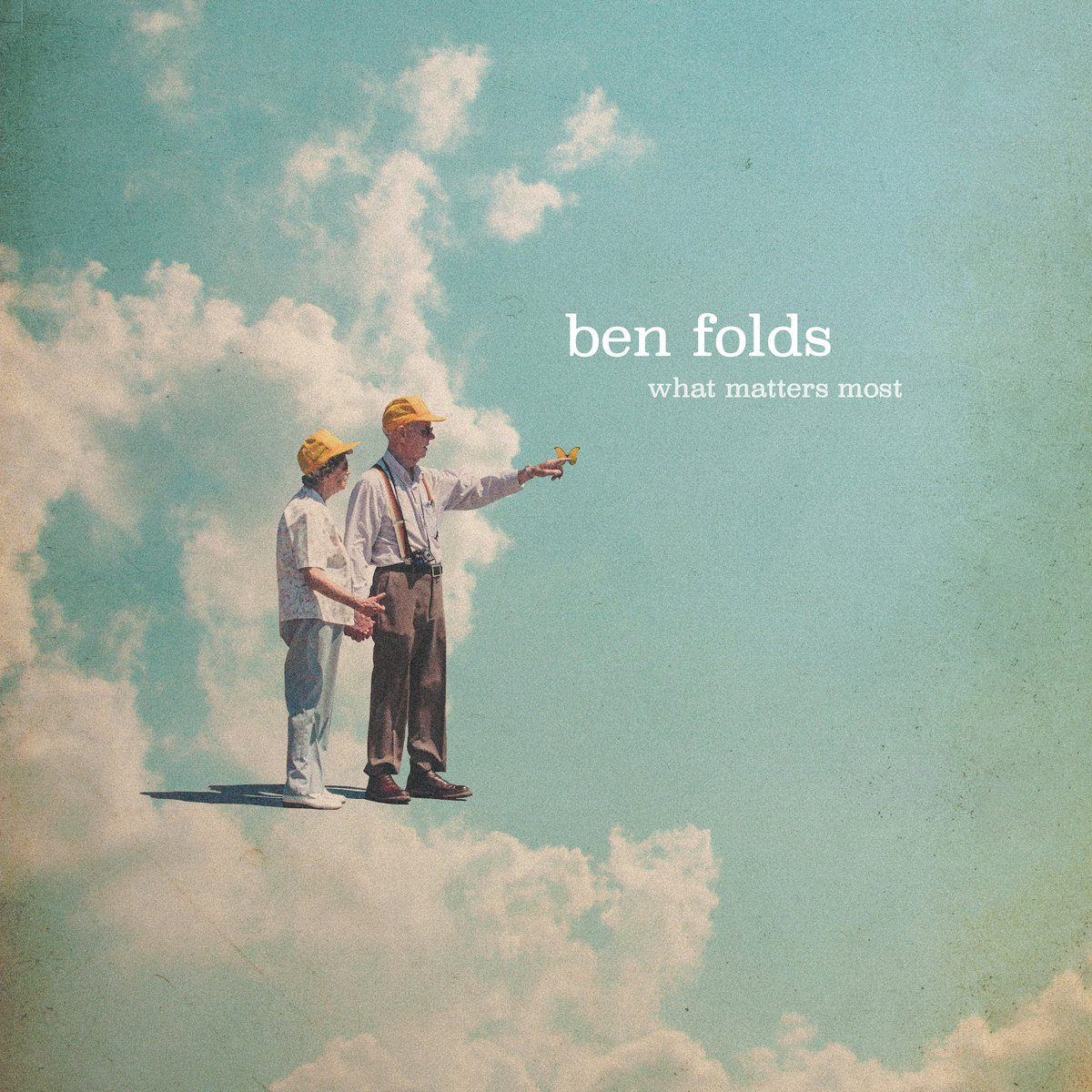
Ben Folds 15: What Matters Most

Since we last heard from Ben Folds, he kept busy, just not in the new music category. He used his powers for good, working with orchestras and schools. He wrote a memoir that focused on the nature of creativity, which led to the launch, during the Covid pandemic, of a podcast discussing creativity further with guests in the entertainment and scientific fields. He used the situation of having to shelter in place to post the occasional video and home concert stream. Somewhere in there he also got married for a fifth time, and eventually came up with enough songs to constitute a new album.

The overall style of What Matters Most is ‘70s pop, with mostly simple instruments and tons of melody, but still sounding fresh. The subject matter is mostly adult-oriented, meaning mature, and reflective of recent times. (Sadly, his one-off song “2020”, which hilariously and profanely summed up life during the pandemic, is not included.)

An extended sequenced keyboard part opens “But Wait, There’s More”, which can’t help but reflect life with Covid, but works as a meditation on the passage of time in general, with lots of wonderful layered harmonies chanting the title repeatedly. “Clouds With Ellipses” is a pretty little piece on the same theme, with YouTube sensation dodie [sic] providing the harmonies here. “Exhausting Lover” is the requisite “naughty” track, this time about a salacious encounter with a younger, shall we say adventurous lady. For his sake we really hope it’s not based on a true story, especially since the track itself is so good. “Fragile” brings the mood back to more serious territory, with a monologue about a narcissistic abuser, with a subtle string section and gentle viola solo. While it may not be strictly classical, the accompaniment to “Kristine From The 7th Grade” is rather stately, while the subject matter will be all too familiar to people who’ve had to cut off contact with Trumpers and science deniers in recent years.

“Back To Anonymous” works on two levels; it’s a realization from a celebrity that’s not necessarily a household name, but it also reflects how face masks brought people to common ground again during Covid. The uncharacteristically jangly “Winslow Gardens” goes back to the beginning of lockdown, and we like to think the odd meter reflects the general unsettledness that had descended in 2020. Following a purposely deceptive prelude, the breakup tale in “Paddleboard Breakup” is incredibly vivid, right down to the weather, with chords that barely modulate over a tempo that ticks like a time bomb, and the twist at the end makes it all even more excruciating. A strident piano opens the title track, which deals with the finality of certain kinds of loss, which “Moments” doubles down to remind us to appreciate what we have while we can. A collaboration with the electronic folk duo Tall Heights, it interestingly recalls his cover of “Such Great Heights” by the Postal Service. (A limited edition expanded CD included three extra tracks: “Happy Clapper”, which sounds like it was inspired by the drum machine effect; another breakup song in “Why Did You Tell Me Everything” that had us hoping against hope that his most recent marriage wasn’t in trouble; and a piano-based interpretation of Roger Miller’s “A Million Years Or So”.)

There seem to be a lot of knotted eyebrows throughout What Matters Most, but we called it a mature album, and it is. The melodies are compelling and haunting, the album is well crafted overall, and various little moments emerge over time to illuminate everything else.

Ben Folds What Matters Most (2023)—

Friday, June 16, 2023

Bob Dylan 69: Shadow Kingdom

Recent years had seen a flurry of Bootleg Series and other archival collections, but Bob Dylan only halted his constant, consistent touring when Covid happened. Still, pushing 80, he didn’t want to stop.

Shadow Kingdom was a hyped online event at the height of the pandemic that turned out to be a film of an alleged live performance with masked musicians supposedly backing him, captured in smoky monochrome. Accordion was the main instrument, along with subtle acoustic and electric guitars, and the setlist came predominantly from the thin, wild mercury period of the mid-‘60s. Two years later, it was made available again for streaming, with a “soundtrack” to match, and no credits for who was actually in the band.

He’s in good voice, playing with the words of “When I Paint My Masterpiece” and enjoying the sentiment of “Most Likely You Go Your Way (And I’ll Go Mine)”. “Queen Jane Approximately” gets a reading as good as the one with the Dead, with a nice harmonica solo too, but “I’ll Be Your Baby Tonight” is nearly rocked-up and doesn’t work, especially lacking a rhythm section. The accordion gives a distinctly south-of-the-border tinge to “Just Like Tom Thumb’s Blues”, while “Tombstone Blues” is given a subdued treatment along the lines of everything on Rough And Rowdy Ways. “To Be Alone With You” shares the structure of the original, but mostly new (to these ears) lyrics that skew towards the twisted.

It's a good setup for the mild menace of “What Was It You Wanted?”, which is in stark contrast to the near-chamber pop of “Forever Young” with what sounds like a harpsichord. “Pledging My Time” is a welcome surprise—interesting that he uses the published lyrics for the “hobo” verse rather than what he sang on the original track—as is “The Wicked Messenger”, which has a more fleshed-out arrangement. “Watching The River Flow” also gets a few alterations but still upbeat, but while “It’s All Over Now, Baby Blue” is also stripped down like the last album, it’s also goes by so quickly we had to go back to hear if he skipped a verse. (He didn’t.) The final four minutes are given over to “Sierra’s Theme”, a two-chord minor key instrumental others have compared to “All Along The Watchtower”.

Any Dylan concert is a crapshoot, since one never knows what kind of mood or voice he’ll be in. Shadow Kingdom is an intimate evening with Bob, equal parts greatest hits and new interpretations, flowing neatly from song to song with nary a break. Besides being his first new live album since 1995, it’s a nice reminder that when he’s good, he’s very, very good.

Bob Dylan Shadow Kingdom (2023)—