Showing posts with label paul mccartney. Show all posts

Friday, June 26, 2026

Paul McCartney 40: The Boys Of Dungeon Lane

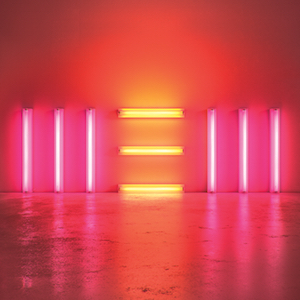
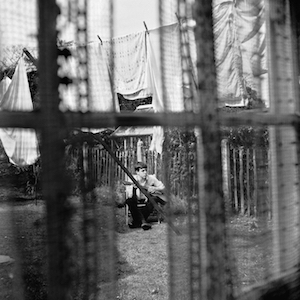
History has shown that the time Paul McCartney spends making an album is no indication of the subsequent quality. His pace has slowed since the busy ‘70s and first half of the ‘80s, so now a five-year gap isn’t that big a deal between releases. Besides, he’s gotta slot all those colored vinyl variations of albums that have already been reissued into the schedule.

For most of this century he’s eschewed the band that still tours with him since they recorded Driving Rain together, preferring to work with young hip producers who can help him do it all himself. For The Boys Of Dungeon Lane, instead of relying on a pool, he chose Andrew Watt, whom he supposedly recommended to the Rolling Stones, who managed to get two albums out of that collaboration. Much has been made about the theme of looking back, from the title to the packaging and many of the lyrics, but that’s not the only thing going on. (Consider also that “Now And Then” was finally completed while this album was being formulated.)

“As You Lie There” begins with a guitar part that’s coincidentally close to an Andy Summers and Robert Fripp collaboration. The spoken sections put the song in a creepy light that the more rockin’ parts dispel. Mostly it’s odd to think of one of the most famous men in the world still wondering if someone he had a crush on as a teen ever thinks about him. Apparently “Lost Horizon” was started, abandoned, and forgotten decades ago, and it’s fine, but would work better onstage if he sped it up a bit. The lead track, “Days We Left Behind”, got a lot of notice for its gentle acoustic sound and heart-tugging content. While it’s not new territory for him—three straight songs on New addressed the same ideas—it is a lovely tune, and tugs the right strings. The poppiest song is “Ripples In A Pond”, an unabashed love song like he hasn’t done in years, but then there’s “Mountain Top”, wherein he’s chatting up a fellow sun-kissed festival-goer. The music revs up apparently when their gummies kick in, giving an image of grandpa skeeving on girls one quarter his age. “Down South” is a rewrite of “Confidante”, musically but not quite lyrically; the earlier song was a guitar, and this one looks back at hitchhiking with George or John. It’s short and simple, whereas “We Two” returns to romantic ruminating. Then, right at the halfway point of the album, we’re treated to the sound of tape rewinding.

“Come Inside” isn’t the most convincing heavy-sounding track, especially as it conjures memories of Egypt Station, but amid the fuzzy guitars are terrifically pounded and tickled acoustic and electric pianos. “Never Know” would seem to be cut from similar cloth as “We Two”, but the little touches in the chorus and especially the recorder solo that heralds the drums for the coda are ultimately rewarding. Ringo Starr appears on a Paul album for the first time in almost thirty years for “Home To Us”, a charming rocker—again, about the old days—built around his drums and an actual duet. Sure, it’s cheesy, but they sound terrific together and we just can’t help grinning, even with the addition of Chrissie Hynde and Sharleen Spiteri on extra vocals. “Life Can Be Hard” has him teetering at the top of his register, which somehow works in tandem with the old-fashioned clarinet arrangement. A truly hidden gem is “First Star Of The Night”, another gentle acoustic pick-and-strum inspired by rain on a vacation, with the slightest embellishments. The retro sound, along with a Spanish-sounding trumpet and swing horns, returns to dominate “Salesman Saint”, another look back at his childhood with clever time juxtapositions adding to the dreamlike memory feel. It’s a pointed juxtaposition with the big finale. “Momma Gets By” is a melancholy portrait of another struggling family, but as observed by a child. Unless that’s supposed to be young Mary’s observations from mid-1970, it’s striking imagery, heartrendingly orchestrated, and wholly unexpected.

And there it ends—no joke or afterthought like “Her Majesty”, “Crossroads Theme”, “Cosmically Conscious”, “Nod Your Head”, “I’ve Only Got Two Hands”, etc. Fourteen songs in 47 minutes may seem like a lot, but the album never feels overlong or padded. What makes The Boys Of Dungeon Lane succeed is that, as we’ve tried to point out, every track has a hook that elevates it, making even the more ordinary ones worth hearing. The production is excellent; Watt plays a few instruments, and another guy does the trumpet, but the album does not have the one-man band vibe, even when we know Paul’s doing just about everything else. Basically, the old man’s still got it.

Paul McCartney The Boys Of Dungeon Lane (2026)—

Friday, November 21, 2025

Paul McCartney 39: Wings and Man On The Run

Roughly a quarter-century after the last time he undertook a look back to the band he and Linda formed after the Beatles broke up, Paul McCartney presided over a biography of Wings, tied in with a feature-length film. While this would have been the perfect occasion to finally issue the overdue Archive Collection editions and expansions of London Town and Back To The Egg, he decided people would want a double-disc anthology of previously released Wings music instead. Those who bought the Blu-ray version would have likely done so for the Atmos mixes, but beyond that, Wings is another Spotify playlist in a physical format. (A pointless single disc with a dozen songs was also offered.)

For the first time, unlike Wings Greatest and Wingspan, nothing credited to Paul outside of Wings was included. It does repeat songs already collected on those, as well as All The Best! and Pure McCartney, which means all the hits and a few deep cuts from every Wings album—even the bad ones—with the only rarity being the runthrough of “Soily” from One Hand Clapping, chosen over the frankly phenomenal one from Wings Over America. In fact, none of the live work by any incarnation of the band is included. A few songs make their first remastered appearance in this century, like Denny Laine’s showcase “Deliver Your Children”, “I’ve Had Enough” and the title track from London Town, and “Getting Closer” from Back To The Egg. Those sport a copyright date of 2022, suggesting that just maybe those albums are just waiting for someone to give the okay already?

As an overview of the band, and what he hoped to achieve by forming it and sticking with it until it served its purpose, Wings works. There was some excellent music created over those nine or so years, and other people besides McCartney helped make it memorable. If new fans get to hear it and learn from it, that’s great. But for the rest of us, this was yet another missed opportunity to provide some real gems, instead of more of the same.

The Man On The Run film (also the title of an unauthorized biography published in 2014) was basically an update of the earlier Wingspan documentary, with the added bonus of insight from some of the other players. Longtime fans weren’t surprised with any real revelations—though the footage was terrific—nor should they have been surprised that, only months later, there would be a companion soundtrack album. It wasn’t comprehensive, filling up only two LP sides.

Since the film was about his life in the ‘70s as a whole, some non-Wings tracks were included, along with repeats of “Band On The Run”, “Mull Of Kintyre”, and “Let Me Roll It” from Wings. The previously issued demo of “Silly Love Songs” opens the album as it does the film, but hold and below, three tracks appeared for the first time ever on an official album. “Gotta Sing Gotta Dance” was the cringey tapdance number from his 1973 TV special; without the visuals it sounds like an outtake from a Mel Brooks movie. “Live And Let Die” was the live performance as seen in the Rockshow film, and different from the version on Wings Over America. The biggest surprise was the rough mix (no horns, and a scratch vocal in their place) of “Arrow Through Me”, further rankling those of us who kept pestering his PR team to release those missing Archive Collections already. While the album runs mostly chronologically, and certainly enjoyable, it’s awfully brief, and little more than a cash grab from people collecting vinyl variations.

Wings Wings (2025)—
Paul McCartney
Man On The Run – Music From The Motion Picture Soundtrack (2026)—

Friday, June 21, 2024

Paul McCartney 38: One Hand Clapping

In 1974, it was safe to say that Paul McCartney had recaptured the stature that had been lost since he announced he was leaving the Beatles. His fifth album was a smash hit, and he was able to replenish the Wings lineup with lead guitarist Jimmy McCulloch and drummer Geoff Britton with an eye on getting back on the road. Having just recorded the soon-to-be hit single “Junior’s Farm”, and not quite ready to start on the next album, the band went into Abbey Road Studios for a few days to be filmed, in conversation and performing songs destined for their live shows, for a TV special to be titled One Hand Clapping. And like similar projects Paul started in the ‘70s, it was completed and promptly shelved. (For one reason, Geoff Britton barely lasted past the end of the year, given personal conflicts with members not surnamed McCartney.)

As would often happen, the audio and visuals were widely bootlegged over the years. It wasn’t until the second decade of this century that Paul officially released any of it, with some songs parceled out to bonus discs in various Archive Collection reissues, and the full film in grainy quality on the DVD in the 2010 edition of Band On The Run. Fourteen years later, that album was expanded for the umpteenth time for its 50th anniversary with a rough mix of the album in an alternate sequence without orchestrations. Then a few months after that, One Hand Clapping was finally released as an official album, remastered from the original multitracks, without the dialogue that was alternately pompous, drunk, or tedious.

The title track—or theme song, if you will—isn’t much more than a simple jam, but from there, the band goes through some very good selections from the catalog, some of which would soon be making their onstage debuts. “Jet” is always terrific, and “Soily” is very close to how it would sound in 1976. After the strange medley of “C Moon” and “Little Woman Love”, “Maybe I’m Amazed” isn’t there yet, but would always sound better on a grand piano than the electric piano used here. The film only had a snippet of “My Love”; here we get the full take, with orchestra added, Jimmy almost copping his almost-namesake Henry McCullough’s solo. “Bluebird” is slightly more electric, and Howie Casey comes in to play his sax part.

One segment of the film showed Paul in tie and tails playing solo at the (grand) piano; these included brief renditions of “Let’s Love”, which he wrote for Peggy Lee, the otherwise unreleased “All Of You”, and even “I’ll Give You A Ring”, which would emerge as a B-side in 1982. Both “Band On The Run” and “Live And Let Die” get a boost from the overdubbed orchestra, and we should mention somewhere that Linda knows her keyboard parts well. “Nineteen Hundred And Eighty Five” [sic] would not make it to a live setlist until well after that year, but this partially karaoke’d version over the album track is still pretty cool. McCartney favorite “Baby Face”, from the piano segment and with horns added in New Orleans, accompanies what would be the credits if you were watching instead of listening.

Of course there were plenty of other songs recorded during the course of the project, and the second disc of the set includes a pile of those, including some that hadn’t been bootlegged. “Let Me Roll It” would go on to be played on nearly every McCartney tour going forward to this day. “Blue Moon Of Kentucky” was in the Wings set before they had enough of their own songs, and here gives Denny Laine a chance to shine on harmonica. (He also gets to do “Go Now” towards the end of the disc.) “Junior’s Farm” and “Hi, Hi, Hi” each pack a wallop, but “Wild Life” would be thankfully retired.

More bits from Paul’s solo segment include “Power Cut” (of all things) on organ, upcoming B-side “Sally G” on acoustic, the seemingly impromptu “Love My Baby” on celeste, “Let It Be” on harmonium, and a verse each of “The Long And Winding Road” and “Lady Madonna” on piano. Most striking perhaps is a slow, torchy run through “Tomorrow”.

Another portion of the filming had Paul playing acoustic in the garden behind the studio, for a featurette titled The Backyard. This too had been bootlegged, but in the end eleven minutes of the performance were included only on a 7-inch shipped with the vinyl version of the album ordered direct from his official online store. Especially irritating is that there was plenty of room for it—and then some—on the second CD. At any rate, he plays the inscrutable “Blackpool”, “Blackbird”, “Country Dreamer”, and three covers: “Twenty Flight Rock”, and Buddy Holly’s “Peggy Sue” and “I’m Gonna Love You Too”. (This portion was made available for streaming about a month after the album’s release.)

Still, One Hand Clapping is a fascinating look at a brief stage of McCartney’s career. Given the prolonged, inexplicable absence of two later Wings albums from expansion, it makes for a nice tribute to Denny, who died in December 2023. (The album was also dedicated to the memories of Linda, Jimmy, and engineer Geoff Emerick.)

Paul McCartney & Wings One Hand Clapping (2024)—

Friday, December 25, 2020

Paul McCartney 37: McCartney III

Never one to miss an opportunity to be musical, Paul McCartney emerged from the Covid-19 lockdown (or “rockdown”, as he called it) with enough material recorded in isolation to comprise McCartney III. Like its predecessors, it was performed in its entirety all by himself.

Technology has obviously come a long way in the decades since the more primitive approach of the first two installments. Most of the albums he’s put out this century have been largely one-man band operations, so this album isn’t too far removed from Chaos And Creation In The Backyard, Memory Almost Full, or New. But by doing everything himself save the engineering, he can always fall back on the insistence that it was never designed as an album in the first place. Maybe that’s why the album is as good as it is. (In a nice touch, the album is dedicated to the recently departed Eddie Klein, an Abbey Road veteran who worked on the first post-Beatle albums by John and George, and went on to build the home studio that Paul’s used since 1985.)

“Long Tailed Winter Bird” takes the most basic acoustic guitar riff and builds a five-minute jam out of it, for something of an extended overture. The first real song is “Find My Way”, the tossed-off verses well-balanced by the more melodic choruses, and a nice false ending too. “Pretty Boys” is another rewrite of “Early Days”, but this time focusing on young male models for some reason. A piano drives “Women And Wives”, which he repeatedly said was influenced by the vocal style of Leadbelly; it’s good that he’s finally exploring the lower end of his increasingly limited range. On paper “Lavatory Lil” screams embarrassment, and most listeners think they know which ex-wife is the inspiration, but the damn thing chugs. At over eight-and-a-half minutes, one would expect “Deep Deep Feeling” to wear out its welcome, yet it’s a wonderful showcase for his unquestionable prowess on guitar, bass, and piano, and the drums aren’t bad neither.

Placed earlier on the vinyl to better even out the two sides, “Slidin’” gets its riff from a soundcheck jam from a few years previous; indeed Rusty Anderson and Abe Laboriel Jr. are credited indirectly in the notes. It’s a good rocker that nicely finds lyrics to match the suggestion of the title. “The Kiss Of Venus” recalls “Two Magpies” from the third Fireman album, and introduces a harpsichord to match his rough vocal. (This is what we mean by suggesting he try not to hit those old high notes.) “Seize The Day” seems to be most inspired by the state of the world mid-pandemic, and it turns out to be one of his better anthems, helped by the more personal bridge. If anything, “Deep Down” is the closest the album comes to “Kreen-Akrore” or “Darkroom”. Along with the recurring “deep” in the title, it’s a half-decent groove that is underdeveloped and beaten into the ground. One of our correspondents suggested that he’s a little too old to be concerned with “partying”, and in this context we’d agree. The “Winter Bird” riff resurfaces to usher in “When Winter Comes”, brought out of mothballs from the same George Martin-helmed session that gave us “Calico Skies” and “Great Day”. (Naturally, nothing is simple anymore, as the album was released in a dizzying quantity of colored vinyl pressings and cover variations. Meanwhile, Japan got four bonus tracks in the form of three alternate versions plus the original jam that begat “Slidin’”.)

Not as homespun as McCartney, nor as experimental as McCartney II, McCartney III was nonetheless a welcome visitor at the end of a very trying calendar year. We would suggest that unless he intends to record with his band again, all future new albums should be prepared with only input from his immediate family and any resultant offspring not given to sugarcoating, even for a man pushing 80. (We’d also accept a completely stripped down acoustic guitar or piano album, maybe produced by Rick Rubin…?)

Of course, he had to go and risk wearing out the album’s welcome by continually reissuing it. Four months after its initial release, McCartney III Imagined presented the album remixed by various modern hip collaborators. A year later, McCartney I II III packaged all three of his numbered solo albums in a box of CDs or two choices of colored vinyl. And a year after that, three further multicolored vinyl options were made available for a limited time. Meanwhile, the Archive Collection program seemed to have ground to a halt.

Paul McCartney McCartney III (2020)—

Friday, July 19, 2019

Paul McCartney 36: Amoeba Gig

Sir Paul has hardly gone into retirement in his advancing years, dedicating lots of time to tours in concentrated chunks, occasionally releasing new material, and revisiting his own catalog at a snail’s pace in direct opposition to what many fans feel he should be doing with it. Where other artists his age have been more organized about how they re-sell their own albums, Paul has gone at it at random, even eschewing vault peeks for straight vinyl releases in different colors. Granted, some of those vinyl releases didn’t come out that way in the first place, but seeing as how a 21st-century vinyl reissue is listed at triple what it would have been originally, there’s gold in them thar hills.

So it was surprising indeed that in a promotion that included multicolored vinyl reissues of Wings Over America, Choba B CCCP, and Paul Is Live—each a “live” release from a different decade—he chose to expand a release that had only been available as a four-song EP. Amoeba’s Secret was recorded at an in-store appearance as part of the promotion for Memory Almost Full, released first as a 12-inch and two years later on CD, then expanded to 12 tracks on the extremely limited Live In Los Angeles freebie CD, and to 14 via his own website. Now dubbed Amoeba Gig, the complete show finally became available on CD; the vinyl got a bonus “Coming Up” from a soundcheck.

So with all that, is the show any good? Oh yes. Such a small venue makes for a nice clean sound, and considering that this is the best band he’s ever employed on his own, the playing is excellent and the recreations masterful. (However, Paul “Wix” Wickens is not to be heard, his place taken by one David Arch.) As for the album he was ostensibly promoting, what became the usual staples are in evidence. “Only Mama Knows” and “Dance Tonight” appear early on, “That Was Me” is extracted from the middle of the “suite”, and “Nod Your Head” is an odd setup for a powerful “House Of Wax”.

The crowd goes nuts for the oldies, of course. The first surprise is “I’ll Follow The Sun”, fleshed out a bit with drums, keyboards, and goofy trick endings, while “The Long And Winding Road” still employs the (albeit toned-down) string arrangement he supposedly loathed. A well-traveled anecdote about “She Loves You” is a wide tangent to “I’ve Got A Feeling”, which has an extended guitar duel for a coda, followed by a blast through “Matchbox”. (Ringo was in the house, but not on the stage, sadly.) His timeworn fakeout of “Baby Face” before “Hey Jude” is about as spontaneous as his exhortations over the last four minutes, but you’d have to have a heart of stone not to be moved when he chokes up during “Here Today”.

Particularly following the hype and ballyhoo surrounding the overrated Egypt Station and its numerous repackagings, Amoeba Gig presents a nice little snapshot of Paul’s live capabilities. It’s also not as time-consuming as Back In The U.S., Good Evening New York City, or the various concert DVDs from other tours of the period.

Paul McCartney Amoeba Gig (2019)—3

Tuesday, September 11, 2018

Paul McCartney 35: Egypt Station

Because he can—and will—play practically any instrument, the novelty of Paul McCartney recording an album all by himself hasn’t been a novelty since the 20th century. Now that technology has made it much easier and faster for him, much of his rock output since the War on Terror has been recorded that way, with the credits mentioning some help from his loyal touring band, but not always being specific.

Egypt Station follows in the one-man-band vein, once again collaborating with a young hot producer of the day whose job is to help him find his way and perhaps rein him in from time to time. This approach worked best on Chaos And Creation In The Backyard, where Nigel Godrich allegedly challenged him repeatedly to strive for substance. Not so here; these days, with the likes of James Corden and Jimmy Fallon fawning all over him to younger audiences, he can get away with being cute.

The old bastard can still find a melody from time to time. The tracks that stand out for us—more so than the one-note upbeat tunes—are slower and piano-based. “I Don’t Know” is an audacious, vulnerable start (following the brief “Opening Station” ambient fanfare of sorts); one must skip halfway through the album to “Hand In Hand” for a similar mood. An exception is “Dominoes”, which rises above its basic elements to be catchy for five minutes. “Do It Now” tries to be inspirational, along with the other social commentary on the album.

Much will be made of “Despite Repeated Warnings”, an allegory in the form of a suite that compares the President Trump era to a pending disaster. “Who Cares” is something of an anti-bullying anthem but addressed more intimately, even when framed by some feedbacky guitar. “People Want Peace” isn’t the most controversial statement he could make, but that’s what happens when it’s 2018 and you can stretch an hour’s worth of music across four sides of vinyl. Like other tracks on the album, it’s a musical echo of “Queenie Eye”. Speaking of which…

While Paul’s not the worst drummer in the world, he’s never been especially inventive at the kit, and his beats can go in circles. But after half a century of creating, some repetition can be forgiven, somewhat. “Happy With You” recalls “Dance Tonight” and “Early Days”, both in acoustic approach and the latter in the way it talks about the past (in this case, the drugs and drinking in which he indulged). The same can be said for “Confidante”, and while we wanted to speculate whom the subject could be, turns out it’s only his guitar. “Come On To Me” would already be considered a sequel to “Nod Your Head”, if not for the puerile play on pronunciation throughout “Fuh You”, proudly helmed by the singer from OneRepublic, who was born shortly after Back To The Egg came out. Least exciting are “Caesar Rock”, built around another punning syntax, slightly redeemed by his ballsy vocal delivery, and “Back In Brazil”, a strange little story that was likely suggested by the rhythm, almost recalling some of his ‘80s experiments, and not in a good way. These are the most egregious examples of spontaneous lyrics he didn’t bother to improve. A second “Station” interlude would seem to close the program, but for “Hunt You Down/Naked/C-Link”, another apparent stitching of incomplete songs, closed out by a decent guitar solo.

As before, the Target chain got two extra tracks; “Get Started” is a catchy track with lazy lyrics and a stupid ending, while “Nothing For Free” is best summed up by its closing line: “My brain stopped working today.” And then the following spring, because he’s done it for every album since 2007, he put out expanded versions at various price points once the album seemingly stopped selling for good. The so-called “Explorer’s Edition” added a second disc, including the two Target tracks, four live performances, a “full-length” mix of “Who Cares” that adds two minutes of acoustic noodling, and three “new” songs. The goofy “Frank Sinatra’s Party” screams B-side, while “Sixty Second Street” is a pleasant strum given an unnecessary tempo change. “Get Enough”, which snuck out digitally on the first day of 2019, is a ballad with potential cruelly subjected to Autotune in a failed experiment. (The limited “Traveller’s Edition” had all that in a suitcase with the album and extras on vinyl and CD, the album on cassette, and a whole bunch of printed crap.)

As harmless pop, Egypt Station isn’t substantial, nor is it offensively half-assed. That’s been par for his course; we don’t expect much, and he doesn’t completely waste our attention. The promise of a new McCartney album wasn’t always a good thing, but even after a five-year gap, we should be happy he’s given us a distraction in these troubled times. People will love it, and eventually they’ll realize there’s not much here to treasure. He can do way better than this.

Paul McCartney Egypt Station (2018)—
2019 Explorer’s Edition: same as 2018, plus 10 extra tracks

Friday, September 9, 2016

Paul McCartney 34: Pure McCartney

At this point in history it’s a challenge to name any major artist that hasn’t gone through a major catalog overhaul combined with vault excavations. Not even halfway through reissuing each of his post-Beatle albums with bonus tracks and deluxe packages for those who could afford them—and he’s taking his sweet time, unlike Jimmy Page’s warp-speed rehaul of nine Zeppelin albums—Paul McCartney happened upon a Spotify playlist he then decided to sell rather than just publish. Such is life in the modern world.

Pure McCartney is the fourth compilation of his solo work, and the fourth one that doesn’t offer much to the collector who already has the contents five or more times. It’s sold as a two-disc set, a nearly identical four-LP set, and a four-CD set, which goes deep into the catalog, to extents that will vary depending on the listener, and the one we’ll discuss.

There’s no faulting the songs, since disc one starts with “Maybe I’m Amazed”, and continues through some more of the familiar ‘70s tracks, the first wrench being the underappreciated “Warm And Beautiful”, and then a couple of tracks later with “The Song We Were Singing”. This one, which appeared on his first album after the two-year Anthology blitz, fits so well with what’s come before we have to admit that the staffer that devised this playlist either has a good ear or stumbled upon a particularly effective shuffle. It’s more of a stretch to jump up to “Early Days”, from his most recent full-length of this century, but not as nutty as going to “Big Barn Bed”, from forty years before.

From here it’s a grab bag of the usual expected tracks interspersed with some surprises from the post-Wings era; it’s his own damn fault, because he wanted something to replace the Beatles in his frame of reference, and boy, did they. We hear certain album tracks and are surprised by what doesn’t come next; for instance, “Dear Boy” goes not into “Uncle Albert” (though it does appear two songs later) but “Silly Love Songs”. And what’s wrong with that? I’d like to know. Linda permeates the proceedings, which makes sense, since she had been such a prominent figure in his development in those increasing decades. Something tells us wife #3 is okay with that. (But four songs from Ram plus “Another Day” on disc one?)

Everything’s going fine, like a McCartney compilation should, until “Bip Bop” leaps out of the middle of disc two. That’s when you remember that you just bought a Spotify playlist, or could have hooked up your tape deck if your car had one too. Who among us would stick “Calico Skies” between two tracks from Band On The Run, much less the finale and the opener in that order, via “Hi Hi Hi” and “Waterfalls”? Most of these are good songs, but it comes down to personal preference. “Appreciate” was a groaner from the new album, but it’s forgiven by “Sing The Changes” from the last Fireman album. The third disc has the two superstar Motown duets, so one’s tolerance of those can be tempered by such recent joys as “Fine Line”, “Dance Tonight” and “Queenie Eye”, and the Tug Of War gems “Wanderlust” and “Here Today”, but you also have to endure “Girlfriend”, “Press”, and “Pipes Of Peace”. However, we’re fond of “Winedark Open Sea” and “Beautiful Night”, and the set does bring “We All Stand Together” to its first-ever US release.

It doesn’t take a genius to notice that nothing from Flowers In The Dirt, one of his few critical and popular successes from the post-Wings era, was included, and he even admitted that he didn’t want to detract from that album’s upcoming deluxe reissue. Which again begs the question: “Why didn’t you just make a Spotify playlist instead of selling these songs for the umpteenth time?” Because, he’d answer: you pinheads will buy anything I put on the blocks. So we do. And that’s why we’ll endure “Good Times Coming/Feel The Sun”, because there’s no telling when he’ll get around to Press To Play in the Archive series.

Pure McCartney recycles Wings Greatest and All The Best!, but not all of Wingspan. Granted, it had been 15 years since that set, but “Temporary Secretary” hadn’t gained any cred then, so here it is now, setting up “Hope For The Future” from that video game he soundtracked. (Better that than the Rihanna and Kayne tune, right?) The thing is, this guy has recorded so many songs since 1970 that anyone’s version of the best of them will still be pretty damn awesome. We’ve avoided making our own Spotify playlist of our favorites simply to keep him from saying, “I can sell that,” and not even crediting us for including elusive B-sides. But rest assured we’d end with “Singalong Junk”, as opposed to the vocal version that ends the set.

Paul McCartney Pure McCartney (2016)—4

Friday, December 6, 2013

Paul McCartney 33: New

For a man oozing with so much creativity, Paul McCartney’s never been praised for his clever album titles. For every Tug Of War, Band On The Run or even McCartney II there’s such cringe-inducers as Back To The Egg, Memory Almost Full and Kisses On The Bottom. And now, this. It’s a good thing that the quality of any McCartney album doesn’t depend solely on its title, or else we’d have to write off New immediately.

Much was made of how this was his first “rock” album in six years, coming as it did on the heels of Kisses. But that ignores the inspiration that went into creating the Fireman album, and the quality of what came out of it. Another antecedent would be Chaos And Creation In The Backyard, which had one young hot producer at the helm; New has four such names, two of them direct progeny of previous, legendary collaborators.

Interestingly, these young producers deliver sounds that hearken back to decades earlier, whether or not McCartney’s lyrics constantly look back. The charms of “Save Us” have to fight an insistent fuzzy guitar part, and even through the drums sound canned, it’s a catchy opener. “Alligator”, with its pleas for someone to “save me” makes a redundant choice to put next, but it’s soon forgotten. As with his last “rock” album, he takes the opportunity to evoke his own past, covertly in “On My Way To Work” (sung from the point of view of the same bus in “A Day In The Life”) and overtly in “Early Days”. In the middle is “Queenie Eye”, another jaunty track with a seemingly nonsense lyric that is so irresistibly catchy you can’t help shake your head and smile. The title track incorporates a “Penny Lane” march in something of an homage, likely unintentional, to The Rutles’ “Doubleback Alley”.

The second half of the album has a more unpredictable sound. “Appreciate” takes a few plays to, well, appreciate, mixing his ‘80s tendencies with modern touches. “Everybody Out There” is a strange cousin to “Mrs. Vandebilt” musically—it’s not a stretch to imagine Linda happily yelling “hey” at all the right spots—if the lyrics are a bit forced. Built on drones and loops, “Hosanna” is basically a one-man operation that sounds like it took as long to write as it did to record; here it serves as a palette cleanser before the more upbeat if unsubstantial “I Can Bet” and “Looking At Her”, which sounds a lot longer than it is. With an intro that brings to mind “It’s Raining Men” when it returns for its crescendo, “Road” doesn’t have quite enough drama for a finale.

But in this era of “deluxe” editions around the world, which add various bonuses, whether audio, visual or tchotchke, to a “standard” edition, it was a moot argument. Most McCartney fans would have gone for any of the packages that added more music anyway. “Turned Out” sounds halfway between an early-‘80s George Harrison track and a late ‘80s McCartney track, and would have made a decent B-side if bonus tracks hadn’t made them obsolete. “Get Me Out Of Here” is an innocuous little strum, making reference to the celebrity reality show of the same name. (Another track, the more experimental “Struggle”, only came out in Japan.) Unlisted on the cover of any edition but indexed separately is “Scared”—not a John Lennon solo cover, but a show of vulnerability with a suitably frightened piano part. It makes for a sobering end. (All those, plus two other outtakes and four live versions, were included on a second disc in the New: Collector’s Edition a year later, along with a DVD containing videos and a documentary about the making of the album and subsequent promotion. Both of the outtakes were piano-driven; “Hell To Pay” is laden with tense strings to match its miffed tone, while “Demons Dance” is a one-man band concoction not too far from “Flaming Pie” but less inspired.)

No matter what anyone tries to say, New is not a grand statement, or even one of his more important albums. It is, however, proof that for all his talents and hobbies, Paul McCartney still gets a kick out of making records. A few of these songs will likely appear in the slightly modified setlist of his next handful of concerts, and they’ll be replaced with whatever he chooses to include from his next album.

So it’s just his New album. Long may he run.

Paul McCartney New (2013)—3
2014 Collector’s Edition: same as 2013, plus 9 extra tracks (and DVD)

Wednesday, March 21, 2012

Paul McCartney 32: Kisses On The Bottom

This late into his career, whenever Paul McCartney puts out a new album, the jokes write themselves. More so than with Ringo, who admits to recording with “anyone who rings his doorbell”, explaining why he’s been just as prolific as Paul since the turn of the century. But this time Ringo can say he had the idea of doing a standards album first. Paul’s well aware of that precedence, which probably has something to do with why he waited 42 years to do his own.

Let’s get this out of the way now: the title is stupid, and we don’t care that Kisses On The Bottom comes from the lyrics of one of the songs he’s covering. He’s not fooling anyone, and it should be no surprise that the Cute Beatle is a dirty old man.

The album at least tries to avoid the obvious song choices, especially since Rod Stewart attempted to corner the market with five CDs and counting of music from the pre-rock era. Maybe Paul was intimidated singing through vintage mikes, as unfortunately his hushed delivery sounds too much like Rod sometimes. He sings much of the album like he’s trying not to wake slumbering guests.

Luckily, arranger Diana Krall’s encyclopedic knowledge of the material, along with a sympathetic combo backing him, makes it worth more than a few spins. “Home (When Shadows Fall)” and “More I Cannot Wish You” are truly lovely. “Always” and “Bye Bye Blackbird”—the latter with a wonderfully lush intro that shames Ringo’s version—are given gorgeous treatments worthy of Sinatra records. “My Very Good Friend The Milkman” is silly without being too sugary, and “Ac-Cent-Tchu-Ate The Positive” is sung at full voice, so it works too. (“Get Yourself Another Fool” isn’t as effective, and it’s surprising that he says he hadn’t heard it before. We suspect the suggestion came from Diana’s husband Elvis Costello, who does a great version of it cribbed from a Sam Cooke album.) “Inch Worm” was previously foisted on Mary Hopkin; here we’re reminded that this nearly 70-year-old man has a daughter in grade school.

He does depart from the trend by adding some songs of his own. Eric Clapton’s guitar is thankfully pulled back on “My Valentine”, overtly inspired by Paul’s third wife. Stevie Wonder returns on harmonica to color “Only Our Hearts”, a sneaky little gem of a song that closes the album. (This age of iTunes bonus tracks and Target exclusives provides two more tracks, one being a remake of his own “Baby’s Request”, the saloon song that closes Back To The Egg. And by year’s end, a digital-only rerelease subtitled Complete Kisses added those plus a recording of “The Christmas Song (Chestnuts Roasting On An Open Fire)” and the audio of the livestream of the performance of the album, which was released separately as DVD.)

Kisses On The Bottom is a vanity project, fitting with his current work mode of creating when he can, touring when it fits his custody agreement, and recording albums with a good balance of no fuss and high quality. It’s not likely to stand out on any ten best list, nor will it oust the top of anyone’s all-time favorite McCartney albums. (But it’s certain to get more plays than Ocean’s Kingdom, his ballet score from the previous fall.)

Paul McCartney Kisses On The Bottom (2012)—3

Friday, March 25, 2011

Paul McCartney 31: Good Evening New York City

Come the 21st century, Paul was more likely to put out a commemorative DVD after each tour, complete with lots of top-heavy cheesecake in between all the thumb-flashing, gushing accolades from celebrities and performance footage. Being the first concert held at the replacement for Shea Stadium, Good Evening New York City was considered worthy of a CD release, sporting both his great band and several repeats from his last live album. (The Best Buy DVD version includes the concert itself as well as his rooftop appearance for the David Letterman show.)

We know Paul’s awfully fond of Band On The Run, since not only do we get a fourth take of “Let Me Roll It” (of all things), he’s decided to add “Mrs. Vandebilt” to the set. A Wings song never tried live before 2008, it only makes us wish he’d pull other nuggets out of that catalog once in a while. At least “Let Me Roll It” gets an extended coda based on Hendrix’s “Foxey Lady”. (Paul knew him, of course.) “Dance Tonight” doesn’t quite translate to the stadium setting, but “Calico Skies” is nicely fleshed out from the album track. It is truly baffling that after all this time, and inclusion on each of his official deluxe live albums, that Paul loves playing “Live And Let Die”, if only for the sake of giving the crowd some fireworks.

Of course, most of the program is strictly Beatles. “Back In The USSR” seems oddly sluggish, but it’s more than redeemed by “I’m Down”, famously played at Shea a few blocks away 44 years earlier. It still amazes us how every version of “The Long And Winding Road” he plays sounds so close to the Spector version he professed to hate. John gets two nods, with a choking “Here Today” on the first disc and “A Day In The Life” duct-taped onto “Give Peace A Chance” on the second (the latter stripped of the second half of the traditional “Lennon/McCartney” credit). It’s a nice idea, except it comes off as a hollow singalong. (Paul’s performance may have been inspired by Neil Young, who’d been playing it, and much better, around the same time.) “Something” is his ukulele tribute to George, here in the arrangement well known from the Concert For George. It says a lot that Paul would hold up George’s arrangement for posterity. (And in further deference to his “baby brother”, the solo on “I’ve Got A Feeling” is botched here too.) Unfortunately, we’ll never know what John or George would have said about doing “I Saw Her Standing There” with Billy Joel.

The band, which has been serving him well for the better part of a decade, more than holds up their end of the bargain, not just on the Beatle tracks but on the Fireman songs as well. They know who’s paying their rent, and they’re not about to rock that boat.

After having heard him trot out the same crowd-pleasers several tours (and albums) in a row, some of the later transitions don’t quite translate out of autopilot. He gets the new stuff out of the way early, choosing to pile on favorite after favorite up until the very end, ensuring there’s not a dry eye in the bleachers. Long-suffering fans might want more songs from the recent albums, and he doesn’t play all the bass notes on “Band On The Run”, but c’mon. This 67-year-old bastard can’t be faulted after pushing out a show that tops two and a half hours.

In the end it doesn’t matter. He’s still Paul Freakin’ McCartney, and he doesn’t owe anyone a damn thing. Each of the releases he put out in the first decade of the 21st century were miles ahead of most of what he did in the previous two. It will be a sadder world when he’s not around. (The same goes for Ringo, for that matter.)

Paul McCartney Good Evening New York City (2009)—

Friday, February 18, 2011

Paul McCartney 30: Electric Arguments

Maybe passing the magical age of 64 inspired Paul to keep striking whenever the iron got hot. Whatever the secret, he managed to release new albums at his fastest pace in years. But of course, there was a twist, since his newest one would be released under the Fireman guise, his occasional collaboration with producer Youth. Yet where Strawberries Oceans Ships Forest was an indulgent remix exercise and Rushes was an ambient trance experiment undertaken during Linda’s final weeks, Electric Arguments actually sounds like a McCartney album, for the simple reasons that it has songs—you know, with vocals and lyrics and everything. That alone makes it worthwhile, and certainly a keeper.

Best of all, he nicely stacks the songs at the top of the order. “Nothing Too Much Just Out Of Sight” begins with a sampled harp riff before crashing through in stop time with a sound that fans said recalled “Helter Skelter”. Whether or not he’s as angry as he sounds (most people pointed at his ex-wife) will probably never be known. The brief “Two Magpies” recalls “3 Legs” from Ram, on its way to the glorious “Sing The Changes”. “Travelling Light” is a Mellotron-heavy piece that floats for about four minutes before the “chorus” arrives, and it’s worth the wait.

The mood is interrupted by “Highway”, an overt attempt to rock, and the canned harmonica effect can start to get annoying at this point, but the layered guitars form a strong base. “Light From Your Lighthouse” is another quickie like “Two Magpies”, with a few lines borrowed from “Midnight Special”. While it only goes to a second chord during the choruses, “Sun Is Shining” is still incredibly catchy, and the celebratory “Dance ‘Til We’re High” sounds like one of the best ‘80s songs he could have written.

From there, much of the remaining half is more on the ambient (read: one chord) side, occasionally punctuated by a vocal. “Lifelong Passion” and “Is This Love?” both have mild Indian influences and don’t sound all that different to stand out that much, but at least there’s an attempt to pick up the tempo with “Lovers In A Dream” and “Universal Here, Everlasting Now”. And while “Don’t Stop Running” is listed as being ten minutes, it’s really only five, with three minutes of silence before another Enoesque segment rumbles in from outer space.

He could have very easily gotten away with calling Electric Arguments a McCartney album rather than hiding it behind the Fireman pseudonym. But this way, because we didn’t expect much, we were very impressed, much more so than we might have been otherwise.

The Fireman Electric Arguments (2008)—

Wednesday, February 2, 2011

Paul McCartney 29: Memory Almost Full

In one of his fastest turnarounds in decades, Paul recorded another original classical piece, the churchy Ecce Cor Meum, then boldly left Capitol Records for the first time since 1979, choosing to let Starbucks promote his latest release worldwide. Memory Almost Full is an old/new affair of sorts, being that it completed some tracks he’d started before recording what turned out to be 2005’s excellent Chaos And Creation In The Backyard. The result isn’t bad, but it follows his tradition of including a few cringe-causing moments amidst some new potential classics.

“Dance Tonight” could be one of the latter, a simple happy song he wrote reportedly while watching his young daughter enjoy the noodling on his new mandolin. A little more elaborate is “Ever Present Past”, which always seems to be on the verge of saying something but never quite does. “See Your Sunshine” hearkens back to his early ‘80s pop sound, and for that alone, it seems more like a song for Linda than his current wife, no matter what he insists. A mournful piece for strings brackets “Only Mama Knows”, which seems mostly an excuse to rock and work the word “godforsaken” into the lyrics as much as possible. The gloomy “You Tell Me” acknowledges his age, as will another track to be discussed. “Mr. Bellamy” is downright odd, sung from the points of view of a man (or a cat?) on a ledge and the people watching below. The final minute of the track is given over to a wandering pastiche of piano, acoustic, and clarinet. “Gratitude” has a forced R&B delivery that isn’t very convincing.

Much was made at the time of the suite of songs—not snippets—that, while written and recorded as separate entities, were sequenced in the style of Abbey Road but come off more like those on Red Rose Speedway. (Unlike most of the album, which he played all by himself, four of the five were recorded with his touring band.) “Vintage Clothes” has a nice Beach Boys break in the middle. “That Was Me” is a look back that unfortunately comes off as a little pompous, but it’s replaced by the nicer “Feet In The Clouds”. Suddenly, however, “House Of Wax” revives the classic Wings sound for something of a detour into a horror movie. But it’s “The End Of The End” that’s the most striking song here, an actual rumination on his own funeral, beautiful and sad at the same time. “Nod Your Head” tries to diffuse the gloom with a loud, throwaway track. What most people didn’t realize was that, in the spirit of “Why Don’t We Do It In The Road?” via “Please Please Me”, it’s not so much a song as a blatant plea for oral sex.

Memory Almost Full got decent reviews, and the Starbucks connection helped it sell by the bucketful, but neither he nor his new record company were kind to the fans lining up to buy it. It was first issued as a single CD, and also in a deluxe package that wouldn’t fit alongside the other McCartney CDs in your rack and included a second disc with three extra songs—an instrumental, an actual song, and a mishmash that predicted his next move somewhat—and an interview about the album. Then, just in time for Xmas, a “special edition” in a standard-size case included the album plus the three extra songs on a CD, plus a DVD with video clips and whatnot. Had they just gone with that version, everything would have been fine.

Paul McCartney Memory Almost Full (2007)—

Friday, September 17, 2010

Paul McCartney 28: Chaos And Creation In The Backyard

Ever since he established himself as the chief surviving Beatle, news of any new McCartney album has always brought a mix of anticipation and dread. Such was the case with Chaos And Creation In The Backyard. The first disturbing sign was the title, accompanied by a cover based on a photo brother Michael took some 45 years previously. Then came the news that not only was it produced by the guy who worked with Radiohead and Beck, but the crackerjack band he was soon to tour with were not used; rather he played most everything himself, leading to the obvious comparisons to his first album (but none to the less-heralded McCartney II or Flaming Pie).

Our fear was unfounded. Each of the tracks here was honed to near-perfection, and nothing sounds like it was tossed off in a few minutes. Rather than the homemade sound of the McCartneys or the slap-dash but pleasant Pie, here he went into a room with a young producer who had the cojones to goad him into completing tracks worthy of the McCartney brand.

“Fine Line” is probably the best place to start the program, since it’s the most overtly McCartneyesque song here. Musically it’s a cross between “Flaming Pie” (the song) and “Keep Under Cover” (from Pipes Of Peace), and it’s a toe-tapper. “How Kind Of You” is based around a series of loops, mostly of wine glasses. It’s a mysterious one, and sits there until the buildup in the last half, which really takes hold. “Jenny Wren” is very reminiscent of early Wings stuff, and comparing it to “Blackbird”, as so many did, sells it short; it’s very original, and takes what could have been a lazy rewrite to another level. We’ve yet to figure out what “At The Mercy” sounds like. “Friends To Go” was said to have been written in George’s style, and it shows particularly in the chords and harmonies. George might have even liked it. While “English Tea” may come too close to “Cups And Cakes” by Spinal Tap, at least it’s short, with a flute solo from “Happiness Runs” off Mary Hopkin’s first album. At the same time, “Too Much Rain” is a little too close to “Young Boy”, but there’s a Wings feel on this, and a good ending too.

“A Certain Softness” is one of the few that features other players, so maybe that’s why it sounds out of place. “Riding To Vanity Fair” starts out with the same vibe as heard on World Party’s song with a similar title; no word yet on what Karl Wallinger thinks about it. It’s a rare mood for Paul, spooky and genuinely pissed off. “Follow Me” isn’t great, except for the middle bit. Fats Domino meets the Beach Boys in “Promise To You Girl”. He sounds decades younger, particularly in that guitar solo, but unfortunately it ends too quickly. Except for that bass, the first 30 seconds or so of the atmospheric “This Never Happened Before” don’t sound at all like him. The grand closer “Anyway” is a perfect example of what makes him so good. Like “Only Love Remains” or “Beautiful Night”, it would stand out on one of his not-so-stellar albums, except here it’s on an album full of more worthy companions. The steal from “People Get Ready” wears off soon enough, making way for a nod to “Little Willow”. (Apparently the hidden track, a hodgepodge not unlike “Rinse The Raindrops”, is called “I’ve Only Got Two Hands”. It definitely runs rings around “Ou Est Le Soleil”.)

The album divided a lot of people, which is too bad; overall it’s very strong, very focused and very mature. “Fine Line” may be the only one he tossed off quickly; the rest definitely sound like they were worked on and honed to satisfaction. Sonically it could even be compared to the White Album, in that there’s almost a claustrophobic feeling to the tracks.

If the sober-sounding Chaos And Creation In The Backyard was to be Paul’s last statement as a songwriter, it would have been an amazing one. Luckily, he hasn’t planned on checking out anytime soon. He went on tour soon afterwards, and any of the hype about the album was lost in the tabloids under news of his impending divorce from Heather. (Meanwhile, a souvenir of his previous tour snuck out in the form of Twin Freaks, a double vinyl collection of mashup remixes of solo tracks in collaboration with DJ Freelance Hellraiser that were played before each show. It wasn’t easy to find in the pre-streaming era, and it’s a little too dancey, but it’s fun to pick out some of the samples, much like a certain Beatles project that came out the following year.)

Paul McCartney Chaos And Creation In The Backyard (2005)—

Monday, June 28, 2010

George Harrison 15: Concert For George

A year to the day after George died, his “guitarist-in-law” Eric Clapton collaborated with Olivia and Dhani Harrison to put together a star-studded tribute concert. The obvious parallel would be made to the Concert For Bangla Desh, as many of the friends who’d helped out with that project were on hand to do it again here.

The first half hour—taking up all of disc one—is devoted to Indian music, mostly composed by Ravi Shankar, performed by an orchestra and choir led by Ravi’s daughter Anoushka. An interlude of “The Inner Light” sung by Jeff Lynne fits very well, while the final section includes acoustic extrapolations by Eric. It’s mesmerizing. (Not included on the CD, but presented in full on the DVD, was the intermission, featuring “Sit On My Face” and “The Lumberjack Song” performed by most of Monty Python in full singing-waiter and Mountie costumes. Without question, George would have loved it.)

The rock portion of the show provides heartfelt renditions of several George songs, mostly performed faithfully to the original recordings. Jeff, Eric, Gary Brooker and the little-known-to-Americans Joe Brown trade off on vocals before the big stars come in. Tom Petty and the Heartbreakers do “Taxman” and “I Need You”, and bring Dhani and Jeff up for “Handle With Care”. Billy Preston does “Isn’t It A Pity”, then Ringo comes out to sing “Honey Don’t” and “Photograph” before introducing Paul McCartney.

Paul’s choices are intriguing, as they mostly come from the Get Back period. His ukulele arrangement of “Something” dovetails not seamlessly into the standard version, led by a Clapton solo. And his heartfelt rendition of “All Things Must Pass” is a stunner, considering how many times George tried to get the Beatles to learn it, only to be met with indifference. He sits at the piano to back up Eric on “While My Guitar Gently Weeps”, before letting Billy take over with “My Sweet Lord”. Everyone crowds onstage for “Wah-Wah” (with Klaus Voormann on bass!) and then Joe Brown brings his ukulele out one last time.

While a straight tribute album, George’s voice comes through every moment of this concert. The choice of songs also shows how much his lesser-known tracks meant to his friends. To get the full experience, watch the DVD—the love all these people had for the guy permeates every shot. There are several angles taken of drummers Jim Keltner, Henry Spinetti and Ringo working as one. And with handsome Dhani strumming away on an acoustic throughout, it’s not easy to be unmoved.

Concert For George (2003)—4

Wednesday, June 9, 2010

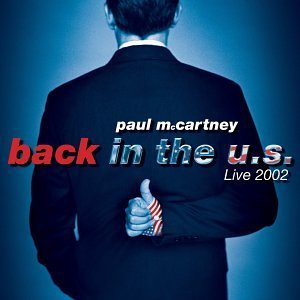
Paul McCartney 27: Back In The U.S.

Following the fun he had making Driving Rain, plus the excellent response from the Concert for New York, Paul took his new band of boys on the road what would be various legs of an expensive tour. And since it had only been about ten years since his last go-round, we got a double album (and a DVD) out of it.

Back In The U.S. succeeds where Paul Is Live fails in that it’s more representative of the average setlist from the first leg of the tour. Plus, this band is so hot you don’t mind the third live appearances of “Jet”, “Let Me Roll It”, “My Love”, “Band On The Run”, “Maybe I’m Amazed”, “The Long And Winding Road” and “Yesterday”, or even the fourth “Live And Let Die”. The ‘90s and most of the ‘80s are ignored, but he does include four of the better selections from Driving Rain, plus “Vanilla Sky” from the same sessions. (Used as the title song from the Tom Cruise movie, it’s not unlike “Biker Like An Icon”, only not as good.)

He always made a big deal of performing certain Beatle tunes for the first time onstage ever, and this time it’s “Getting Better” and “Mother Nature’s Son”. (On the next leg he even added “She’s Leaving Home”, but we’re getting ahead of ourselves.) “Carry That Weight” includes most of “You Never Give Me Your Money”, plus “the bit” where he forgot the words. The “Sgt. Pepper” reprise goes neatly into “The End”, but the best portion occurs at the end of the first disc: “Here Today” on acoustic for John, followed by “Something” on ukulele for George.

Another in a string of very satisfying listens, Back In The U.S. continued to establish Paul’s hold on the public consciousness as the ambassador Beatle and keeper of the flame. Any doubt as his right to the title is dispelled by the sound of the crowd singing along with every word and the photos of their adoring, misty eyes. (Just because he’s Paul, he decided to release a modified version of this collection called Back In The World everywhere else but the Western Hemisphere, with some differences: “Every Night”, “Vanilla Sky”, “C Moon” and “Freedom” were replaced with “Calico Skies”, “Michelle”, “Let ‘Em In” and “She’s Leaving Home”. A new recording of “Hey Jude”, recorded in Mexico, was also used in place of the U.S. version.)

Paul McCartney Back In The U.S. (2002)—4

Friday, April 23, 2010

Paul McCartney 26: Driving Rain

Having decided that working fast worked best, Paul jumped into the studio with a group of unknowns and producer David Kahne, who was known for his work way back with the Bangles and more recently with Sugar Ray. The resulting Driving Rain was indeed recorded quickly, with the framework of a band that would prove to serve him well over the next decade. (His other catalyst this time was his insistence on playing the bass for each basic track.)

“Lonely Road” has a sneaky shuffle and great guitars, making for a strong rocking opener. “From A Lover To A Friend” hits the brakes immediately with words that may or may not be about an ended relationship, but it’s a pretty tune. “She’s Given Up Talking” was an early contender for the skip button, but is redeemed by a middle section that recalls Pink Floyd’s “Welcome To The Machine” and John’s “Steel And Glass”, of all things. The title track is torpedoed by the “12345” lyrics—he should know better not to count unless all good children are going to Heaven. “I Do” hearkens back to the Off The Ground sound, which itself hearkened back to Red Rose Wings. “Tiny Bubble” has a soul element, and could have been a moderate hit single 25 years earlier. It’s easy to assume that “Magic” was about meeting his new bride, but no! It’s about meeting Linda. The classical bit at the end adds to the reverie, echoing the Pepperland string quartet in Yellow Submarine.

“Your Way” sounds a lot like “Bip Bop”, which in this context sounds like early Neil Young. “Spinning On An Axis” is one of two collaborations with his son James, and sports a lot of wah-wah electric piano and guitar effects. “About You” and “Back In The Sunshine Again” (also written with James) could have been left off this long album, as they sound too much like other songs here to really stand out. But in between is the absolutely lovely “Heather”, a song he literally made up and originally captured for posterity on a Dictaphone. The completed recording has added band instrumentation, strings and a short verse that applies to anyone in love. Listen for the drums forget to slow down right away after the first chorus. “Your Loving Flame” also sounds like old Wings, even though the guitar solo should be longer and replace one of the verses. It’s another gem. Many people forget that Paul met the Maharishi too (that’s where he got his first taste of vegetarianism) but “Riding Into Jaipur” is a surprisingly pleasant detour, suggesting he might want to explore Indian rhythms now that George can’t anymore. As nice as that is, it sets you up for the grand finale: “Rinse The Raindrops” is a ten-minute jam that actually works. He repeats the same two verses innumerable times and ways, only changing the tempo once. The band is good enough to keep up with him without monotony, and for the icing on the cake, he lets out an amazing scream near the end. This was supposed to close the set, but he quickly wrote “Freedom” after the September 11 attacks and premiered it at his Live Aid-styled Concert for New York. This take was embellished in the studio and rushed onto the album in time for the release.

Did you know he’d fallen in love with a woman young enough to be his daughter? While not the only reason, Paul’s general outlook on life made Driving Rain another top-notch album amid a quality streak we hadn’t seen for years. Each of the songs here has classic McCartney moments that surpass the groaners. Pretty impressive for a guy pushing sixty. And no, we don’t know if he’s really taking a leak on the cover.

Paul McCartney Driving Rain (2001)—

Wednesday, April 14, 2010

Paul McCartney 25: Working Classical and Wingspan

He’d interspersed his last few regular album releases with out-of-genre side projects, such as the experimental Fireman techno collaborations, but it was his serious classical compositions that naturally got the most publicity. Liverpool Oratorio and Standing Stone both demand a lot of the listener, and certainly wouldn’t be given any notice by the experts if they were written by anyone else (except maybe Ringo).

By contrast, Working Classical is a mixture of some of Paul’s shorter, post-magnum opus pieces, plus some string quartet arrangements of some of his solo songs. (Most of these had been prepared for performance during Linda’s memorial services.) The blue notes in “Maybe I’m Amazed” raise an eyebrow, and the more impressionistic pieces are unobtrusive if unremarkable. The album gains points for illuminating songs like “Warm And Beautiful”, and shows big balls for orchestrating “The Lovely Linda”. It makes for quaint rainy day and Sunday morning listening, and no worse than any other “classical interpretations” of McCartney music.

Just as the Beatles Anthology CD and video series got him inspired to do Flaming Pie, Paul’s next project was nudged along by Life After Linda, and qualified by the amazingly huge success of the Beatles 1 compilation. Wingspan was a video and a book, but most of all, it was music.

The two-CD package is, per usual, teeth-gnashing fuel for the collector on a budget, but is still a great starting point for those who don’t have any of the old albums or either of the hits packages. (Disc one, the Hits disc, includes all of Wings Greatest, and most of both editions of All The Best!) The sound is fine, and just to make things interesting some of the tracks (“Junior’s Farm”, “With A Little Luck”, “Venus And Mars/Rockshow”, “Waterfalls”) are radio edits, which can make for a jumpy listening experience but helps to include more selections—over 2½ hours worth of music. “Coming Up” is the live version, while “Maybe I’m Amazed” is the studio non-Wings version. “Daytime Nightime Suffering”, while a bonus track on the Back To The Egg CD, fits nicely on the History disc with other lesser-known favorites. The only real rarity on the set is the audio of “Bip Bop/Hey Diddle” from a 1971 film with the kids and Martha running around while Mum and Dad harmonize; “Bip Bop” is much less offensive in this down-home rendition. Both versions of “No More Lonely Nights” are used to end each disc, and the “playout version” is less irritating here than on Broad Street. “Pipes Of Peace” is more appealing here too, out of its original misguided context.

Overall Wingspan is a fantastic collection, unless you don’t need it, and many don’t. It’s been pointed out that it’s supposed to be a look back at Wings, yet we still get a lot of tracks from McCartney and Ram, five tracks recorded post-Japan and numerous tracks that have just Paul on them. A more apt title for the entire project would have been How Linda Kept Me Making Music After The Beatles, but that just wasn’t as marketable. It’s incredibly listenable, whets appetites for the original albums and, more than anything, shows off why Wings was so successful and popular, and deservedly so. So where’s the box set of unreleased tracks?

Paul McCartney Working Classical (1999)—
Paul McCartney
Wingspan: Hits And History (2001)—

Wednesday, March 17, 2010

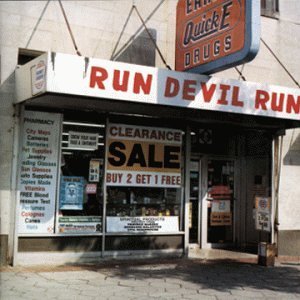
Paul McCartney 24: Run Devil Run

Paul’s main excuse for laying low in the mid-‘90s started with the activities surrounding the Beatles Anthology project, but the bigger issue around the McCartney household was Linda’s battle with breast cancer, which she lost in 1998. And just as he’d used the music of his youth to find his way in the past, he did the same on Run Devil Run.

But this isn’t an indulgent goof-off exercise—this is rock ‘n roll as healing and redemption. The band consists of guys close to his age of varying experience, like David Gilmour and even Ian Paice from Deep Purple, which no one saw coming. And for a guy who’d just buried his closest companion of thirty years, he sounds pretty together.

While his previous stroll through the jukebox didn’t take too many chances, this album digs deeper into his record collection to find songs that weren’t exactly standards, with a couple of originals added for variety. “Blue Jean Bop” is a good enough place to start, a little sweet Gene Vincent, then wham! He lets loose with fantastic vocal on “She Said Yeah”. Although John always sang the Larry Williams songs in the old days, Paul does even better with this one than the Stones did. It’s over to Elvis with a twist on “All Shook Up”, followed by an original, the burning title track. “No Other Baby” is especially poignant considering his personal life at the time, and a sweet tribute. It’s supported by a great take on “Lonesome Town”, which gets some soaring harmonies from David Gilmour. “Try Not To Cry” is another one Paul wrote, and fits in real well with the rest. “Movie Magg” is a Sun-styled Carl Perkins shuffle with knee slapping percussion. “Brown Eyed Handsome Man” is the only real clunker here, with an unnecessary Cajun treatment. “What It Is” is the last original, followed nicely by the obscure “Coquette” by Fats Domino, complete with a dead-on impression of the Fat Man. The rest of the album just burns—“I Got Stung”, “Honey Hush”, “Shake A Hand” especially (fantastic singing all the way through this one), ending up with “Party”. Whew.

My goodness, but this is a fun, fun, fun album. He’d been leaning on the oldies a lot lately, so previous experience shouldn’t be considered. Run Devil Run runs rings around the Russian album, and he hadn’t rocked this hard since Back To The Egg; indeed, co-producer Chris Thomas worked on that one too. Anyone who says he can’t sing, play the bass, or kick ass is just being difficult. (It bears mentioning that this album followed two other low-key but still notable releases. Rushes was the second album released under the Fireman moniker, and a pleasant excursion into ambient trance music, whereas Wide Prairie was a compilation of various songs Linda had written and/or sang over the years, most of which featured Paul on various instruments along with occasional Wings alumni as well.)

Paul McCartney Run Devil Run (1999)—4

Monday, December 28, 2009

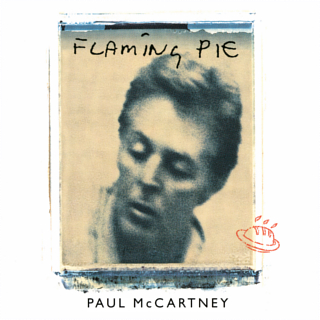
Paul McCartney 23: Flaming Pie

Beatle activity took precedence for a time, so Paul abandoned the band he took around the world twice. Once the Anthology project blew over, we were pleasantly surprised to hear he had a new album all ready, and mortified to hear that half of it was produced by Jeff Lynne.

Flaming Pie might as well be called McCartney III, since it was written and recorded fairly quickly, with a minimum of pretension and him on most of the instruments. But there are other musicians on it, and the resulting title refers to a John Lennon expression as a nod to the old days when making records was fun and carefree.

“The Song We Were Singing” is a fantastic start, not unlike a pub singalong. “The World Tonight” has some fine spiraling guitar that’s not undercut by the drums. Constant readers will have noted how Jeff Lynne can take some of the world’s greatest rock drummers and make them sound like a machine. In this case, it’s Paul on drums, so he can only sound better. “If You Wanna” is an inoffensive throwaway not unlike “Things We Said Today”. “Somedays” is a very sad sounding song, with mournful strings, but the lyrics are more wistful in their nostalgia. “Young Boy” was the British single, and a good choice, with a slowed-down ending stolen from “Whiter Shade Of Pale”. “Calico Skies” was recorded during the Off The Ground sessions with George Martin, and is full of overtones from his first album. Then “Flaming Pie” comes crashing in. With its obnoxious vocal and pounding piano, it’s another example of getting the recipe exactly right.

“Heaven On A Sunday” takes the mood down again, with atmosphere and interlocking guitars, one played by his son James, for a nice evocation of late-period Wings. The wholly unwelcome Steve Miller is all over the idiotic “Used To Be Bad”, but “Souvenir” provides a little bit of soul, a well-written R&B torcher. “Little Willow” is an incredibly gentle song for any lost friend, in this case Ringo’s ex-wife Maureen. Truly touching and elegantly played. He made a big deal out of finally writing a song with Ringo, but “Really Love You” isn’t a song, it’s a five-minute timekiller. If you skip this one you go right into “Beautiful Night”, that one song per album that’s guaranteed to please. The verses are gorgeous, the choruses are gorgeous, the orchestral arrangement is gorgeous, and the silly party ending can’t kill it. And it’s always nice to follow a beautiful night with a “Great Day”, which probably dates from the 1971 “Bip Bop”/“Big Barn Bed” period. Linda joins in, and the next thing you know, you’re pressing the play button again.

Flaming Pie was such a nice surprise, and completely unexpected. Even Jeff Lynne and Steve Miller couldn’t tarnish the fun to be had herein. In fact, even taking out “Used To Be Bad” and “Really Love You” we still have twelve above-average, fully realized McCartney songs. And with the late-year release of yet another classical work, Paul McCartney’s Standing Stone (a tone poem with orchestra and wordless chorus), he had every reason to be proud. But all was not well at home; Linda’s health would be a concern for the time.

The album was a surprising installment in his ongoing Archive Collection series, partially because it came out before two Wings reissues, and certainly because many fans were faced with buying an expanded version of an album they’d already bought on CD once. The cheaper version included a full second disc with demos of all but two songs—namely, the not-missed “Used To Be Bad” and “Really Love You”—plus other alternate versions and four B-sides of varying musical quality. Exactly two “new songs” are included: the improvisation “C’mon Down C’mon Baby” and the still half-written “Whole Life”, supposedly a collaboration with David A. Stewart, working the Tom Petty example backwards.

More affluent collectors could spring for the big box, which spread the extras over two discs, with a few more rough mixes. Another disc is devoted to the Oobu Joobu samplers previously excerpted on various British CD singles, presenting some further rarities in a proto-podcast radio show format. A fourth disc called Flaming Pie At The Mill consists of an audio stroll through the making of the album. Two DVDs, a book, facsimiles, and other ephemera left many wishing they had a fraction of Paul’s disposable income.

Paul McCartney Flaming Pie (1997)—
2020 Archive Collection: same as 1997, plus 21 extra tracks (Deluxe Edition adds another 12 tracks plus 2 DVDs)

Friday, November 6, 2009

Paul McCartney 22: Paul Is Live

The title and artwork aside (pretty funny!), Paul Is Live basically served to collect money from folks who’d been scarfing up bootlegs from his most recent tour anyway. In contrast to the previous concert souvenir, this was shorter, more of a grab bag that didn’t include every song performed—most likely because there would be too much repetition from Tripping The Live Fantastic, but that doesn’t excuse four routine retreads from Wings Over America. We do get the first performances of “Penny Lane” and “Magical Mystery Tour”, some more oldies and key tracks from Off The Ground, a couple of soundcheck improvisations, and a Chet Atkins tribute from Robbie McIntosh, but it just isn’t the kind of album that demanded repeated listenings.

We can understand why this album exists, but it just came too soon after the previous tour and album. The Rolling Stones had been in a greedy lather-rinse-repeat cycle of a new album followed by a big tour, commemorated by a live album, so it was disappointing that Paul was that aware of his own selling power. Expertly played, every song is heartily applauded—but so what? (And if you’re wondering, the dog on the cover is not the original Martha, who would have been about 27 if she were still alive.)

Paul McCartney Paul Is Live (1993)—3