Showing posts with label 2022. Show all posts

Friday, June 27, 2025

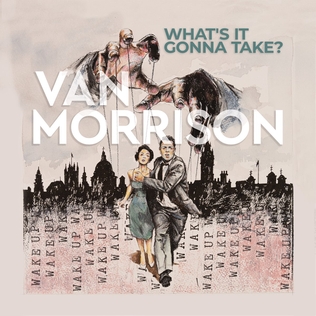
Van Morrison 51: What’s It Gonna Take?

Clearly still miffed about Covid, Van Morrison followed up the two-hour diatribe that was Latest Record Project with another 80 minutes of biased ranting from the Irish equivalent of a MAGA nut. It should be telling that the only positive review of What’s It Gonna Take? by a major news source came from the National Review.

“Dangerous” seesaws over two chords for over seven minutes, livened up only by a fiddle solo. The title track is catchy, but for the angry lyrics, and “Fighting Back Is The New Normal” makes its point over a cheesy organ. “Fodder For The Masses” is well arranged, down to the middle eight and the backing vocals, but doesn’t understand the irony of calling out “fake news”. The more meditative “Can’t Go On This Way” could easily be tweaked to be more about general heartbreak than all the ways he’s been inconvenienced, but “Sometimes It’s Just Blah Blah Blah” is just plain insulting, especially when he tries to drown out the doo-wop vocalist over the end. “Money From America” (as in no more) doesn’t even bother to find a melody.

“Not Seeking Approval” wastes its Motown beat by rhyming the title with “business as usual”, and “Damage And Recovery” rehashes all his beefs from the title track, livened only by his saxophone solos. “Nervous Breakdown” is just plain odd, as he introduces all the instruments one by one in a cartoony voice, then equates his condition with having “some kind of breakthrough”. It makes the piety and plea for unity in “Absolutely Positively The Most” all the more incongruous. We’d like to believe him when he insists “I Ain’t No Celebrity”, and he bemoans his own fame in “Stage Name”, and then “Fear And Self-Loathing In Las Vegas” finds him muttering to himself while killing time between gigs. While it’s a little repetitive, “Pretending” is by far the best song here, and the most universal.

Everyone is allowed their own opinions, of course, but until the end of the album, What’s It Gonna Take? doesn’t vary from the chosen theme enough to strengthen his arguments. We don’t want to listen to Neil Young yell about electric cars or Monsanto for the length of an album either. It’s just tedious.

Van Morrison What’s It Gonna Take? (2022)—2
Friday, January 31, 2025

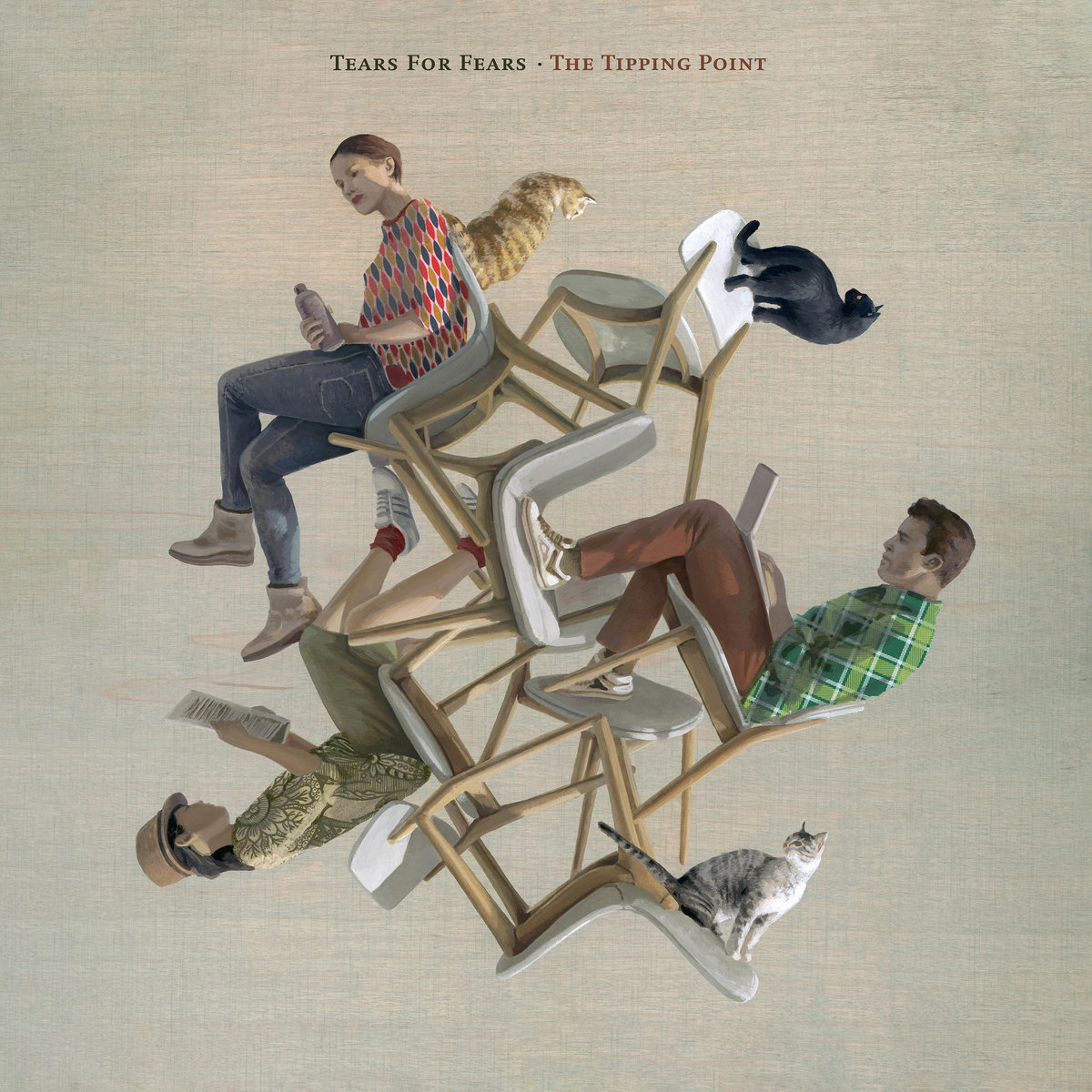
Tears For Fears 9: The Tipping Point

Considering how long they’d generally taken to make their albums even when they were more relevant, nobody was really expecting much from Tears For Fears, especially considering how tiny a splash their first reunion made. But they were able to keep in the public’s mind through touring, and deluxe expanded repackages of their ‘80s albums; meanwhile Curt Smith released two more solo albums. Even when they spoke of writing new material, people weren’t cancelling dinner plans. And frankly, “I Love You But I’m Lost”, one of two new songs added to the 2017 Rule The World compilation, was mostly of appeal to diehard nostalgists and Pet Shop Boys fans. (The other was “Stay”, and will be discussed shortly.)

Yet when The Tipping Point finally appeared after even more delays, the media received it like a gift, with the boys making the rounds of the talk shows, speaking openly about their own professional difficulties and personal travails. Curt looked as chiseled as ever, while Roland Orzabal embraced his own silver mane and beard. Aging and mortality were the main topics among the songs, many of which were collaborations with Charlton Pettus, who produced the last album, and hit songwriter Sacha Skarbek.

The simple acoustic strum of “No Small Thing” is proof right away that they’d evolved. A mention of New Mexico suggests a south-of-the-border influence, but another rhythm comes in to take it somewhere else entirely, escalating toward a frantic and sudden end. The title track eases its way in until hitting tempo with a drum track that sounds exactly like it was lifted from “Everybody Wants To Rule The World”, whereupon it gets very busy and doesn’t let up. It’s easy to read into the lyrics of “Long, Long, Long Time”, but the changing meters keep you guessing in the meantime. “Break The Man” was written by Curt and Pettus—without Roland—and is straightforward pop without too much decoration, in contrast to “My Demons”, an excellent lyric tethered to a robotic mix.

“Rivers Of Mercy” is much more gentle than anything we’ve heard yet, with gospel touches addressing the worldwide turmoil of 2020. “Please Be Happy” is unique in their catalog as it addresses someone else’s pain and suffering, as opposed to their own or that of the world at large. With horns and subtle orchestral touches, it’s quite lovely. By the time “Master Plan” arrives with its overt Beatle references, it’s welcome, and nicely sets up the catchy, raspy soul of “End Of Night”. Finally, “Stay” sounds wonderful in the context of the album, moreso than it did as a carrot on a hits collection. The other song written by just Curt with Pettus, it was directly inspired by his own doubts about continuing with the band, and nicely caps a strong second side.

While we’re still partial to earlier albums, The Tipping Point does succeed with its breadth of style. Keeping mostly away from the Beatles and Brian Wilson playbooks certainly helped, as did keeping it down to a manageable LP length.

Of course, as had become an annoying trend among “legacy” artists, the album was released by retailers in different territories with exclusive bonus tracks, with all included on a very limited deluxe edition. “Secret Location” is a sop for those who want to dance: “Let It All Evolve” is more tense, based around acoustic chords and a drone, but with a decent chorus; “Shame (Cry Heaven)” has a lovely stark piano beginning, but soon detours into plastic soul and an ill-advised tempo change. They are merely extras.

Tears For Fears The Tipping Point (2022)—3

Friday, January 24, 2025

Brian Eno 29: Forever And Ever No More

Since the start of the century’s second decade, Brian Eno had kept up a fairly consistent release schedule, showing no signs of slowing down as he approached and hit his 70s. Maybe time spent locked down during the Covid pandemic inspired him to start singing again. But while ForeverAndEverNoMore indeed has vocals and lyrics throughout, it’s in no way a throwback to his first solo albums, nor even Another Day On Earth. For one, it’s very slow.

“Who Gives A Thought” rumbles into place over an ambient bed, and his sad melody wonders about the fate of the planet. The melody finds a major key for the more hopeful “We Let It In”, his daughter Darla providing the key (in this case, the sun). “Icarus Or BlĂ©riot” goes dark again, ruminating on whether we should really be exploring the skies, while “Garden Of Stars” envisions a horrible end to it all as the music increases in static and tension. The all-instrumental “Inclusion”, with violin and viola played by a musician who’d also worked for Bryan Ferry, provides respite from the gloom.

With the sounds of birds subtly in the mix, “There Were Bells” is almost poetic as it surveys the scenery, whereas “Sherry” resembles a haiku, the piano following his vocal closely. Darla returns to color “I’m Hardly Me”, her soprano helping disguise his bleak and slow words. “These Small Noises” is sung partially as a duet with Irish musician Clodagh Simonds taking the lead over Jon Hopkins’ stately, almost hymnal piano. While mostly ambient, “Making Gardens Out Of Silence In The Uncanny Valley” sports the processed voice of occasional collaborator Kyoko Inatome, whom he first met when she was a waitress at a sushi restaurant he frequented. (No, really.) It’s even more soothing than “Intrusion”, and a wonderful way to end the album. (Also, the eight-minute streaming version is five minutes shorter than the CD version.)

Just because he could, the album was remixed, tracks retitled, and released six months later in the Forever Voiceless edition, giving listeners the opportunity to get lost in the music without worrying about the planet or vocal distraction. (His, anyway; some of the other vocalists remained in the mix.) Here the album becomes a sequel more obviously in the tradition of the longer interludes on The Ship or the busier moments on Reflection—occasionally pleasant, sometimes dark.

Brian Eno ForeverAndEverNoMore (2022)—3

Friday, November 8, 2024

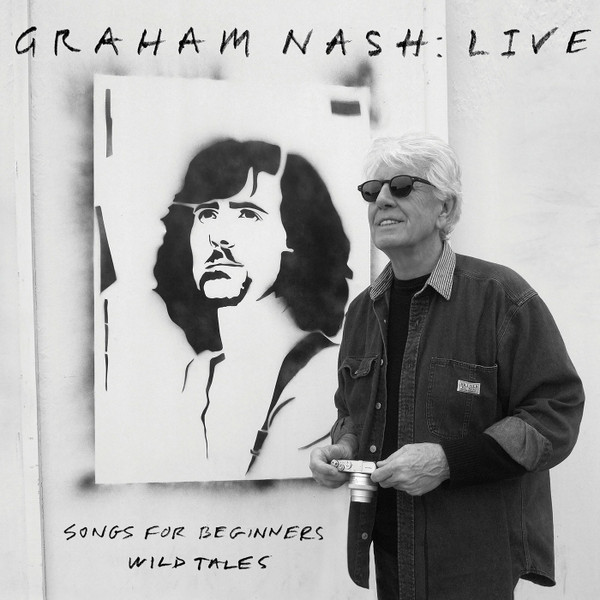
Graham Nash 9: Live

Graham Nash clearly has no qualms about revisiting his catalog to any extent, and in 2019 he undertook a tour wherein his excellent band performed his first two solo albums track by track, in order. Four years later, Live: Songs For Beginners/Wild Tales was culled from four shows, and delivers exactly what the title promises. Outside of a brief greeting before each section, we just hear them play the songs.

The band clearly did their homework, as many of the songs are in much lower keys than they were on the original records, but he’s still in good voice. “Sleep Song” hasn’t aged well, but “There’s Only One” gets a good response for the sax solos and choir. The second half drags a bit, mostly because Wild Tales wasn’t as good as Songs For Beginners, and even the band can’t save it, though Shane Fontayne does a nice job of copping David Lindley’s original licks. The Nixon soundbites in “Grave Concern” have been replaced by Trump rants, and that five-letter word makes it into some of the other songs where the opportunity rises.

Overall the performances are warm and cozy, but as an album they only underscore that the real excitement was likely best experienced in person. Yet we’re always happy to be reminded how good some of his stuff was, and still is.

Graham Nash Live: Songs For Beginners/Wild Tales (2022)—3

Friday, December 29, 2023

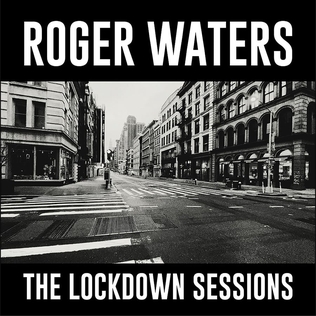
Roger Waters 5: Lockdown Sessions and Dark Side Redux

In the years following his 2017 solo album, Roger Waters took a band on the road for another multimedia extravaganza that incorporated not only the new stuff but classic Floyd as well, and as would be expected. As outspoken as ever, he garnered criticism aplenty for his anti-Israel stance, which overshadowed the anti-Trump imagery in the show. A film and album of the production, both titled Us + Them, did only slightly better than his reworking of Stravinsky’s A Soldier’s Tale.

Like most musicians hamstrung by the limitations of the Covid pandemic, he did what he could to keep busy musically, and in his case, that meant rerecording mostly stripped-down arrangements of songs that had been played throughout the tour. Intriguing but inessential, The Lockdown Sessions slows down three songs from The Wall (four actually, as the track called simply “Vera” segues into “Bring The Boys Back Home” to stretch it out for five minutes), two from The Final Cut, and “The Bravery Of Being Out Of Range” from Amused To Death, while keeping the original guitar solos intact. However, the pointedly titled “Comfortably Numb 2022”, eschews both guitar solos, substituting an angry attempted phone call for the first and a backup singer wailing over explosive effects for the fade. For the most part, his voice hovers somewhere between a whisper and an aside; at least he’s not yelling.

The album made a splash only among the faithful, so he decided to make the most of the 50th anniversary of The Dark Side Of The Moon to give that album the same treatment, with the same band, knowing full well that the earth would stop on its axis at the news. The angle this time was to tackle the lyrics of a younger man with the perspective of a near octogenarian, and since he wrote them, he’s certainly allowed.

For the most part, the “reimaginings” are extreme. Effects are pretty much gone, except that chirping birds are everywhere. “Speak To Me” is now an opportunity to recite the lyrics to “Free Four” over that ominous heartbeat. Another couplet from that song is intoned before the verses of “Breathe”, which at least has drums and is more recognizable. “On The Run” retains its robotic pulse, but is dominated by a new monologue soaked in paranoia and madness. It continues over the start of “Time”, where clocks used to be. It slowly plods along, prodded by Hammond organ and swirly cellos, and a woman softly ooh-ing where there used to be a guitar solo. “Great Gig In The Sky” is possibly the most transformed; in keeping with its original theme of mortality, he reads part of a correspondence with the assistant of a cancer-stricken acquaintance that includes an anecdote about a show in Croatia. Clare Torry’s improvised melody is transposed to a quiet synth.

“Money” keeps its 7/4 meter but not the effects; this time the sax and guitar solos are replaced by a surreal narrative about a boxing match. Luckily, “Us And Them” is mostly untampered, though the forced echo in the verses could have been skipped. What used to be the sax solo is now covered by strings and organ. There’s not the smoothest transition to “Any Colour You Like”, which now sounds more than ever like “Breathe”, and features another cryptic piece of prose. He does cleverly preface “Brain Damage” by addressing the “madness” of this re-recording concept, and that and “Eclipse” are taken fairly straight, if subdued. And he acknowledges by name the man who had the last word on the original album while disagreeing that it’s “all dark”.

The Dark Side Of The Moon Redux isn’t awful, but it will hardly replace the original. Nor does it lend itself to repeat listening. But Nick Mason endorsed it, so who are we to argue? Besides, if you want a non-Roger interpretation of the album, there’s always Pulse. (We do, however, like the dog on the cover.)

Roger Waters The Lockdown Sessions (2022)—3
Roger Waters
The Dark Side Of The Moon Redux (2023)—

Friday, August 4, 2023

Joni Mitchell 27: At Newport

Following an aneurysm in 2015, Joni Mitchell hadn’t made any public appearances. But by the turn of the decade, she had been hosting various “Joni Jams” at her house, mostly spearheaded by singer-songwriter Brandi Carlile and featuring an assortment of musicians. In July 2022, Carlile brought one of these to a larger stage, literally and figuratively, at the Newport Folk Festival, with the lady herself at the center of the throng, placed on an actual throne. The participants started by playing some of her songs, and eventually she was compelled to join in.

A year later, At Newport presented most of this appearance, albeit shuffled from the original setlist sequence so Joni is heard earlier instead of partway through. The album is clearly subtitled “featuring the Joni Jam”, but it should be the other way around. It’s still very much a tribute show performed some very starry-eyed accompanists; she doesn’t sing on every song, and when she does, she’s often supported by other vocalists. Carlile often answers many of the lines in the same cloying way Brian Kennedy used to on too many Van Morrison albums. (Interestingly, two members of The New Basement Tapes are onstage.) An anecdote about the song precedes “Amelia”, and we’d love to hear more like that.

The album is at is best when they stop fawning and let her sing without a net. “Both Sides Now”, in a lower key than she’s ever sung before, is particularly moving, even with Carlile’s coaching. The Gershwins’ “Summertime”, which preceded in the set but comes next here, is just plain terrific. When she plays “Just Like This Train” on electric guitar with no vocals, and only the slightest accompaniment, it’s transfixing. The album ends as the set did, and as it should, with the entire throng singing along to “The Circle Game”. “Joni Mitchell has returned!” yells Carlile, Joni laughs and says it was “so fun”, and the crowd chants her name to the fade.

The hootenanny has been a fixture of folk music since well before the coffeehouse days, but when it concerns someone of Joni’s stature, perhaps everyone else should just stand aside. That said, it was indeed a historic afternoon, and rightfully preserved.

Joni Mitchell At Newport (2023)—3

Tuesday, July 25, 2023

Jeff Beck 19: 18

While he was once known as an actor, Johnny Depp has carved out quite a niche for himself as what Mick Jagger would call a starbucker. From owning the nightclub where River Phoenix died to forming the Hollywood Vampires, a supergroup made up of onetime degenerates, he’s been dabbling in music for decades. So it’s no surprise that he’d be enamored with Jeff Beck; the mystery is what Jeff saw in him.

Nonetheless, the heart wants what it wants, and supposedly a mutual fascination with vintage cars led to lots of hanging out together and, as has been known to happen, recording tracks. The first bloom of their partnership came at the height of the Covid pandemic, with a rockin’ cover of John Lennon’s “Isolation”, as timely as it was unexpected. By the time a full album came out, Depp had been tabloid fodder for months due to various ugly lawsuits involving his most recent ex-wife.

This makes 18 that much more of a curious listen, even when you want to take it on the basis of solely the music. The first problem is that he’s not much of a singer, and tries to do just that on 10 out of 13 tracks. Beck’s solo adaptation of Davy Spillane’s “Midnight Walker” sets such a wonderful mood that the industrial whiplash of Killing Joke’s “The Death And Destruction Show” only reminds us why we didn’t like his techno albums very much. Depp does his best Dennis Wilson on a self-pitying cover of “Time”, but follows that with “Sad Motherfuckin’ Parade”, another techno track that at first sounds like the judge’s gag order didn’t take. Then it turns out most of it was lifted from a “poem” written by a Missouri prisoner and collected by a folklorist. Luckily, their versions of “Don’t Talk (Put Your Head On My Shoulder)” and “Caroline, No” from Pet Sounds are instrumental, and lovely, but in between Depp croons “This Is A Song For Miss Hedy Lamarr”, wherein he seems to find a kindred spirit due to her “troubles”.

He lets Jeff do most of the work for Smokey’s “Ooh Baby Baby”, but the falsetto is likely mixed so low for a reason. In the same vein, the carbon-copy backing for Marvin’s “What’s Going On” makes it sound like Jeff’s wailing over a karaoke track coming through a speaker, while Depp is mostly limited to chanting the backing vocals across the room, until he starts throwing in a few lines from the same album’s “What’s Happening Brother” about halfway through. That said, “Venus In Furs” from the first Velvets album almost works, Jeff leaning into the snaky riff and dirty chords, but Depp’s posed decadence is just silly. The Everlys’ “Let It Be Me” starts out very sweetly and mostly stays that way, even with Depp harmonizing with himself with melodies we don’t recognize from the original. In very much the same mood is another song about the “pitfalls of fame”, but’s Janis Ian’s masterful, heartbreaking “Stars”. (We’re betting Depp heard it on an episode of Bojack Horseman.) Still, it’s gorgeous, and makes “Isolation” something of an anti-climax, which we suspect is double in length just so Depp could yell the bridge a second time. At least it gives Jeff more time to wail.

As should be clear, 18 is at its best when Jeff Beck is allowed to shine in the spotlight by himself. Unfortunately, this would be the last album he’d see released in his lifetime, and while he may have been fine with that, he deserved better.

Jeff Beck & Johnny Depp 18 (2022)—

Friday, May 26, 2023

Journey 16: Freedom

Seemingly determined to rock till he dropped, and tout the wonders of Just For Men, Neal Schon continued to drive Journey well into a fifth decade, even without new music. Each of the post-Perry albums had been predominantly showcases for Neal, and proof that Deen Castronovo has none of the jazz chops that made the albums with Steve Smith on drums that much more interesting. That they cared about this fact was mildly apparent when, after Deen had to drop out due to legal issues over what we’ll euphemistically call various domestic dilemmas, the first replacement on the kit was Omar Hakim, shortly followed by none other than Steve Smith himself, who had previously refused to be part of any Journey project that didn’t include Steve Perry. More fun arose after Jonathan Cain’s latest wife joined the Trump administration as a spiritual adviser, which sent Neal back looking for Gregg Rolie, who also thought any Journey without Steve Perry (and to a lesser extent, himself) was stupid. Then, after Neal and Jonathan sued Ross Valory and Steve Smith for attempting to take over the band, those two were out again, to be replaced by Randy Jackson (again) and Narada Michael Walden. Those two couldn’t tour post-Covid, so Neal brought in the bass player from Hardline and, you guessed it, Deen Castronovo.

All this fun back story is offered for entertainment, of course, which we can’t say about Freedom, 2022’s one-word catalog entry. To Arnel Pineda’s credit he doesn’t try to ape Steve Perry’s phrasing on these new songs, which come across mostly as retreads of the classics. To say that the piano “Together We Run” apes that of “Don’t Stop Believin’” might be a stretch, but good luck getting through “Don’t Give Up On Us” without imagery from the “Separate Ways” video yet again clogging your head. (Too bad they didn’t do a straight cover of the David Soul tune of the same name.) If you can stomach those, the rest of the album follows as expected, throwing in the occasional piano ballad between the arena stompers, all recorded in separate places due to lockdown and whatnot, then mixed together into one boomy 73-minute mess. Pineda is a good sport, considering he only helped write one song, and thankfully, it wasn’t “United We Stand”. Deen sings lead on “After Glow”, proving he wasn’t completely on the outs, though he’s competing with Neal’s noodling for pretty much the whole track. “Don’t Go” is cheesy ‘80s in a good way, but we’d bet that wasn’t planned. And “Beautiful As You Are”, harmless as it is, does not need to be seven minutes long.

Soon after Freedom was released, Neal sued Jonathan over access to the band’s corporate American Express card. Yet they still managed to tour. To help push that along, their 2021 appearance at Lollapalooza was released at the end of 2022, and consists of nothing originally recorded after 1986.

Journey Freedom (2022)—2

Tuesday, May 9, 2023

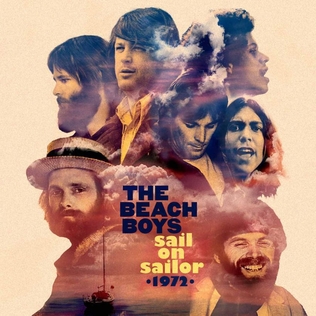
Beach Boys 32: Sail On Sailor

Whether or not the Feel Flows compendium was a critical or commercial success, it was no real surprise that the archivists behind the Beach Boys legacy would follow it up. Named after the best song on both albums, Sail On Sailor: 1972 encompasses the sessions for that year’s Carl And The Passions – “So Tough” and the following year’s Holland. A two-disc version expands both albums with the usual assortment of outtakes, alternate mixes, and live tracks, but that’s a mere shadow of the six-disc version, which devotes two to a Carnegie Hall concert from November of that year.

The show begins with an introduction from manager Jack Rieley, pleading for the enthusiastic crowd not to shout out random requests; he doesn’t explain that doing so will only cause Mike Love to insult them, and he does. (He also takes the occasion of an instrument change to plug transcendental meditation; at another point he predicts that Smile would be out within a year. It wasn’t.) Their set at this point had only a smattering of oldies, with a focus on newer material, which frankly sound better on stage than on records. The new guys, Blondie Chaplin and Ricky Fataar, were definitely key to why the band sounded so good in the studio and onstage at this juncture, and it’s to everyone’s credit that both are prominently depicted on the cover. A second drummer and bass player were also onstage; listen closely and you can hear Tennille singing alongside the Captain! Surfing songs, plus a surprising and driving crash through “Jumpin’ Jack Flash”, bring the show to a close. (The two discs also provide another perspective to 1973’s The Beach Boys In Concert, which was culled from a variety of dates, but doesn’t excuse the inclusion of live performances from later decades elsewhere in the set.)

Relistening to the original albums shows that the boys didn’t have much left in the tank; Brian is all but inaudible on Carl And The Passions, and Holland is still audacious but a mess. Only a few previously unreleased songs are included among the assortment of isolated tracks—which are admittedly, pretty good. A couple from the new guys, including “We Got Love”, which had appeared on In Concert, bolster the Holland portion. An excerpt of a tape of Van Dyke Parks goading Brian into completing “Sail On Sailor” is frustrating but fascinating, just as two takes of the unknown “Out In The Country” have promise; three other Brian sketches are unfinished. Dennis, however, was just gearing up, with his “Carry Me Home” a haunting highlight.

The Beach Boys Sail On Sailor: 1972 (2022)—3

Friday, December 9, 2022

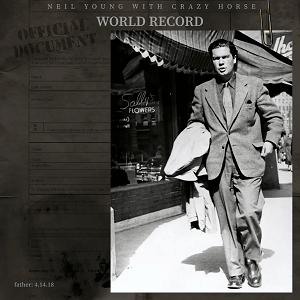
Neil Young 67: World Record

When Neil’s on a roll, it shows. Back with Crazy Horse for an unprecedented third album in a row, World Record finds the boys holed up in the legendary Shangri-La Studios, now owned by co-producer Rick Rubin. Yet the sound is just as ragged and rough-hewn as anything Neil ever recorded in a barn. The environment is the main topic again, but at least the songs aren’t as ranting or myopic as before.

The lyrical content aside, “Love Earth” is a subdued and misleading opener; kids of a certain age will appreciate that he’s appropriated the melody from the closing theme from The Magic Garden TV show. Here we also hear the “kick tub” that will feature prominently among the band’s percussion. “Overhead” is almost jaunty, with a piano and what sounds like a banjo but isn’t listed. While we can’t say it’s dreamy, the middle section that provides the title and an interlude is a good transition between the halves. He’s said he started these songs by whistling as he walked, so we’ll forgive him for lifting his own melody from “Looking Forward” on “I Walk With You (Earth Ringtone)”. The track itself is nice and sludgy, with Nils Lofgren’s pedal steel providing another link to earlier albums. His accordion provides the other sound on the gentle “This Old Planet (Changing Days)”, which is otherwise pinned to a honky-tonk backing.

“The World (Is In Trouble Now)” delivers more parentheses and pounding, driven by a wheezy pump organ over a three note riff slash melody and one bass note. “Break The Chain” is only a little more inventive, but it’s all electric, which helps its “Fork In The Road”-style charm. “The Long Day Before” would almost be a lullaby but for the organ and the verse about television and the internet, and the closing slap at conspiracy theorist. “Walkin’ On The Road (To The Future)” uses most of the same instrumentation and has an anti-war message, making it poorly placed. The organ is still in use on “The Wonder Won’t Wait”, which could potentially be a cool electric stomp.

Those looking for epic Horse crunch will love “Chevrolet”, a 15-minute reverie into the past with intertwining guitars that yet again shows what Nils brings to the table, and makes the rambles on Psychedelic Pill seem even more tedious. After all that, what’s listed as a “Reprise” of “This Old Planet” is actually an early sketch, mumbled by Neil at the electric piano.

Partially as part of his campaign for his music to only be heard on vinyl, the first nine songs, which total a half-hour, are split between two sides on a record and make up one CD, while “Chevrolet” and the reprise constitute a third side and their own CD. His other excuse was this way the photos of his brother and sister were preserved on the individual sleeves. At any rate, anyone not streaming it has to get up and change discs, just like we used to. And you should, as “Chevrolet” definitely caps the album well.

Neil Young With Crazy Horse World Record (2022)—3

Friday, December 2, 2022

Tom Petty 24: Live At The Fillmore

The Heartbreakers were always a solid band for any occasion, not just when playing Tom Petty’s songs. Mike Campbell and Benmont Tench in particular kept busy over the years doing sessions, and once they got Steve Ferrone on drums, they were even more well-rounded.
After twenty years in the business Tom was looking for something other than the usual record-release-tour cycle, and also wanted to give the band a common purpose following a stretch including two solo albums with varying contributions from the stalwarts. A residency at San Francisco’s Fillmore Auditorium gave them a chance to be something of a house band at the venue, and they took it as an opportunity to stretch. Songs compiled from the last six shows of the stand make up the contents of Live At The Fillmore – 1997. (A two-disc version was made available for some reason, even though anyone who would want that would be happy to splurge for the four-disc version, and not just for the replica patch, pass, and picks.)

Six performances are repeated from the Live Anthology set (and one was on An American Treasure, and two more were on the Wildflowers expansion) but there are about fifty others, and most of them are covers. Chuck Berry’s “Around And Around” opens the set, and he appears on disc four in a Stones inspired mini-set of “Satisfaction”, “It’s All Over Now”, and “Johnny B. Goode”, which incorporates verses from “Bye Bye Johnny”; “Time Is On My Side” gets an airing too. Little Richard is represented by “Rip It Up” and the Everlys’ arrangement of “Lucille”, while J.J. Cale is a surprising touchstone on three songs, including “Call Me The Breeze”. A quick run through “You Are My Sunshine” (which Tom says he “learned at camp”) prefaces “Ain’t No Sunshine”. Benmont gets to shine on two Booker T classics (“Hip Hug-Her” and “Green Onions”) and Mike shows off his surf roots via the Goldfinger theme and the Ventures’ arrangement of “Slaughter On Tenth Avenue”. Even utility man Scott Thurston gets to howl the bluegrass nugget “Little Maggie”. Howie Epstein is thanked, definitely playing bass, and probably harmonizing.

Disc three is the shortest and oddest, beginning with four Byrds songs backing Roger McGuinn and ending with three blues standards sung by John Lee Hooker with his personal lead guitarist. (He thanks Tom by name but clearly doesn’t know those of any Heartbreakers. Meanwhile, Carl Perkins is pictured in the booklet but is not heard on the album, sadly.) Due to the ages of the members, ‘50s and ‘60s tunes loom large throughout; the high-speed delivery of Ricky Nelson’s wordy “Waitin’ In School” is particularly impressive, and who doesn’t like an obscure Zombies single? And while Steve is a swingin’ drummer, we’ll always miss Stan Lynch’s bite on things like “You Really Got Me” and “Gloria”.

The shows were an excuse not to be stuck playing only the hits, but several are included. “The Wild One, Forever”, “Even The Losers”, and “California” get more acoustic readings. “The Date I Had With That Ugly Old Homecoming Queen” is an otherwise unknown song based around a snaky Campbell riff, and a request for the obscure B-side “Heartbreakers Beach Party” is honored once they remember how to play it. They even dust off “On The Street” from the first Mudcrutch demo tape, recorded in 1973 in Benmont’s parents’ living room.

The Petty estate has done (mostly) a decent job with his legacy, though they’re probably still sitting on a warehouse full of Wildflowers-themed candles and Xmas ornaments. Live At The Fillmore shows a side of the band not captured in the studio, and is a nice way to spend four hours with the Heartbreakers, mostly sequenced so it can be enjoyed a disc at a time.

Tom Petty & The Heartbreakers Live At The Fillmore – 1997 (2022)—

Tuesday, November 29, 2022

Lou Reed 33: I’m So Free and Words & Music

Neither the labels nor the estate of Lou Reed immediately plundered their vaults for saleable archival material; rather, both waited several years. When “new” music did arrive, there was a similar theme, although different periods in the man’s development as a songwriter were addressed.

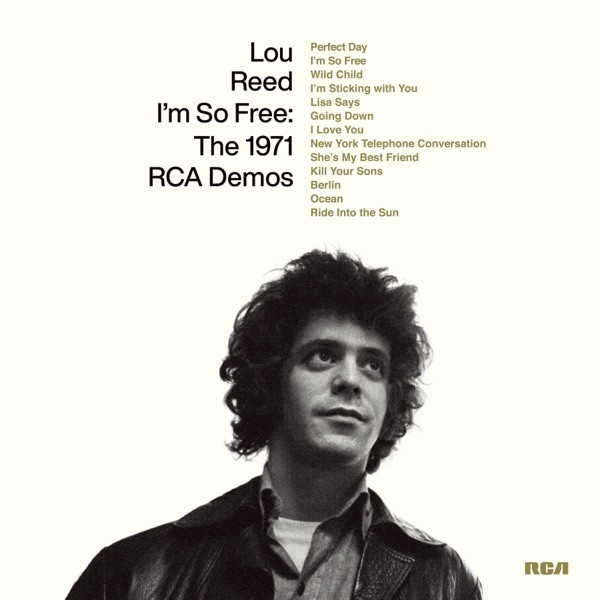
I’m So Free: The 1971 RCA Demos was one of those fifty-year copyright dumps that collectors trawl the file-sharing sites for every December, but then RCA put it out as a Record Store Day exclusive with an eye-catching cover and liner notes, and eventually for streaming with four more songs. These are basic acoustic guitar and vocal run-throughs, recorded professionally, of songs that would be considered for his first solo album. Every song that would appear there is auditioned here, including the leftovers from the last days of the Velvet Underground. We also get previews of later album cuts, including “Perfect Day”, “New York Telephone Conversation”, “Kill Your Sons” (with war-protest lyrics), and “She’s My Best Friend”, as well as a charming “I’m Sticking With You”. Throughout he’s immersed in each performance, laughing at any lyrical flubs, and instructing the engineer where the breaks are and when to fade.

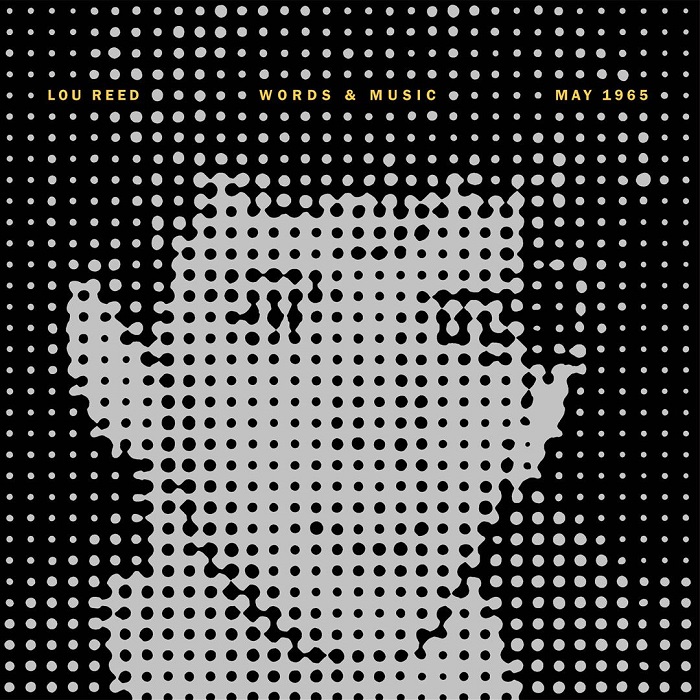
This snapshot of the artist stepping out is particularly interesting when compared to the album that followed soon afterwards. As the first release in the projected Lou Reed Archive Series, Words & Music, May 1965 presented the contents of a demo tape he recorded then mailed himself to preserve its authenticity. Dating from before the recordings heard in the Peel Slowly And See box, he’s still firmly in the thrall of Bob Dylan, from the delivery to the fingerpicking, even on songs we’d get to know via the Velvets. John Cale helps out on several songs, including the immortal “Buttercup Song”, which was teased for decades as “Never Get Emotionally Involved With A Man, Woman, Beast Or Child”, and takes the lead vocal on “Wrap Your Troubles In Dreams”, which features that same maddening single beat on a sarinda as on the box. “Men Of Good Fortune” would be a title he’d use eventually, but not with these words, sung from the point of few of a fair maiden. The other “new” songs are of varying interest, though “Stockpile” has rocking promise. And the early version of “Pale Blue Eyes” is lovely. (As a bonus for some editions of the album, six cuts go even further back, as for as 1958 for his own doo-wop composition “Gee Whiz”, then up to 1963 or 1964 for two Dylan covers—an instrumental “Baby Let Me Follow You Down” and “Don’t Think Twice, It’s All Right” with new words, both with harmonica—plus a run through “Michael, Row The Boat Ashore” and two nondescript blues.)

Together these albums are certainly essential for collectors. For the rest of the world, they actually show a kinder, gentler Lou who just wanted to write catchy songs, rather than the grouch determined to shock and upset.

Lou Reed I’m So Free: The 1971 RCA Demos (2022)—3
Lou Reed
Words & Music, May 1965 (2022)—3

Friday, November 18, 2022

Bruce Springsteen 29: Only The Strong Survive

From the start of his career, Bruce Springsteen would pepper his live sets with covers ready-made for the E Street Band to rip, usually crowd-pleasing numbers by Mitch Ryder and Gary U.S. Bonds. Even in this century he’s led the modern E Streeters through covers for specific occasions, such as “Purple Rain” and “London Calling” in tribute to their deceased auteurs, and even in Australia where he’s honored AC/DC with “Highway To Hell” and INXS with “Don’t Change”. He has always been a student of rock history, and particularly the sounds of classic soul.

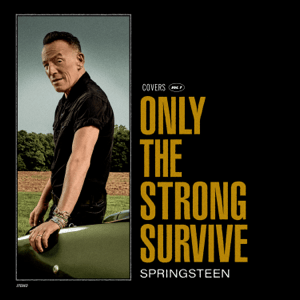
Still, the idea that half a century into his career he’d record an album of nothing but covers—the Pete Seeger album notwithstanding—surprised and concerned many (except of course the diehards who were prepared to love anything he belched onto plastic). Moreover, rather than use the E Street Band, he left the performing and arranging on Only The Strong Survive to yes man Ron Aniello, while the Boss was content to just sing. (Granted, this was the impetus behind John Lennon’s oldies album, which didn’t have the easiest gestation itself.) Add the cover art, which used only his last name, threatened that this was the first of who knows how many volumes, and showed him posing next to yet another car but looking like an extra from The Sopranos, and he was in danger of turning into Rod Stewart, and nobody wants that.

Nonetheless, Bruce throws himself into the music, because he loves it. For the most part, these aren’t songs that were overplayed on the oldies stations back when the ‘60s were mined for those playlists.

The first voice we hear on the album isn’t his, but the backing vocalists setting up the title track. “Soul Days” was a hit from this century by Dobie “Drift Away” Gray, here set up as duet of sorts with the legendary Sam Moore, who already joined Bruce on the Human Touch album. This track should have been faded before the in-studio shout out, but it’s forgotten once the next track starts. It’s astounding to realize that “Nightshift”, a 1985 tribute to the recently departed Marvin Gaye and Jackie Wilson, was a hit song for the suddenly Lionel Richie-less Commodores while Bruce himself was in the middle of the Born In The U.S.A. tour. (One wonders whether Volume 2 will include his interpretation of highlights from the Billy Ocean catalog.) “Do I Love You (Indeed I Do)” gets points for beginning with a guitar and glockenspiel like classic E Street Band, but the horns and strings bring it back to the sound at hand. On “The Sun Ain’t Gonna Shine Anymore” he can’t decide if he wants to be Frankie Valli or Scott Walker, so he tries both; god forbid he use his own voice. “Turn Back The Hands Of Time” is one of the more musically interesting tracks, considering the chord changes and key shift, whereas “When She Was My Girl” was a surprise early-‘80s hit for the Four Tops, who are also represented by the more vintage “7 Rooms Of Gloom”.

“Hey, Western Union Man” comes from the same Jerry Butler album as the title track; modern listeners may well wonder what this “telegram” thing is that keeps getting mentioned. The Temptations get their nod with “I Wish It Would Rain”, a song that’s nearly impossible to screw up, and he doesn’t. Tangentially, “What Becomes Of The Brokenhearted” is a very faithful cop of Jimmy Ruffin’s version. Unfortunately, “Don’t Play That Song” is set in a “party” atmosphere, but fans will likely thrill to the reference to “summer nights down by the shore”. William Bell is represented by the obscure (to us) “Any Other Way” and “I Forgot To Be Your Lover” (another duet with Sam Moore) which we only knew in Billy Idol’s drastic overhaul. “Someday We’ll Be Together” delivers the same sense of farewell as it was when it was a Supremes single in name only.

Only The Strong Survive is not awful. Nor is it absolutely necessary. True believers will love it; everyone else should dig up the original versions, and anything else those artists did.

Bruce Springsteen Only The Strong Survive (2022)—3

Friday, October 28, 2022

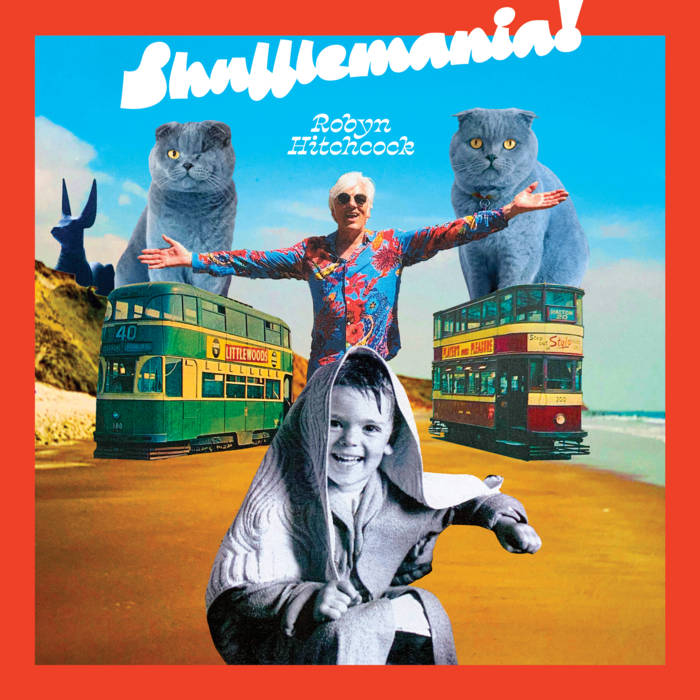
Robyn Hitchcock 33: Shufflemania!

We generally prefer Robyn Hitchcock albums either when he’s completely solo or playing with the same band on all tracks. In many cases, the albums that are pieced together from different sessions with rotating players don’t always succeed, but that can also be blamed on the songs. In the case of Shufflemania! however—though we’re still wondering how or if it’s supposed to related to another album—the scattered approach works. He’d already made the most of the 2020 pandemic to stay as creative as possible, and here he’s collaborated over the wires with 15 other players in as many studios. Some of these people include members of Wilco, the Raconteur who produced his last album, two former Soft Boys, Johnny Marr, Sean Lennon, and the lovely Emma Swift. He started with vocals and guitar, then had his guests fill in the rest.

A demo-quality strum chugs at speed and is soon taken over by a full band on “The Shuffle Man” for a snappy opener before “The Inner Life Of Scorpio” provides a calmer contrast, mostly contributed by Mr. Marr. As usual, the lyrics are inscrutable, as they are in “The Feathery Serpent God”, which is more mysterious but also more satisfying. It wouldn’t be a Robyn Hitchcock without a reference to a bygone mode of transportation, and “Midnight Tram To Nowhere” fits the bill, while “Socrates In Thin Air” returns to the more whimsical lyrics of the ‘80s but with one of his modern choruses.

The suitably moody “Noirer Than Noir” begins a quieter side two, followed by the welcome intricate picking throughout “The Man Who Loves The Rain”. “The Sir Tommy Shovell” is a rocker about an imaginary pub, but we would very much like to visit. Plus, the title is another “shuffle man,” so there you go. “The Raging Muse” is another cool rocker, amazingly cobbled together from recordings done on three continents. While generally hopeful, “One Day (It’s Being Scheduled)” could be slightly improved by not giving away the payoff in the title.

With all that, Shufflemania! holds together well. We’re still waiting for another masterpiece, but this will do in the meantime.

Robyn Hitchcock Shufflemania! (2022)—

Tuesday, October 18, 2022

Smithereens 10: The Lost Album

In 1993, the Smithereens were without a label, but decided to record an album anyway. Then they began negotiations with another label, and promptly abandoned the work in progress for a whole new collection of songs. A Date With The Smithereens was recorded and released to little interest, and onward they went.

Many of the abandoned songs made it to the public in the form of demos and such on various self-produced compilations, but in 2022 what’s simply called The Lost Album made it to shelves. While it’s “80% finished” according to bassist Mike Mesaros’ liner notes—indeed, some tracks have only a tambourine for percussion—it’s still got a freshness and excitement that Date mostly lacked.

The songs lack the big boomy sound that characterized their first albums, but that dearth of punch doesn’t get in the way of the songs, which are all quality. “Out Of This World” is a decent retread of “Top Of The Pops”, and “Dear Abby” thankfully isn’t written as a contribution to an advice column. It sounds like there’s a whole other vocalist on “Don’t Look Down”—allegedly Pat’s own voice as a placeholder for a player to be named later—but “A World Apart” nicely cops the sound of Beatles ‘65 again. So far it’s standard Smithereens, which makes the “Iron Man” stomp of “Stop Bringing Me Down” a welcome departure. After almost six minutes of that, it’s a good switch back to the simple pop of “Pretty Little Lies”.

“Monkey Man” is neither the Stones song, nor the Toots & The Maytals track ska’d up by the Specials, but a terrific riff nonetheless. “Everyday World” is harmless, while “Face The World With Pride” sports a wonderful riff and snappy verses that deserve a better title and hook, no matter how painstakingly it was sung. “Love Runs Wild” and “All Through The Night” probably wanted big productions with strings and whatnot, and while Pat Dinizio’s joke songs don’t usually work, “I’m Sexy” just needs to change that one word to work.

Again, the tunes are solid, and most any would have improved A Date With The Smithereens. It’s doubtful they would have changed the overall fortune of that album, but at least we can hear them now.

The Smithereens The Lost Album (2022)—3

Friday, August 26, 2022

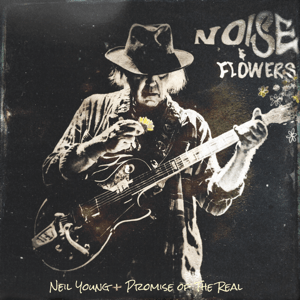
Neil Young 66: Noise & Flowers

Even while working with a rejuvenated Crazy Horse, Neil Young has utilized the services of the band Promise Of The Real for much of the 2010s. Noise & Flowers is their fifth album together, and the second live collection. Unlike the concept-laden Earth, this one’s delivered straight.

The theme is mortality, being that the tour that spawned this album took place immediately following the funeral of Neil’s manager and most consistent ally, Elliot Roberts, to whom the music is dedicated. More to the point, the band is made of players younger than each of Neil’s children; most of the music predates them too. The combination of the Covid pandemic and the sheer volume of music Neil’s been trying to put out in recent years meant this particular collection waited three years for a release, which is probably why it’s been denoted as #21 in the Archives Performance Series.

The sound is cavernous, thanks to the patented Volume Dealers production. The piano comes through the mix, but so do the congas. The crowd goes nuts for the obvious hits, even when the music teeters considerably throughout the ten-minute “Rockin’ In The Free World”—listen for the a slam against “an orange Lucifer using this song again”—but these ears like hearing such relative rarities as “Field Of Opportunity”, “Alabama”, and “I’ve Been Waiting For You”. The band is supportive on thrashers like “Throw Your Hatred Down”, but tend to rush on softer numbers like “From Hank To Hendrix”. No songs from Colorado, which was already in the can and months away from release, are included.

Again, there are plenty of pickup bands around the world who know his songs inside out and can play them as well as the Horse. For Neil, it’s about feel. And if Elliot approves, so do we. (As has been his wont, there is a matching DVD with all the performances on film. It’s very jarring to see Neil with a band that exudes such energy—he hasn’t had a bass player that animated since he played with Pearl Jam.)

Neil Young + Promise Of The Real Noise & Flowers (2022)—3

Friday, August 5, 2022

Elvis Costello 37: The Resurrection Of Rust

In 1972, an up-and-coming singer-songwriter named D.P. MacManus joined forces with a fellow aspirant named Allan Mayes in the latter’s combo, a folk-rock outfit dubbed Rusty. Eventually whittled down to the duo, the pair performed under that moniker for about 18 months in and around Liverpool before going their separate ways. In time MacManus would change his name to Elvis Costello, and while Mayes has continued to play music professionally in the decades since, he hasn’t attained a fraction of the acclaim or notoriety his erstwhile partner has.

Roughly fifty years after their initial collaboration, the two reunited to finally record what amounts to a six-song demo. The Resurrection Of Rust is supposedly drawn from their old repertoire, now with the added extra of having the Imposters backing them on each track. (As with Elvis’s last album, all the parts were recorded from various studios around the world, brought together in the mix. Thanks, Covid.) As a bonus, the prominent organ on the infectious “Surrender To The Rhythm” is contributed by Bob Andrews, who played on the original Brinsley Schwarz recording.

That song and the slower, soulful “Don’t Lose Your Grip On Love” are Nick Lowe covers—a writer who looms large in Costello’s history, and whose voice that of Mayes occasionally resembles—from the same album, while “I’m Ahead If I Can Quit While I’m Behind” was also covered by the Brinsleys back then. “Warm House (And An Hour Of Joy)” is a D.P. McManus original said to be a crowd-pleaser back then; here he sings it in his “precious” voice and harmonizes with himself as well as Mayes. “Maureen And Sam” is possibly the most intriguing song, since this original co-write would one day emerge heavily re-written as “Ghost Train”. In this incarnation, the subjects of the song are treated with much more pathos, with major-seventh chords to match. The staccato sections may have been part of the original arrangement, but here Elvis plays it way too heavy, and the canned applause halfway through distracts. The mood is lifted by their medley of Neil Young’s “Everybody Knows This Is Nowhere” and “Dance, Dance, Dance”; Elvis makes his long-awaited debut on electric violin here, in addition to the mandolin he trills here and elsewhere. (We’re pretty sure he wasn’t proficient on those in 1972. To make collectors even more irate, the Japanese version includes an actual Rusty demo from that year, the lo-fi “Silver Minute”.)

Pleasant as it is, the duo’s voices aren’t a natural blend—Elvis tends to emote to his nature, while Mayes sings low yet convincingly on his own. He’s the better guitarist, having spent all that time on the road playing covers, but Elvis nudges his own leads into the mix here and there. Nonetheless, The Resurrection Of Rust is a labor of love, and the mutual affection is evident in every note. A sequel would be welcome.

Rusty The Resurrection Of Rust (2022)—3

Friday, July 15, 2022

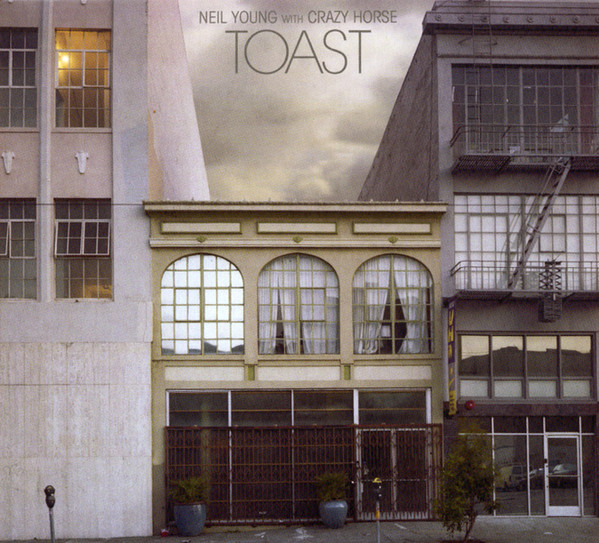
Neil Young 65: Toast

Remarkably, or maybe not, the first two “unreleased” albums Neil Young issued as part of his Archives’ Special Release Series have a similar history. Like Homegrown, Toast was started, abandoned, and then superseded by another album that didn’t directly relate to issues in his personal life. We may never know the full details of the “rough patch” that found Neil living in San Francisco while his wife and kids were back at the ranch, but apparently that experience colored the lyrics and his overall mood. At any rate, he began again with Booker T and the MG’s a few months later, and those sessions resulting in Are You Passionate? the following year.

Crazy Horse is definitely a different band than the MG’s in more ways than one, so one would think Toast (named after the studio where it was recorded) would have a more, shall we say, primitive sound. However, the earlier takes of the songs that made it to Passionate show that their soul-influenced arrangements were well in place before Booker T et al got hold of them. If anything, those tunes recall the Bluenotes, which also started as a Crazy Horse project before Neil replaced the rhythm section.

“Quit” lacks its subtitle, as well as Booker T’s organ, but it’s basically identical to the later take, right down to the female vocals. Knowing what we know now, it’s eerie to hear Pegi singing on it, but it stands out better here, without the sameness of the tracks on Passionate surrounding it. In contrast, “Standing In The Light Of Love” is total grunge, from the pounding riff to Neil’s strangled vocals, and much more what we expect from the Horse. It’s also one of those tracks that, amazingly, had stayed buried all this time, even after being revived in 2014. That said, “Goin’ Home” is still the best song of the batch, though this mix fades the song during the final solo, rather than coming to an abrupt halt, which we always liked. “Timberline” is another one of those legendary lost songs from the era, but this ragged take shows its shortcomings. The sloppiness doesn’t really match the desperation in the narrative about an unemployed logger, which needs more development. (We say this while being quite aware that it’s precisely the kind of track that people love from the Horse.)

A distinct improvement is “Gateway Of Love”, which was teased on the back cover of Passionate and played live with the Horse throughout that summer. It’s the only track we hear that has the “Latin influence” Poncho Sampedro mentioned in interviews about the shelved album; most of that is in the drums, while the bass could go either way. “How Ya Doin’?” is an odd title for what became “Mr. Disappointment”, since that question only surfaced in the later recording. This earlier version is sung in Neil’s natural voice, rather than the low rasp he adopted for the album. “Boom Boom Boom” is the same song as “She’s A Healer”, except that it’s longer and taken just a tad slower. Once again the eventual title features prominently in the lyrics, while the initial title does not. At thirteen minutes it does drag, but the jazzy bridge stands out more, and Tom Bray adds a trumpet, just as he would on the later album. Neil overdubbed a few stabs at a piano, and somebody’s playing the vibes and tapping bongos.

Toast is still unfinished as an album, and likely wouldn’t have wowed us had it come out instead back then. The disparate styles don’t cohere very well, but at least there are more dynamics, so it’s superior to Passionate, and will likely get more spins round our way. Moreover, his voice isn’t as strained here. It’s not as revelatory as Homegrown, and it hasn’t had as many decades of speculation to live up to, but once again we want to hear everything else he’s been sitting on.

Neil Young With Crazy Horse Toast (2022)—3

Friday, May 13, 2022

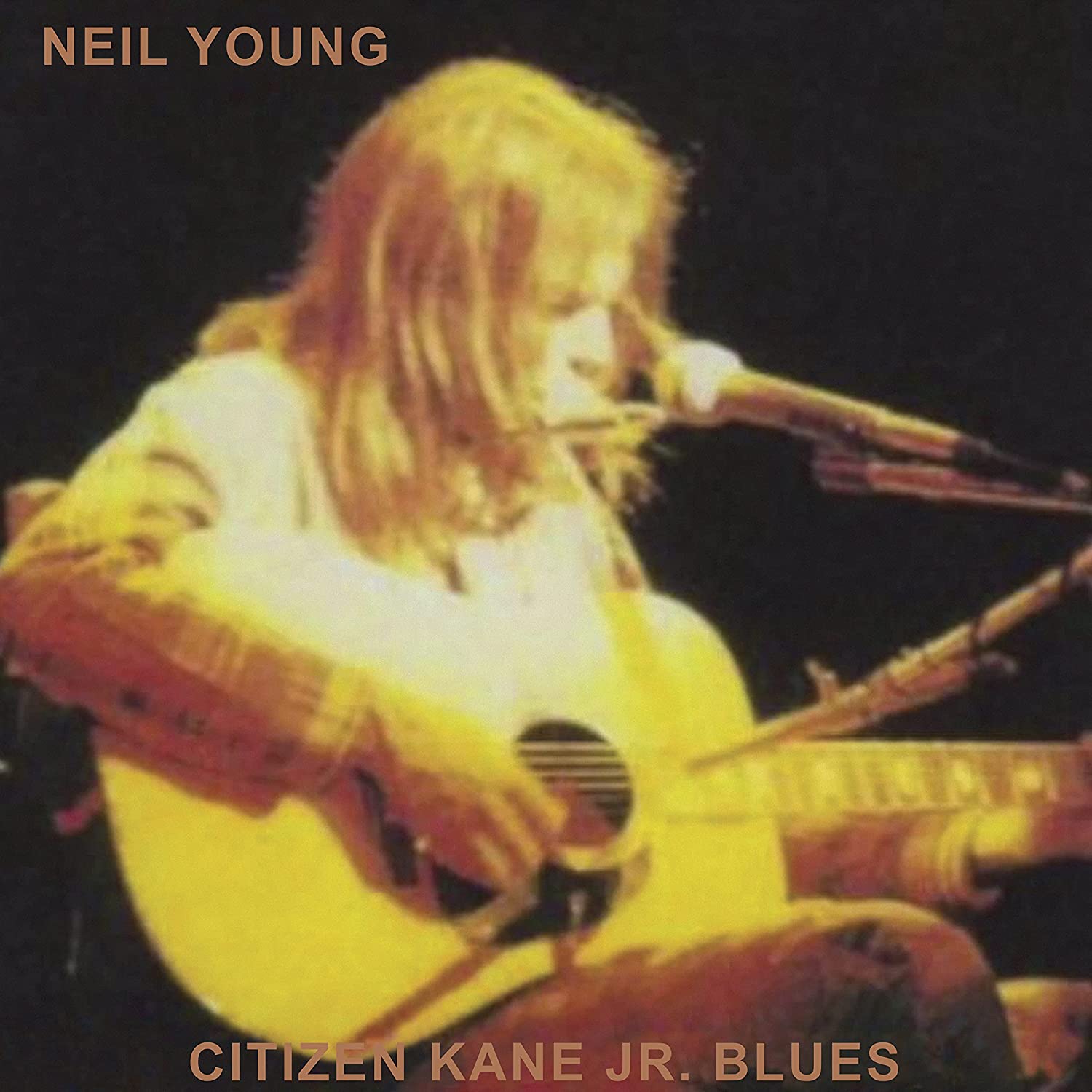
Neil Young 64: Citizen Kane Jr. Blues

Eighteen months after they were originally announced, the second, third, and fourth installments in Neil’s Official Bootleg Series finally appeared. Two of these chronicled shows only two days apart, and mined material already on four other archival releases. But most fans were far more excited about a show that should have been part of Archives Vol. II—it even fits chronologically between two of that set’s discs.

Citizen Kane Jr. Blues was mastered from the original cassette recording of an impromptu set played in the wee hours at New York City’s Bottom Line following a Ry Cooder gig; Leon Redbone was the opener. Neil had just finished recording On The Beach, but would only play four of that album’s songs, and played even further material that had yet to be released, or even recorded in the forms we would get to know them. (The show was edited to fit on two vinyl sides, but Neil does provide a “complete” stream of the album on his site, which runs about ten minutes longer, mostly due to a lengthy monologue before “Motion Pictures” that explains why he hasn’t played “Southern Man” in a while, and discusses “honey slides”, a potent marijuana concoction that allegedly fueled his recent writing and recording.)

After a brief introduction, he introduces a song with a title that gives this boot its title, but would come to be known as “Pushed It Over The End” and a highlight of the upcoming summer’s CSNY tour. Even without the dynamics of the full band, the stop-start arrangement is hypnotic. He introduces “Long May You Run” as a song he wrote about his car, and the audience chuckles throughout. “Greensleeves” is delivered straight, to silence, then he apologetically sets up “Ambulance Blues” for being a “bummer”, but again, they hang on to every line. At the time, only “Helpless” had made it to an album, and the crowd is happy to hear it.

“Revolution Blues” is just as spooky acoustic, and he downplays the down mood of “On The Beach” by opening with a few guitar licks in the style of Stephen Stills. An inebriated-sounding request for “something country-western” prompts “Roll Another Number (For The Road)”, which is appreciated with clapalongs and yee-haws. Even without the full intro “Motion Pictures” is mesmerizing. He offers the crowd a choice between two songs for his last number, but they want to hear both, so they get a lovely “Pardon My Heart” and then “Dance Dance Dance”, a month away from mutating into “Love Is A Rose”.

Basically, if you love this period of Neil, Citizen Kane Jr. Blues is essential. While he’s been all about sound quality, and replicating other bootlegs with pristine tapes from his own Archives, this show is intimate, raw, and seemingly much more spontaneous. Even the stray coughs from the crowd enhance the natural ambience. And it’s from a period that hasn’t been as documented as, say, early 1971. There will never likely be a better-sounding version of this show, and that’s fine.

Neil Young Citizen Kane Jr. Blues (2022)—4

Friday, April 8, 2022

Elvis Costello 36: The Boy Named If

Considering how many genres he’s spanned in his career—particularly in the 21st century—PR folks have an easy time of it whenever Elvis Costello releases “his most rocking album since” whatever the last one was that fit that description. In the case of The Boy Named If, this is not hype. The album crashes out of the speakers from the first moment, and more or less stays at that volume. Due to the nature of the post-Covid world, and the worldwide residences of individual Imposters, the album was pieced together via the mixing stage from at least five different recording locations. Yet incredibly, it sounds live and dynamic, a testament to the intuition and interplay of the performers, as well as the engineers.

With a nearly dissonant riff that keeps the song off balance, “Farewell, OK” is all spit and spite, a kiss-off like he’s often done. The title track limps into place like that of When I Was Cruel, but this is a better song as well as performance, with lots of input from Steve Nieve’s keyboards. While we’re talking throwbacks, “Penelope Halfpenny” recalls “Georgie And Her Rival”; his voice even sounds 30 years younger. “The Difference” threatens to be one of the character studies on Momofuku but emerges as a lost Brutal Youth track, right down to the violent revenge in the lyrics. “What If I Can’t Give You Anything But Love?” expertly condenses the rustic Americana and propulsion of The Delivery Man, with some wonderfully chaotic fretwork. After all that onslaught, “Paint The Rose Red Blue” provides some welcome, not exactly useless beauty, but again, the violence in the lyrics isn’t focused, despite the strong melody. “Mistook Me For A Friend” kicks the pretty mood away with more verbose anger and throwback sound.

“My Most Beautiful Mistake” isn’t the first time he’s used a film set as a setting and metaphor; this one is notable for the harmonies and more prominent input from one Nicole Atkins. One of our correspondents pointed out the bass riff of “Magnificent Hurt” being identical to that of Cyndi Lauper’s “She Bop”; as with “Farewell, OK” Elvis’s atonal fretwork against the key keeps the song fresh. “The Man You Love To Hate” is a noisy burlesque number, then Pete Thomas beats a busy tattoo on the busy samba of “The Death Of Magic Thinking”. “Trick Out The Truth” spews out a litany of rhymes and arcane references to describe a nightmare that’s more odd than scary, while crickets contribute to the tempo. “Mr. Crescent” also threatens to be another obscure portrait, but the song, a quietly strummed benediction, is much better than most of his similar titles.

The Boy Named If is basically the rock album Elvis Costello didn’t make for the better part of fifteen years, devoid of extraneous collaborators and dramatic works in progress. With Sebastian Krys he’s found a collaborator in the booth who can navigate his styles and whims. The Imposters continue to be valuable interpreters, and his voice is as sharp and melodic as ever, as if he’s been stuck in a time warp. It’s a welcome return. (Elvis also continues to save money on design by painting his own album covers. For those who had to have more, a limited edition package contained even more canvas daubs along with short stories to accompany each song that are as impenetrable as the lyrics. Then, by year’s end a companion album of sorts called The Boy Named If (Alive At Memphis Magnetic) was released digitally, including tracks and covers recorded during live rehearsals, plus a remix of “Magnificent Hurt” by a Japanese duo.)

Elvis Costello & The Imposters The Boy Named If (2022)—