Showing posts with label 1991. Show all posts

Friday, June 19, 2026

Elton John 31: Two Rooms

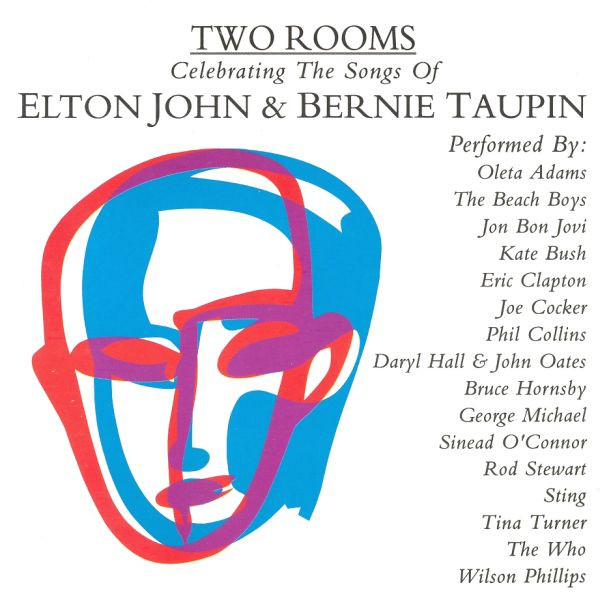
A multi-disc overview was one way for Elton John to assess his career, but he wasn’t done doing that. Along with the box set trend, thematic tribute albums began to be a thing in the ‘90s. Just as with the Grateful Dead the same year, Two Rooms was an all-star compilation “celebrating the songs of Elton John and Bernie Taupin”. Most of the songs were fairly faithful to the original, while still allowing the artists to put their own stamp.

Eric Clapton injects more gospel and a great solo into “Border Song”, then Kate Bush makes “Rocket Man” reggae, albeit with Uillian pipes. Sting’s “Come Down In Time” is a great choice, handled very gently, while the Who plow through “Saturday Night’s Alright For Fighting” with a quote from “Take Me To The Pilot”, just as Elton put “I Can’t Explain” in his version of “Pinball Wizard”. While the photo of the Beach Boys shows Brian Wilson, it’s only Carl, Al Jardine, and Bruce Johnston singing “Crocodile Rock” over a prerecorded track, while Mike Love chimes in with “re-mem-mem, remember-member”. Fittingly, Wilson Phillips (then still popular) follow with “Daniel”. Joe Cocker does a wonderful job belting out “Sorry Seems To Be The Hardest Word”, unfortunately given a boomy arrangement with in-your-face saxophone. Jon Bon Jovi does a band karaoke version of “Levon”; hearing the American pronunciation of “garage”, jars here.

Tina Turner tackles “The Bitch Is Back” for the second time in her career, and nails it, but while “Philadelphia Freedom” is fitting for Hall & Oates, their reading is pretty limp. Twenty years after recording “Country Comfort”, Rod Stewart goes the safe route with a tepid “Your Song”. Oleta Adams, then riding on a hit single, makes “Don’t Let The Sun Go Down On Me” that much more soulful, then Bruce Hornsby takes “Madman Across The Water” to a more gothic place. Sinead O’Connor’s gentle, heartfelt interpretation of “Sacrifice” is possibly the highlight of the album, while Phil Collins’ straight take on “Burn Down The Mission” is mostly notable for Steve Winwood on organ (according to the credits, anyway). George Michael offers a lengthy live “Tonight” with winds and strings, since “Don’t Let The Sun Go Down On Me” had already been claimed; his own duet with Elton on the latter from the same show would be released shortly as a single.

Two Rooms was promoted by a feature-length documentary on VHS, followed by an abridged TV special hosted by Sylvester Stallone of all people. The album wasn’t likely to make new fans for these artists, and like most tribute packages, the novelty wears off quickly. Seventeen years later, the concept would be repeated with a pair of albums with the intent of “reimagining the songs of Elton John & Bernie Taupin”: Revamp sported covers by modern artists ranging from Miley Cyrus and Lady Gaga to the Killers and Queens of the Stone Age, while Restoration was devoted to country artists.

Two Rooms: Celebrating The Songs Of Elton John & Bernie Taupin (1991)—3

Friday, April 24, 2026

Kinks 34: Did Ya and Phobia

Having somehow made it through the ‘80s, could the Kinks extend their longevity to a fourth decade? Their new manager hoped so. First, they’d need a new label, and Columbia stepped up. At a time when the CD was king, the band took the new opportunity to release an EP, with the single “Did Ya” as the lead track.

This charming little ditty was very reminiscent of “Sunny Afternoon” and “Dead End Street”, right down to the wheezing harmonium and backing vocals. This time Ray Davies’ concerns about the decline of British society were wrapped in wistful disappointment at the broken promises of the swingin’ sixties. As long as they were looking back, “Gotta Move”—originally the B-side to “All Day And All Of The Night”—is an outtake from The Road, and “Days” got a new acoustic busk with a not-too-raucous backing. But the irritating “New World” would be something of an extension of “Aggravation” from UK Jive, and a rant about Europe fifty years after the start of World War II. Much better is Dave Davies’ “Look Through Any Doorway”, instrumentally, lyrically, and musically, and deserves wider exposure than the end of an EP.

Eighteen months later, none of these were included on the band’s next album in the U.S., though “Did Ya” was added in some territories. Instead, Phobia was an entity all its own, and at 71 minutes their longest album since Preservation Act 2.

A forty-second “Opening” of dueling guitars gives way to the slow but big riffs of “Wall Of Fire”, an angry piece of social commentary. Following a brief pastoral opening, “Drift Away” is more of the same—neither a rewrite of “Loony Balloon” from UK Jive, nor is it remake of the Dobie Gray hit. While the sentiments in “Still Searching” seem genuine, and the performance is wonderful, the song is treacly and trite, two words we don’t normally associate with Ray Davies. (Plus, following a song that insists “sometimes I wish I could just drift away” with one that opens with “I’m just a drifter who has lost his way” is just sloppy sequencing.)

The title track brings back the crunch, and is one of his better litanies of neurosis, though we can’t imagine stadiums singing along. “Only A Dream” is this close to being one of his better tunes of late; all he’d have to do is jettison the spoken-word sections, where he rivals Pete Townshend in the creepy old man race. Titlewise, “Don’t” would be better extended to “Don’t Look Down”, as that’s the main hook, and an excellent metaphor we don’t think he’s touched on before. Along the same lanes, while “Babies” touches on all kinds of psychological ramifications of overpopulation, couldn’t he have found a better title?

The circus metaphors in “Over The Edge” don’t excuse a keyboard hook straight out of “Freeze-Frame” by the J. Geils Band, but he still manages to cram a lot of lyrics in. “Surviving” takes the other tack, being to find one hook and beat it into the ground. The best part of this six-minute opus is the breakdown over the final two, where they repeat a few wordless phrases over trilling acoustics and what sounds like at least one banjo. Dave’s guitar and harmonies have been prominent thus far, and “It’s Alright (Don’t Think About It)” provides something of a defiant determination with a spidery riff any grunge or hair metal band would have killed to have. “The Informer” comes completely out of left field, a gentle monologue by one pub patron to another, hinting at lots of back story and intrigue that’s only alluded to and never explained, unless we’re missing something really obvious.

Not so with “Hatred (A Duet)”, which seems to be the answer to some suit’s idea that it would hilarious if the Davies brothers sang a song about how they really feel about each other. It’s generally embarrassing. There’s no metaphor in “Somebody Stole My Car” unless you really want one; the best part is the “beep beep yeah” quote at the end. Only two tracks after yelling at each other, the boys were able to swap verses and harmonize on “Close To The Wire”, another example of Dave summing up a side’s worth of Ray’s angst in one song. The best is saved for last, as “Scattered” opens with a strum of “Lola” dobro and travels through rather dour subject matter—she’s gone and I’m alone, we all turn to dust someday—over a very jaunty tune, complete with accordion.

For the most part, Phobia isn’t a “bad” Kinks album, especially considering the handful that preceded it. The music is driven mostly by guitars, and the drums only occasionally sound canned, so on the surface, the album rocks. When you try to get into it, however, its flaws emerge, and you wish they had kept the songs tight and compact, rather than try to fill up a CD. It must have been too much for the band, as to date, it is the last Kinks album of new material. God rest the Kinks.

The Kinks Did Ya (1991)—
The Kinks
Phobia (1993)—3

Friday, February 13, 2026

Jerry Garcia 10: Jerry Garcia Band

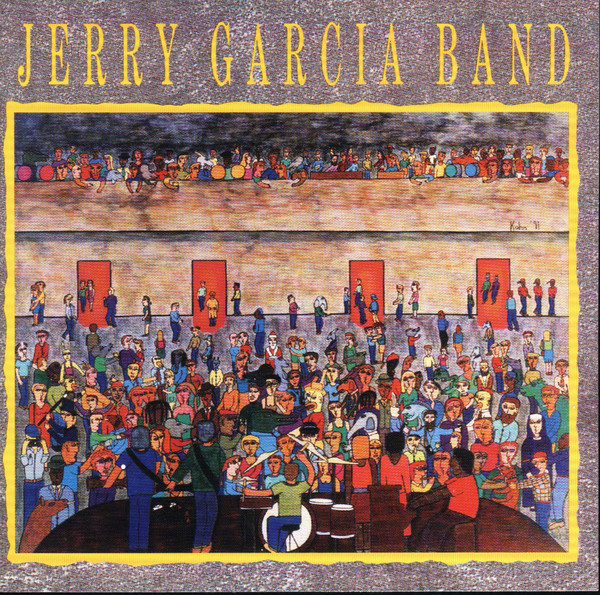
With the Dead regularly touring, reaching and dealing with larger audiences, Jerry Garcia still took the opportunity to just go out and play. The most recent incarnation of the Jerry Garcia Band had been together for four years when a two series of shows at San Francisco’s Warfield Theater became the basis for an eponymous double CD a year later.

Besides being performed by musician who knew how to play off each other, what makes Jerry Garcia Band stand out is the variety and breadth of the songs they play. Bob Dylan is the main touchstone, with covers of “Simple Twist Of Fate”, “I Shall Be Released”, “Tangled Up In Blue”, and the deeper cut of “Señor (Tales Of Yankee Power)”. (We might as well count “The Night They Drove Old Dixie Down” as a close relation, and Bob also loved “That Lucky Old Sun”.) “Dear Prudence” was a surprise to newbies, but the band had been jamming on it for years. Other revered songwriters include Smokey Robinson, Allen Toussaint, Bruce Cockburn, Peter Tosh, and Los Lobos. The only song familiar from his other band—albeit via his first solo album—is “Deal”, nicely set up for the break between discs.

The CD (and cassette) format was the best way to present this stuff, as each selection averages an eight-minute duration; “Don’t Let Go” is twice that, approaching free-form at one point. But it’s not all Jerry noodling, as Melvin Seals is often allowed to explore his keyboards, and John Kahn even gets to solo on his bass. Granted, most of the tunes are slow, often reggae-tinged, but we’re not here for shredding. He’s a little raspy, but hits the notes most of the time.

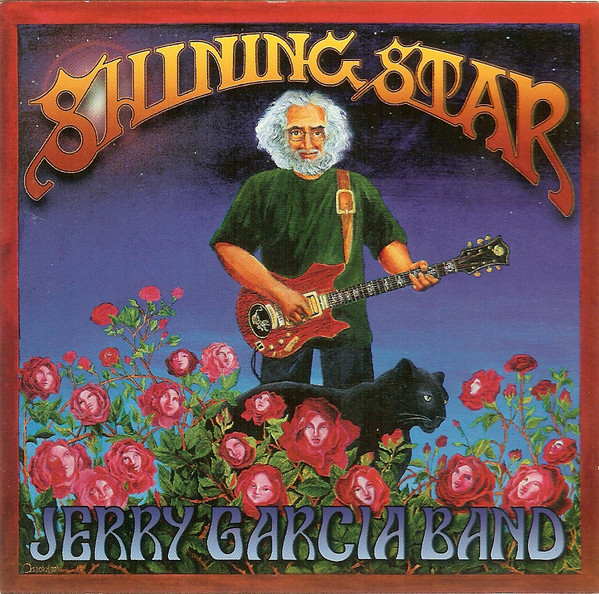
After Jerry died, the keepers of the vault made sure to unearth more of his solo excursions along with those of his main band. Overall more uptempo than Jerry Garcia Band, How Sweet It Is… had two more Dylan songs (“Tough Mama”, of all things, and “Tears Of Rage” via The Band), two from Cats Under The Stars, one from Compliments, the title track as made famous by Marvin Gaye (or perhaps James Taylor to this crowd), and some relatively obscure bluesy covers. Four years later, Shining Star presented two more CDs pulled from a wider net, covering over five years of gigs for even shakier vocals. This time six covers from Compliments were interspersed with such surprises as the album’s title track, first heard by the Manhattans, Daniel Lanois’ much-travelled “The Maker”, more Motown, R&B, and Dylan, and even “Midnight Moonlight” from Old & In The Way. Further into this century, individual shows and venue runs have been spotlit from time to time as well, as seen below, so there’s plenty more where this came from.

Jerry Garcia Band Jerry Garcia Band (1991)—3
Jerry Garcia Band
How Sweet It Is (1997)—3
Jerry Garcia Band
Shining Star (2001)—3
     Archival releases of same vintage:
     • Pure Jerry: Merriweather Post Pavilion (2005)
     • Garcia Live Volume Two (2013)
     • Fall 1989: The Long Island Sound (2013)
     • Garcia Live Volume 10 (2018)
     • Electric On The Eel (2019)
     • Garcia Live Volume 13 (2020)
     • Live At The Warfield (2025)

Friday, January 9, 2026

Kinks 33: Lost And Found

Just because the Kinks only released three albums with MCA, that was no reason for the label not to anthologize them. Yet even in the one country in the world where it was released, Lost And Found only fulfilled the first half of its title. (London Records in the UK didn’t bother.)

That said, it did collect some of the better songs of the period, beginning with “The Road”. “UK Jive” still wouldn’t make sense to Americans, but the virtual title track and “Working At The Factory” still belong on any Kinks anthology. Unfortunately, “Think Visual” and “Welcome To Sleazy Town” don’t invite any empathy. “How Do I Get Close” still sounded contemporary in 1991, but why would any compiler choose “The Video Shop” instead of, say, “Rock ‘N Roll Cities”, which actually got airplay? (Our guess: Dave Davies wrote it, not Ray, but that doesn’t explain “Now And Then” over “Down All The Days”.)

The well was pretty shallow to begin with, but they attempted to lure the unsuspecting with three tracks from Live: The Road. One of those is Dave’s “Living On A Thin Line”, but while “Apeman” thrills the small crowd, “Give The People What They Want” isn’t meant to be ironic. Even by cherry-picking from three lackluster sources, it’s unnecessary.

The Kinks Lost And Found (1986-89) (1991)—2

Friday, October 17, 2025

Jerry Garcia 9: Garcia/Grisman

David Grisman was the originator of “Dawg” music, a mix of bluegrass and jazz that highly appealed to his buddy Jerry Garcia. Deadheads would have heard his mandolin on “Friend Of The Devil” and “Ripple”, and he was a key component of Jerry’s Old & In The Way project. The two of them loved sitting and picking together, with Jerry on guitar and sometimes banjo, and once Grisman installed a studio in his house, it was only natural that they’d record some of their sessions.

Released on Grisman’s own label, Jerry Garcia/David Grisman was the first of the albums that have commemorated their collaboration. With occasional fiddle from Joe Craven, who also adds percussion, the overall feel is very much in the tradition of Django Reinhardt and Stéphane Grappelli, which was the point. They loved playing pre-war tunes, like “Russian Lullaby” and “Rockin’ Chair”, and “Two Soldiers” was likely the source for Bob Dylan’s own cover. Their take on the blues classic “The Thrill Is Gone” is way cool, but the retread of “Friend Of The Devil” is unnecessary. Just as impressive are the instrumentals “Grateful Dawg” (which lent its title to a 2001 documentary about the pair, which spawned a soundtrack album including live performances among previously released material) and “Dawg’s Waltz”. “Arabia”, which incorporates a Cuban melody, is a bit much at 16 minutes, but it does include an upright bass solo.

Two years later, Not For Kids Only took a similar approach, leaning heavily on traditional songs and the occasional nursery rhyme. It really does live up to its title, with charming lyrics, helpful liner notes, and familiar tunes, like “There Ain’t No Bugs On Me”, and “A Horse Named Bill” sung over “Dixie”. The tune of “Teddy Bear’s Picnic” might be familiar to tapers as one of Nicky Hopkins’ go-to timekillers onstage; here it’s got a more ragtime feel. Jerry’s voice isn’t as strong as before, but his cover art is very sweet, as are the pair’s goofy exchanges on “Arkansas Traveller”. Nice as the album is, Grisman took it upon himself to add other musicians, including the Wrecking Crew’s Hal Blaine, on a variety of instruments “while Jerry was out touring”. That’s fine sometimes, except when the Jew’s harp and animal sounds get in the way. (In 2024, the Bare Bones: The Duo Recordings download presented three discs’ worth of alternate and pre-embellishment tracks from this and other Garcia/Grisman albums, making it easier to focus on just them.)

After Jerry died, Grisman added more volumes to their catalog, drawing from the same fertile period. Shady Grove focused again on traditional and folk songs; with the exception of “Stealin’” and “Jackaroo”, many of these hadn’t made it to any stage Garcia was on since before the Dead formed. A thick booklet provided recording details as well as the history of the songs, with lyrics, in an attempt to suggest that the album was a through line to the work of Harry Smith and Alan Lomax. Even when there are other players, the approach throughout is laidback and relaxed, with between-take chatter too, but Jerry’s voice is shot for most of it.

That’s not an issue for So What, which presents three takes of the title track and two of “Milestones” (both by Miles Davis) plus two of Milt Jackson’s “Bags’ Groove” (also recorded by Miles) and one of Grisman’s own, “16/16”. These were all tried at different sessions, so any similarities end beyond the basic framework of each. The rhythm section and occasional flute are present but not obtrusive. The two friends are the focus and play off each other so well, it’s clear they know these tunes inside out. And with no singing, one can concentrate on their phenomenal fretwork. It’s too bad there isn’t more of this mode.
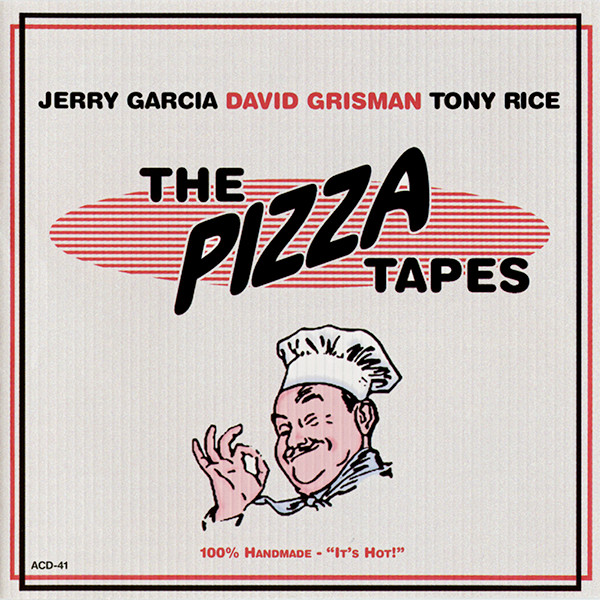
A unique tangent to these albums is The Pizza Tapes, which got its moniker from the highly plausible tale of a dub being given to or stolen by a pizza delivery driver at Garcia’s house, after which it became a widely traded bootleg until Grisman made it official. This was a trio session, recorded over two days with legendary bluegrass guitarist Tony Rice sitting in with the pair. Given the pedigree of their guest, most of the material leans towards the songs already heard on the albums already described, but with some other familiar tunes, like “Knockin’ On Heaven’s Door”, “Long Black Veil”, “Summertime”, “House Of The Rising Sun”, and supposedly Garcia’s only known performance of “Amazing Grace”. Throughout, Rice adds a wonderful dimension, and they’re clearly having a ball, and not just when goofing on the Addams Family theme and the Good Humor truck jingle in the sections indexed as “Appetizers”. (Ten years later Grisman released a three-CD expanded “Extra Large Edition”, which added more rehearsals and takes of the songs on the album, and further chatter.)
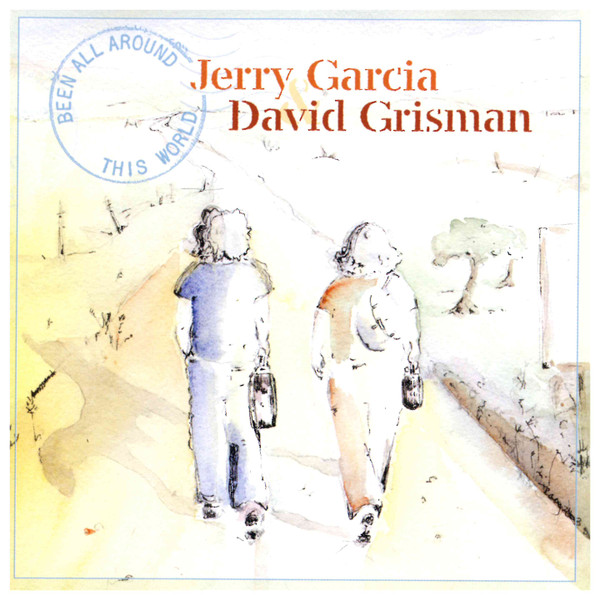
A few years went by what was stated as the final volume was released, and to date, it still is. Been All Around This World is the most wide-ranging of them all, running the gamut from standards like the title track (which the Dead had played for years, and was also a staple of the Jerry Garcia Acoustic Band) and tunes by Merle Travis, Jimmie Rodgers, and Mel Tillis to surprises like Dylan’s “Ballad Of Frankie Lee And Judas Priest”, Jimmy Cliff’s “Sittin’ Here In Limbo”, “Take Me” by George Jones, and wackiest of all, James Brown’s “I’ll Go Crazy”. “Handsome Cabin Boy Waltz” had already appeared on Shady Grove, but this instrumental version with flute is lovely.

While Grisman did manage to get several albums out of a finite well, the good news is that it’s all high quality. If you like one, you’ll probably like all the others.

Jerry Garcia/David Grisman Jerry Garcia/David Grisman (1991)—
Jerry Garcia/David Grisman
Not For Kids Only (1993)—3
Jerry Garcia/David Grisman
Shady Grove (1996)—3
Jerry Garcia & David Grisman
So What (1998)—
Jerry Garcia/David Grisman/Tony Rice
The Pizza Tapes (2000)—
2010 Extra Large Edition: same as 2000, plus 19 extra tracks
Jerry Garcia & David Grisman Grateful Dawg: The Original Motion Picture Soundtrack (2001)—3
Jerry Garcia & David Grisman
Been All Around This World (2004)—3
Friday, May 2, 2025

Grateful Dead 22: One From The Vault

Back in 1975, the Grateful Dead had just finished recording their Blues For Allah album, and invited a bunch of radio people from a nearby convention to hear it as part of their promotion. Fifteen or so years later, the existence of a superior recording (as broadcast on the radio soon after) coupled with the novelty of being captured in the midst of their lengthy break from touring made it a good choice to kick off their latest archival series, on their own label. (In solidarity with the environmental movement to eliminate longbox packaging for CDs, the album came in the new digipack style, which made it easy to display on store racks, and prone to scuffs and tearing at home.)

One From The Vault presents the complete show, the band kicking in while Bill Graham is doing his introduction, with the first set (and disc) concentrating mostly on side one of the album, melding in “It Must Have Been The Roses” and “Eyes Of The World”, which incorporates a “Drums” detour. The second set starts with a slowed-down “Around And Around”, closing the first disc as the rest of the show filled the second disc to capacity. Following “Sugaree” and “Big River”, it’s on to side two of Blues For Allah, with another “Drums” detour, “The Other One”, “Goin’ Down The Road Feelin’ Bad”, and “U.S. Blues” before ending with a 20-minute exploration of the title suite, complete with miked crickets, for the only time ever. It’s a good gig musically as well as historically. (Only one other show from this era has officially surfaced, albeit in a limited 80-CD box set: a free concert in conjunction with Jefferson Starship; see below.)

The album was followed into stores a week later by an all-star tribute album distributed by Arista, who were probably wondering when they’d get another Dead album themselves. Deadicated was designed to benefit rainforest and indigenous peoples causes, and featured mostly faithful covers by the likes of Elvis Costello, Cowboy Junkies, Warren Zevon, Indigo Girls, Los Lobos, Dr. John, and new sideman Bruce Hornsby. A few Georgia Satellites and Heartbreakers gang up as the Harshed Mellows to stomp through “U.S. Blues”, and Suzanne Vega manages to create a medley of “China Doll” and “Cassidy”. Dwight Yoakam and Lyle Lovett mildly countrify “Truckin’” and “Friend Of The Devil” respectively; Burning Spear takes “Estimated Prophet” even further into reggae; Midnight Oil matches the mystery of “Wharf Rat”; and Jane’s Addiction makes “Ripple” fairly goofy. All in all, the matchups work and the album flows.

Grateful Dead One From The Vault (1991)—3
     Archival release of same vintage:
     • 30 Trips Around The Sun: The Definitive Live Story 1965-1995 (2015)
     • Blues For Allah: 50th Anniversary Deluxe Edition (2025)
Deadicated: A Tribute To The Grateful Dead (1991)—

Tuesday, February 11, 2025

Rickie Lee Jones 6: Pop Pop

Female vocalists doing standards albums had become a thing by the ‘90s, but anyone who’d paid attention to Rickie Lee Jones since her initial emergence shouldn’t have been surprised by Pop Pop. What does make it stand out from, say, Linda Ronstadt’s work with Nelson Riddle or Natalie Cole’s tribute to her own father was her approach. On most of the tracks she’s accompanied by Robben Ford on a nylon string guitar, with subtle standup bass from either Charlie Haden or John Leftwich. A bandoneon appears, as does an occasional sax, but for the most part it’s all very quiet.

Her renditions of warhorses like “My One And Only Love” and “Bye Bye Blackbird” are nice and not at all blasphemous. “The Second Time Around” has the softest violin solo we’ve ever heard. However, “Dat Dere” is already based on baby talk, so we don’t need the sound of cooing infants in the mix. (“I Won’t Grow Up” is more effective in the overall context.) So when she springs Hendrix’s “Up From The Skies” on us, it fits right in. Producer David Was—the other guy in Was (Not Was) that’s not Don Was—gets extra royalties by contributing “Love Junkyard”, which is the loudest the album gets, with the most players, and the closest to her own classic sound. Jefferson Airplane’s “Comin’ Back To Me”, taken even more delicately than the original, provides a truly haunting finale.

Rickie Lee Jones Pop Pop (1991)—3

Friday, November 22, 2024

Guns N’ Roses 4: Use Your Illusion II

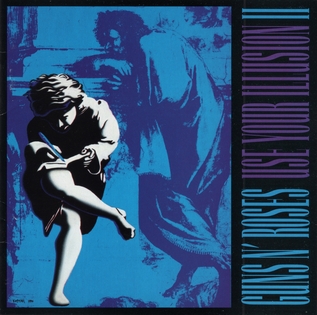
Releasing two albums at once meant that the chances of both hitting #1 in Billboard were slim, even for Guns N’ Roses. Somehow Use Your Illusion II (the blue and purple one) beat out its brother for the top slot. Arguably it was the better album anyway, with more variety and depth.

“Civil War” had been out for a year already, having been recorded when Steven Adler was still in the band, and included on an album compiled to benefit a charity founded by Olivia Harrison. It begins with Strother Martin’s iconic speech from Cool Hand Luke, and sets a somber tone for the rest of the album. “14 Years” was Izzy Stradlin’s best song of the batch he brought to the project; he sings the verses and Axl Rose handles the choruses, and they might as well be two separate songs stuck together. “Yesterdays” is less bitter but still disgruntled, and one of Axl’s better tunes. Their cover of “Knockin’ On Heaven’s Door” had also been released previously on a Tom Cruise movie soundtrack, but in a slightly different mix.

Just when you think they’ve grown up, “Get In The Ring” sends us back to grade school. Yelled by Axl and Duff McKagan, between audience chants recorded live on tour only months before, it’s a basic eff-you to anyone and everyone, and particularly various writers and magazines who had been less than complimentary about the band. Duff helps out also with “Shotgun Blues”, which is just as angry and profane but doesn’t name names. The side is redeemed by “Breakdown”, another long but well-constructed track with introspective lyrics, with another film reference; this time Axl impersonates Cleavon Little from Vanishing Point over the last couple minutes.

Izzy returns with “Pretty Tied Up”, which seesaws between mythology in the verses and an incongruous chorus, but it’s got an undeniable strut. And while thus far they’ve chosen to open or close sides with the epics, “Locomotive” runs nearly nine minutes in the middle of side three. It’s a showcase for Slash, and we’re amazed that with all the tweaking these albums underwent, they never bothered to fix Axl’s time issues on the choruses. It’s even got a cool piano-driven coda. But then Duff steps up to the mic to mewl the bulk of “So Fine”, a mostly inoffensive power ballad with a truly stupid bridge.

We’re not done with the epics yet, as “Estranged” runs for nine minutes, has a lot of Axl on piano and Slash soloing constantly, and can be heard as something of a companion to “November Rain”. But it’s mainly remembered today for its inexplicably bonkers video, released two years after the album came out, wherein Axl is chased by SWAT teams, sent to the nut house, and pursued by helicopters, finally leaping from an oil tanker to swim with dolphins. Then it’s back to the beginning of the cycle with “You Could Be Mine”, first released on the Terminator II soundtrack and something of a rockin’ sorbet in the spirit of the debut. “Don’t Cry (Alt. Lyrics)” has different verses but the same choruses as the “Original” on the other album, and nobody was ready for “My World”, basically an Axl-driven industrial rap experiment that sounds like a joke but probably wasn’t.

While there are some truly cringey moments on Use Your Illusion II, it remains an excellent demonstration of the band’s collective and individual talents. They weren’t just another hair metal band. (A week later, the major-label debut from a Seattle band called Nirvana was released, also on Geffen. The first album by another Seattle band, called Pearl Jam, had come out at the end of August. Meanwhile, new albums by such previously multiplatinum acts as Skid Row, White Lion, and Tesla did not break any sales records. The music business was changing again.)

Once again the Deluxe Edition added a disc of various live tracks from the shows, not all of which were included in the Super Deluxe Use Your Illusion box. And once again most of the GN’R songs were on the main reissue, with some interesting extras, like “Mama Kin” and “Train Kept A-Rollin’” with Steven Tyler and Joe Perry of Aerosmith at a show in Paris. A segment from the same show encompasses a seven-minute drum solo, a four-minute Slash guitar solo that finds its way to the Godfather theme, and Queen’s “Sail Away Sweet Sister”. For some reason “Civil War” is bookended by the “Voodoo Child” riff, and “Knockin’ On Heaven’s Door” is prefaced by the riff but no sung lines from Alice Cooper’s “Only Women Bleed”. By this time the band had two keyboard players, backing vocalists, and a horn section, so Axl didn’t have to handle both playing and singing things like “Estranged”. And boy, did he holler a lot.

Guns N’ Roses Use Your Illusion II (1991)—3
2022 Deluxe Edition: same as 1991, plus 13 extra tracks

Tuesday, November 19, 2024

Guns N’ Roses 3: Use Your Illusion I

Back in 1991, Guns N’ Roses had been taking an eternity to complete their next album. They were touring to promote it while still tinkering with it, to the extent that Use Your Illusion would finally arrive as two double-album-length CDs, available separately. This was the biggest thing to happen in the record business in years, as demonstrated by nationwide midnight sales. Nobody wanted to be the only one at school to not have the new GN’R albums, and everyone had to have them both.

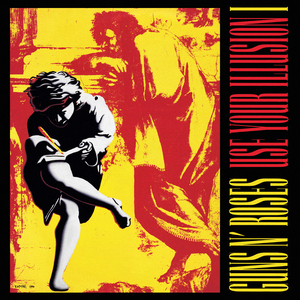
Use Your Illusion I, or the red and yellow one, was probably the closest in spirit to the debut, in that it was more about straight-ahead rock. By now Steven Adler had been bounced from the band, replaced by Matt Sorum, who was best known for touring with the Cult, but had also done time with a woman soon to be known as Tori Amos. He was, and is, a heavy hitter, exactly the type of drummer needed to fill a stadium P.A., but frankly lacked the swing that Adler exhibited on the first album. Another sign that we’re on the other side of the bell curve is the individual writing credits; where previous songs were credited to the band as a whole, now it was clear which ones Axl Rose wrote by himself, and moreso when it was an Izzy Stradlin tune.

Duff McKagan’s bass and a Slash riff kick off “Right Next Door To Hell”, one of several rapid-fire vocals from Axl. Izzy takes the first of three(!) lead vocals on the album for “Dust N’ Bones”, though it’s mostly buried under Slash’s lead line. Their cover of Wings’ “Live And Let Die” was surprising yet nearly note-for-note, but most people were probably on board for “Don’t Cry”, their new power ballad and smash single, and wondering if he really held that last note for 30 seconds. “Perfect Crime” is more high-speed yelling, and best during the slower break.

Izzy dominates what LP owners called side two, starting with “You Ain’t The First”, which could have fit on side two of Lies. Michael Monroe of Hanoi Rocks honks harmonica and saxophone on “Bad Obsession”, and we can also hear new member Dizzy Reed on piano. It’s one of several songs here that garnered the parental advisory sticker and prevented the album(s) from being sold at stores like Walmart, along with the overly angry “Back Off Bitch”. “Double Talkin’ Jive” is another piledriver riff, mostly sung by Izzy with Axl helping, that manages to find its way to an extended flamenco-style coda.

The centerpiece of the album was “November Rain”, the epic piano-based showstopper Axl had been concocting since he bought his first Elton John album. It was made even more inescapable in those days thanks to its over-the-top video, which ran the full length of the song’s nine minutes. (The canned strings used on the original album were replaced thirty years later by actual strings for the album’s Deluxe Edition, and still sound cheesy.) “The Garden” begins somewhat subdued, and wanders around one chord until Alice Cooper’s guest appearances. It tends to drag, which can’t be said about the oddly sequenced “Garden Of Eden”, which is twice the speed and half the length. “Don’t Damn Me” is this volume’s response to Axl’s critics over his homophobia, racism, misogyny, etc. It’s another song that benefits from the dynamics of a slowed-down midsection.

“Bad Apples” begins with a taste of funk but soon descends into straight boogie, while “Dead Horse” is bookended by Axl singing and strumming his acoustic, in the same style as the main, heavier meat of the song. All this is a mere prelude to “Coma”, which Axl and Slash wrote after separate overdoses and takes up the final ten minutes of the album. The riff offsets the heartbeat kick drum, and spoken interludes by medical experts with matching sound effects aren’t too gratuitous—though the nagging female voices don’t evoke much sympathy for the singer’s plight—and the cyclical music manages to support Axl’s closing rant.

As with most double albums, Use Your Illusion I could have easily been shaved down to a single, but that wasn’t part of the plan. Considering that two of the best songs together took 20 minutes, Izzy likely would have seen only one of his songs included, if at all, had they tried to condense it. But we can only take so much of Axl’s wordy screaming song after song—even he needed a teleprompter onstage to get all the words right.

In addition to the new mix of “November Rain” inserted into to the original sequence, the album’s Deluxe Edition added an hour’s worth of live tracks from a variety of shows—mostly songs from the album, plus such unique tunes as a cover of the Misfits’ “Attitude” sung by Duff, “Always On The Run” with Lenny Kravitz (who wrote the song with Slash), “November Rain” prefaced by Black Sabbath’s “It’s Alright”, and a mostly instrumental take on the Stones’ “Wild Horses”. Shannon Hoon, eventually of Blind Melon, sings on two songs. Not all of these were included in the seven-CD-plus-Blu-ray Super Deluxe Edition, which added two full concerts: two discs from the Ritz (the former Studio 54) at the start of the tour, and three discs from Las Vegas eight months into it. A lot of music, to be sure.

Guns N’ Roses Use Your Illusion I (1991)—3
2022 Deluxe Edition: “same” as 1991, plus 13 extra tracks

Friday, March 8, 2024

Clash 8: Story Of The Clash

Maybe it’s just us, but the distance between 1983 and 1988 seems a lot wider than other five-year spans within decades. So when it came out, the double-LP retrospective The Story Of The Clash, Vol. 1 seemed like an overdue look back to a much different time. The back cover nicely noted the release dates of each track, while the gatefold liner notes in miniscule print by one Albert Transom (aka Joe Strummer) bordered on stream of consciousness without really illuminating the music. (The UK version of the album had custom labels with each member’s face on a different side, while the US were stuck with stock Epic labels.)

The chronology seems to go backward, but still has something of a logic to it. Anyone who only knew Combat Rock might have been thrown by the near-disco opener in “The Magnificent Seven” before getting to the songs they already knew. Another funk-dub hybrid, “This Is Radio Clash”, makes its first album appearance, and “Armagideon Time” is nicely given a bigger platform. Side two further explores the pop-leaning side, via such favorites as “Train In Vain” and “I Fought The Law”, but also curveballs like “The Guns Of Brixton” and “Bankrobber”.

The other two sides of the album are mostly devoted to the first two albums and the earliest punk singles; of course, some of those had been included on the American version of the first album, so they weren’t as rare for us. (Also, “Capitol Radio” is the original UK EP version with the interview snippet at the top.) But for a jump to “London Calling” and “Spanish Bombs”, the set ends well on “Police And Thieves”.

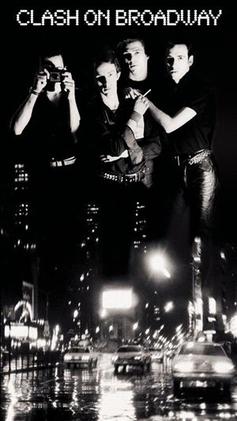
Naturally, anybody would say that four sides of Clash music would leave something out—only two tracks from Sandinista!?—but a Volume 2 never happened. Instead, once everybody started getting a box set, the Clash did too. Clash On Broadway was designed for CD as opposed to vinyl or cassette, and therefore at three discs had than double the capacity of Story Of The Clash.

Along with all the key albums, singles, and B-sides, box sets had to have rarities. Disc one delivers with demos of “Janie Jones” and “Career Opportunities” produced by Guy Stevens, and live versions of “English Civil War” and “I Fought The Law”. American consumers would have appreciated the songs from the first UK album, which hadn’t made it to CD yet. Disc two is dominated by Give ‘Em Enough Rope (plus the decent outtake “One Emotion”) and London Calling, while the third disc features a live “Lightning Strikes (Not Once But Twice)”, a soulful cover of “Every Little Bit Hurts”, the outtake “Midnight To Stevens”, and the unedited take of “Straight To Hell”. While not listed anywhere, “Street Parade” ends the set.

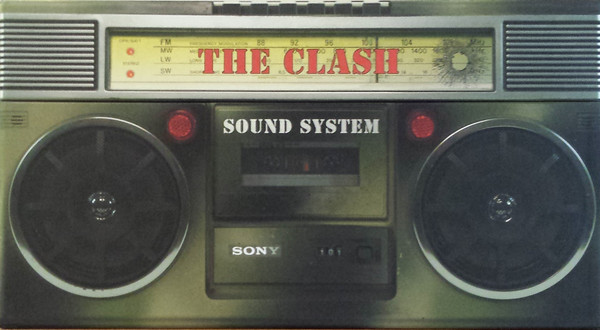
In the 21st century, box sets were expected to include absolutely everything if consumers were going to buy them again. Sound System—cleverly designed like a boom box—offered the first five albums on eight discs, plus two discs mopping up singles, B-sides, and outtakes, rounded out by alternate mixes of Combat Rock material. Another disc had nine early demos and six live songs from the Lyceum in 1978. Even with all that, only six of the rarities from Clash On Broadway were included in the set, making that first box a keeper.

Sound System also contained a DVD and piles of ephemera, which made the eight-disc 5 Album Studio Set, designed like a road case, a cheaper option. Or you could spring for the newly curated, less obvious The Clash Hits Back two-disc set, which was derived from a 1982 gig setlist, and we’d be interested in hearing the actual gig. It was also 20 minutes shorter than 2003’s more chronological The Essential Clash, which happened to be the only one of these compilations to include anything from Cut The Crap.

The Clash The Story Of The Clash, Vol. 1 (1988)—4
The Clash
Clash On Broadway (1991)—4
The Clash
The Essential Clash (2003)—
The Clash
Sound System (2013)—
The Clash
The Clash Hits Back (2013)—

Friday, July 21, 2023

Donald Fagen 2: New York Rock And Soul Revue

Steely Dan stayed pretty quiet throughout the ‘80s, separately and collectively, only emerging for the occasional production job. So when Donald Fagen surfaced in 1991 as part of an outfit dubbed The New York Rock And Soul Revue, the resultant live album was a pretty big deal. To some people, anyway.

Live At The Beacon was recorded over two nights at the wondrous Manhattan theater of the title, and delivers pretty much what the combo promises in their moniker. A bunch of gigging and session locals back up Fagen and various special guests on a variety of tunes, mostly from decades prior, for something of a cross between Paul Shaffer and Ringo’s All-Starr Band. Michael McDonald and Phoebe Snow are the most prominent vocalists, beginning with a duet on “Knock On Wood”. Donald steps up for a cool take on “Green Flower Street”, and Phoebe belts out “Shakey Ground” and “At Last”. Michael responds with “Lonely Teardrops”, then Boz Scaggs comes out to sing “Drowning In The Sea Of Love”, but not play guitar. (Rather, stalwart sideman Drew Zingg gets the call-out.)

Blues legend Charles Brown gets the spotlight for his own classic “Driftin’ Blues”, and joins Donald and Phoebe on the Dan’s “Chain Lightning”. The Brigati brothers represent the (Young) Rascals for “Groovin’”, and there’s an unfortunate detour for Michael to sing “Minute By Minute” before the throng gathers for “People Got To Be Free”. The encore is a wonderful “Pretzel Logic”, wherein Michael sings the verse about the shoes.

It’s a slick album, but not necessarily bland. And they were never heard from again. The yuppies loved it, and hopefully dug deeper into the catalogs of the guest performers.

The New York Rock And Soul Revue Live At The Beacon (1991)—3

Friday, May 19, 2023

Frank Zappa 49: You Can’t Do That On Stage Anymore Vol. 4

By volume four of the You Can’t Do That On Stage Anymore series, Frank seemed content to let the music stand, as the liner notes consist only of technical info about each track, and no other commentary. Other than most of the music coming from 1984 shows, there’s no overlying theme tying everything together.

On disc one, there’s a nice stretch from “My Guitar Wants To Kill Your Mama” through “Willie The Pimp” into “Montana”, though the latter jumps between 1984 and 1973. “Brown Moses” and “The Evil Prince” are more musical and less provocative than they are on Thing-Fish, but not necessarily improved; the guitar solo is the best part of the latter. “Let’s Move To Cleveland Solos” is limited to just that, beginning with a five seconds in 1973 then forward to 1984 with a guest appearance by sax man Archie Shepp. This jazz odyssey switches to a percussive improvisation from 1969 dubbed “You Call That Music?”, before we travel to 1982 for the synths of “Pound For A Brown Solos”. “Take Me Out Of The Ball Game” is performed in Spain with Ike Willis and Walt Fowler impersonating Atlanta Braves announcers and other clichés common to modern baseball. The big historical highlight is the first known version of “The Torture Never Stops”, sung by Captain Beefheart.

Disc two undercuts much of the musical content with attempts at humor, such as the cataloguing of objects used in “Stevie’s Spanking”, the Jim Morrison spoof from the reliable Factory in the Bronx in 1969 of “Tiny Sick Tears”, and seven minutes of nose-picking discussion traversing two tracks from 1974. Perhaps in internal commentary, “Are You Upset?” is a confrontation with an angry Fillmore East attendee in 1969 who didn’t appreciate the improv. This provides a transition to the six brief doo-wop covers that fill up the balance of the disc.

Most of Vol. 4 is devoted to music and soloing, so it would be a decent sampler for folks starting out, though the jokes may deter them from going further. Those seeking even more only had to wait a month after this volume was unleashed when Frank started selling his own bootlegs in an attempt to cut into the profits of the underground. Beat The Boots! offered a box of CDs (also sold separately) that replicated the artwork and generally atrocious sound of eight bootleg albums selected from the previous years. A second volume of seven titles followed a year later, and another six discs’ worth made up the third “volume”, released for download in 2009.

Frank Zappa You Can’t Do That On Stage Anymore Vol. 4 (1991)—3

Friday, January 20, 2023

Frank Zappa 48: Best Band and Jazz Noise

Frank spent the first two years of the ‘90s visiting formerly Communist countries and overseeing the CD debuts of several catalog items. Then the summer of 1991 brought forth not one but two double-CDs dedicated to performances by the 1988 band, referred to directly in the title of the first set.

The Best Band You Never Heard In Your Life was likely the more accessible of the two for most people, consisting of more familiar songs plus comedic threads. Despite being cobbled from multiple locations, the first disc is presented much like a standard set, with something of an intro amid “Heavy Duty Judy”. Mike Keneally gets to hone his Johnny Cash impression, not only on “Ring Of Fire” but several songs after. A variety of old favorites make way for a reggae arrangement of Ravel’s “Bolero” with a now-customary quote from “My Sharona”, and four songs from One Size Fits All close the disc.

The second disc sports some interesting covers, beginning with robotic stabs at both “Purple Haze” and “Sunshine Of Your Love” from a soundcheck. “When Irish Eyes Are Smiling” (performed on St. Patrick’s Day) segues into the theme from The Godfather before a “comedy” monologue in the guise of a Southern televangelist. Several lyrical changes ridiculing Jimmy Swaggart dot the next handful of songs, and the first part of “The Torture Never Stops” incorporates several classic TV show themes. The highlight of the album, and certainly the tour, was their arrangement of “Stairway To Heaven”, taken at a reggae pace, which switches to ska for the guitar solo, played note for note in unison by the horn section, then to the original’s tempo for the finale. (Not included, allegedly for copyright reasons, was the band’s “Beatles Medley”, which put new words, mostly about Swaggart, to the original melodies and arrangements of “Norwegian Wood”, “Lucy In The Sky With Diamonds”, and “Strawberry Fields Forever”. One such performance would finally surface on Zappa ’88: The Last U.S. Show in 2021.)

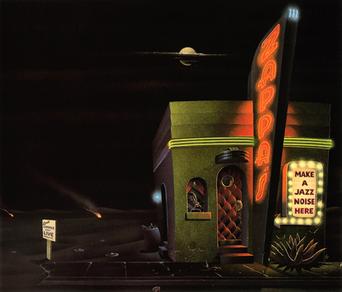
Make A Jazz Noise Here gets its title from an aside in “Big Swifty” that includes quotes from several classical pieces. As a whole it’s more concerned with instrumentals, solos, and improvisation, but he made sure to include an opening “Stinkfoot” to talk more about Jimmy Swaggart. A long piece combining various chunks from “Pound For A Brown” featuring manipulated samples gives way thankfully to the “Orange County Lumber Truck Medley” into “Theme From Lumpy Gravy”. A lengthy “King Kong” is given the reggae treatment, with a monologue from Bruce Fowler about prehistoric fish and Congressional samples breaking up the solos, that degenerates into a free-for-all titled “Star Wars Won’t Work”.

The second disc is devoted to more noodling for fans of the more adventurous material of the previous decade, including “The Black Page”, “Dupree’s Paradise” (much shorter than on the Helsinki album), and “Sinister Footwear”, with a couple of detours into brief performances of pieces by Bartok and Stravinsky. We suspect “Stevie’s Spanking” was included simply because Mr. Vai had been more visible in the hair metal tape racks, but it’s an opportunity for Frank to shred, as he also does on “Alien Orifice”, “Cruisin’ For Burgers”, and “Advance Romance”. “Strictly Genteel” provides, as always, a nice finale.

If you like the other releases by the 1988 band, Make A Jazz Noise Here does complete the set, but it’s much more indulgent and geared towards musos and other geeks. Its rating therefore reflects its necessity.

Frank Zappa The Best Band You Never Heard In Your Life (1991)—3
Frank Zappa
Make A Jazz Noise Here (1991)—

Tuesday, April 13, 2021

David Byrne 4: The Forest and Uh-Oh

One of the perks of having your own record label in the ‘90s—especially if it was distributed by the Warner Communications empire—was that you could pretty much put out any old album you wanted, regardless of genre or sales potential. David Byrne was still a viable name back then, so some people may have expected something quirky and catchy from him. (Besides, Talking Heads weren’t officially done as a band anyway, not that Jerry Harrison or Tom Tom Club were moving units on their own.)

So 1991’s official follow-up to the quirky and yes, catchy Rei Momo was naturally another ambitious piece tied to a Robert Wilson theater project. We’ve read several online descriptions and reviews of The Forest, and none strike us as anything we’d want to sit through, but the music, which is predominantly orchestral, has a cinematic grandeur about it. (Considering that it was arranged and conducted by the legendary Jimmie Haskell, that would be expected.) In fact, the few occasions where vocals are heard detract from the whole.

By the end of the year the other Heads announced that since David had left they’d basically broken up, which might have given Uh-Oh some publicity, particularly since it was an album of college radio-friendly songs. There are some remnants of the Latin sounds from Rei Momo, but overall it sounds more like his previous band, and just as angry as he was on Naked. (Some familiar names appear among the backup singers and horn section, plus the bass player is none other than the legendary George Porter Jr. from the Meters.)

“Now I’m Your Mom” would be a clever song about gender identity, but it’s punctured the instant the title is stated in a jokey falsetto; “Girls On My Mind” is both more straightforward and more fun. “Something Ain’t Right” is a herky-jerky expression of anger toward God, whereas the narrator of “She’s Mad” seems to be the object of spousal abuse from his wife. “Hanging Upside Down” is sung from the point of view of a teenage mall rat, but the empty lifestyle is belied by the music. That’s not the case with “A Walk In The Dark”, which conjures monsters under the bed and other spooky specters but with something of a Buster Poindexter attitude.

“Twistin’ In The Wind” cleverly opens with a musical joke, but that’s abandoned for a series of disconnected couplets. “The Cowboy Mambo (Hey Lookit Me Now)” conjures neither cowboy music nor much of a mambo, but it breaks the record for the most times “shit” is intoned in one of the album’s tracks. He’s not the first guy to write a song called “Monkey Man”, but this one is described by a soldier fresh from battle and likely suffering PTSD. “A Million Miles Away” is also a well-used title, but it’s more universal in its “take this job and shove it” sentiment. “Tiny Town” is a cute plea for unity, and forgotten by the time “Somebody” explores the struggle of women of color. Or so he says.

Not that anyone noticed, but Uh-Oh was easily the most accessible album David Byrne had put out since Little Creatures. Fans of the less challenging Heads albums would be pleased.

David Byrne The Forest (1991)—3
David Byrne
Uh-Oh (1992)—3

Tuesday, August 18, 2020

Todd Rundgren 24: 2nd Wind

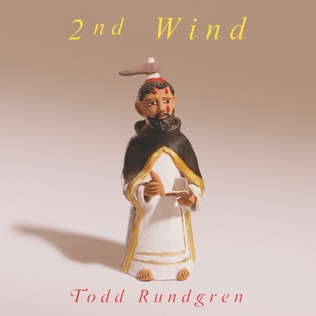
Given the span of time that preceded Nearly Human, Todd Rundgren was comparatively quick with a follow-up. Following the example of that album, 2nd Wind was recorded live in front of a theater audience, who are only heard applauding after one track. Unfortunately, the album also follows the adult contemporary sound to an uncomfortable result.

Once again the single opens the album, and “Change Myself” is mostly harmless if wimpy. “Love Science” comes off as yet another James Brown parody, and while “Who’s Sorry Now” has its moments, it’s dragged out way too long, even with the brevity of a lounge sax solo.
There’s a Broadway element to the presentation, which is enforced by the inclusion of three songs from the little-known musical Up Against It, most famous for being adapted from playwright Joe Orton’s rejected screenplay for the Beatles’ third, ultimately unmade film. While it has ancestors in Todd’s previous Gilbert & Sullivan’s flirtations, “The Smell Of Money” sticks out like the proverbial sore thumb, and “Love In Disguise” is excruciatingly mewled Lloyd Webber-style by two members of the ensemble in addition to Todd. “If I Have To Be Alone”, however, works as a classic Rundgren track, regardless of album, band, or concept.

Even after those are out of the way, the vibe continues, as proven by the over-meticulous but still compelling “Kindness”. “Public Servant” provides a welcome break from form, flirting with the political commentary that would surface in his writing soon. “Gaya’s Eyes” is an awfully long way to go to insist we save the planet before it’s too late. Except for the instrumentation, the title track seems to recall the earliest prog experiments with the original Utopia.

While still adding up to less than an hour, 2nd Wind is tiring in its length, most of the songs topping five minutes. The band consists of such Rundgren all-stars as Roger Powell and members of the Tubes, plus Ross Valory of Journey, who was probably thrilled with the paycheck. It’s too bad that such care and preparation went into something so underwhelming. (Cue gnashing of teeth and angry tirades from Todd diehards.)

Todd Rundgren 2nd Wind (1991)—2

Tuesday, July 7, 2020

Jeff Beck 12: Beckology

Once the ‘90s arrived, everybody who’d been around long enough got the box set treatment. Eric Clapton already had his, so the folks in Columbia’s Legacy reissue department got to work on anthologizing the guitarist in the Yardbirds who’d played on most of their hits. And since Rod Stewart was in a mild career renaissance, it made sense that Jeff Beck was recognized one of the people who helped him on his way. Still, those chapters in his career were only part of the story Beckology told on three discs.

First of all, the packaging was stellar. In the era when box sets measured six by twelve inches or so, to fit in reconfigured record racks alongside the notorious longbox, Beckology was designed to resemble a classic tweed Fender guitar case, complete with the images of handle and hinges on the spines. Inside, the booklet showed a burgundy Stratocaster resting on plush velvet fabric, and the inside cover even showed the impression of the strings and hardware. Somebody in the art department knew what they were doing.

The first disc opens with three rare tracks by the Tridents, his first professional band, then serves up 15 essential Yardbirds sides—a boon for collectors, as this period of the band has been a discographical mess—capped by four live cuts from BBC radio. Fittingly, the disc closes with the “Hi Ho Silver Lining” and “Tally Man” singles, proving that as a lead singer he was an incredible guitarist, and the classic “Beck’s Bolero” B-side.

The second disc covers both Jeff Beck Groups, including something of a rarity in the “Drinking Again” B-side with Rod Stewart, as well as a couple of the more impressive instrumentals from the Bobby Tench incarnation. Beck, Bogert & Appice are represented by “Superstition” from their one album, a nine-minute “Black Cat Moan” from the Japanese live album, a 16-minute live medley of “Blues Deluxe”, “You Shook Me” (with Jeff on vocoder), and “BBA Boogie” that refuses to end, and a decent studio outtake wonderfully titled “Jizz Whizz”.

The third disc dips into the so-called fusion albums of the latter half of the ‘70s, as well as Flash and Guitar Shop, balanced out with various covers issued on such soundtracks as Twins and Porky’s Revenge. His takes on “The Stumble” and “Sleep Walk” are faithful, but the rare “Wild Thing” single is mostly notable for unnecessary key changes.

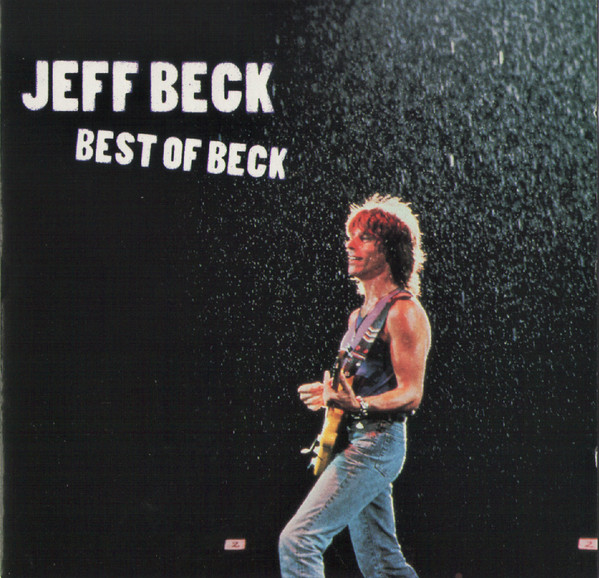
There’s a lot to like on Beckology, and a lot to endure. A few years went by before the label attempted a single-disc compilation, but even Best Of Beck didn’t merely distill the box. With the exception of “Going Down”, the vocal tracks feature Rod Stewart, while the bulk of the set leans on the instrumental side, and wisely. Of the tracks not repeated from the box, “Freeway Jam” appears in its studio incarnation, “Two Rivers” is a substitution from Guitar Shop, while “Scatterbrain” and “Blue Wind” further sample the fusion period. “She’s A Woman” is still as goofy as ever.

Jeff Beck Beckology (1991)—3
Jeff Beck
Best Of Beck (1995)—

Friday, May 8, 2020

Prince 13: Diamonds And Pearls

After a few years of less-than-stellar music, and seeing the genre now called R&B evolving without him, Prince needed to start making hits again. To his credit, he began working with a set collective of musicians with whom he could interact, and thus The New Power Generation was brought forward. Some members even took prominent roles in the videos and other appearances, in the spirit of the Revolution an eternal half-decade before. (They also included dancers and rappers, which we’ll get to soon enough.) Diamonds And Pearls confidently presented the new combo; Prince being Prince, the artwork sported a holograph, and the interchangeable women flanking him on the cover and the videos were dubbed Diamond and Pearl.

He must have been inspired, as research tells us that for the first time in forever, all the tracks were developed specifically for the album, with nothing recycled from the vault. It’s a solid set start to finish, and paced well. “Thunder” has a dark groove, and “Daddy Pop” focuses on fun; unfortunately, NPG rapper Tony M takes over the second half of the song, and will elsewhere. Vocalist and keyboard player Rosie Gaines makes a much better impression on the title track, which was one of many hit singles, as was “Cream”. He dusts off his falsetto for the mildly jazzy “Strollin’” and “Willing And Able”, while the more decadent “Gett Off” was wisely chosen to provoke as the first single.

“Walk Don’t Walk” features protégée Elisa Fiorillo prominently, and cleverly uses a car horn sample as part of the track. It’s a sharp detour into “Jughead”, a Tony M showcase that sounds like a cross between The Time and Digital Underground and just doesn’t fit, the closing “argument” being particularly intrusive. “Money Don’t Matter 2 Night” is much more like it, a mid-tempo confection, then “Push” confuses everything, combining his early funk, Clare Fischer strings, and interjections from Rosie and Tony. “Insatiable” is complete slow jam along the lines of “International Lover”, but rather than end the album there, “Live 4 Love” turns the beat up again. Seeing as it’s subtitled “Last Words From The Cockpit”, perhaps the connection was intended; it even takes time for an extended guitar solo, a rarity on this album.

We’ve given a lot of Prince albums the three-star rating, even the more trying ones. Diamonds And Pearls was very much in the R&B vein, and far away from guitar-driven rock, so those of us not concerned with the pop charts didn’t pay much attention. (His propensity for turbans and buttless pants didn’t excite us much either.) But it was clear the little freak still had it, and deserved the sales that followed.

It took a while, but a long-gestating expansion program finally appeared in celebration of the album’s 32nd birthday. The remastered album was paired with a disc of “single mixes and edits” for the Deluxe Edition, whereas the Super Deluxe Edition added another three hours of vault tracks, including songs written for and/or recorded at the time by the likes of Rosie, Chaka Khan, Mavis Staples, and Martika, plus two discs devoted to a concert at his Glam Slam nightclub. This is a hot show, focusing on the album but including previews of “The Sacrifice Of Victor” and “Sexy M.F.”—the next album already being complete—plus his reclaimed “Nothing Compares 2 U”. “Cream” and “1999” kick off lengthy jams, the latter into “Baby I’m A Star”. Tony M is all over it, and the set ends with the standard version of “Gett Off” followed by the “Houstyle” arrangement. (A Blu-ray included the video of this show and others, along with the complete Diamonds And Pearls Video Collection, which interspersed videos with band interviews.) All together, a motherlode for fans of the album.

Prince & The New Power Generation Diamonds And Pearls (1991)—3
2023 Deluxe Edition: same as 1991, plus 15 extra tracks (Super Deluxe Editions adds another 47 tracks plus Blu-ray)

Friday, March 27, 2020

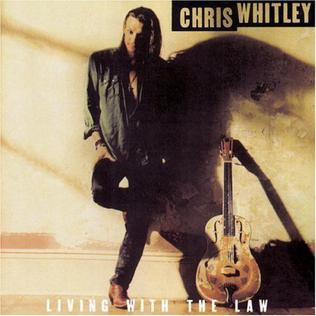
Chris Whitley: Living With The Law

Here’s an album we very likely would never have heard had a friend not told us, “It’s the closest thing you’re going to find to that Daniel Lanois album you like so much.”

Indeed, Living With The Law was produced by Malcolm Burn and engineered by Mark Howard, both Lanois protégés who had been involved with Acadie and other productions. But instead of applying the sound to established legends like Robbie Robertson and Bob Dylan, this time the recipient was somebody brand new on any scene. Chris Whitley was a good-looking kid with long hair who specialized in open tunings on National acoustic and occasional electric guitars, with a voice that flipped easily from growl to falsetto and back. The rhythm section was the familiar Lanois crew of Daryl Johnson and Ronald Jones, with Bill Dillon adding the more straightforward guitar parts.

From the opening “Excerpt”—a few seconds of tuning up—the overall sound is dusty, wide open space, rooms with bare light bulbs, radios that go in and out of reception (used to good effect over the fade of “Dust Radio”). The titles say a lot: “Big Sky Country”, “Make The Dirt Stick”, “Bordertown”. “Phone Call From Leavenworth” is voice and guitar, as a prison ballad should be; “Look What Love Has Done” is an excellent display of his vocals. But while blues is the driver, the songs are catchy and cross genre; even the urgent “Kick The Stones” was used in the soundtrack of Thelma & Louise. “Poison Girl” is a wonderful rocker, but the best is still the defiant yet hurt “I Forget You Every Day”.

It took Chris Whitley a long time to do a follow-up, and by then he was all about distortion and sonic yowl. He would eventually get back to basics, but his bad health caught up with him, and he never quite followed on the commercial promise of Living With The Law. If only we could remember who it was that told us about the album in the first place.

Chris Whitley Living With The Law (1991)—

Tuesday, February 11, 2020

Rush 18: Roll The Bones

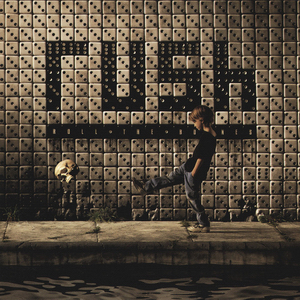
It’s safe to say that Rush was a mainstream band now, miles away from their Dungeons & Dragons roots. The cover of Roll The Bones may not intentionally acknowledge that dice-centric pastime, but once again utilizes a multilevel visual pun.

While not as obvious as side one of 2112 or such lengthy epics as “Cygnus X-1”, many of Rush’s albums can be considered concept albums, as there is often a common lyrical theme. On Roll The Bones, the theme is chance, gambling, and the general belief that fate is not pre-determined. “Dreamline” doesn’t directly concern that theme, but it’s a great track for driving, and a suitable anthem for the youth who managed to escape “Subdivisions”. Similarly, “Bravado” continues the “don’t give up” message from “The Pass” for a solid one-two punch.

And then the title track happens. The canned horns used on “Dreamline” are really starting to grate here, and funk isn’t really Rush’s thing. But nothing will prepare you for the rap section in the middle, to the point where even the chorus can’t redeem it. “Face Up” includes some keyboards we thought they’d left behind on Hold Your Fire, but at least it sounds like they’re having fun, even more so on the well-constructed instrumental “Where’s My Thing?”, helpfully subtitled “Part IV, ‘Gangster Of Boats’ Trilogy”.

In acknowledgement that their fans were older—as were they—“The Big Wheel” is the first song that approaches the topic of love and romance since “Tears” on 2112, this time in the form of a mild pep talk. “Ghost Of A Chance” is a more serious look at the topic, nailed to a garage riff and arena-ready solo. In between, “Heresy” considers the fall of the Iron Curtain without being too sappy, though the martial rhythms that open and close the track are a tad cliché. “Neurotica” finds Neil Peart having fun with words, though this time the pep talk is more along the lines of “snap out of it!” A few wacky time signatures help trip up the track. “You Bet Your Life” offers more wordplay, and the album basically ends.

Roll The Bones isn’t a classic out of the gate, but it remains catchy and, dare we say, toe-tapping. Save the title track, it’s easy to ignore, and we mean that in a good way. It might have been their most accessible album to date, filling a niche smack dab in the middle of the decline of hair metal and the rise of grunge.

Rush Roll The Bones (1991)—3

Tuesday, July 23, 2019

Genesis 16: We Can’t Dance

It had already been five years since the last Genesis album, their longest stretch yet. In that time, Phil Collins had several more hit singles, another solo album, and a major tour, while Mike “+ the Mechanics” Rutherford spawned his own hit with “The Living Years” and nobody cared about Tony Banks’ solo album, nor even Bankstatement, his collaboration with Steve Hillage of Gong. Yet somehow the three of them managed to write and record a dozen songs in the space of six months, and We Can’t Dance appeared right on the cusp of grunge. As had been happening over the previous decade, only the absence of horns makes the album seem less like a Phil Collins solo album; their weakness for “wacky” videos for the more upbeat (read: radio-friendly) tracks also detracted from the songwriting.

The lyrics are also less vague, encroaching even more on social commentary, which frankly, had never been their strong suit. Wisely, the album begins with the brooding “No Son Of Mine”; while it does address domestic turmoil, the darker tone evokes good memories of the “Mama” album. “Jesus He Knows Me” is mildly catchy, but overtly skewers televangelism, and evokes uncomfortable memories of “Illegal Alien” or “Anything She Does”. But just to throw people off track, “Driving The Last Spike” is their first lengthy historical epic since the mid-‘70s, but turns toward a more contemporary sound over its ten minutes, despite the 19th-century subject matter.

While not specifically the title track, “I Can’t Dance” pretty much unravels any attempt to take the band seriously, with both the lyrics and literal video making fun of the then-current trend in music videos and soda commercials, despite their own participation and the fact that Phil had already done it quite well in the clip for “Don’t Lose My Number”. “Never A Time” is the requisite ballad, and a nice one, with echoes of adult contemporary Eric Clapton and far enough away from “People Get Ready” to keep from being sued. Then “Dreaming While You Sleep” spends far too long with a drum machine and bluesy noodling to get its point across (to wit: hit-and-run drivers will be cursed with guilt forevermore).

While Mike Rutherford’s Rickenbacker 12-string reappears after too long a wait, the mild samba rhythm and upbeat tone of “Tell Me Why” brings forth only more hand-wringing over social injustice. “Living Forever” provides an ironic contrast in its resistance to being told what to do and how to live, carried by a truly infectious backing and an extended ending that, again, recalls the mid-’70s. Despite being a single, “Hold On My Heart” is the “In Too Deep” of the album, and redundant after “Never A Time”.

As if “Tell Me Why” wasn’t enough, “Way Of The World” asks more child’s questions about why modern life is just so hard and cruel. And maybe we’re just sentimental, but “Since I Lost You” works despite its wrenching delivery and inspiration (the recent death of Eric Clapton’s young son, with some Slowhand-style leads to boot). So it really takes balls to end with yet another ten-minute epic, but “Fading Lights” is much preferable to “Driving The Last Spike”, and we still expect the chorus to go into “Ripples”. Tony’s extended solo in the middle is worthy of his best, and hindsight has brought a certain poignancy to the track, being the last studio track this version of the band released.

Basically, We Can’t Dance is a long and tiring listen; delete a few of the songs and cut others short and there’s the possibility of a strong set here—slight, but possible. The converted didn’t care, and promptly bought millions of copies and almost as many concert tickets, which in turn sold more copies of the album.

Genesis We Can’t Dance (1991)—