Showing posts with label 2009. Show all posts

Friday, August 29, 2025

Jayhawks 9: Music From The North Country

Somebody decided the Jayhawks needed a greatest hits compilation, or the equivalent thereof, at a time when the band had basically been over for a few years. The single-disc version of Music From The North Country was pretty solid, starting with two songs from Blue Earth and continuing with three or four songs from each of the albums that came followed. Seeing as there were so many contenders to choose from, it’s tough to quibble with what made it, though the production of “What Let Me To This Town” does jar with everything else.

The real meat came on the second disc of the deluxe edition, which went chronologically through twenty outtakes, demos, and/or rarities, beginning with “Falling Star”, the first digital appearance of anything from the Bunkhouse Album. Some of these are early versions; “Old Woman From Red Clay” is basically “Two Angels” with a different chorus, “Stone Cold Mess” is a more country take on what would become “Break In The Clouds” on Smile, while the alternate version of “Poor Little Fish” is even weirder and the early “Tailspin” is heavy on fuzz. “Someone Will” and “Rotterdam” are both just a chorus away from “I’m Gonna Make You Love Me” and “All The Right Reasons” respectively. The music ranges from the twang of “Darling Today” to the Kiss-riffing of “Get The Load Out”. It’s essential for those who want more Mark Olson, and while half of the disc comes from the period before and after Smile, it includes such gorgeous Gary Louris gems as “Cure For This” and “I Can Make It On My Own”. Tim O’Reagan even gets a nod with “Follow Me”. Copious liner notes provide instrumentation info and context for each.

For more fun, an hour-long DVD included several music videos and a couple of EPKs, and fans had a choice of bonus discs with different content from either Best Buy or Amazon, some of which had appeared on a fan club-only release. Live From The Women’s Club documented a trio appearance by Louris, O’Reagan, and Marc Perlman a year before Rainy Day Music came out, and present a laidback revue of songs old and new. The first volume appeared shortly after the show itself, and a disc containing what didn’t fit arrived three years later.

The Jayhawks Music From The North Country–The Jayhawks Anthology (2009)—

Tuesday, June 3, 2025

Marshall Crenshaw 13: Jaggedland

It should be clear that Marshall Crenshaw wasn’t made for whatever times he’s in, but that doesn’t mean he’s out of place. Jaggedland was his first album after a six-year stretch, and an apt title for the guitar sound of this music, which always sounds like it’s being played in a big room.

“Right On Time” mentions Bobby Vinton in the first line, but we should assume his fanbase will get the reference. The edginess turns pensive on the softer, slower “Passing Through”, but things pick up a tad on “Someone Told Me”, with lots of sliding guitars. He overdoes the title of “Stormy River”, but for stupid rock ‘n roll peppered with sound effects, it’s tough to beat “Gasoline Baby”. “Never Coming Down” is full of unexpected chord changes, fittingly matching the portrait he’s painting, and “Long Hard Road” offers a little more hope. Violin and cello color the instrumental and complex title track and the jazzy “Sunday Blues”. The mood finally becomes hopeful on “Just Snap Your Fingers”, and “Eventually” sports some of his classic hooks and harmonies. The pedal steel suggests a lowkey closer, but “Live And Learn” hitches a gallop for its looking back.

The backing as usual is stellar, including Crenshaw regulars Diego Voglino and Greg Leisz, along with Jim Keltner, the MC5’s Wayne Kramer, and percussionist extraordinaire Emil Richards. As had been his wont of late, Jaggedland isn’t a sunny pop album, but it is consistent with his catalog.

Marshall Crenshaw Jaggedland (2009)—3

Friday, March 28, 2025

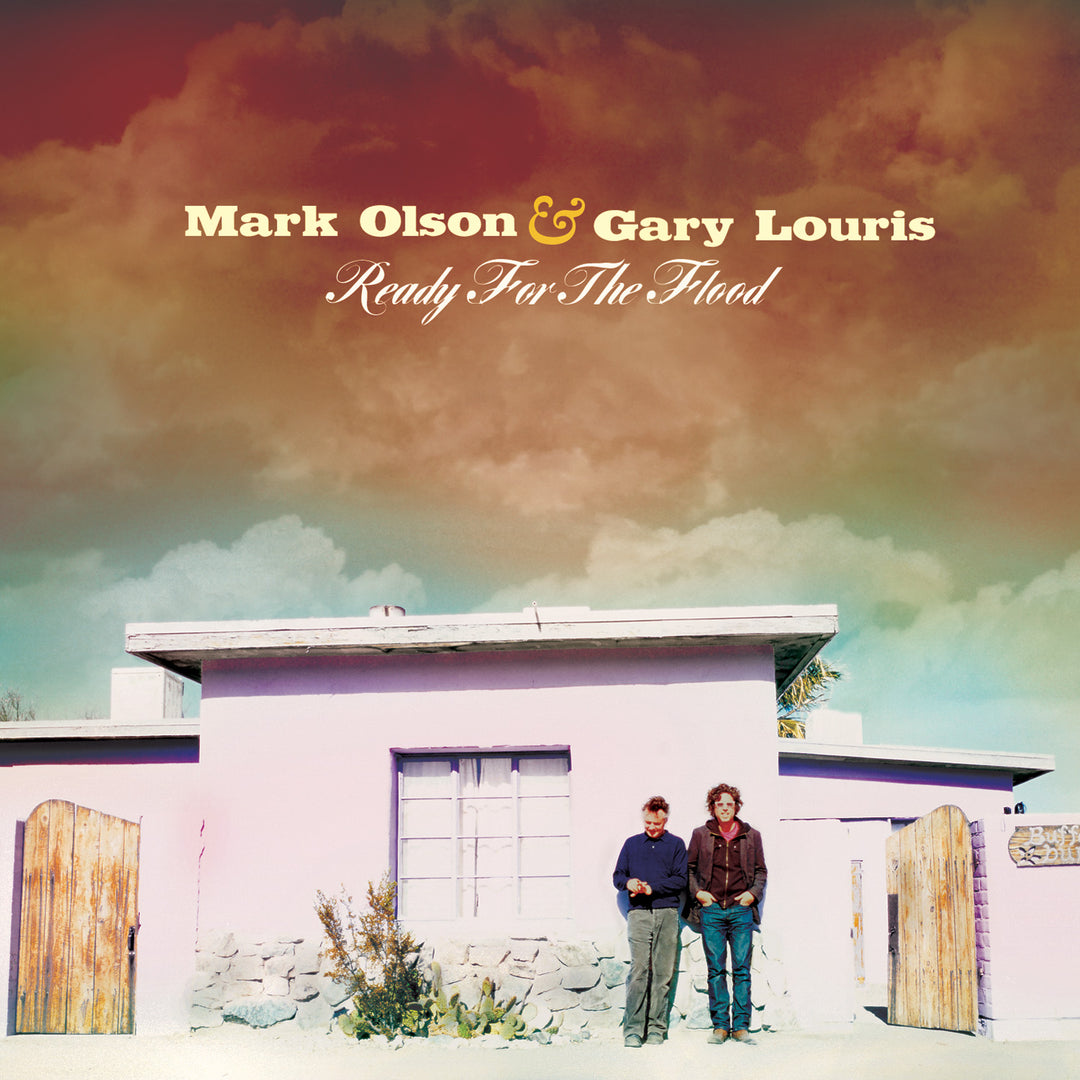
Jayhawks 8: Ready For The Flood

While it didn’t have the impact or import of a reunion of the Jam, the Clash, or the Smiths, it was still a Big Deal in alt.countryland when Mark Olson and Gary Louris collaborated on a new album. (Jeff Tweedy and Jay Farrar could not be reached for comment.) Olson had done several albums with wife Victoria Williams in the Original Harmony Ridge Creekdippers while Louris kept the Jayhawks afloat until 2003. Now that Olson was divorced and Louris had a good thing going in the studio with Chris Robinson, Ready For The Flood happened.

There’s a nice flow to the album. “Rose Society” is mostly unplugged, then “Bicycle” adds a little twang, and “Turn Your Pretty Name Around” has a striking opening line in “Then came disappointment.” “Saturday Morning On Sunday Street” is a little too wordy and close, but a distant organ adds a Memphis touch to “Kick The Wood”, turned up on “Chamberlain, SD”. They get quiet again on “Black Eyes”, but the message is muddled by their phrasing, which consistently sounds like “black guys”.

“Doves And Stones” has those harmonies that fans adore, with yet another abstract lyric that defies interpretation. “My Gospel Song For You” is just plain forlorn, and while “When The Wind Comes Up” starts out desolate, it tries to find hope in the choruses. Of similar pioneer stock is “Bloody Hands”, the banjo adding to the old-timey Americana feel. “Life’s Warm Sheets” is a fairly unique way to tell people to look on the bright side, particularly when followed by the end-of-life wail in “The Trap’s Been Set”.

Some of these songs had been kicking around for a while—including the bonus tracks “Cotton Dress” and “Precious Time”—but some appear to be new. Folks looking for another Hollywood Town Hall or Tomorrow The Green Grass might be disappointed, as the album is more akin to a low-key strum. But the harmonies are rich, and the steel strings shine and shimmer throughout. And because the songs are, it wouldn’t be too much of a stretch for anyone to add a louder rhythm section and a little distortion. That’s what happens when songs are so well-constructed to begin with.

Mark Olson & Gary Louris Ready For The Flood (2009)—3

Tuesday, February 16, 2021

Simon & Garfunkel 8: Live 1967 & 1969

With a concise catalog and outtakes already mined, how else could Columbia capitalize on Simon & Garfunkel in the 21st century? The answer was so head-slappingly obvious it’s a wonder it took so long: live albums from the archives. Two sets were eventually released, both stepping far up sonically from the bootlegs that had circulated through the decades.

Live From New York City, 1967 expanded on the Lincoln Center peek-in from the Old Friends box, leaving “Red Rubber Ball” as an exclusive to that set. It’s just Artie and Paul onstage, with none of the anonymous session polish, and nearly every song gets something of an explanatory introduction, adding to the intimacy. Most of the set would be familiar to anyone who had the albums, plus “A Hazy Shade Of Winter” was the current hit single. The future B-side “You Don’t Know Where Your Interest Lies” is something of a surprise, as it hadn’t been finished yet, and “A Church Is Burning” would only be known to those who tracked down Paul’s elusive solo debut. (He switches between six-string and 12-string acoustic guitars depending on the tune, plus you can hear his affected British accent even on the straight intros.)

First released as a Starbucks exclusive, Live 1969 was compiled from a handful of concerts from the autumn of that year. Nicely sequenced, it begins with the boys playing by themselves, joined seven songs in by Wrecking Crew legends Fred Carter, Jr on guitar, Joe Osborn on bass, Larry Knechtel on keys, and Hal Blaine on drums. In addition to adding variety in the song selection, in this case the boys sound energized with a band behind them, and adapt well.

Several remarks are made throughout regarding the album they say they’re trying to finish, and four of those new songs are premiered here, including a stunning performance of “Bridge Over Troubled Water”. The crowd welcomes “The Boxer”, the newest song they knew, which here sports the extra verse familiar to us now from the 1982 reunion, replacing the instrumental break from the studio version. The album closes as it began, with only the duo onstage, including an efficiently arranged “Old Friends/Bookends”. (It has since been determined that the versions of “For Emily, Whenever I May Find Her” and “Kathy’s Song” are the same lovely ones that appeared on Greatest Hits, while “That Silver-Haired Daddy Of Mine” is not the same one as on Old Friends. The entire set was eventually included in the 40th anniversary edition of Bridge Over Troubled Water, which was of course the album in progress when the shows originally took place.)

Simon & Garfunkel Live From New York City, 1967 (2002)—
Simon & Garfunkel
Live 1969 (2009)—4

Friday, September 11, 2020

Van Morrison 41: Astral Weeks Live

For decades, Van Morrison brushed off most questions about his legendary Astral Weeks album. Seeing as he’s never been the type of performer to go back to the well, it was surprising indeed to hear that he would do a series of concerts celebrating the album’ 40th anniversary, performing it as a suite.

Even more astonishing, given the evidence on Astral Weeks Live At The Hollywood Bowl, is that he was really into it. Because it’s his baby, he juggled the original album sequence, and enhanced four of the pieces with new codas consisting of possibly extemporaneous, certainly copyrighted lyrics over the established vamp. (Jay Berliner, who played acoustic guitar on the original album, does the same here, alongside accompanists from all stages of Van’s concert career.)

After a brief introduction we head right into the title track, which sounds as good as it ever had. The detour into “I Believe I’ve Transcended” provides a mediation and scat on Caledonia, important enough that he printed them on the back cover. “Beside You” nicely blends the dreamy arrangement from the album with the arpeggiated riff from the early take, and once again he’s on top of the swirling melody. “Slim Slow Slider”, moved up from the conclusion, actually fits in its new slot, at least until he does his best to break his strings via furious strumming for the “I Start Breaking Down” coda. (And the crowd goes wild.) The program gets back on track with “Sweet Thing”, complete with his singing-through-the-harmonica trick.

The halves of the performance are still split just like the side titles on the record. Ergo, there ends “In The Beginning”, and now, on to “Afterwards”.

“The Way Young Lovers Do” is played well, but his enthusiasm seems to have waned; maybe he shouldn’t have started breaking down two songs earlier. “Cyprus Avenue” doesn’t have the dramatics of the ‘70s rendition, instead extrapolating on the “You Came Walking Down” idea for a few minutes, for a smooth transition into “Ballerina”, which gains some seductive energy well before the “Move On Up” coda. “Madame George” ends the suite, and thanks to the lyrics printed in the booklet, for the first time we have confirmation that he’s been singing about “Madame Joy” all these years. The song proceeds as we’d hope, then he leaves the stage while the emcee pumps the crowd for recognition.

The break is short, however, as Van’s back to sing “Listen To The Lion” (incidentally, the name of his new custom label) that’s about half the original length with an instrumental section called “The Lion Speaks” marred by the emcee reminding us that the singer is “Van the man! The one! The only!” What’s called “Common One” pulls in lyrics from “Summertime In England” and “A Town Called Paradise” while the sax player parrots his words back a la Brian Kennedy. (If you buy the LP version, you get a bonus performance of “Gloria”, complete with the Doors’ John Densmore on tambourine. And yes, that really is how he’s identified in the liner notes.)

As album recreations go, Astral Weeks Live is entertaining. It helps that both band and strings follow the record very closely, so we always know where we are. It’s a nice souvenir, even more so on DVD, and only underscores why the original has endured all this time.

Van Morrison Astral Weeks Live At The Hollywood Bowl (2009)—

Friday, July 3, 2020

Cat Stevens 14: Roadsinger

It turned out that Yusuf’s return to the music industry was more than a passing fancy. Roadsinger was promoted with stickers reminding consumers who he used to be, and he even did some promotional appearances on television.

It also helped that the album is more in the spirit of Tea For The Tillerman and Teaser And The Firecat than anything since. These are simple tunes, without unnecessary ornamentation, celebrating the same old ideas of enlightenment and unity, equally without preaching, starting from the opening “Welcome Home” through to “All Kinds Of Roses”. “Thinking ‘Bout You” is a joyful love song equally applicable to a deity as it is a life partner. “Everytime I Dream” alludes to some of the criticism he’d received for his pro-Islam statements, but it’s under a wonderfully retro acoustic arrangement with subtle horns. “The Rain” could easily fit into those early ‘70s albums, as could the yearning “World O’Darkness” (noted as being “from the musical, Moonshadow”, which opened and closed a few years later).

“Be What You Must” daringly incorporates the piano melody of “Sitting”, seesawing between a major chord and a minor, while what sounds like a children’s choir helps out on the chorus; thankfully, it’s only Michelle Branch and Gunnar Nelson. “In This Glass World”, also from the musical, is built around a gently fingerpicked electric guitar, and picks up drums and crunch halfway through for a heavier sound that fits. The title track finally emerges as something of a statement of purpose, or at least a theme song. “Dream On (Until…)” isn’t much more than a sketch with saxophone, but it works as a closing benediction, followed by the gentle instrumental “Shamsia” (which we assume is also from the musical, as that’s the name of one of the characters).

Though astonishingly short, at barely over half an hour, Roadsinger reminds us why we liked this guy in the first place. Even the packaging shows his care, with the lyrics appearing either as handwritten sheets or word processor printouts with handwritten corrections, among photos of smiling children we assume are his. (Not included on most editions of the album was the single “Boots And Sand”, written in the aftermath of being refused entry to America under suspicion of terrorism, and featuring vocal support from Paul McCartney and Dolly Parton.)

Yusuf Roadsinger (2009)—

Tuesday, September 5, 2017

Mark Knopfler 9: Get Lucky

Don’t be fooled by the garish casino motif throughout the artwork on Get Lucky. This Mark Knopfler album rarely approaches anything reminiscent of Vegas, and coming five years after the slot machine on the cover of an earlier album, we wonder if he’s hiding a gambling addiction. Rather, a sizable portion of the album relies on dreamy Celtic- and highland-inspired backdrops, while the rest is just as low-key and midtempo. In fact, the one sore thumb here is “You Can’t Beat The House”, with its bluesy shuffle and gang backing vocals, and “Cleaning My Gun” is the closest thing to a typical post-Dire Straits rocker.

His notes for the album describe many of the influences behind the songs, and it should be no surprise than many of them describe lives lived in earlier decades than this one. “Before Gas And TV” is about as far back as he goes; industry and automotive innovation are still pet themes. That means the lovely waltz “Monteleone” is an ode to a favorite guitar builder. “Hard Shoulder” is just as exquisite, and seemingly sung from the point of view of a roadside mechanic. Even “Remembrance Day” avoids being over-mawkish, despite the presence of a makeshift children’s choir. As it turns out, thanks to the title track we know that “Get Lucky” is merely a metaphor for life in general.

The album is kept down to a digestible length, which helps. But typical of too many albums released by veterans these days, Get Lucky was made available in a variety of “editions”, some with a DVD, one with engraved poker chips and dice (yes, really), and some with extra tracks, exclusive to various retailers, and not exactly hidden treasure.

Mark Knopfler Get Lucky (2009)—3

Tuesday, August 22, 2017

Smithereens 7: Beatles and Tommy

The new century would keep the Smithereens occasionally busy touring, but without a record deal there seemed to be no point in recording new albums of original material. Meanwhile, Pat DiNizio tried running for public office, then contracted some kind of medical condition that required treatment via Prednisone, sending his body weight well over 300 pounds. He also started his own website, on which he occasionally posted in all caps and booked his “living room concerts”, open to anyone willing to pony up the dough. He also hawked homemade compilations of Smithereens demos and live versions, and recorded This Is Pat DiNizio. Distributed in a confusing array of multiple-disc configurations, it presented him singing pop hits from the rock era, accompanied by acoustic guitar or piano.

Already a capable replicator of power pop classics, it wasn’t big a jump for him to convene his old band for Meet The Smithereens!, a song-for-song duplication of the first Beatle LP on Capitol Records. The band sounds great, and they’ve obviously lived every one of these songs, but by staying so close to the blueprints—their excuse being that serious musicians wouldn’t take liberties with Beethoven or Mozart—they don’t really add anything to the experience, unless you thought the voices of the Fab Four pale in comparison to that of Pat DiNizio.

Beatlemaniacs will buy anything, seemingly, so that 27-minute album was followed a year later by another of the same length. B-Sides The Beatles offered a slightly more imaginative track selection, leaning more on the band’s less obvious early album tracks (and yes, B-sides). This time, however, guitarist Jim Babjak is allowed to sing lead on two tracks, and drummer Dennis Diken gets his own spotlight. Next to the commissioned Jack Davis cover art, the campiest touch is having Jersey transplant Andy White play drums on “P.S. I Love You”, just as he displaced Ringo on the original recording. What ultimately gives this volume a slight edge over its predecessor is the choices of the rare instrumental “Cry For A Shadow” and the closing “Some Other Guy”. (More recently the band has issued yet another Beatle tribute, wherein they commemorate the 50th anniversary of the Fabs’ Washington Coliseum concert with another re-recorded note-for-note set, complete with overdubbed screams. We’ll pass.)

Perhaps just to prove they were capable of something a little heavier (and headier), their next tribute presented an abridged selection of songs from the Who’s original Tommy album. The focus here isn’t so much on the story but the songs that rock harder, skipping things like “Underture”, “1921”, “Cousin Kevin”, and any reference to a perverted uncle. Well played, certainly, but while we get some variety with five of the songs sung by band members who aren’t Pat, none of the vocalists approach Roger Daltrey’s power or Pete Townshend’s vulnerability. Still, it’s a less obvious choice for a remake album, and the arrangements are closer to the Who’s eventual stage versions. The cover gimmick this time is using legendary bootleg artist William Stout, and most amazingly, the program tops 40 minutes.

The Smithereens Meet The Smithereens! (2007)—2
The Smithereens
B-Sides The Beatles (2008)—
The Smithereens
The Smithereens Play “Tommy”! (2009)—3

Friday, August 12, 2016

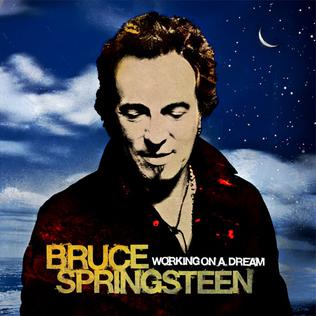
Bruce Springsteen 20: Working On A Dream

Bruce never worked fast, and had long earned the luxury of having to rush himself. Working On A Dream was one of the fastest follow-ups in his career, arriving only five retail quarters after Magic. Having learned his lesson from that time he put out two albums on the same day, this time he decided to give the songs that materialized at the end of the sessions a little breathing room.

On the basis of “Outlaw Pete”, an eight-minute saga about a bank-robbing baby that has some catchy hooks outside of the one that’s identical to “I Was Made For Loving You” by Kiss, one can be forgiven for thinking the kid didn’t get enough oxygen. But “My Lucky Day” redeems it, with the big E Street sound everybody loved on The Rising, and even a textbook Clarence solo. The title track is a little too by numbers, and the sweetness of “Queen Of The Supermarket” is sunk by its improbability, or at least its literalness; Paul Westerberg already wrote the best ode to a checkout girl anyway. Right at the end he finds a terrific countermelody, then shocks us with an F-bomb, and lets the song fade to the accompaniment of a UPC scanner. (We kid you not.) “What Love Can Do” sounds like something he must’ve written already, and it could do without the clattery arrangement. “This Life” builds on the Brian Wilson inspirations of the last album to get us smiling again.

The experiments continue on “Good Eye”, a noisy blues rocker sung through a Green Bullet. “Tomorrow Never Knows” is a country song that has nothing to do with John Lennon, and while “Life Itself” is twice as long and has nothing to do with George Harrison, it’s got more depth. The country elements of those last couple of songs combine with the high notes on “Kingdom Of Days” to take it away from “Girls In Their Summer Clothes” and “Your Own Worst Enemy”. “Surprise, Surprise” was another chance to evoke John Lennon, or at least Gomer Pyle, but instead stays a pop song with a Mark Ronson bridge. It’s a final chance for toe-tapping, given the dusty atmosphere of “The Last Carnival”. (As had become standard, this album’s hidden or bonus track is “The Wrestler”, written for the movie of the same name. It’s no “Streets Of Philadelphia”.)

Working On A Dream is possibly Bruce’s most lightweight album, in that it’s not weighed down by the hard lives and tough loves of all those just plain folks. Rolling Stone magazine was bound by law to give it five stars, but that should mean nothing by now. It’s merely harmless and enjoyable.

Bruce Springsteen Working On A Dream (2009)—3

Tuesday, December 16, 2014

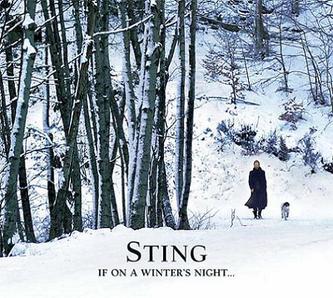
Sting 11: If On A Winter’s Night

Way back in 1985, as the singles from The Dream Of The Blue Turtles piled up, Sting recorded an arrangement of the relatively obscure carol “Gabriel’s Message” as a B-side. It gained more exposure a couple of years later as part of the first Very Special Christmas charity album, and with its sparse presentation, even with layered vocals, it has remained a welcome holiday favorite.

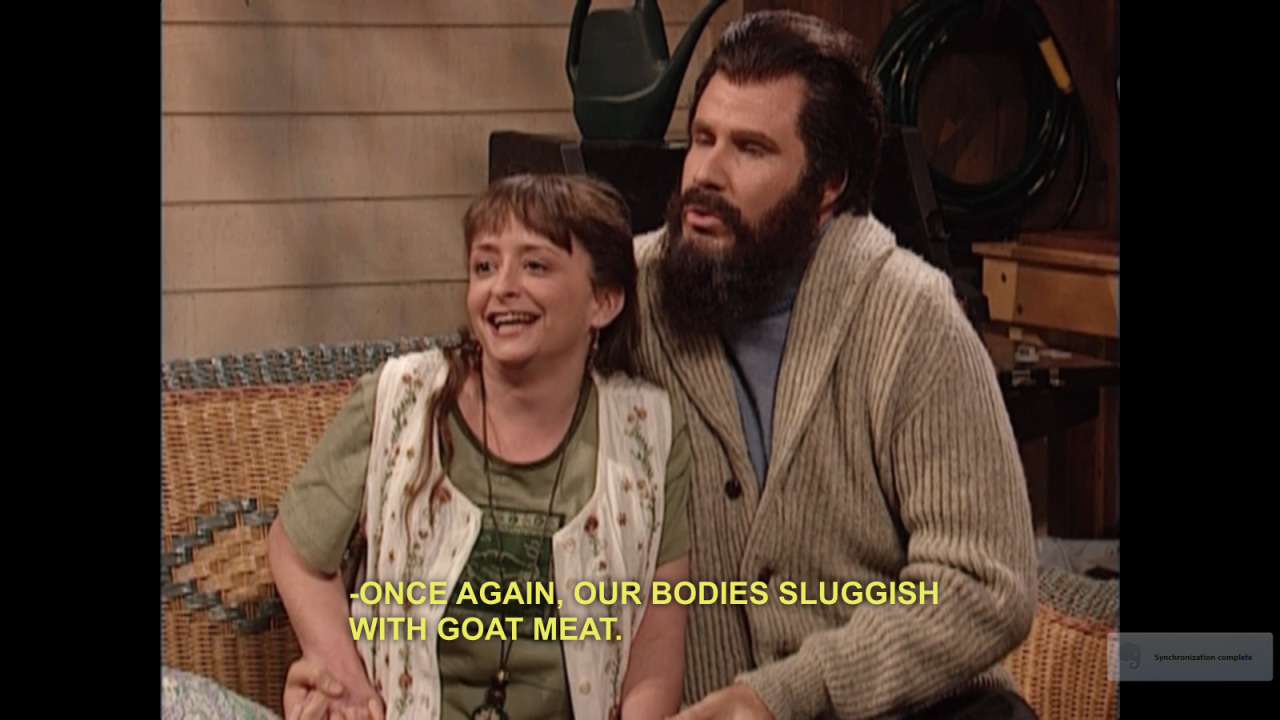
The same song opens If On A Winter’s Night…, but it’s a brand new performance that sets the tone for the rest of this not-exactly-Yuletide-themed album. He uses the same breathy, sonorous tone that made his lute album such a tough listen; in the days of vinyl, you’d check the player to make sure it was at the correct speed. The photos of him with his masculine, full beard as he stands in a bulky sweater—reminding one of that professor character Will Ferrell used to play on SNL, talking about his “lover” and gorging himself on goat meat—contemplating either the snow outside or the guitar in his hand, give the game away.

These songs just seem so overdone, even with such humble instrumentation. Even when he does something relatively straight, like the old chestnut “Lo, How A Rose E’er Blooming”, he sinks it with a four-line monologue in the middle that would embarrass Barry White. His wordless vocal interlude on “The Snow It Melts The Soonest” is therefore welcome, as it doesn’t sound like he’s doing a character, or auditioning for a movie role, as demonstrated by his lugubrious reading of “Now Winter Comes Slowly”. “The Burning Babe” comes closest to the Sting of old, with jazzy drums, soprano sax and a decent vocal.

The gushing liner notes, describing how and why the album was recorded, don’t really give much insight as to why he chose what he chose other than they sounded like winter songs. He re-does “The Hounds Of Winter” from his last good album, for no other reason as that one word in the title, or maybe to ensure some publishing royalties. As most of these are traditional songs, he could use the coin. Speaking of which, “Soul Cake” is the wassail song as established by Peter, Paul & Mary; “The Hurdy-Gurdy Man” is not the Donovan song, as that would have been a stretch.

All the way through If On A Winter’s Night… is the nagging thought, “This would be so much nicer if he wasn’t on it.” If you’re looking for yuletide music with an English folk lilt, this isn’t it. As a Christmas album it falls short, and as a Sting album it’s just too precious. Better it be considered a winter album; musically, of course, it’s lovely, and that’s what makes it so frustrating. Subtle hurdy-gurdy, Northumbrian pipes, delicately plucked guitars and other gentle touches often show the potential so often stomped over like so much snow from boots out in the hall. It’s therefore best enjoyed in the background when you’ve finished shoveling out your driveway, since it won’t inspire you beforehand.

Sting If On A Winter’s Night… (2009)—

Saturday, July 19, 2014

Stephen Stills 12: Pieces

The outfit Stephen Stills called Manassas had a lot of potential, but had imploded before really reaching it. Stills and main partner Chris Hillman were increasingly distracted by their legacies and other collaborators to sustain it past the year they were together. (These ears felt Hillman was unfairly kept to second fiddle status anyway.)

So in a year when Crosby, Stills & Nash were celebrating their fortieth anniversary (and Graham Nash and Neil Young put out their own box sets), it was nice for Stills to curate a third, lost Manassas album. Pieces presents a deeper glimpse at the band’s potential, touching on all the genres they attempted to cover while they were together. It also gives more though not equal time to Hillman.

Some of these are alternate versions, but not alternate takes per se. “Witching Hour” and “Like A Fox” are absolute gems astoundingly left off the first album; “Sugar Babe” is an excellent improvement on the track from Stills’ second album, whereas “Word Game” is given an unnecessary shuffle. “Fit To Be Tied” would turn into “Shuffle Just As Bad” in a few years, while “My Love Is A Gentle Thing” had already been heard on the CSN box and was started in 1970 and finished in 1975, which doesn’t explain what it’s doing here. “High And Dry” goes from a “bluesman with my guitar” growl to a faster arrangement with what we assume is a canned audience cheering. “I Am My Brother” is Stills alone with his acoustic.

“Lies” is a rockin’ Hillman alternate, while “Love And Satisfy” shows another side of his talent. He likely leads a bluegrass detour through “Panhandle Rag”, “Uncle Pen”, and “Dim Lights, Thick Smoke (And Loud, Loud Music)”, including an alternate of “Do You Remember The Americans”, and including input from sometime Burrito Byron Berline. For contrast, the brief “Tan Sola Y Triste” instrumental fits the Latin side of the band.

Had some of these tracks made it to Down The Road, the band just might have endured longer. Or maybe not. At any rate, it’s a treat to have the material on Pieces available. Its length and quality illuminate its predecessors, and that was the point.

Manassas Pieces (2009)—3

Friday, July 18, 2014

CSN 12: Demos

While Neil spent much of the decade promising and delaying his box set, the others in Crosby, Stills & Nash quickly realized that there was gold in them there hills. Nash curated box sets for himself and Crosby, but Stills tinkered with his a lot longer. While we waited, he released Just Roll Tape, purporting to be a long-long demo session recorded in April of 1968. With snippets of songs never revisited, along with the usual embryonic versions of a few classics, the set proves that he wouldn’t truly find his voice until he had other voices to support him. (It also shows him to be a master of time travel, since it’s been established that Buffalo Springfield had a gig in Arizona while this session was supposedly taking place in New York.)

Two years later, the very same day Neil’s Archives box finally emerged, so did a CSN disc called, simply, Demos. Culled from the first three or so years they worked together, it’s a low-key, enjoyable collection of songs you already know, but generally in a basic format. In other words, solo and acoustic, and no harmonies.

Considering how headstrong these guys were, the demo versions aren’t that different, structurally, from the finished productions. In most cases they’re blueprints to be built on; “Music Is Love”, for example, appears to be the simpler basic track before Graham and Neil loaded it up to open Crosby’s first solo album, while “Long Time Gone” is an early band version that hasn’t quite arrived at its proper feel.

And that’s another perk to the set—the songs aren’t limited to just the group albums, but include plenty of ideas that wouldn’t reach fruition until their various solo albums. All of Nash’s songs (save “Marrakesh Express”) would end up on his first album, while Stills’ ideas (as proved on Just Roll Tape) could sit around for years before making one of his albums. “You Don’t Have To Cry” consists of just the one verse that would be repeated for the album version, though Crosby’s unplugged sketches of “Déjà Vu” and “Almost Cut My Hair” are even longer than the released takes.

Demos is for fans only, and might have spurred a sequel had the sales been there. But it does succeed for the reasons mentioned, as well as for sending people back to the first records they made together and apart. While not the cottage industry that runs message boards concerning hypothetical post-1970 Beatle albums culled from solo work, there must be more than a few fans who have compiled their own collections of the best of CSN apart.

Stephen Stills Just Roll Tape: April 26, 1968 (2007)—3
Crosby, Stills & Nash
Demos (2009)—3

Thursday, July 17, 2014

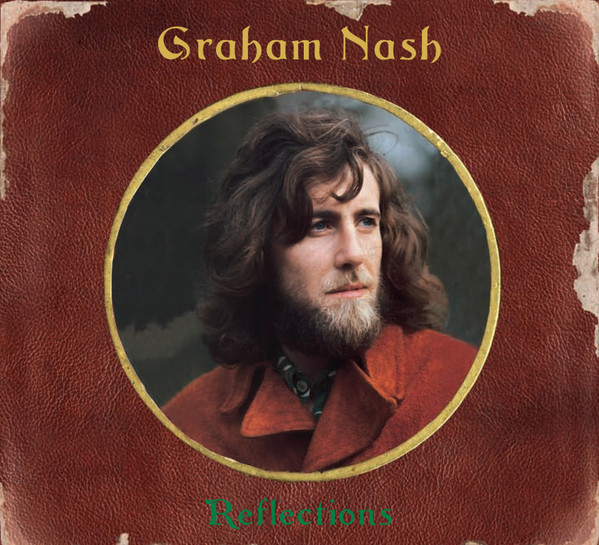
Graham Nash 6: Reflections

Three years after anthologizing David Crosby, Graham Nash got around to doing the same thing for himself. Like its brother, Reflections covers the man’s career in and out of groups over the decades, taken chronologically. Half of the tracks are denoted as previously unreleased, but about half of those are alternate mixes, which are negligible to these ears.

The set starts wisely with three Hollies tracks, all singles from 1967. “On A Carousel” and “Carrie-Anne” still have pop charm, but “King Midas In Reverse” sounds overblown compared to the acoustic version he’d trot out later. From there we go through all of his songwriting contributions to the first two CSN albums, most of his first two solo albums, and the bookend tracks from the first Crosby/Nash album. The one rarity is a studio demo of “Right Between The Eyes”, heretofore known only from 4 Way Street.

The second disc races through the rest of the ‘70s and all of the sparse ‘80s, beginning with selections from two more Crosby/Nash albums, with a “previously unreleased mix” of the CSNY version of “Taken At All” in the midst. The later solo albums are more sparsely represented, and the listener can be comforted knowing that any gems were excluded, because they weren’t. There are some rarities, like “Love Is The Reason” from the Fast Times At Ridgemont High soundtrack and “Raise Your Voice”, one of the studio tracks from CSN’s Allies live cash-in, but there are also justifiable rejects from that period, culminating in “Soldiers Of Peace” from American Dream.
The third disc is even spottier, considering what the ‘90s and ‘00s wrought. Two stripped-down live performances from 1993 (“Unequal Love” and “Liar’s Nightmare”) are proof that big productions were best avoided, and “Two Hearts” is an intriguing collaboration with Carole King, but the other unreleased songs are a mixed bag, to say the least, from syrupy to hokum.

We can’t completely condemn Reflections since some of the music—namely most of disc one, and maybe half of the rest—is certainly good. However, there’s just too much excess to make it worthwhile. As a harmonizer, he’s without parallel, but even he knows his legacy is in the past.

Graham Nash Reflections (2009)—3

Friday, July 4, 2014

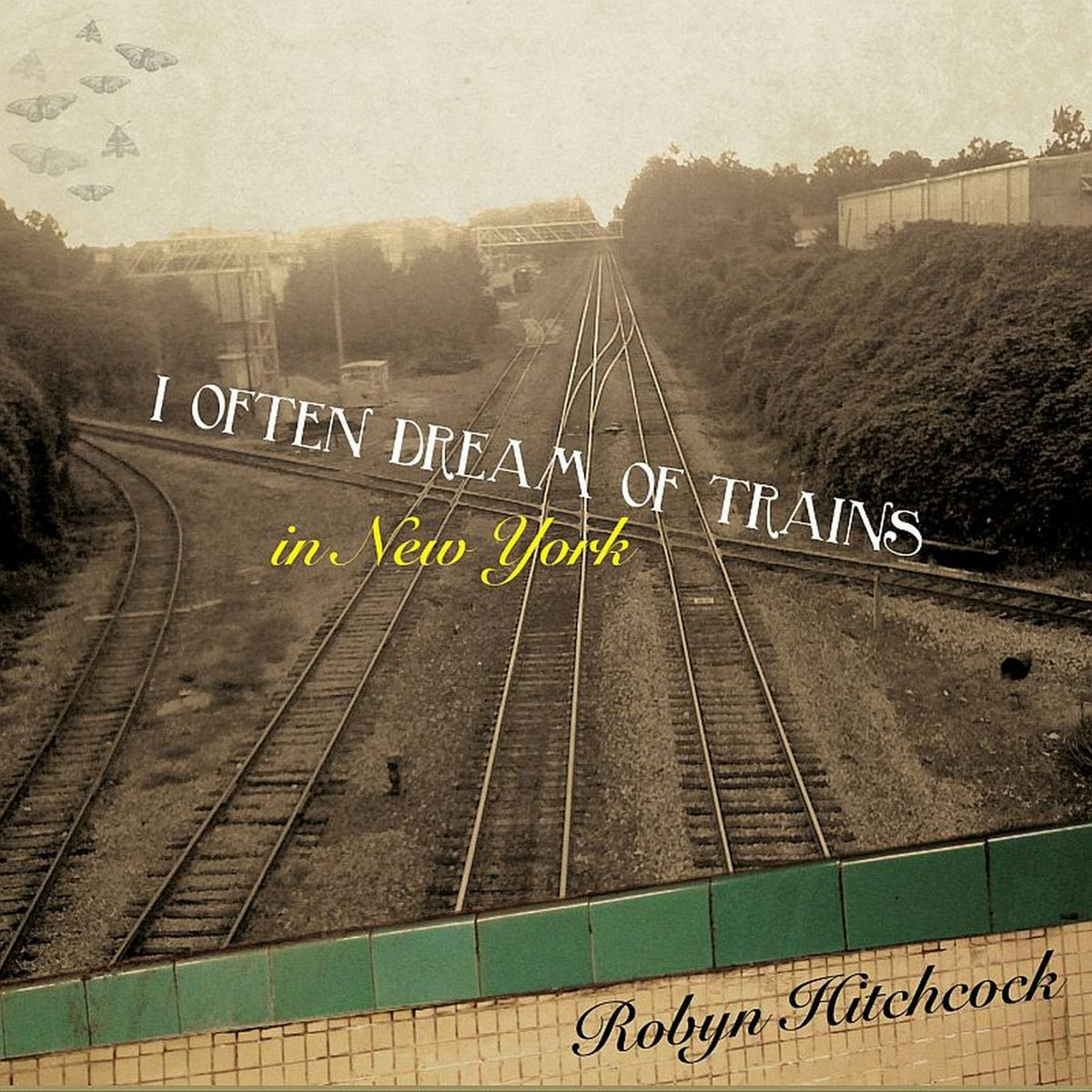
Robyn Hitchcock 26: I Often Dream Of Trains In New York

As even punk nears middle age, it’s become common for established musicians to celebrate the anniversary of one of their acclaimed albums by performing it live, in its entirety. These self-tributes are usually reserved for albums that either weren’t appreciated on original release or too complicated to perform at the time; see recent reboots by Lou Reed and Van Morrison for prime examples.

Robyn Hitchcock had just re-re-released his acoustic favorite I Often Dream Of Trains the year before doing a brief tour playing what he called “the director’s cut” of the album. The final night was filmed and recorded, eventually released as I Often Dream Of Trains In New York.

A “cassette fragment” of “Sometimes I Wish I Was A Pretty Girl” plays over the PA before slowing to a halt, whereupon our hero comes out to play “Nocturne”. From there, he and two cohorts (helping out on guitars, keys and horns) play most of the album the audience knows and loves, based on their polite but fervent applause after each song ends. Besides rejigging the order, a few changes are made: “Flavour Of Light” (as opposed to “Night”) may be a misprint, but the “tongue of fire hissing through the dark and tropical night” in “This Could Be The Day” are now “thrown by Nubian Dave”, and not slaves—perhaps in reverence of the new president, whom he’s very pleased was elected. “Mellow Together”, “Furry Green Atom Bowl” and “Bones In The Ground” are all excluded, but “Uncorrected Personality Traits” is an a cappella joy. “That’s Fantastic Mother Church” is stuck in the middle, and doesn’t pick up the pace despite its rhythm.

A few encores are included to fill out an otherwise short program: “America” (swapped on the DVD for “I’m Falling” from the recent Venus 3 album), “Up To Our Nex” (from the same album) and a rearranged “Goodnight I Say”. In all, a nice curio. Now if he’d only do a similar tour for Eye

Robyn Hitchcock I Often Dream Of Trains In New York (2009)—3

Friday, June 27, 2014

Tom Waits 22: Glitter And Doom

In the decade since “returning” to music with Mule Variations, Tom toured occasionally, usually for short stretches and hitting cities somewhat out of the way or simply missed the last time. With a lot of material to choose from, Glitter And Doom Live just scratches the surface of the 21st-century Tom Waits concert experience, not least because you can’t hear the unique sight of the man stomping away at his microphone stand, kicking up clouds of talcum powder, or contorting his figure to “direct” the band.

Still, it’s a smooth program, culled from various dates but mixed to sound continuous. With older son Casey manning the kit, and younger son Sullivan turning up on clarinet, the band nicely translates the rusty, dusty sound of the albums to the big stage. The selections from Real Gone particularly improve here, emerging as songs as opposed to just sounds.

They’re not all clang, boom and steam, of course; “Fannin Street”, “Lucky Day” and “I’ll Shoot The Moon” provide some quieter moments, while “Live Circus” and “Story” provide welcome detours of humor. If that’s not enough, an entire second disc is devoted to a single track combining a half hour of various tall tales, bad jokes and hypothetically restrictive local laws taken from preludes to his solo piano numbers, ending with a quick run through “Picture In A Frame”.

As with most Tom Waits albums, this will not provide a bolt of understanding for the unconverted. His voice is raspy, the melodies are basic and some people just don’t get him. But if he doesn’t come to your town anytime soon, Glitter And Doom will have to do.

Tom Waits Glitter And Doom Live (2009)—3

Monday, June 23, 2014

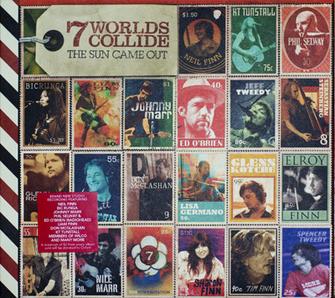
Neil Finn 4: The Sun Came Out

This pleasant little album came out of a three-week experiment wherein Neil Finn invited musical friends and family to workshop at his studio in New Zealand. Credited to 7 Worlds Collide—from the title given to the collective who contributed to his 2001 live album of the same nameThe Sun Came Out was made available as a single or double CD, with the proceeds intended for Oxfam. This time the all-star proceedings were augmented by members of Wilco, who were recording their latest album there anyway, one-hit wonder KT Tunstall (famous for “Black Horse And The Cherry Tree”, or that “woo-hoo” song some women like to obliterate at karaoke), and a few other folks we hadn’t heard of yet but are encouraged to explore further. Everybody plays on each other’s songs, and the whole collection is very cohesive, even with the range of vocalists.

Neil himself wrote and/or sang and/or played on several tracks, starting with the highly catchy “Too Blue”, a wonderful collaboration between Johnny Marr and Jeff Tweedy. Wilco’s eventual hit, the George Harrison-influenced “You Never Know”, makes its debut here. “Little By Little” is a collaboration between Mr. and Mrs. Finn with son Liam on drums, in something of a foreshadowing of a future project. For a more experimental change of pace, “Learn To Crawl” comes from Neil and Liam with Johnny and Radiohead’s Ed O’Brien, while “Red Wine Bottle” comes from Liam and Johnny. Ed and Liam’s “Bodhisattva Blues” is particularly noisy, offset by Tweedy’s “What Could Have Been”. “All Comedians Suffer” finds Neil fronting most of Wilco but still sounding like himself. He harmonizes splendidly, of course: on “Hazel Black”, his soulful co-write with KT; “Over & Done”, John Stirratt’s bid to be more than just Wilco’s bass player; brother Tim’s “Riding The Wave”.

The non-Neil tracks are also enjoyable, with strong contributions from Kiwi musician Don McGlashan and Aussies Glenn Richards and Bic Runga. Radiohead drummer Phil Selway reveals himself as a sensitive acoustic folkie, while young Elroy Finn sounds a lot like his dad. (Lisa Germano’s “Reptile” appears to provide the album title.) It really is a strong set, and it was a for good cause anyway.

7 Worlds Collide The Sun Came Out (2009)—

Friday, April 4, 2014

Robyn Hitchcock 25: Goodnight Oslo

Having resigned himself to a future with a small but devoted fan base, Robyn kept writing, touring and recording, intent on staying active rather than changing the world. Goodnight Oslo wisely kept a good thing going, being his second release with the Venus 3, that tight little combo also busy being the guys not named Michael in R.E.M.

As has been his wont, he peeks around the gate before setting off. “What You Is” is a psychedelic soul number, with lines that emerge on the tenth listen, hiding behind the ladies’ vocals. “Your Head Here” sports a little whimsy like a refugee from the ‘80s, production tricks speeding up voices and even doubling Chris Difford-style. Keeping up the fun mood, “Saturday Groovers” is as catchy as anything he’s done, followed by the intoxicating “I’m Falling”. “Hurry For The Sky” is all Western, with dust and tumbleweeds permeating everything—not a common sound in the Hitchcock canon, and ultimately a gimmick.

“Sixteen Years” is more like it, with an arpeggiated guitar we expect—nay, demand from a song written partially by Peter Buck. Despite its Bo Diddley jazz intro, “Up To Our Nex” combines jangle, mandolins and mariachi horns for an addictive mix. The horns also pepper “Intricate Thing”, a pleasant little strum. The trippy “TLC” could also be an Egyptians refugee, except that the title stands for Tryptizol, Librium and Carbrital, which were among the drugs that killed Brian Epstein. Once that peters out, the title track taps insistently for six minutes, spinning mystery like a Norwegian “Year Of The Cat”.

Goodnight Oslo is the first time in, let’s say, sixteen years where he sounds like he’s making an album, rather than recording on the fly and embellishing as he goes. Maybe it’s the one-man horn section, used here as light dressing; maybe it’s Morris Windsor on backing vocals here and there. Whatever the secret ingredient, it further proves that he works best with a consistent unit supporting him. (And as had become almost automatic, early copies of the album included a bonus disc with two songs easily as good as anything else on the album proper.)

Robyn Hitchcock & The Venus 3 Goodnight Oslo (2009)—3

Monday, November 19, 2012

R.E.M. 19: Live At The Olympia

It’s fairly odd that only two years after their first-ever live album—with only one studio album in between—that R.E.M. would release another. Lest we think they were turning into the Rolling Stones, Live At The Olympia isn’t your typical post-tour souvenir. These two CDs are culled from the series of “live rehearsals” the boys—the three main members, plus drums and another guitar—played in Dublin as they were preparing for the album that would become Accelerate.

Of course, the performances didn’t consist solely of all-new, untried material; the bulk of the CD—two-thirds from the Bill Berry years—provides fresh takes on some of the deeper recesses of their catalog. Ecstatic fans in the audience (and now, listening on their player of choice) are treated to six songs from Reckoning, five from Fables and all but one from the Chronic Town EP. Only Green, Out Of Time and Up go unrepresented. But they’re not carbon copies either—there’s energy behind each song, whether introduced by Stipe with an anecdote or described lovingly in Peter Buck’s liner notes. The sharp-eared will notice a changed family dynamic, with “Gardening At Night” played at the request of longtime advisor Bertis Downs, while all references to “Jefferson” have been removed from “Little America”.

Of course, it’s an album for fans, so while there’s no need to into detail for each old song, a few other details are worth mentioning. “Harborcoat” makes it most of the way unscathed, until the tuneless harmonica sets up a purposely sloppy ending. “Circus Envy” is even a lot of fun, more so than surrounded by all the noise on Monster. And whose idea was it to revive “Romance”?

Considering the songs that did end up on Accelerate, it’s interesting to consider the other surviving contenders. “Staring Down The Barrel Of The Middle Distance”, fine as it is, wouldn’t have added anything to the album, and “Disguised” turns out to be a an early version of “Supernatural Superserious”, somehow not as tight as the recorded version. The slow and sad “On The Fly” comes from the same cloth as “Country Feedback”, but a little more melodic. There’s a middle interlude that threatens to go somewhere else entirely, but instead folds back to the song. It’s a hidden gem all right, but would have been out of place on the album they completed.

Live At The Olympia ends up a nice little surprise, with 39 songs filling up two-and-a-half hours of music, it’s a preferred listen to the other live album. It also provides a nice setup for the live recordings they’d begun including in the anniversary editions of their back catalog.

R.E.M. Live At The Olympia (2009)—

Monday, March 12, 2012

Big Star 7: Keep An Eye On The Sky

One of the modern rules of the music business is that sooner or later, everybody gets a box set. (This remains true even well after multi-disc collections weren’t necessarily packaged in boxes anymore.) Even bands that only had a couple of albums, given enough street cred, will be anthologized in time.

And so it happened with Big Star. Two albums while they existed, a legendary third album that went through various permutations on its way to being official, and every critic starting from 1992 insisted they were the bee’s knees, and some of us would be inclined to agree. But if you’re not already a fan, why should you care?

For the handful of us who do search out every scrap of tape related to the band, Keep An Eye On The Sky provides enough of an alternate view of Big Star as should ever be available. Over the first three discs comes enough alternate takes and mixes of the songs we’ve already inhaled, with the expected handful of surprises to keep us both interested and no resentful that we’ve bought the same three albums again. A few pre-band tracks set up where the boys came from, including a Chris Bell excerpt from another studio opus that would go unheard until put squarely into context later on. A smattering of Alex Chilton demos brings several songs down to their bare bones. Along the way, we get to hear some embryonic versions of certain studio creations, like the intro to “Jesus Christ” and the original lyrics for “Stroke It Noel”. The two best songs from Chris Bell’s so-called solo period, “I Am The Cosmos” and “You And Your Sister”, are placed well within context to show that such a studio rat might have been well served by sticking with the band instead of going his own way, recording in England and smashing his car into a pole.

Something of a holy grail arrives on the fourth disc, which presents an entire concert from the quiet period just before the second album was recorded, without Chris Bell but with the original “other three”, running through songs from the first two albums, playing some unexpected covers—Flying Burrito Brothers?!?—and a rendition of “ST 100/6” that incorporates the mid-section from the outtake described above.

Again, this collection, while comprehensive, is really for fans only. Anyone else would be best advised to go for the two-fer of the first two albums before even considering if they need anything else. And if you are already a fan, there will be enough on Keep An Eye On The Sky to make you feel as if you’ve spent your money well.

Big Star Keep An Eye On The Sky (2009)—4

Monday, June 27, 2011

U2 16: No Line On The Horizon

Outside of two new songs on 2006’s U218 Singles compilation—one of which was a collaboration with Green Day, neither of which were very exciting—it was another five-year wait to the next U2 album. In the meantime there was the usual talk about how they’d finally got their old sound back, despite being more experimental. When it finally emerged, there were enough echoes of their early albums on No Line On The Horizon to make it sound like, well, U2.

The title track explodes with a heavy beat and Mideastern touches, under Bono’s yell. “Magnificent” manages to cross the classic sound with the Achtung Baby era for a decent single. Despite all the accolades for its “universal” lyrical content, “Moment Of Surrender” simply takes too long to achieve the chorus. Much more effective, and working on the same theme, but still too long, “Unknown Caller” nicely works in response vocals like the better parts of Zooropa; the extremely familiar Edge guitar sound helps too, and there’s a surprising appearance by a French horn. “I’ll Go Crazy If I Don’t Go Crazy Tonight” is a dumb pop song written for arena shows, which isn’t necessarily a bad thing, but it could’ve been bigger and dumber. Also, the title arrives too soon in the lyrics.

By the same token, the lead single, “Get On Your Boots”, fills the same role as “Vertigo” did on the previous album, a catchy stomper designed to grab, and it does. They get almost funky on “Stand Up Comedy”, but complicate it with several changes that reduce it to not much. We get just a hint of experimentation on the moody intro of “Fez—Being Born”, which should have been chopped; the main part of the song succeeds by concentrating less on lyrics and more on sound. “White As Snow” takes its melody from a Christmas carol for an effective meditation on a soldier’s death. The mood is jarred by the hip rap speak in “Breathe”, another wise decent rocker, before going quiet yet again on “Cedars Of Lebanon”, another reflection on war.

U2 come in like a lion and go out like a lamb on No Line On The Horizon, making for a slightly underwhelming listen. For the first time, Brian Eno and Daniel (listed as “Danny”) Lanois are credited here and there for writing music and/or lyrics instead of being limited only to production and performance; Steve Lillywhite is on hand again for a few songs as well. Admittedly, our hopes were higher, but we can’t condemn them yet. The band also insisted that they had another album’s worth of material they’d be putting out almost immediately, which unsurprisingly did not happen. Instead, they toured and toured, and toured some more.

U2 No Line On The Horizon (2009)—3