Showing posts with label 2013. Show all posts

Tuesday, April 21, 2026

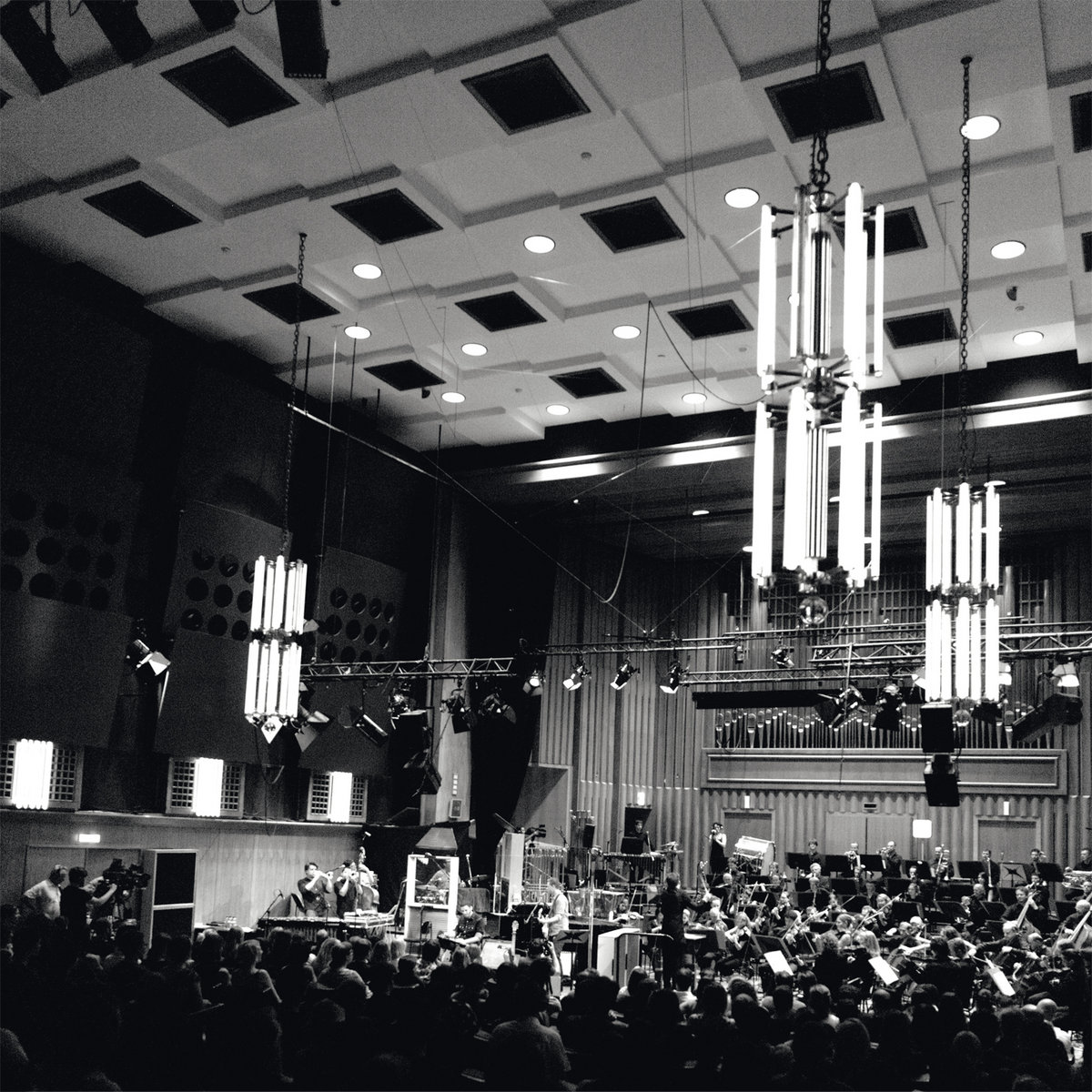
Todd Rundgren 35: State

The good thing about Todd Rundgren constantly upgrading his technology is that with every one-man band album, he sounds closer to something organic even when he’s relying on electronics. Of course, it also helps if he’s got songs, and State does have a few of those, but not enough.

Over a bed of extraterrestrial synthesizers right off of any of his other albums, “Imagination” crawls towards us from across the desert. Both “verse” and “chorus” seesaw between two chords, but while the former is more pastoral, the latter is pure forboding, with suitably grungy guitars. The eight minutes don’t drag, but then everything changes. “Serious” is mildly jokey, unfortunately locked into a synth-funk backing that does the sentiment no favors. “In My Mouth” (as in “something in my mouth for you”) comes from a standard lyrical trope following a trip to the doctor, but overstays its welcome, while “Ping Me” is a modern take on basic communication. But comparing the plight of women to a popular video game in “Angry Bird” is a major whiff.

What we’d call side two begins as the first did, with a mysterious synthesizer heralding “Smoke”. The dance beat is a bit much, yet the track holds up. Not so “Collide-a-Scope”, already used as a clever song title and better song by nemesis Andy Partridge for the XTC side project the Dukes of Stratosphear, and theirs wasn’t a litany of opposites. Thankfully with “Something For Nothing” we finally have a track worthy of his talents, lyrically and melodically, nicely supported by Rachel Haden on the bridge and chorus. “Party Liquor”, which pointedly sounds like it’s set in a dance club, kills that mood, but it can be skipped in favor of the bleak landscape of “Sir Reality”, which has some screaming lead guitar above the synth beds.

Those still wanting to dive in to State would have been best served by springing for the deluxe edition, which boasted selections from a concert that covered his entire career, pop to prog, accompanied by the Metropole Orkest in big band arrangements on a second disc. He’s started to croon in his advancing years, but things like “Pretending To Care” and even songs from 2nd Wind get a fresh perspective. The otherwise unavailable “Frogs”, about a plague of same, allows him to indulge his Gilbert & Sullivan tendencies. (He encouraged attendees to film it, and the complete show is still available for viewing.) It’s still more entertaining than the zoopa-zoopa techno medley of “Can We Still Be Friends?”, “I Saw The Light”, and “Hello It’s Me” stuck at the end of the digital version of State itself.

Todd Rundgren State (2013)—2

Tuesday, September 26, 2023

Toad The Wet Sprocket 8: New Constellation

Many ‘90s bands got around to reforming in the new century, and every now and then they’d take time off between statefair gigs and other one-offs to record an album, usually crowdfunded. Toad The Wet Sprocket did just that, and emerged to celebrate 25 years as a band with New Constellation.

Granted, Glen Phillips had released several solo albums since the band ended the first time, but every fan likes to hear the old gang together again—the swelling organ, the stock guitar heroics. And while their music hasn’t changed much in that period, there’s something about the title track, “Rare Bird”, and “Get What You Want” that makes them sound like a less funky Maroon 5. Somehow “The Eye” invokes recent U2, except for the bridge. “California Wasted” sports a nice emo chorus, and “The Moment” is all knotted eyebrows but still big. “I’ll Bet On You” is a nice sentiment, and easy to see played to happy crowds singing along. They’d probably enjoy “Is There Anyone Out There” for the same reasons, but “Life Is Beautiful” is a little too simple. “Golden Age” is a musical rewrite of “Windmills”, but with more universal lyrics. They save everything for “Enough”, which run six minutes and includes strings.

As a thank you to fans who’d crowdfunded the album, four additional songs were included for download. Any of these are worthy of the album, from the mildly stomping “Friendly Fire” and should-be-singles “I’m Not Waiting” and “Finally Fading” to the more wistful “Last To Fall”. Two years later, these were augmented with two more to form the Architect Of The Ruin EP. This title track is a pleasing gallop, while “So Long Sunny” turns the “Sweet Jane” riff inside out. All together, it sounds like Toad.

Toad The Wet Sprocket New Constellation (2013)—3
Toad The Wet Sprocket
Architect Of The Ruin (2015)—3

Friday, December 23, 2022

Nick Lowe: Quality Street

While unfairly pegged a one-hit wonder thanks to “Cruel To Be Kind”, Nick Lowe is actually a rock ‘n roll legend. Having led the pub rock circuit in the ‘70s, he became a solid bass player and producer on call, having shepherded such luminaries as Chrissie Hynde and Elvis Costello through their first recording sessions. He’s still out there, playing gigs and rocking the best head of silver hair next to that of Robyn Hitchcock.

Even though he’s managed to “do his own thing” into this century—and granted, steady royalties from a cover of “(What’s So Funny ‘Bout) Peace, Love And Understanding” on the bajillion-selling soundtrack to The Bodyguard helped—his record label still wants his records to be lucrative. They apparently were the ones who suggested he do a Christmas album, and he was polite enough to give it a shot.

Quality Street: A Seasonal Selection For All The Family is just as likeable as its performer is reputed to be. Rockabilly-style versions of the spirituals “Children Go Where I Send Thee” and “Rise Up Shepherds” have an edge on the Tex-Mex arrangement of “Silent Night”. Some relatively obscure covers get welcome airings, including Eddy Arnold’s “Christmas Can’t Be Far Away”, Roger Miller’s “Old Toy Trains”, and a lovely take on Roy Wood’s “I Wish It Could Be Christmas Everyday”. “The North Pole Express” comes from a kids’ record his drummer found, while “Just To Be With You (This Christmas)” puts a lounge twist on a song by modern blues band The Mighty Blue Kings.

His own songs are the real winners: “Christmas At The Airport” puts a positive spin on holiday traveling hell, while “I Was Born In Bethlehem” is a lovely perspective on the origin story. Lyrical help from Ron Sexsmith and Ry Cooder on “Hooves On The Roof” and “A Dollar Short Of Happy” respectively isn’t as successful, but they still fit. Altogether, with his band including longtime contributors Geraint Watkins and Bobby Irwin providing able support throughout, Quality Street fulfills the thesis in its subtitle. (For more fun, The Quality Holiday Revue Live offers highlights from the following year’s support tour with Los Straitjackets as the backing band; who also provide their surf cover of Vince Guaraldi’s “Linus And Lucy”.)

Nick Lowe Quality Street: A Seasonal Selection For All The Family (2013)—3

Tuesday, September 22, 2015

Robyn Hitchcock 29: Love From London

After thirty years as a solo artist, with a catalog that has sold well into the dozens, Robyn Hitchcock doesn’t inspire more than a raised eyebrow from most people, least of all those who wonder why he gets so much attention from this blog. Admittedly, his heyday is well in the past, but for those still longing for the consistency he supplied in the late ‘80s/early ‘90s, Love From Londøn comes the closest yet.

First of all, a circular piano part drives “Harry’s Song”, a mysterious number and oddly foreboding opener. “Be Still” is more upbeat, harmonious and pinned by an insistent cello part, while “Stupefied” combines a tabla effect with handclaps and dotty piano. It takes bollocks to write a song called “I Love You” at this late date, and he marries it to a pretty obnoxious backing. More successful is “Devil On A String”, with its college-rock guitar and canned sax.

Besides having a very Hitchcockian title, “Strawberries Dress” could have easily been lifted from an Egyptians album. “Death & Love” are topics he’s covered fully, but here don’t really figure past the title. “Fix You” takes the lyrical hook from the Coldplay song and turns it into a commentary on capitalism (“Now that you’re broke, who’s gonna fix you?”) with a suitably tense backing. “My Rain” is very intricate acoustically and electrically, and matches “Harry’s Song” for the gem of the album. Just to keep things constant, “End Of Time” is a happy sounding song about death, with seashore effects that recall his first solo album and a reprise of what is presumably the album’s title track.

The credits would have us believe that any drums heard on Love From Londøn are computerized, yet the album sounds just as lively as any of his recent work with a human percussionist. We hesitate to give it a higher rating than what we have, but it really is one of his better albums of this century.

Robyn Hitchcock Love From Londøn (2013)—3

Friday, May 22, 2015

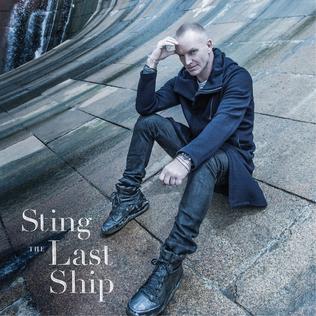
Sting 12: The Last Ship

Following the lute album and the bone thrown at the Christmas market—plus a Police reunion in between—Sting continued to court irrelevance, first with an album and tour called Symphonicities, based around tepid symphonic arrangements of music that didn’t demand reinterpretation. Then came 25 Years, a box set that, outside of a DVD with a concert from 2005, offered zero rarities.

So while the groans the greeted the news that he’d written a Broadway musical weren’t exactly deafening, knowing that The Last Ship was partially inspired by The Soul Cages didn’t dispel the dread either. That said, it’s not bad, especially since we’ve long since stopped expecting anything from him.

The album (and subsequent stage production) explores the lives, loves and losses in a town in economic decline. Because he’s singing in character, we have to put up with lots of accents and voices that would serve the music better were they done straight, or at least without affectation. The title track is a good demonstration, a good melody, subdued arrangement but pompous, stagey delivery. But we’re a sucker for Northumbrian pipes, so the track wins. Not so the button accordion on “Dead Man’s Boots”. “And Yet” courts a cool pop arrangement with seagull effects, though something like “August Winds” is directly descended from his lute album. “Language Of Birds”, co-written with co-producer Rob Mathes, makes lyrical and musical references to soul cages and island of souls, but does not need the spoken interlude at all. “Practical Arrangement” was dropped for the show, and although it’s a pretty blatant stab at a “show tune”, it still works as a song.

The same can almost be said for “The Night The Pugilist Learned How To Dance”, which sounds a lot like the story-heavy songs Mark Knopfler still puts on his albums (and sings better, in his natural voice). The near-jig “Ballad Of The Great Eastern” is an ensemble composition, and gets better as it loses the generic touches, but there’s a story, so there’s more narration. It comes off as an aural setup for “What Have You Got”, a rousing knees-up (think “God That’s Good” from Sweeney Todd) featuring vocalist Jimmy Nail, who would star in the show itself. “I Love Her But She Loves Someone Else” is self-explanatory, but effective, and in the same vein as “So To Speak”, which is a duet (of course), only making us wish that Becky Unthank would sing the whole thing by itself. The closing reprise of the title track reminds us that it is, after, a show.

The Broadway version of the show has already closed, but if history tells us anything, The Last Ship will be flogged on other boards. (The deluxe version of the album alone will appeal to AC/DC fans, as it features among its five extra songs two vocal performances by Brian Johnson, without his trademark shriek.) For those of us wondering whether Sting would ever do another “normal” album—and the mind shudders at the prospect of further musicals—at least The Last Ship is tolerable, more so than anything else he’d done in the twenty years prior.

Sting The Last Ship (2013)—3

Tuesday, March 31, 2015

Beach Boys 28: Made In California

By the 21st century, Brian Wilson had managed to outlive both of his brothers, and kept his distance while two and sometimes three competing acts toured the summer circuit to revive the sound of the Beach Boys. Meanwhile, every few years brought another permutation of the “Good Vibrations” single (in stereo! 5.1 surround! karaoke-style!) or some other anniversary package with rare or new mixes, backing tracks, a cappella mixes and “newly discovered” outtakes. The laughably titled Endless Harmony single disc and the later Hawthorne, CA double-disc set were undoubtedly inspired by the Beatles’ Anthology project, except for the random sequencing and arbitrary inclusion of material from well after the band’s heyday. (Of course, in the time before The Smile Sessions the occasional bone from that era only tantalized and infuriated collectors further.) Then there were the themed packages—Sounds Of Summer, Warmth Of The Sun, Summer Love Songs, Classics Selected By Brian Wilson, ad nauseam—that merely raked through the same patch of sand.

But a fiftieth anniversary is a big deal—just ask the Stones—so only twenty years after their thirtieth anniversary box set, the Beach Boys issued 50 Big Ones on two CDs, and put out a new box set with six CDs, which you’ll notice is one higher than the last one. As they’d recorded precious little material in those two intervening decades, that means the balance is made up of “60 unreleased tracks”. (No points for guessing that this total includes live versions and alternate mixes, some contemporary, some from this century.)

Yet Made In California doesn’t merely inflate the sequence of the previous box. That format has been ignored, they’ve started from scratch, included some songs that weren’t on the first and ignored some that were. So yes, you have to have both, and that’s the law.

The story is still chronological through the first four discs and part of the fifth. Naturally we start with songs about surfing and cars (thanks for “Surfers Rule”, no thanks for “Ballad Of Ole Betsy”), complete with session chatter, and that means Murry Wilson haranguing the kids on how to craft a hit. By the end of the first disc, Brian has started to run the show and write more “mature” music with lyrics to match, and that develops on the disc two; however, the splendor of “California Girls” and “Let Him Run Wild” has to distract from the likes of “Salt Lake City” and “Amusement Parks U.S.A.” Five of the best songs from Pet Sounds set up “Good Vibrations” and a smattering of Smile material, including “Mrs. O’Leary’s Cow”, but using the Smiley Smile version of “Wonderful”.

From there, the value is solely in the ears of the listener, and how one feels about the rest of their career. Disc three starts well with “Darlin’”, to take out the rest of the ‘60s, moving through various album tracks and shoulda-beens unearthed in the ‘90s (“Sail Plane Song”, “Soulful Old Man Sunshine”, f’rinstance) up through “‘Til I Die” and “Surf’s Up”. Disc four covers the ‘70s, and like disc three, also pays more attention to Dennis and Carl than the other box did, but where the hell is “Long Promised Road”?

The first ten tracks on disc five cover 1980 through the present, including two decent outtakes from an unfinished 1995 album and, yes, “Kokomo”. Then it’s a wild stretch through live recordings spanning three decades (nothing from the ‘80s) proving that they could always put on a decent show. And just to stay with the pattern, disc six (“From The Vaults”) offers up even more alternate takes, backing tracks, a cappella mixes, etc. Some of this could be considered historic, like “Where Is She” and the backing track for Glen Campbell’s “Guess I’m Dumb”, and some of it is sad, like “Sherry She Needs Me”, a 1965 backing given an raspy 1976 Brian vocal, or “You’ve Lost That Lovin’ Feeling”. And since they amazingly hadn’t exploited it yet, there are even a few BBC sessions.

There are enough “new” things on Made In California to entice the Wilson obsessive, but one wonders whether such a package would be better served as a standalone collection of goodies as opposed to yet another grab-the-newbies-too career-spanning box with all the hits everybody should have already. And if you’re nervous as to what they’ll do for the 75th anniversary, maybe CDs won’t exist in 2038.

The Beach Boys Made In California (2013)—

Tuesday, October 21, 2014

Jimi Hendrix 26: People, Hell And Angels

Out of nowhere came People, Hell And Angels, another Hendrix vault compilation. Something of a counterpart to Valleys Of Neptune, it served up more studio takes that might have made up his fourth album, recorded in 1969 post-Noel and touching on the Band of Gypsys.

As should be clear by now, Jimi recorded several takes and arrangements of his works in progress, depending on his mood and who was around. So here’s another “Bleeding Heart” (this one slow), another “Hear My Train A Comin’” (more like the more familiar live versions), a decent “Earth Blues” with the Gypsys, and an early stab at “Izabella” with the expanded Woodstock band. Of the unfamiliar material, “Inside Out” comes from mid-1968, pre-Ladyland, a duet with Mitch embellished by Jimi’s own bass part and more guitar. Sadly too short is “Villanova Junction Blues”, otherwise recorded only in jams and at Woodstock.

The album also attempts to further “right” some of the liberties taken by Alan Douglas forty some years earlier. Along with a longer excerpt of “Easy Blues”, last heard on Nine To The Universe, “Somewhere” is rescued somewhat from Crash Landing, in a take featuring Stephen Stills on bass. (That album’s title track also appears in a different but unaltered take, while what used to be known as “Captain Coconut” is added as a bonus on the Target stores edition of the album, in all of its twenty-minute splendor.) “Hey Gypsy Boy” was first heard on Midnight Lightning, supposedly recorded the same day as “Let Me Move You”; while funky and fiery, it’s basically a showcase for vocalist/saxophonist Lonnie Youngblood, and therefore belongs on a collection of Hendrix session work. Similarly, “Mojo Man” is a completed track by sometime backup singer Arthur Allen to which Jimi added a lead part.

The Estate stated that People, Hell And Angels would be their final archival release of studio material; time would prove it wasn’t. We can recommend it as a worthy installment, along with most of the studio releases of the last two decades, but that doesn’t excuse the anachronistic cover art. Really, a pile of songs from 1969 and the best they could do was a shot from two years earlier?

Jimi Hendrix People, Hell And Angels (2013)—3

Monday, July 21, 2014

Stephen Stills 14: The Rides

For all his dabbling in styles over the years, Stephen Stills has always considered himself a blues man. His excursions into the genre have varied from astounding to embarrassing, and his fretwork hasn’t always been welcome in, say, a Crosby, Stills & Nash forum.

So it’s surprising that it only took him half a century to find an outfit that just lets him wail. The Rides pairs him with young phenom Kenny Wayne Shepherd, with Barry Goldberg (who was on the Bloomfield side of the Super Session album) on keyboards and a rhythm section including Chris Layton, once of Stevie Ray Vaughan’s band, on drums. On Can’t Get Enough—co-produced by Jerry Harrison of Talking Heads, interestingly enough—Stills and Shepherd alternate vocals on mostly originals, but there are some surprising takes. Shepherd happily sneers his way through the Stooges’ “Search And Destroy”, but he’s not as convincing on Muddy Waters’ “Honey Bee”. Stills hasn’t been in the strongest voice for years, but he’s most animated on the loud take on his own “Word Game”. The title track is not the Bad Company song, and we’ve got mixed feelings about that, but “Rockin’ In The Free World” adds nothing to the original. Basically, the album is best when they just play (and when there are no backing vocalists).

Three years later, the same crew delivered Pierced Arrow, which picked up where they left off, only louder. “Virtual World” halves the pace, but it’s a duet in harmony, “By My Side” is a slow burner, also with good harmonies, and “Mr. Policeman” has a terrific swagger. All the tracks were original collaborations this time, with the exception of Willie Dixon “My Babe” and “I’ve Got To Use My Imagination”, which first appeared on Barry Goldberg’s 1973 eponymous album. The backing vocalists were different this time, and mixed lower, and Kim Wilson of the Fabulous Thunderbirds blows harp, most prominently on “Game On” and the lyrically inane “I Need Your Lovin’”. Again, the focus is on the musical interplay and of the two—as there haven’t been any further Rides albums—Pierced Arrow gets the edge.

The Rides Can’t Get Enough (2013)—3
The Rides
Pierced Arrow (2016)—3

Sunday, July 20, 2014

Stephen Stills 13: Carry On

When it was Stephen Stills’ turn to get a Graham Nash-curated box set, he had to have four CDs, not three. Considering the volume of music he’d put out over nearly half a century, it almost makes sense, but any collection would have to keep in mind that quantity in Stills’ case doesn’t necessarily indicate quality. Luckily, Carry On is designed for those who like deep dives, via alternate versions and unreleased tunes.

The first sound we hear is a 17-year-old kid sweetly singing and picking on a Voice of America radio feed from Costa Rica; two years later his voice has acquired some of the smoke we’re accustomed to, with The Au Go Go Singers. Ten Buffalo Springfield tracks provide a terrific glimpse into his contributions there; sadly, the rare extended “Bluebird” jam is still MIA. We’d already heard the demo of “Four Days Gone” on the Buffalo box, but two one-man band demos nicely lead into the first CSN album and Déjà Vu. A solo “So Begins The Task” and a one-man-band-plus-drummer version of Crosby’s “The Lee Shore” are nice surprises.

Disc two offers a wonderful sequence. It covers roughly two years, in neither recording nor release order, but encompasses his first three albums, all made without those other guys. Hidden gems include an early version of “The Treasure”, a live duet with Steve Fromholz on “Do Unto Others”, “Find The Cost Of Freedom” from a surprise appearance with Neil Young at a Crosby-Nash gig, and “Little Miss Bright Eyes”, which evolved from a Déjà Vu outtake called “Ivory Tower”. And while he’s obviously proud that he got to play with Hendrix, did their unreleased “No Name Jam” really need overdubs in this century?

That disc stands alone just fine, but disc three is where it starts to unravel. We begin with some of the not-so-highs of the Stills album before bouncing through the rest of the ‘70s and into the ‘80s. Illegal Stills is ignored, but Thoroughfare Gap isn’t. A couple live acoustic tunes break up the slickness; other rarities include “Spanish Suite” with Herbie Hancock, a CSNY mix of “Black Coral”, an edited but still interminable “Dear Mr. Fantasy”, and the quieter mix of “I Give You Give Blind”.

Disc four is just as spotty, notable for offering selections from the anemic Allies live album for the first time on CD. A solo sketch called “Welfare Blues”, recorded at Jimmy Page’s studio, appears for some reason, as does an unnecessary remake of “Church (Part Of Someone)” from his first album, overloaded with synths and emoting chorists. Nice selections from Stills Alone sit uncomfortably next to clunkers from Man Alive! In the middle of all this is a live arrangement of “Girl From The North Country”, from one of the last times CSN sang together well in public, and a version of Otis Redding’s “Ole Man Trouble” from one of the CSNY2K tours with Booker T. & the MG’s.

The first half of Carry On is stellar, so while it’s a shame the rest can’t keep up, we didn’t expect it to. This one’s for the fans. And Graham.

Stephen Stills Carry On (2013)—

Tuesday, December 31, 2013

Gerry O’Keefe: Whatever Suits You

The word “pop” in relation to music has had several connotations over the past fifty years, most of them derogatory. Today it conjures mental images of man-boys with bad haircuts and lithe jailbait writhing or getting implants. Once upon a time, even the Beatles were considered a pop group, before they were appreciated as musicians by those deemed fit to judge such things.

Pop is short for popular, of course, and to be popular in the industry is to be lucrative. Therefore, the songwriters behind all the big faceless hits of the ‘60s in particular had to crank out songs that would appeal to current trends, but because they were craftsmen (and women), they took a certain pride in their work, and strove to create things of lasting merit. They were made to sound good through a single speaker broadcasting AM radio, certainly. Nostalgia doesn’t have to be pathetic, of course.

These days, the purveyors of pop work with ProTools and autotune, and the sounds they create can be as interchangeable as the product that ultimately made Greg Brady decide not to wear Johnny Bravo’s suit. Somewhere among them is a handful of writers who still start with an acoustic guitar, pen and paper to hone their craft.

Gerry O’Keefe understands how it’s done, and is doing his own part trying to reclaim the tradition of the pop craftsman in a sterile atmosphere. His music stems from the example set by the Brill Building types that dominated the top 40 charts of decades past. After many years working in original and cover bands in the Chicago area, his knack for recognizing a solid hook has finally resulted in his very first album under his own name.

Whatever Suits You is an easygoing collection of friendly strums, accented by heartland riffs and understated harmonies. Best of all, the words are as well constructed as the chords. Any modern acoustic troubadour would kill for a song like “Your Brand New Beginning” in their set. It’s easy to imagine songs like “Good When It’s Gone”, “We’ll Call It Hope” and “Stuck, Still, Not Even Slow” on the radio. “The Road That Doesn’t End” gets an extra boost from a simple piano added to the standard guitar-bass-drums combination to accentuate the ache. And good luck getting the Beatles ‘65 twang of “Darlin’ Divine” out of your head once it’s there.

It would seem that people don’t write songs like this anymore, but we know that’s not true; they’re just hard to find. Thankfully, Whatever Suits You is available via the usual online merchants, in download format as well as an actual, tangible CD with artwork, liner notes and everything. It’s one of the nicer surprises of the year.

Gerry O’Keefe Whatever Suits You (2013)—

Friday, December 27, 2013

Beatles 33: Bootleg Recordings 1963

When a rumor emerges in Beatlemaniacland, the inhabitants immediately begin picking it apart, seesawing between euphoria and anger, and falling off several times into conjecture and other tangents. So it was that news of a bumper bundle of unreleased material to emerge on iTunes (now that the two companies named Apple were the bestest of buddies) sparked off a week or so of unfounded opinions. Then it was available, then it wasn’t, and then it was again.

Given the title Bootleg Recordings 1963, it’s a little over two hours of material—predominantly BBC radio performances as yet uncollected on an official Apple release, plus several studio outtakes and two demos. In all there are 59 tracks, retailing for 40 bucks American, or 67¢ a song. All of the BBC stuff has been floating around on bootlegs for years, as have the demos, while most of the studio outtakes appear for the first time in stereo.

The studio outtakes come first, peeking into the sessions for the Please Please Me album and follow-up single, and two more from later in the year. Then it’s a haphazard leap into the many radio appearances, tagged with the alleged (and often incorrect) original broadcast date. The usual suspects appear, as well as performances of some of the covers they didn’t put on their albums. If you haven’t had your fill of “A Taste Of Honey”, “Till There Was You” or even “She Loves You”, you might after this. Finally, non-professional recordings of two songs Lennon and McCartney gave away (“Bad To Me” and “I’m In Love”) round out the program.

Lots of collectors balked at spending their iTunes credits on stuff they mostly had, and cursed Apple for “ripping off the fans again”. Which is only true if something was promised and not delivered, and that didn’t happen. By boldly stating that these are bootlegs, that excuses any lack of sound quality. Considering how clean the studio stuff is, that’s not an issue either. It’s also hilarious to hear someone who can only have been familiar with this music thanks to pirates, copyright cheats and outright thieves complain about the rightful owners’ integrity.

Most tantalizing of all is the knowledge that there are several hours’ worth of studio material not included here. So if this was a gambit to protect their copyrights, as has been assumed with the existence of similar Bob Dylan compilations, what is the fate of the rest of the material? Clearly, we haven’t emptied the well.

The Beatles Bootleg Recordings 1963 (2013)—3
CD availability: none; download only

Monday, December 23, 2013

Bob Dylan 56: 50th Anniversary Collection 1963

Well, it happened again, sort of. This time, the assumed record label attempt to either protect their archives, tease the public or both resulted in a six-record set of otherwise uncollected (but mostly bootlegged) Bob Dylan recordings, with limited availability.

This time, however, the studio takes on 50th Anniversary Collection 1963 total exactly six: alternates of “Eternal Circle” and “Percy’s Song”, another extremely sloppy stab at “That’s All Right, Mama” that peters into something called “Sally Free And Easy” before stopping altogether, the slightly more interesting “East Laredo Blues” piano solo, and the legendary unreleased tracks “Hero Blues” and “New Orleans Rag”.

The bulk of the live recordings are of more historic than musical interest. “When The Ship Comes In” at the March on Washington, for example, would be a lot more palatable if it didn’t sound like a news broadcast (and didn’t have Joan Baez yodeling all the way through it). Typical is a 12-song sequence called “The Banjo Tape” (because of one of the accompanists; he appears to have acquired a 12-string). In this seemingly impromptu hootenanny, the most successful songs, and the ones that don’t break down after a minute, happen to be his own compositions.

There’s also the balance of his two legendary New York concerts of the year, at Town Hall and Carnegie Hall. Despite these having already been plundered for various Bootleg Series sets (and in one case, Greatest Hits Vol. II) with pristine sound, having been professionally recorded, the question is begged: why not issue the complete shows in sequence?

Then there are a few lost songs, some better than others. “Ramblin’ Down Through The World” began the Town Hall show, and isn’t much of anything. “Hiding Too Long” is more fascinating, if clumsy. There are a few renditions of “John Brown”, and several of “Only A Pawn In Their Game”.

Like most bootlegs, this isn’t an album sequenced for anything other than posterity, and the multiple takes of less than exciting songs gets tiresome. It still provides a fascinating glimpse at the kid trying to finish his second album and on his way to his third.

Bob Dylan 50th Anniversary Collection 1963 (2013)—3
CD availability: none; LP only

Friday, December 20, 2013

Beatles 32: On Air

It only took the Apple powers that be nineteen years—yes, that long—to release a no-brainer sequel to Live At The BBC. Considering all the work done by bootleggers in the meantime, digging up the best sources and whatnot, On Air, helpfully subtitled Live At The BBC Volume 2, should have been another terrific collection, right?

Well, not exactly. Given the dozens of heretofore officially untapped possibilities, any one Beatlemaniac’s choice is going to be different from another. And when you’ve got the suits involved, they’re going to go for the common denominator, stressing beloved hits over historical rarities.

One of the things that made the 1994 set so exciting was the bumper crop of otherwise unheard Beatles songs—covers, mostly, but still fun. Having used most of those up already, On Air essentially frames an “alternate” Please Please Me (or The Early Beatles, for those of you playing in the U.S.), with all their singles and most B-sides represented as well. Because they repeated several songs throughout their dozens of BBC appearances, 12 songs appear in alternate versions from the first batch, two come from a 1995 EP that all the fans have (plus another alternate here) and the one BBC track on Anthology 1 shows up again too. We’re not about to compare all the different versions, but this particular run through “Glad All Over” here is fairly raucous. Meanwhile, John still sings “small coat” instead of “‘cos my uncle” on “Memphis, Tennessee”.

There are some “new” songs—“Beautiful Dreamer” and Chuck Berry’s “I’m Talkin’ ‘Bout You”, both in fuzzy sound but we’ll take them, and a rockin’ run through “Happy Birthday Dear Saturday Club”—leaving a few still in limbo. The lead track is Buddy Holly’s “Words Of Love”, recorded a year and a half before its appearance on a Beatles LP (and two years before the Americans got it). “Please Mister Postman” is heard with a full stop ending, instead of a fade, and “And I Love Her” is the arrangement we all know, but electric. “Honey Don’t” and “Kansas City”, which appeared in 1963 versions on the first set, come from the more obvious Beatles For Sale era here. They even include an outtake sequence from the recording sessions for the BBC version of “I Feel Fine”.

Naturally, snippets of dialogue and canned chatter sets up several tracks; the excruciating commentary by Lee Peters makes the less-intrusive presence of Brian Matthew all the more welcome. (Beatle historians will wince at the reference to Paul’s upcoming birthday party, as we know that was the occasion that John got drunk and beat up one of their Liverpool buddies.) Each disc ends with a half-hour’s worth of individual interviews with the boys from 1965 and 1966, which, while interesting, lack the exuberance of only a few years before.

Taken all together, On Air is a stretch for two CDs. It could also be that so much of the fun was already spent on the first set (which got a mild facelift the same day) so that the potential riches to be were inevitably been diluted. It’s still the Beatles, and it’s still fun. But you’ll still listen to the other one more.

The Beatles On Air—Live At The BBC Volume 2 (2013)—3

Friday, December 13, 2013

Neil Young 47: Cellar Door and Carnegie Hall

One of the selling points for the Blu-ray version of Neil’s Archives box was that it provided the capability to download additional material as it became available. His rationale was that if he discovered something he considered Archive-worthy, it would go right into the virtual filing cabinet around which the project was formatted. And for the better part of a year, right around each month’s full moon, a new item would pop up to add to the pile of music already contained in the set. Since then, nothing. (And after the official Archives website was launched, that became the repository for material old and new.)

In a move guaranteed to irritate those Blu-ray owners, Live At The Cellar Door, compiled from six shows over three days late in 1970, emerged as a standalone CD. This installment of his Performance Archive Series (dubbed “2.5” to go between the already-established 2 and 3) was recorded a whopping six weeks prior to the shows sampled for Live At Massey Hall. Given that this period had been well mined—“See The Sky About To Rain” having already appeared on the box—and folks were clamoring for any news on the status of Archives Vol. II and beyond, this disc may have seemed redundant to those of us without Blu-ray players. Were these solo acoustic performances really that different from any others, in the way that shows by the likes of, for example, the Grateful Dead, Frank Zappa, or even Neil with Crazy Horse might have been?

Luckily, they are a little different. “Expecting To Fly” receives a nice treatment at the piano, for example. So does, amazingly, “Cinnamon Girl”, so often associated with electric fuzz, and here with an intro resembling that of “After The Gold Rush”, which is likely the reason for the spontaneous applause. He acknowledges that he never did it that way before, and it’s pretty clear why. In fact, half of the album is a showcase for his “almost a year” of piano playing.

Given the between-song “raps” that dotted similar releases, Live At The Cellar Door mostly sticks to the music, except for a three-minute detour before “Flying On The Ground Is Wrong”. The prelude is punctuated by his fingers messing with the piano strings to comic effect, while the song itself travels from sorrowful to jaunty and back. It’s one performance that makes the album worth owning.

Ever oblivious to a marketing study, eight years later Neil chose to inaugurate his Official Bootleg Series with a show recorded at Carnegie Hall within days of the Cellar Door shows. With the idea that he’d replicate classic vinyl boots with original artwork but optimal sound, in this case the boot in question preserved the second of two performances, while the one he put out was the first.

Unlike many of the shows he’s released lately, this one is a complete performance, 23 songs running to two CDs, split right where the intermission occurred. In addition to songs heard on Cellar Door, “Wonderin’” is given a pleasant acoustic reading, “The Loner” is similar to the 4 Way Street arrangement (but not in a medley), and “Southern Man” is just as frenzied stripped down. “Nowadays Clancy Can’t Even Sing” is transferred to piano, and there’s a nice little exploratory acoustic passage before “Dance Dance Dance” that sounds almost like “Music Is Love”. “Sugar Mountain” gets interrupted a few times because the crowd won’t clap in rhythm or sing along. A lot of banter is left in, including further admonishments of the crowd. (The similarity of his piano intros is the source of one such exchange.) Were this title available before Cellar Door, it would be preferable, but it wasn’t, so there it is.

Neil Young Live At The Cellar Door (2013)—3
Neil Young
Carnegie Hall 1970 (2021)—3

Friday, December 6, 2013

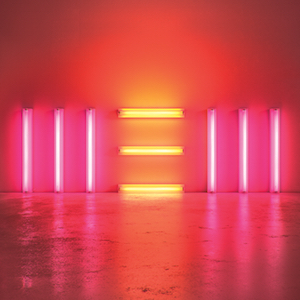
Paul McCartney 33: New

For a man oozing with so much creativity, Paul McCartney’s never been praised for his clever album titles. For every Tug Of War, Band On The Run or even McCartney II there’s such cringe-inducers as Back To The Egg, Memory Almost Full and Kisses On The Bottom. And now, this. It’s a good thing that the quality of any McCartney album doesn’t depend solely on its title, or else we’d have to write off New immediately.

Much was made of how this was his first “rock” album in six years, coming as it did on the heels of Kisses. But that ignores the inspiration that went into creating the Fireman album, and the quality of what came out of it. Another antecedent would be Chaos And Creation In The Backyard, which had one young hot producer at the helm; New has four such names, two of them direct progeny of previous, legendary collaborators.

Interestingly, these young producers deliver sounds that hearken back to decades earlier, whether or not McCartney’s lyrics constantly look back. The charms of “Save Us” have to fight an insistent fuzzy guitar part, and even through the drums sound canned, it’s a catchy opener. “Alligator”, with its pleas for someone to “save me” makes a redundant choice to put next, but it’s soon forgotten. As with his last “rock” album, he takes the opportunity to evoke his own past, covertly in “On My Way To Work” (sung from the point of view of the same bus in “A Day In The Life”) and overtly in “Early Days”. In the middle is “Queenie Eye”, another jaunty track with a seemingly nonsense lyric that is so irresistibly catchy you can’t help shake your head and smile. The title track incorporates a “Penny Lane” march in something of an homage, likely unintentional, to The Rutles’ “Doubleback Alley”.

The second half of the album has a more unpredictable sound. “Appreciate” takes a few plays to, well, appreciate, mixing his ‘80s tendencies with modern touches. “Everybody Out There” is a strange cousin to “Mrs. Vandebilt” musically—it’s not a stretch to imagine Linda happily yelling “hey” at all the right spots—if the lyrics are a bit forced. Built on drones and loops, “Hosanna” is basically a one-man operation that sounds like it took as long to write as it did to record; here it serves as a palette cleanser before the more upbeat if unsubstantial “I Can Bet” and “Looking At Her”, which sounds a lot longer than it is. With an intro that brings to mind “It’s Raining Men” when it returns for its crescendo, “Road” doesn’t have quite enough drama for a finale.

But in this era of “deluxe” editions around the world, which add various bonuses, whether audio, visual or tchotchke, to a “standard” edition, it was a moot argument. Most McCartney fans would have gone for any of the packages that added more music anyway. “Turned Out” sounds halfway between an early-‘80s George Harrison track and a late ‘80s McCartney track, and would have made a decent B-side if bonus tracks hadn’t made them obsolete. “Get Me Out Of Here” is an innocuous little strum, making reference to the celebrity reality show of the same name. (Another track, the more experimental “Struggle”, only came out in Japan.) Unlisted on the cover of any edition but indexed separately is “Scared”—not a John Lennon solo cover, but a show of vulnerability with a suitably frightened piano part. It makes for a sobering end. (All those, plus two other outtakes and four live versions, were included on a second disc in the New: Collector’s Edition a year later, along with a DVD containing videos and a documentary about the making of the album and subsequent promotion. Both of the outtakes were piano-driven; “Hell To Pay” is laden with tense strings to match its miffed tone, while “Demons Dance” is a one-man band concoction not too far from “Flaming Pie” but less inspired.)

No matter what anyone tries to say, New is not a grand statement, or even one of his more important albums. It is, however, proof that for all his talents and hobbies, Paul McCartney still gets a kick out of making records. A few of these songs will likely appear in the slightly modified setlist of his next handful of concerts, and they’ll be replaced with whatever he chooses to include from his next album.

So it’s just his New album. Long may he run.

Paul McCartney New (2013)—3
2014 Collector’s Edition: same as 2013, plus 9 extra tracks (and DVD)

Wednesday, November 13, 2013

Elvis Costello 32: Wise Up Ghost

Usually, when an established-for-decades artist attempts to sound contemporary, the results can be abysmal. Elvis Costello is too smart a guy to sound younger than he is, but he’s long been a champion of the esoteric, and works best with people whose record collections are as deep and diverse as his. Still, because his knowledge of the history of popular music is so deep, he knows that you don’t have to go too far to risk repeating yourself or someone else. Therefore, he will work with a spark other than guitar or piano to get his creative juices aboil. (For example, When I Was Cruel started as an album of loops, amended by actual players; the last “loud” thing he put out before that was “The Bridge I Burned”, which was also heavy on loops, with a monologue spouted through a megaphone effect.)

Wise Up Ghost is a collaboration with The Roots, best known these days as being the house band on Late Night With Jimmy Fallon, but also respected as an innovative R&B combo. They’re a terrific live band (?uestlove in particular being a fascinating drummer), so it’s too bad that so much of the album sounds sampled.

Perhaps because their mutual attraction came from their familiarity with his catalog, several songs are either triggered by samples (albeit obscure) from the Costello catalog or apply new arrangements to whole sets of established lyrics. This becomes a game of “Spot the Reference” for Costello-heads; we’ll do our best not to list them all here, but suffice it to say the songs he chose makes this one angry antiwar diatribe, demonstrate that nothing has changed since he first wrote the words. The tracks that truly stand out do so because not only do they not sound like reworked older songs, but they also don't sound like everything else on the album.

“Walk Us Uptown” was the smart choice for lead track, since it’s not overtly derivative of other Costello tracks, but the mix and organ part evokes Christopher Walken flying through a hotel lobby pre-dawn. “Sugar Won’t Work” is more impressive, with a neat guitar snaking its way through the verse, plus an intriguing string counterpoint and harmonies that suggest this could be a great tune by the Imposters one day (assuming they’re still on retainer). “Refuse To Be Saved” grants a new chorus to “Invasion Hit Parade”, delivered in a sing-speak voice that makes the debt (and reference) to “The Revolution Will Not Be Televised” more overt, and an arrangement that recalls the Temptations’ “Ball Of Confusion”. In the same tempo, “Wake Me Up” combines three Costello lyrics over a quote from another; it’s otherwise enlivened by some great jagged rhythm guitar. “Tripwire” is the first classic tune, despite its reliance on the four-chord sample that runs through it. What saves it are the thoughtful lyrics, and loads of layered harmonies. But “Stick Out Your Tongue” is an unnecessary reboot of “Pills And Soap” (with a few other anti-media verses mixed in). While the original was indeed influenced by early rap, at least it managed to incorporate chord changes.

“Come The Meantimes” kicks up the tempo to recall the glory days of ska, while depending on a ‘60s soul sample. “(She Might Be A) Grenade” is a reworking of “She’s Pulling Out The Pin”, and not much better than that little-known, lackluster track. He's probably revisiting his older political songs to prove that nothing has changed. If you thought the brief sample from an Italian lounge record on “When I Was Cruel No. 2” was genius, then you’ll love “Cinco Minutos Con Vos”, which is an actual duet, finding melody over a grinding F-E progression. “Viceroy’s Row” recalls a less cluttered “Bridge I Burned”, its horn figure recalling a more kitsch era. The title track builds from an orchestral sample from North to a disquieting degree, adding martial drums and a heavy guitar doubling the line. “If I Could Believe” is the long-awaited ballad, culminating in a pretty little flourish of strings that winds up in discord.

There is an awful lot of sameness throughout Wise Up Ghost, but what keeps it worthy of return are the songs that feature him singing, as opposed to reciting. It definitely improves with familiarity, as after a while you can actually discern a song underneath the dressing. Maybe we’re being too nice; it’s recommended with an emphatic caveat that it might not resonate with the casual listener.

Naturally, a deluxe edition in wacky packaging came out simultaneously, with three extra songs to entice those aforementioned Costello-heads. Why these weren’t included in the album proper is a mystery, as they’re no worse than some of the ones that were. “My New Haunt” and “Can You Hear Me?” are both slowly funky, the latter relying on another mix of lyrics from three older songs. However, “The Puppet Has Cut Its Strings” is a remarkable “afterthought”, a paranoid lyric wandering over a claustrophobic piano and simple rhythm.

Elvis Costello and The Roots Wise Up Ghost (2013)—3

Friday, September 6, 2013

Bob Dylan 55: Another Self Portrait

Early on in his career, engineers on Bob Dylan sessions learned to just keep the tape rolling and catch everything, which has only fueled the hobbies of people who have spent a lifetime tracking down any and all Dylan recordings they can find. So when something turns up that nobody has ever, and we mean ever, heard before, that’s a big deal.

For the most part, each of the installments in his official, ongoing Bootleg Series have been illuminating, and once again, the compilers have come up with music that’s never actually been bootlegged. Another Self Portrait takes on a contentious period in history; specifically, the “lost years” that began with the surprising Nashville Skyline, continued with the confounding Self Portrait, followed by the misleading New Morning, and capped by the improperly named Greatest Hits Vol. II. The easy thing would have been to follow the “naked” trend and do a rejigged Self Portrait, stripped of all the overdubs, along with the tracks from the even worse Dylan. Instead, they’ve gone back to the original sessions to present a clearer picture of what was really going on when the album came together: Bob, accompanied by David Bromberg and Al Kooper, going through a bunch of folk songs, and occasionally trying out the few originals he’d piled up of late.

While those originals were few, he still put his all into the covers that did spring from his mouth. He apparently adored a song called “Spanish Is The Loving Tongue”, a third variation appearing here (the only only tie-in to the Dylan album, which speaks volumes). The unadorned takes of “Wigwam”, “Days Of 49”, “Copper Kettle” and “Belle Isle” bring out further charms, while the same treatment given both “Little Sadie”s is subjective. There’s even a third “Alberta”, but sadly, “All The Tired Horses” is still just acoustic guitar with women singing. Simple songs like “Pretty Saro” and “Thirsty Boots”, unheard until now, give weight to the revisionist view that Self Portrait was both an extension of the Americana explorations of The Basement Tapes as well as a precursor to Good As I Been To You and World Gone Wrong (and indeed, Dylan did some sessions with Bromberg in the same era as those albums, as heard on Tell Tale Signs). But even if he’d released the unadorned cuts back then, the album still would have been panned as being “unrepresentative”, so there.

At the same time, we can still think he chose to make New Morning an all-original antidote, given the evidence in more ornate and/or heavier mixes of “Time Passes Slowly”, “New Morning”, and “Sign On The Window”, all wisely left aside then but welcome today. Neither of the two songs included from the day George Harrison spent in the studio with him are very revealing, except from a novelty point of view; at least they sound like they’re having fun. But demos of “Went To See The Gypsy” and “When I Paint My Masterpiece” sport lyrical variations, while a solo-piano-with-violin version of “If Not For You” might be his best one of all. And who knew “If Dogs Run Free” once had a chorus? (Seven years later, the all-original theory was punctured by another catalog excavation of sorts, proving we know nothing.)

To fill in some of the space, “Only A Hobo” is the only other song re-recorded with the Basement batch for the 1971 hits album. Not only are there two more songs from the Isle of Wight and two alternate takes from Nashville Skyline, but a never-before-heard “Minstrel Boy”, purportedly from Big Pink itself, had us drooling for more unheard Basement Tapes.

There’s certainly enough on Another Self Portrait to keep the mildly obsessive Dylan fan busy. In some ways it does an equal disservice to the original album, as we’d like to hear the rest of the songs without all the overdubs. Those who shelled out the extra bucks for the deluxe version got a remastered Self Portrait disc to contrast and compare where applicable, plus more enticingly, the complete Isle of Wight show, in excellent sound. His voice slips back and forth between the new croon and the raspier shout, but he’s already started to play with the arrangements of his best-known songs, such as the curious wander through “It Ain’t Me Babe” and an almost honky-tonk “One Too Many Mornings”. We get to hear how John Wesley Harding and Nashville Skyline might have sounded with the Band, but the highlight is his lovely solo rendition of “Wild Mountain Thyme”.

Bob Dylan Another Self Portrait (1969-1971): The Bootleg Series Vol. 10 (2013)—

Monday, July 29, 2013

Big Star 8: Nothing Can Hurt Me

In 2012, every rock snob’s favorite power pop band got the feature-length documentary treatment. Advance promotion was helped by the soundtrack album, released first as a double-vinyl Record Store Day exclusive before the CD version came out.

Nothing Can Hurt Me is something of a Big Star sampler, representing all three albums, with the twist that all the tracks are previously unreleased versions. In some cases, they’re alternate or rough mixes from the original sessions; in others, songs are labeled “movie mix, 2012”, prepared specifically for the film by the band’s original engineer. Just to make things even more interesting, some studio chatter is included, along with a “demo” of “O My Soul”, a pedal steel-heavy take of “Try Again” credited to Rock City (aka Big Star before they were Big Star) and a couple of solo Alex Chilton and Chris Bell tracks.

Considering that the Rhino box set served up a whole pile of alternates to justify duplicating song titles, it really is something of a stretch to do it yet again. That said, Big Star fans are fervent, and very likely musicians themselves, so the chance to hear alternate mixes of songs they’ve memorized—maybe to decipher a mumbled lyric or pick apart how the instruments were layered in the studio—is always welcome. Some of us can’t hear enough variations on “I Am The Cosmos” anyway.

If you’re a Big Star fan and you’ve yet to see Nothing Can Hurt Me, either get the DVD now or put it in your Netflix queue. You’ll be glad you did, and don’t be ashamed to wipe your eyes here and there.

Big Star Nothing Can Hurt Me: Original Soundtrack (2013)—3

Friday, July 12, 2013

Ben Folds 13: Live

Not long after their reunion failed to set anything outside the hearts of diehard fans afire, Ben Folds Five continued their tradition of stopgap souvenirs with their (but not his) first live album. Live is taken from the tour supporting The Sound Of The Life Of The Mind; four of that album’s songs appear here, fitting well with the grab bag of older songs. (“Do It Anyway”, for example, transcends its irritating studio version by revealing itself as an expansion of the opening number from Jesus Christ Superstar.)

The album is compiled from several different shows, leaning heavily on San Francisco’s Warfield Theater, so the track selection seems almost random. Songs from their ‘90s heyday get plenty of response, and the boys play all with enthusiasm (“Narcolepsy” is extended to nine and a half minutes with a lengthy jazz odyssey). If there’s a dud, that would be “One Chord Blues/Billie’s Bounce”, yet another variation on “Rock This Bitch”. However, “Landed”, the only original here from the “solo” years, is a wonderful performance.

Mostly it’s a straight trio performance, with only one discernable appearance of a non-piano keyboard. And the piano isn’t so much attacked, as before (except on the closing “Song For The Dumped”); instead Ben throws his energy into wildly inventive explorations, proving that they’re more than a potty-mouthed novelty act. Or so it would seem from the performances sampled here.

Ben Folds Five Live (2013)—3

Wednesday, July 10, 2013

Calexico: Spiritoso

In this day and age, there is just so much music out there that it’s nearly impossible to hear it all, making it a full-time task to stay current. Besides the handful of “artists” who are actively funded by the major labels, who are the ones pushing their product to the dwindling shelves at your local Target store, there are those performers who rely on their devoted fan bases to purchase enough of their product and see their shows to keep them stocked up on Starbucks and lentils. Their overhead is lower, so their product is manufactured in smaller quantities. (Which is then shared over the Internet anyway.)

But because they usually have, at the very least, a modicum of integrity, critics love them, so if you’re one of those people who thrives on hearing the latest best-kept secret, you’re probably not reading this blog, but you can easily find your way to a band that hasn’t been spoiled yet.

Calexico sounds like nobody else we can imagine. They’re what used to be called alternative, with strong Tex-Mex overtones, and usually accompanied by mariachi horns. Being well-rounded musicians, they’re adept at several instruments, so the horns are often swapped with various keyboards and stringed instruments. The songs are well-written and melodic, passionately sung, so while they could easily be played in other styles, but their mariachi sound is so fitting that these are probably the best way to hear them.

With big, sweeping arrangements, they’ve got a sound that could be described as “cinematic”. This is very well demonstrated on Spiritoso, a live album recorded with two different orchestras, in front of very German enthusiastic audiences. Its release was extremely limited—originally only on vinyl for the most recent Record Store Day, followed two months later with a digital download. Despite that, it’s an excellent overview of what the band does, working well within its mood. Superior samples include “Frontera/Trigger”, “The News About William”, “Quattro” and “The Vanishing Mind”; if you like those, definitely seek out others from their catalog.

Calexico Spiritoso (2013)—
Current CD availability: none; vinyl and download only