Showing posts with label csn. Show all posts

Friday, March 7, 2025

CSN 14: Live At Fillmore East

The big question wasn’t so much why this came out when it did as what took them so long. Crosby, Stills, Nash & Young had been playing gigs for only a few months when they did a stint at New York’s Fillmore East. (Ten days after these shows, Crosby’s live-in girlfriend would be dead in a car accident, just as they began recording what would become Déjà Vu.)

For decades, 4 Way Street was the only comprehensive live document, captured just as they were starting to fray and splinter. Culled from the two shows on the second night of the stand, Live At Fillmore East is structured the same way, but goes back to the beginning, with the original rhythm section of Dallas Taylor and Greg Reeves still on board.

The debut album was still new at these shows, and the joy of singing “Suite: Judy Blue Eyes” is as fresh as their excitement over what they could do with the Beatles’ “Blackbird”. They can’t help but giggle their way through “Helplessly Hoping”, but calm down a bit for “Guinnevere”. “Lady Of The Island” nicely highlights the Crosby-Nash blend, then Stephen previews “Go Back Home” and “4+20”, with Neil coming out for “On The Way Home” in between. (Only Stephen knows the words, as the other two haven’t figured out what to add yet.) Graham plays “Our House” at the organ—you can just hear the slightest high-hat in the back—and it’s cute, but a little jarring. A few people in the crowd recognize “I’ve Loved Her So Long”, and Graham adds a nice part before they all join in on “You Don’t Have To Cry”.

The wooden portion over, it’s time to rock. “Long Time Gone” and “Wooden Ships” are duly played with Neil and Stephen goading each other. After a drop in volume, “Bluebird Revisited” is a nice surprise from a 55-year perspective. “Sea Of Madness” should be familiar from its strange appearance on the Woodstock 2 compilation, and “Down By The River” runs over 16 minutes, in an initially more intricate version, for lack of a better word than any Crazy Horse rendition. And since you can’t end a CSNY concert without “Find The Cost Of Freedom”, that’s how the disc ends.

The album is dedicated to David Crosby, and brings the listener as well as the artists back to a time when they could still get lost in the wonder of music without too much of the egos getting in the way. In addition to hearing Graham yell “yeah!” after nearly every song, the other three each contribute paragraphs of appreciation to help drive it home. Given the potential, it’s just a shame they didn’t include both shows, complete.

Crosby, Stills, Nash & Young Live At Fillmore East, 1969 (2024)—

Friday, February 28, 2025

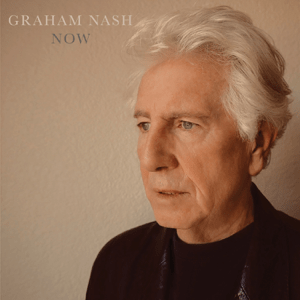
Graham Nash 10: Now

While he hadn’t suddenly scaled a prolific streak comparable to that of erstwhile partner David Crosby, it was something of a surprise to get a new Graham Nash within ten years of the last one. Now finds him in his eighties, supported by his stalwart touring band, with a state-of-the-Graham address that’s immediately engaging.

His subject matter has barely mutated since 1970—you know, love and politics, not that we’d expect anything different—so there are no bonus points for guessing what “Stars And Stripes”, “Love Of Mine”, or “Follow Your Heart” address. Still, “Right Now” and “Golden Idols” have a spark and tension that have been missing since the Crosby-Nash albums with The Section backing them up, while “A Better Life” and “It Feels Like Home” are more country-tinged sentiments. “Stand Up” loads on some tasty guitars for a fairly pedestrian message, and then there’s “Buddy’s Back”, a reverie in the style of Buddy Holly sung with Hollies mate Allan Clarke. A string quartet provides “Theme From Pastoral”, one of Alan Price’s pieces for the cult film O Lucky Man!, and they continue on the sentimental “In A Dream”, but its use on “I Watched It All Come Down” seems odd, given that it addresses his feelings about the collapse of CSN. It’s followed by the closing piano ballad of “When It Comes To You”.

Now isn’t earth-shaking, but he still sounds good. With the exception of Allan Clarke on that one song, all the vocals are his, and he harmonizes well with himself.

Graham Nash Now (2023)—3

Tuesday, February 25, 2025

Stephen Stills 16: Live At Berkeley

Following the release of his second solo album, Stephen Stills embarked on an ambitious tour that he hoped would not only encompass his musical palate, but further establish him as a singular force with which to be reckoned. Along with four guys who would continue with him in Manassas, another guitarist plus a sax player and the five Memphis Horns filled out the sound even more. Reports say he booked 52 dates, and even he says he handled the pressure of his setlists by getting good and drunk before every show.

Luckily for us, the performances picked from the final two shows on Live At Berkeley 1971 aren’t embarrassing in the least. It also helps that these were theater shows, more intimate and forgiving than the hockey arenas played earlier on the tour. He begins acoustically, where he’s accompanied by Steve Fromholz on guitar and vocals. Proof that CSN wasn’t dead in the water, David Crosby is brought out for “You Don’t Have To Cry” (Fromholz filling in well) and his own “The Lee Shore”. He moves to the piano for a very nice “Sugar Babe” and the now-familiar “49 Bye-Byes/America’s Children” medley, and straps on a banjo for “Know You Got To Run”. The full band comes on for “Bluebird Revisited”, which burns pretty slow compared to Wayne Jackson’s “Lean On Me”. “Cherokee” runs almost ten minutes, plenty of time for the band to cook.

The sound throughout is clear and warm. Considering that it captures a moment in his career before things changed and would change again, this set goes a long way to remind us how good Stills could be when he got out of his own way and just played. One does wonder what they left out.

Stephen Stills Live At Berkeley 1971 (2023)—

Friday, November 8, 2024

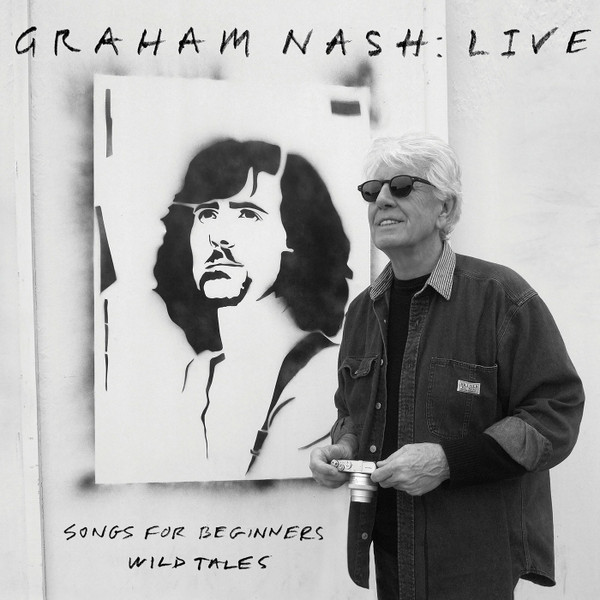
Graham Nash 9: Live

Graham Nash clearly has no qualms about revisiting his catalog to any extent, and in 2019 he undertook a tour wherein his excellent band performed his first two solo albums track by track, in order. Four years later, Live: Songs For Beginners/Wild Tales was culled from four shows, and delivers exactly what the title promises. Outside of a brief greeting before each section, we just hear them play the songs.

The band clearly did their homework, as many of the songs are in much lower keys than they were on the original records, but he’s still in good voice. “Sleep Song” hasn’t aged well, but “There’s Only One” gets a good response for the sax solos and choir. The second half drags a bit, mostly because Wild Tales wasn’t as good as Songs For Beginners, and even the band can’t save it, though Shane Fontayne does a nice job of copping David Lindley’s original licks. The Nixon soundbites in “Grave Concern” have been replaced by Trump rants, and that five-letter word makes it into some of the other songs where the opportunity rises.

Overall the performances are warm and cozy, but as an album they only underscore that the real excitement was likely best experienced in person. Yet we’re always happy to be reminded how good some of his stuff was, and still is.

Graham Nash Live: Songs For Beginners/Wild Tales (2022)—3

Tuesday, November 5, 2024

David Crosby 10: For Free

Only the Covid pandemic could slow David Crosby’s determination to keep performing. Not able to tour, he recorded another album as fast as he could—his fifth since 2014. But rather than the experimentalism of his work with the so-called Lighthouse Band, For Free is more relaxed adult contemporary, typical of his collaboration with James Raymond. That means there’s also lots of piano, which is fine.

“River Rise” sets the tone immediately, being a co-write with Michael McDonald, who harmonizes on the choruses. We keep thinking we hear Stephen Stills singing on “I Think I”, but it turns out to be one Steve Postell, who’s been busy lately in the Immediate Family Band with such Croz veterans as Danny Kortchmar, Lee Sklar, and Russ Kunkel. “The Other Side Of Midnight” is one of three songs contributed solely by Raymond, with layered voices interwoven between the programmed guitar sounds. “Rodriguez For A Night” is a collaboration with Donald Fagen that basically sounds like Crosby singing on a Steely Dan record. That makes the mystery of “Secret Dancer” all the more alluring.

“Ships In The Night” is kinda generic, and we can’t get past how he pronounces “irrevocably”, but the title track is his second cover of this particular Joni Mitchell perennial, sung here as a lovely, intricate duet with Sarah Jarosz. From there it’s a leap to the present with “Boxes”, in which he seems to acknowledge his mortality as well as the choices that drove people away from him. That sets the tone continued on “Shot At Me”, a conversation with a young combat veteran. The finest moments come in “I Won’t Stay For Long”, a moving benediction set up by a count-in by Brian Wilson, who doesn’t seem to have anything else to do with the album.

Coming after such a strong run, especially for someone of his age and legacy, For Free isn’t as immediately surprising, or frankly as satisfying, as the four albums he’d made in the past decade. Unless there’s a pile of recordings waiting to be unleashed, this will have to stand as his final statement, as it was the last album he would complete in his amazingly long life.

David Crosby For Free (2021)—3

Friday, May 10, 2024

David Crosby 9: Here If You Listen

Enjoying the continued collaboration with Michael League, David Crosby kept up his creative run to work with him again—plus two women who’d sung on one song on the Lighthouse album—for his fourth album in five years’ time. (Yes, he actually doubled his output.) He even went so far as to credit Becca Stevens, Michelle Willis, and League in that order on the cover of Here If You Listen, albeit under his much larger name, but still. Age did not affect the man’s gift.

The album truly is a collaboration, with everyone either contributing to the songwriting or providing it on their own. Voices blend everywhere, and while his is the most noticeable, the performers are serving the music, not Crosby. Just as he was able to prove in CPR, he does thrive when he’s in a band. With one exception, the quartet provides all the instrumentation, and none of those include percussion of any kind.

“Glory” showcases each vocalist in a lush but not overprocessed mix; indeed, the production is pristine throughout this album. “Vagrants Of Venice” sports a circular riff from Becca and collaborative, poetic lyrics. “1974” is one of two vintage demos newly amended here; wordless vocals from presumably that year scat over a trademark strum before the others join in to fill out the track. Snarky Puppy pianist Bill Laurance supplies the basis for “Your Own Ride”, wherein Crosby directly addresses his mortality inside a song for his youngest son. The lyrically minimalistic “Buddha On A Hill” is most notable for supplying the album title, which is frankly repeated way too many times, but the combination guitar and vocal solo is striking.

Becca set a Jane Tyson Clement poem to her own music for “I Am No Artist”, an eyebrow-raising claim considering Crosby’s history, but it’s not his song. “1967” is the other augmented vintage demo, his familiar “dun-dun” placeholders overlaid with three repeated lines of antiwar prose, fading on hammer-ons a la Michael Hedges. (And yes, we’d love to hear more demos like this.) Crosby alone supplied the lyrics for “Balanced On A Pin”, another subtle meditation on mortality and potential, while League takes the lead on the feminist “Other Half Rule”. Given all that’s come so far, Willis’s “Janet” is a jarring funk detour, and the cover of “Woodstock” is a vocal distillation of Joni’s original and the CSNY cover, but more along the lines of the former.

That sort of thing works better as a concert highlight than an album track. Sure enough, the combo played a short tour in support of the album, one night of which was commemorated on a CD and DVD four years later, and which ends with that very cover. The set is pulled mostly from the new one and Lighthouse, with an early detour to Stevens’ “Regina” from one of her solo albums, and a smattering of jazzier Croz classics. “What Are Their Names” is a minute-long a capella snippet, but “Déjà Vu” is stretched to ten minutes. Throughout the program he’s in excellent voice and having a great time, and it’s clear their natural-sounding blend was not a studio concoction.

David Crosby Here If You Listen (2018)—3
David Crosby & The Lighthouse Band
Live At The Capitol Theater (2022)—3

Tuesday, May 7, 2024

Graham Nash 8: Over The Years

For no reason we can fathom, except maybe that the oldest song was turning fifty, Graham Nash decided to put together an anthology of his work. Over The Years… consisted of two discs—one of the album tracks we all know, and the other with demo versions of eight of the songs, plus seven others.

The first disc is enjoyable by itself. Most of it features Crosby, Stills, and sometimes Young, and from the fertile four-year period that straddled the turn of the ‘70s. Starting with “Marrakesh Express”, there are no real surprises or eye-raisers. Two of the five Songs For Beginners tracks are “previously unreleased mixes” for those who notice such things. Just one song comes from the ‘80s, and the disc ends with “Myself At Last” from his most recent album.

The demos disc is mostly previously unreleased, and provides an alternative view of most of the same period. These aren’t the lo-fi cassette variety we often get with demos, but studio-quality recordings. Beginning again with “Marrakesh Express”, it continues chronologically but still doesn’t get past 1972 until the last three songs. Each track is denoted with not only the year, but the city where it was recorded. Generally the demos aren’t too different from the final product, but there are some rarities. There’s “Horses Through A Rainstorm”, recorded by both the Hollies and CSNY but not released until decades later by either of them. The intricacies of “Pre-Road Downs” turn out to be built-in, which is unexpected, just as the piano on “Wind On The Water” is better than we thought him capable. (“Just A Song Before I Go” is another surprise on piano.) “Man In The Mirror” sports an almost jaunty intro that went unused, and “I Miss You” and “You’ll Never Be The Same”—both from Wild Tales—actually work better here. “Wasted On The Way” features Stephen Stills and Timothy B. Schmit, just like the album version would.

But for the repetition, Over The Years… nicely recaps what people like about Graham Nash. It also says something about his output that he seems to have very little that hasn’t been heard, nor does he put much stock into much over the last three decades.

Graham Nash Over The Years… (2018)—3

Tuesday, January 16, 2024

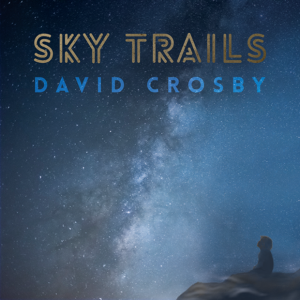
David Crosby 8: Sky Trails

It’s amazing that it took this long for Crosby to realize that he didn’t need Stills, Nash, or Young to goad him into creating. Sky Trails was his third album in as many years, and just as different to its predecessors. Anyone worried that James Raymond had fallen out of favor can be relieved, as he’s all over this one, adding a distinctly jazzy influence throughout.

“She’s Got To Be Somewhere” crackles with Steely Dan funk, from the electric piano and horns to the Dean Parks guitar solos. The lovely title track is an acoustic gem written and sung with Becca Stevens, whom we first heard on Lighthouse. There’s a forced metaphor in “Sell Me A Diamond”, but the track itself is good, with Greg Leisz adding steel guitar before Jeff Pevar gets to shred all over it. Continuing the Steely Dan connection, “Before Tomorrow Falls On Love” was written with THE Michael McDonald, but is musically based on Raymond’s piano and Mai Agan’s striking fretless bass. She’s the cowriter of “Here It’s Almost Sunset”, which features further soprano sax work from Steve Tavaglione.

“Capitol” is the requisite political diatribe, and unfortunately derails the momentum thus far; the fake drums don’t help. A reverent cover of Joni Mitchell’s “Amelia”, however, sounds of a perfect piece with the rest of the program. “Somebody Home” had already appeared in a live version on a Snarky Puppy album, and here it’s nicely restrained, considering how many people are on the track. The complicated “Curved Air” melds flamenco with jazz over dizzying, changing meters, and “Home Free” is a slow, grateful appreciation of simple domesticity.

Each of the albums he made this decade have been good, and Sky Trails is by far the strongest. One would think the well would be dry after working at such a speed, but it’s nice to have one’s assumptions refuted.

David Crosby Sky Trails (2017)—

Friday, January 12, 2024

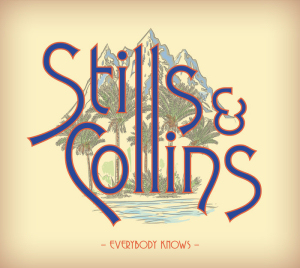
Stephen Stills 15: Everybody Knows

It was a great idea on paper: Stephen Stills and Judy Collins, who’d collaborated briefly musically and otherwise in the late ‘60s, finally doing an album together. Being the nature of the biz in this century, Everybody Knows was crowdfunded and promoted with a tour.

The album mixes covers and songs from their own catalog, some of which actually refer to each other. This would have been wonderful if these septuagenarians had voices that blended. Judy still has it, and sounds as sweet as ever, but Stephen does not mesh with her at all. The result is akin to overhearing a conversation at a high school reunion, appealing much more to the participants than observers.

The Traveling Wilburys’ “Handle With Care” is a surprisingly fun way to start. “So Begins The Task” was on the first Manassas album, but allegedly dates from just after their breakup. “River Of Gold” is a lovely lament for the environment written and sung by Judy, which soars when Stephen takes a solo, but sinks when he harmonizes. He finds the notes, but his voice is just too rough. The vintage “Judy” follows, first heard on Just Roll Tape, and odd to hear her harmonizing. The title track is the oft-traveled Leonard Cohen song; he died the year before.

Judy first released “Houses” in 1975, and we imagine Stephen was tickled to have a song written about him included. “Reason To Believe” and “Girl From The North Country” are of course well-worn folk standards, and Judy likely gave “Who Knows Where The Time Goes” its widest exposure back in the day. Finally, “Questions” doesn’t stray too far from the Buffalo Springfield template.

Impeccably recorded with a mix that recalls the soft rock of Daylight Again, Everybody Knows is a nice idea that unfortunately is fifty years too late. Had they managed to make an album like this back then, there’s a good chance it would have been widely beloved. But this isn’t it.

Stills & Collins Everybody Knows (2017)—2

Friday, August 18, 2023

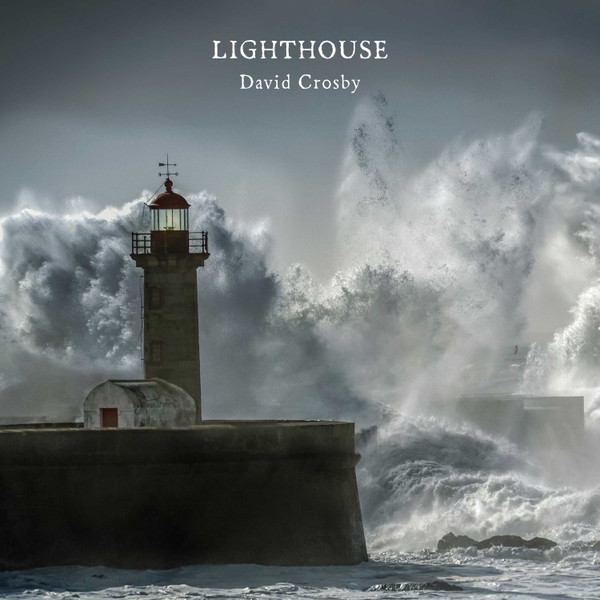
David Crosby 7: Lighthouse

All of a sudden David Crosby was busy musically, which was good for him, since he’d pissed off Nash and Young seemingly for good, and Stills was happy playing with anyone else. Enter one Michael League, who was born right before Crosby went to prison for multiple drug and weapons convictions in the mid-‘80s. Apparently the kid, who was best known for a jazz fusion called Snarky Puppy, wanted to record something fast, so they did. Lighthouse is mostly a collaboration, with Crosby singing everything and playing some guitar, while League adds very unobtrusive guitars and basses. (Surprisingly absent for the first time in decades is James Raymond, who’d been so involved with every other Crosby project of the previous twenty years.)

Overall it’s a very gentle album, beginning with “Things We Do For Love”, which is otherwise about as slight as its title might suggest, but good luck resisting it. “The Us Below” has a comforting, familiar rolling guitar part and rich harmonies pondering our place in the universe. “Drive Out To The Desert” is full of good advice, delivered slowly and deliberately. Musically it’s a prelude to the more percussive “Look In Their Eyes”, which appears to be a plea for the homeless, immigrants, refugees, you name it. He expands the theme on “Somebody Other Than You”, wherein he angrily assails the people who marginalized others in the first place.

League wrote the music for “The City”, which is probably why it doesn’t sound like a Crosby song, but somebody should have noticed the lift from Steely Dan’s “Do It Again”. They’re not the first to write about New York as a woman, and won’t be the last. “Paint You A Picture” is another collaboration with Marc Cohn, who wrote the words but does not play the piano. Spooky as well as haunting, the lyrics are as autumnal as the music. “What Makes It So” combines the rolling approach already heard on the album with more questioning of so-called authority. “By The Light Of Common Day” stands out for one of the female voices who sings with him, one Becca Stevens, who also wrote the music to Crosby’s words.

Lighthouse is another nice album, and at its best when it stays low-key. While we don’t hear the masterpiece other reviewers have, and he certainly sounds older, it was good to know he still had the fire to create.

David Crosby Lighthouse (2016)—3

Tuesday, August 15, 2023

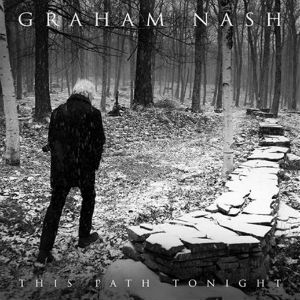
Graham Nash 7: This Path Tonight

One might think Graham Nash was busy curating his past, between CSN-related box sets, printing old photos, and writing a memoir in which he extolled the genius of his partners and his happy existence as a family man. But within a few years, he’d left his wife, took up with a younger woman, and vowed to never work with David Crosby again. He also made his first solo album in fourteen years.

This Path Tonight is notable among his work in that it was written completely in collaboration with another, lesser-known musician. Oddly, that musician was Shane Fontayne, who’d been a large presence on David Crosby’s most recent first-album-in-years. Nonetheless, it was a smart move, as Graham has a tendency to play in a very small sandbox.

The title track and “Myself At Last” cover the same basic metaphorical ground as depicted on the cover (hint: he’s on a lonely road and traveling, traveling, traveling), alternately edgy and contemplative. “Cracks In The City” and “Beneath The Waves” both consider the ongoing struggles humanity in such a cruel world, and to some extent, so does “Fire Down Below”, but it stands out thanks to a vibe more along the lines of his mid-‘70s work. “Another Broken Heart” would seem to be designed to comfort the woman he left, but comes off more berating than sympathetic.

He finally seems to address his future in “Target” with its blatantly phallic imagery of what he’s going to do with his bow and arrow. Then, he looks back at when he “used to be in a band” and music was all anybody needed in “Golden Days”. There’s a sad fake string arrangement here, and that mood continues on “Back Home”, a blunt examination of the end of life, on which “Encore” expands more kindly, touching on passing lovers, friends, and concerts. Only on the digital and download versions of the album does he get political, with the racial charged “Mississippi Burning” and “Watch Out For The Wind”, while “The Last Fall” is another melancholy end-of-relationship tune.

Throughout This Path Tonight, the band is well-placed and the production provides good atmosphere. While it isn’t a masterpiece, it is strikingly fresh in places, making it his most worthwhile solo album since his first.

Graham Nash This Path Tonight (2016)—3

Tuesday, August 19, 2014

CSN 13: CSNY 1974

In the summer of 1974, Crosby, Stills, Nash & Young embarked on a massive tour that brought their particular brand of singer-songwriterness to stadiums packed to the gills with ticket-buyers. Since their previous tour (and album together), roughly 12 albums’ worth of material had been released between the four of them, in addition to all the stuff Neil still had on deck. Supported by the crack rhythm section of Tim Drummond on bass and Russ Kunkel on drums, with Stills buddy Joe Lala on congas and cowbell, each show lasted for three hours on average, all four anxious to get as many of their own songs in. (Cocaine’s a hell of a drug.)

In the decades since then, the tour has been remembered for its excess, both pharmaceutical and egotistical. Even the participants have expressed varying memories about the experience. Graham Nash, in his role as self-appointed archivist, took up the task of re-assessing the tour from the vantage point of the shows that were professionally recorded, and it only took him about five years to finish it.

In its triple-CD-plus-DVD package, CSNY 1974 offers 40 songs from 10 shows, culled from the 77 different songs played throughout the tour. The program is split into three sets, roughly corresponding to a typical show. (We wouldn’t’ve put it past Rhino to issue a “complete” box of all ten shows start to finish, à la what they’ve been doing with the Grateful Dead lately, but they haven’t.) The “First Set” is full band electric; the “Second Set” is mostly “wooden music”, acoustic and solo; the “Third Set” brings the rhythm section back in full.

Nash has admitted to tweaking the tapes here and there, fixing harmonies and notes, and flying in other parts of the same track to smooth over a rough patch, so we’ll leave it up to other scholars to identify what songs came from where. For all his work, Stills sounds pretty ragged, to the point where his singing is unintelligible. His attempts to sound “soulful” often come off garbled; even when he’s playing guitar, a certain amount of showboating takes over when finesse is preferred. In contrast, Crosby is spot on at all times, and Nash is just happy to be there. For all his contrariness, Neil’s quite the team player, happily contributing harmonies, lead guitar and/or piano on the others’ tunes.

The big excitement (for Neil fans, anyway) is the first official release of several songs yet to be otherwise collected. “Traces” is a highlight of the first disc, in all its brevity, as is “On The Beach”, the title track of his solo album just in stores. The second disc has the most surprises, with an early duet of “Long My You Run” with Stills preceding the one-off “Goodbye Dick”, itself a slight variation of “Mellow My Mind” on the banjo, which follows complete with CSN harmonies and an extra line. “Love Art Blues” and “Hawaiian Sunrise” are nice to have in some form, personal as they are. The third disc has a terrific “Don’t Be Denied” (making its digital debut in any legal form) with an extra verse from its Time Fades Away incarnation, an intense “Revolution Blues” and, best of all, the mesmerizing “Pushed It Over The End”, showcasing the band and singers deftly navigating all those shifts from 5/8 to 4/4 over eight minutes.

Along with a thick booklet crammed with photos, quotes and instrumental credits, CSNY 1974 does provide, literally, hours of entertainment. Whatever surgery was performed to make it sound good took; it probably helps that the recordings were made towards the end of the tour, when most of the kinks had been worked out, and for the most part, the band cooks. (Of course, it only fanned the fire for Neil’s Archives Vol. II, which straddled and overlapped this era when it finally came out.)

Crosby, Stills, Nash & Young CSNY 1974 (2014)—

Monday, August 18, 2014

David Crosby 6: Croz

Right about when nobody was expecting it, David Crosby released only his fourth solo album in a four-decade span. Granted, he’d done two albums with the CPR project, but his last collection of new songs was half of another duo album with Graham Nash a decade before. Luckily for performer and listener alike, Croz is laid-back and natural, like visiting with an old friend.

James Raymond is still his main collaborator, and he wrote several songs, including the opening “What’s Broken”. This features a very subtle contribution from Mark Knopfler; you have to listen very closely before it’s clear that it’s really him. Social commentary comes early with “Time I Have”, mostly in the same tempo, but with much more obtrusive guitar from Shane Fontayne. “Holding On To Nothing” is more contemplative, and this time the guest soloist is Wynton Marsalis, flown in from Lincoln Center. The tempo picks up and the meter gets intricate for Raymond’s “The Clearing”, with nice voicings built in. Nautical metaphors dominate “Radio”, which has a wonderful and dare we say inspiring chorus. “Slice Of Time” is poetic and pleasant.

“Set That Baggage Down” has some almost funky guitars courtesy of co-writer Fontayne, and Crosby plays one for the only time on the album on the haunting portrait of “If She Called”. The stripped-down approach makes this one a highlight. The drum machine sadly undercuts the piano on “Dangerous Night”, especially through earbuds, but the harmony on the chorus helps you forget as the song progresses. The instrumentation on “Morning Falling” seems transported from a ‘90s Sting album, but it’s a nice sound for him. Graham Nash probably wishes he could have sung on “Find A Heart”; the soprano sax and jazzy meter keep the Sting connotation going, and in a good way.

Croz is a nice surprise—not stellar, but welcome. Despite how he wrecked his health for so many years, he’s still in terrific voice. If anything we wish we heard more of his guitar rather than let the hired guns play all the parts.

David Crosby Croz (2014)—3

Monday, July 21, 2014

Stephen Stills 14: The Rides

For all his dabbling in styles over the years, Stephen Stills has always considered himself a blues man. His excursions into the genre have varied from astounding to embarrassing, and his fretwork hasn’t always been welcome in, say, a Crosby, Stills & Nash forum.

So it’s surprising that it only took him half a century to find an outfit that just lets him wail. The Rides pairs him with young phenom Kenny Wayne Shepherd, with Barry Goldberg (who was on the Bloomfield side of the Super Session album) on keyboards and a rhythm section including Chris Layton, once of Stevie Ray Vaughan’s band, on drums. On Can’t Get Enough—co-produced by Jerry Harrison of Talking Heads, interestingly enough—Stills and Shepherd alternate vocals on mostly originals, but there are some surprising takes. Shepherd happily sneers his way through the Stooges’ “Search And Destroy”, but he’s not as convincing on Muddy Waters’ “Honey Bee”. Stills hasn’t been in the strongest voice for years, but he’s most animated on the loud take on his own “Word Game”. The title track is not the Bad Company song, and we’ve got mixed feelings about that, but “Rockin’ In The Free World” adds nothing to the original. Basically, the album is best when they just play (and when there are no backing vocalists).

Three years later, the same crew delivered Pierced Arrow, which picked up where they left off, only louder. “Virtual World” halves the pace, but it’s a duet in harmony, “By My Side” is a slow burner, also with good harmonies, and “Mr. Policeman” has a terrific swagger. All the tracks were original collaborations this time, with the exception of Willie Dixon “My Babe” and “I’ve Got To Use My Imagination”, which first appeared on Barry Goldberg’s 1973 eponymous album. The backing vocalists were different this time, and mixed lower, and Kim Wilson of the Fabulous Thunderbirds blows harp, most prominently on “Game On” and the lyrically inane “I Need Your Lovin’”. Again, the focus is on the musical interplay and of the two—as there haven’t been any further Rides albums—Pierced Arrow gets the edge.

The Rides Can’t Get Enough (2013)—3
The Rides
Pierced Arrow (2016)—3

Sunday, July 20, 2014

Stephen Stills 13: Carry On

When it was Stephen Stills’ turn to get a Graham Nash-curated box set, he had to have four CDs, not three. Considering the volume of music he’d put out over nearly half a century, it almost makes sense, but any collection would have to keep in mind that quantity in Stills’ case doesn’t necessarily indicate quality. Luckily, Carry On is designed for those who like deep dives, via alternate versions and unreleased tunes.

The first sound we hear is a 17-year-old kid sweetly singing and picking on a Voice of America radio feed from Costa Rica; two years later his voice has acquired some of the smoke we’re accustomed to, with The Au Go Go Singers. Ten Buffalo Springfield tracks provide a terrific glimpse into his contributions there; sadly, the rare extended “Bluebird” jam is still MIA. We’d already heard the demo of “Four Days Gone” on the Buffalo box, but two one-man band demos nicely lead into the first CSN album and Déjà Vu. A solo “So Begins The Task” and a one-man-band-plus-drummer version of Crosby’s “The Lee Shore” are nice surprises.

Disc two offers a wonderful sequence. It covers roughly two years, in neither recording nor release order, but encompasses his first three albums, all made without those other guys. Hidden gems include an early version of “The Treasure”, a live duet with Steve Fromholz on “Do Unto Others”, “Find The Cost Of Freedom” from a surprise appearance with Neil Young at a Crosby-Nash gig, and “Little Miss Bright Eyes”, which evolved from a Déjà Vu outtake called “Ivory Tower”. And while he’s obviously proud that he got to play with Hendrix, did their unreleased “No Name Jam” really need overdubs in this century?

That disc stands alone just fine, but disc three is where it starts to unravel. We begin with some of the not-so-highs of the Stills album before bouncing through the rest of the ‘70s and into the ‘80s. Illegal Stills is ignored, but Thoroughfare Gap isn’t. A couple live acoustic tunes break up the slickness; other rarities include “Spanish Suite” with Herbie Hancock, a CSNY mix of “Black Coral”, an edited but still interminable “Dear Mr. Fantasy”, and the quieter mix of “I Give You Give Blind”.

Disc four is just as spotty, notable for offering selections from the anemic Allies live album for the first time on CD. A solo sketch called “Welfare Blues”, recorded at Jimmy Page’s studio, appears for some reason, as does an unnecessary remake of “Church (Part Of Someone)” from his first album, overloaded with synths and emoting chorists. Nice selections from Stills Alone sit uncomfortably next to clunkers from Man Alive! In the middle of all this is a live arrangement of “Girl From The North Country”, from one of the last times CSN sang together well in public, and a version of Otis Redding’s “Ole Man Trouble” from one of the CSNY2K tours with Booker T. & the MG’s.

The first half of Carry On is stellar, so while it’s a shame the rest can’t keep up, we didn’t expect it to. This one’s for the fans. And Graham.

Stephen Stills Carry On (2013)—

Saturday, July 19, 2014

Stephen Stills 12: Pieces

The outfit Stephen Stills called Manassas had a lot of potential, but had imploded before really reaching it. Stills and main partner Chris Hillman were increasingly distracted by their legacies and other collaborators to sustain it past the year they were together. (These ears felt Hillman was unfairly kept to second fiddle status anyway.)

So in a year when Crosby, Stills & Nash were celebrating their fortieth anniversary (and Graham Nash and Neil Young put out their own box sets), it was nice for Stills to curate a third, lost Manassas album. Pieces presents a deeper glimpse at the band’s potential, touching on all the genres they attempted to cover while they were together. It also gives more though not equal time to Hillman.

Some of these are alternate versions, but not alternate takes per se. “Witching Hour” and “Like A Fox” are absolute gems astoundingly left off the first album; “Sugar Babe” is an excellent improvement on the track from Stills’ second album, whereas “Word Game” is given an unnecessary shuffle. “Fit To Be Tied” would turn into “Shuffle Just As Bad” in a few years, while “My Love Is A Gentle Thing” had already been heard on the CSN box and was started in 1970 and finished in 1975, which doesn’t explain what it’s doing here. “High And Dry” goes from a “bluesman with my guitar” growl to a faster arrangement with what we assume is a canned audience cheering. “I Am My Brother” is Stills alone with his acoustic.

“Lies” is a rockin’ Hillman alternate, while “Love And Satisfy” shows another side of his talent. He likely leads a bluegrass detour through “Panhandle Rag”, “Uncle Pen”, and “Dim Lights, Thick Smoke (And Loud, Loud Music)”, including an alternate of “Do You Remember The Americans”, and including input from sometime Burrito Byron Berline. For contrast, the brief “Tan Sola Y Triste” instrumental fits the Latin side of the band.

Had some of these tracks made it to Down The Road, the band just might have endured longer. Or maybe not. At any rate, it’s a treat to have the material on Pieces available. Its length and quality illuminate its predecessors, and that was the point.

Manassas Pieces (2009)—3

Friday, July 18, 2014

CSN 12: Demos

While Neil spent much of the decade promising and delaying his box set, the others in Crosby, Stills & Nash quickly realized that there was gold in them there hills. Nash curated box sets for himself and Crosby, but Stills tinkered with his a lot longer. While we waited, he released Just Roll Tape, purporting to be a long-long demo session recorded in April of 1968. With snippets of songs never revisited, along with the usual embryonic versions of a few classics, the set proves that he wouldn’t truly find his voice until he had other voices to support him. (It also shows him to be a master of time travel, since it’s been established that Buffalo Springfield had a gig in Arizona while this session was supposedly taking place in New York.)

Two years later, the very same day Neil’s Archives box finally emerged, so did a CSN disc called, simply, Demos. Culled from the first three or so years they worked together, it’s a low-key, enjoyable collection of songs you already know, but generally in a basic format. In other words, solo and acoustic, and no harmonies.

Considering how headstrong these guys were, the demo versions aren’t that different, structurally, from the finished productions. In most cases they’re blueprints to be built on; “Music Is Love”, for example, appears to be the simpler basic track before Graham and Neil loaded it up to open Crosby’s first solo album, while “Long Time Gone” is an early band version that hasn’t quite arrived at its proper feel.

And that’s another perk to the set—the songs aren’t limited to just the group albums, but include plenty of ideas that wouldn’t reach fruition until their various solo albums. All of Nash’s songs (save “Marrakesh Express”) would end up on his first album, while Stills’ ideas (as proved on Just Roll Tape) could sit around for years before making one of his albums. “You Don’t Have To Cry” consists of just the one verse that would be repeated for the album version, though Crosby’s unplugged sketches of “Déjà Vu” and “Almost Cut My Hair” are even longer than the released takes.

Demos is for fans only, and might have spurred a sequel had the sales been there. But it does succeed for the reasons mentioned, as well as for sending people back to the first records they made together and apart. While not the cottage industry that runs message boards concerning hypothetical post-1970 Beatle albums culled from solo work, there must be more than a few fans who have compiled their own collections of the best of CSN apart.

Stephen Stills Just Roll Tape: April 26, 1968 (2007)—3
Crosby, Stills & Nash
Demos (2009)—3

Thursday, July 17, 2014

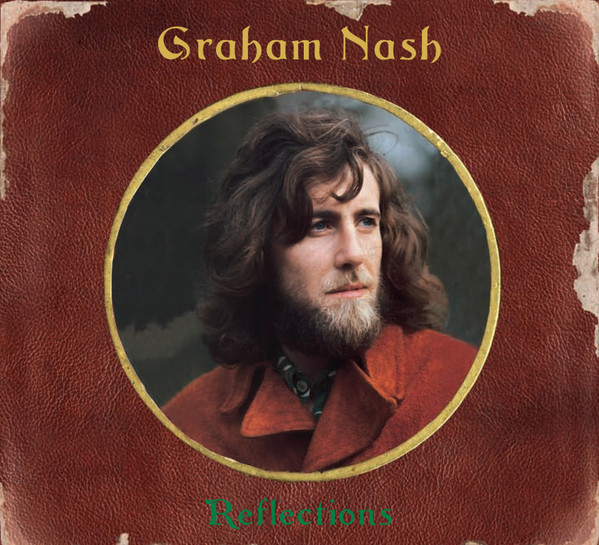
Graham Nash 6: Reflections

Three years after anthologizing David Crosby, Graham Nash got around to doing the same thing for himself. Like its brother, Reflections covers the man’s career in and out of groups over the decades, taken chronologically. Half of the tracks are denoted as previously unreleased, but about half of those are alternate mixes, which are negligible to these ears.

The set starts wisely with three Hollies tracks, all singles from 1967. “On A Carousel” and “Carrie-Anne” still have pop charm, but “King Midas In Reverse” sounds overblown compared to the acoustic version he’d trot out later. From there we go through all of his songwriting contributions to the first two CSN albums, most of his first two solo albums, and the bookend tracks from the first Crosby/Nash album. The one rarity is a studio demo of “Right Between The Eyes”, heretofore known only from 4 Way Street.

The second disc races through the rest of the ‘70s and all of the sparse ‘80s, beginning with selections from two more Crosby/Nash albums, with a “previously unreleased mix” of the CSNY version of “Taken At All” in the midst. The later solo albums are more sparsely represented, and the listener can be comforted knowing that any gems were excluded, because they weren’t. There are some rarities, like “Love Is The Reason” from the Fast Times At Ridgemont High soundtrack and “Raise Your Voice”, one of the studio tracks from CSN’s Allies live cash-in, but there are also justifiable rejects from that period, culminating in “Soldiers Of Peace” from American Dream.
The third disc is even spottier, considering what the ‘90s and ‘00s wrought. Two stripped-down live performances from 1993 (“Unequal Love” and “Liar’s Nightmare”) are proof that big productions were best avoided, and “Two Hearts” is an intriguing collaboration with Carole King, but the other unreleased songs are a mixed bag, to say the least, from syrupy to hokum.

We can’t completely condemn Reflections since some of the music—namely most of disc one, and maybe half of the rest—is certainly good. However, there’s just too much excess to make it worthwhile. As a harmonizer, he’s without parallel, but even he knows his legacy is in the past.

Graham Nash Reflections (2009)—3

Friday, May 30, 2014

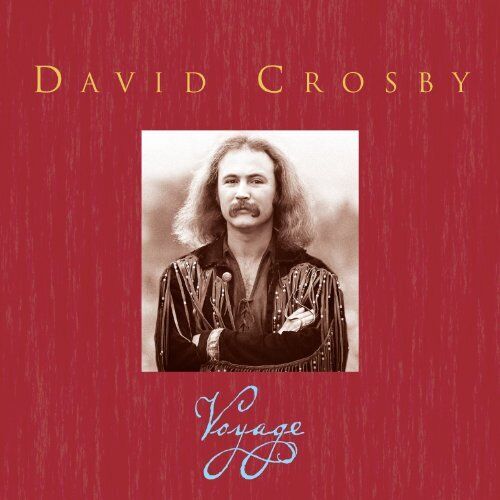
David Crosby 5: Voyage

The idea of a box set devoted to David Crosby is intriguing, simply because his actual musical output has been so sparse over his long career. But in 2006 Graham Nash was still Crosby’s biggest fan, so he spearheaded the project.

Voyage manages to compile the highlights of forty years on two discs, beginning with three songs from the Byrds. While he’s credited with co-writing “Eight Miles High”, most people will notice Gene Clark’s words and Roger McGuinn’s guitar, so it’s an odd place to start for a Crosby set. The rest of the disc sails through the first two CSN albums, his solo album, and the three duo albums with Nash. The second disc has a tougher time of it, given the little of value from the ‘80s and ‘90s past “Shadow Captain” and “Delta”. Basically, one track from each solo and CSN release is justified by the copious commentary in the liner notes. Both he and Nash are more excited about the CPR albums, with five tracks included.

The third disc is titled “Buried Treasure”, and packed to capacity with demos and alternate versions. Early versions of songs from the CSN albums are interesting, including the basic demo of “Déjà Vu” with Graham that was embellished for the final album track. An alternate backing of “Cowboy Movie” with more Neil Young but the standard vocal isn’t as exciting as the “Kids And Dogs” outtake from his first solo album, while an alternate mix of “Have You Seen The Stars Tonite” from a Paul Kantner project of the same period provides some wider perspective. In a show of restraint, only two unreleased live performances with Nash appear, which leaves room for such rarities as “King Of The Mountain”, “Samurai”, and “Climber”. A lengthy live “Dream For Him” from a recent CSNY tour provides some low-key Stills-Young guitar dueling.

Anyone looking for the best of David Crosby should own all the original albums anyway, but Voyage gets by on the quality of the tracks. The rarities disc probably wouldn’t have sold as many copies on its own, so the set is recommended, and certainly enjoyable, if not absolutely essential.

David Crosby Voyage (2006)—

Friday, May 2, 2014

Stephen Stills 11: Man Alive

On his first solo album since the fleeting Stills Alone, Stephen Stills still didn’t have a major label deal. Yet he corralled some of favorite sidemen, such as Joe Vitale, Mike Finnegan, and George “Chocolate” Perry, and managed to fill up a CD called Man Alive!

While the otherwise detailed credits leave this information out, some of the material had been around for a while. At the very least, his vocals on the opening “Ain’t It Always” are exponentially clearer than his mushmouthed delivery on everything else. (We know we’ve used that adjective a lot, but until we find another, it will have to do.) This sinks another otherwise promising track like “Hearts Gate”, wherein he’s accompanied by an acoustic guitar plugged into the recording console for a rather sterile-sounding result. On “Piece Of Me”, a blues harp helps balance the sound.

Even the songs with real drums sound canned, starting with the excruciatingly island-tinged “Feed The People”. While touting a “special appearance by Neil Young,” “Round The Bend” features Stills on everything else save Russ Kunkel’s basic percussive pattern. Neil shows up again on “Different Man”, a welcome duet, but there’s no need for another recording of “Drivin’ Thunder”. Meanwhile, a similar “special appearance by Graham Nash” on the co-written “Wounded World” isn’t about to set the world on fire.

There are still a few moments that give hope for what could have been. “Acadienne” is a pleasant Cajun strum sung partially in Creole that thankfully keeps the accordion low in the mix, though the croaking frogs over the fade are unnecessary. “Ole Man Trouble” (the Booker T. Jones tune, and not the Otis Redding song) is a step in the right direction for his voice. And while daring in both design and length, “Spanish Suite” manages to stay interesting over its eleven minutes, partially thanks to a contribution by Herbie Hancock, and despite Stills’ ongoing insistence in singing in Spanish.

Once upon a time Stephen Stills had a voice that matched his instrumental dexterity. But after decades of performing, aging, and likely drug and alcohol abuse, his grizzled approach doesn’t match contemporary arrangements. Other artists of his age and longevity have learned to adapt, yet Man Alive! proves he’s hasn’t.

Stephen Stills Man Alive! (2005)—2