Showing posts with label neil young. Show all posts

Tuesday, June 2, 2026

Neil Young 75: As Time Explodes

Clearly excited by his latest band of older and newer friends, Neil Young took the Chrome Hearts on a “world tour” in the months before he turned 80, playing dates in Europe and the U.S. A live album followed, appearing first as a Record Store Day vinyl release, then given more widespread distribution on CD and via streaming about six weeks later.

What sets As Time Explodes apart from his other timely tour souvenir live albums is of course the song selection. “Daddy Went Walkin’” and “Looking Forward” from the late ‘90s and “Harvest Moon” have gentle accompaniment, while the louder “Ohio” is appropriately ragged. The more obscure “Name Of Love” is driven by his pump organ, and given a better treatment than its original, just as “Be The Rain” is about half the length of other versions. Current events inspired many of the song choices on the tour, as well as the new rant “Big Crime”. “Long Walk Home” is resurrected after almost forty years, with revised lyrics and widely missed notes, though “Vampire Blues” has been a regular since he first took up with Promise Of The Real. From there it’s some familiar warhorses: “Cortez The Killer” runs almost fifteen minutes, colored nicely by Spooner Oldham’s organ, but is most notable for the appearance of its long-missing final verses. “After The Gold Rush” now has Mother Nature on the run on in the 21st century. “Like A Hurricane” goes for almost eleven minutes, with the band doing their best Crazy Horse while also giving Neil room to stretch the dynamics. Finally, he tells the story of writing “Silver Eagle”, which gets a little more twang from guitarist Micah Nelson.

Considering the thirty-odd other songs from the thirty-odd shows on the tour, why he picked these particular selections and performances is known only to him. As Time Explodes is a perfectly serviceable live album in a catalog full of many others that are better just because they are.

Neil Young & The Chrome Hearts As Time Explodes (2026)—3

Friday, June 20, 2025

Neil Young 74: Talkin To The Trees

The latest State of the Neil arrived a year after a Crazy Horse tour that had to be cut short due to “health issues”. Once he had a new batch of songs, he went back to Shangri-La Studio with three young guys from Promise Of The Real, plus Spooner Oldham, who’s older than Neil. He dubbed his new band the Chrome Hearts—must be a C.H. thing—and three documented days of recording resulted in Talkin To The Trees. The co-producer was the legendary Lou Adler, who also happened to be his brother-in-law, and that may be one reason for a smoother sound overall, on the loud as well as quieter songs.

“Family Life” starts out nice, though his cranky old man voice doesn’t bother to find the tempo of the backing. It’s also the first of two songs that overtly discusses an apparent estrangement from his daughter and grandchildren; the heavier “Dark Mirage” doesn’t name names but is even more pointed while repeating the same woes, and frankly, it’s uncomfortable to sit through. “First Fire Of Winter” provides some relief from the hurt, even though it sounds like “Helpless” without a chorus, and about as loping as “Roger And Out”. Micah Nelson does add some nice atmospherics in the absence of Ben Keith. Seemingly a tribute to his tour bus, the acoustic “Silver Eagle” uses the melody from “This Land Is Your Land”, and so does “Lets Roll Again”, an electric stomp exhorting the American auto industry and indirectly calling out Elon Musk.

“Big Change” is a lot of yelling over loud chords; he’s done this a lot lately, but somehow it works this time. The title track is another melodic rewrite of “Western Hero” (or “Train Of Love”)—it even references “Prime Of Life”—and we don’t know if the Bob mentioned is Dylan or his own brother. “Movin Ahead” (clearly we’re dealing with an aversion to apostrophes) is a ramshackle thrash that sounds like a first take, or left over from Peace Trail; our favorite part is when the mix drops everything out but the tack piano. But with “Bottle Of Love” we finally get a bonafide classic with all the hallmarks he used to provide: switching meters and unorthodox changes played on piano and vibes with a haunting vocal melody. It leads well into “Thankful”, a cousin but not a copy of “Harvest Moon”, ending a compact album with an autumnal feel.

While a consistent release regimen keeps his message fresh, he doesn’t craft albums anymore; gone are the days when he would be able to pick and choose from several sessions over sometimes a few years. But the good definitely outweighs the bad on Talkin To The Trees, and we do hope he’s got more left in the tank. We also hope he can patch things up with his family, but that’s really none of our business.

Neil Young and the Chrome Hearts Talkin To The Trees (2025)—3

Friday, April 25, 2025

Neil Young 73: Oceanside Countryside

Accepted Neil lore is that he once prepared an album of mostly solo acoustic songs to be called Oceanside Countryside, to which the label execs suggested he add more instrumentation. Rather than be offended, he did exactly that, resulting in what would be eventually released as Comes A Time.

Decades later, one of the discs in the massive Archives Vol. III box was titled Oceanside Countryside. Because there was no documentation saying otherwise, it could be inferred that the disc of that title presents the original sequence, which is not the case. Such is the confusing nature of Neil’s Archives, and the thankless task of organizing things that evolved regularly and often without reason. Enough people asked about it, and he eventually confirmed that the original Oceanside Countryside sequence would indeed be its own entity, kicking off the Analog Originals Series, but also designated as Special Release Series #7. (Adding further to the confusion is the cover photo, which had already been seen on the inner sleeve of American Stars ‘N Bars, which had been released before most of the songs on this album had been recorded.)

Keen listeners will notice that this rejected album includes three songs that would end up on side one of Hawks & Doves, one of which was also one of two songs rescued from the Chrome Dreams miscarriage. Then again, Comes A Time itself ended up using two older songs from a Crazy Horse session, so it’s all fluid.

Side one, or “Oceanside”, presents five songs with only the slightest overdubs by the man himself. That means those harmonies on “Sail Away” are his, and using Nicolette Larson for the final version (eventually released on Rust Never Sleeps) was a good idea. “Lost In Space” doesn’t seem quite as weird in this context, and look! There’s “Captain Kennedy” again, making its third appearance on a shelved album. Even without the rhythm section, harmonies, and strings that would be added, “Goin’ Back” is still lovely, and “Human Highway” is also just fine without the extras.

As with Comes A Time, side two (or “Countryside”, natch) is more overtly country. It also features additional musicians on most of the tracks, though he harmonizes with himself again on “Field Of Opportunity”, and not always well, so this was definitely improved when Nicolette was overdubbed. Rufus Thibodeaux continues to saw his fiddle on “Dance Dance Dance”, which would have been a bold choice now that “Love Is A Rose” was out on Decade. “The Old Homestead” is brought forward from the Homegrown era, and is here shorter by 31 seconds than the released version, thanks to two couplets being excised for no reason we can determine. His old favorite “It Might Have Been” gets another treatment; frankly, “Four Strong Winds” was a better substitution. The familiar version of “Pocahontas” closes us out, and it’s all Neil with no other players, bringing us full circle for another spin.

So while it’s not as “lost” an album to the extent that Homegrown and Chrome Dreams were, Oceanside Countryside would have been just fine, if considered a little slight, had it come out as originally envisioned. Today it’s a nice little side view, and still predicts his more overtly country moves in just a few years’ time, and not just because these were the first recordings he made with Rufus. People may well be miffed at the idea of so many repeats in their collections, but that’s why Neil streams it on his website.

Neil Young Oceanside Countryside (2025)—

Friday, March 7, 2025

CSN 14: Live At Fillmore East

The big question wasn’t so much why this came out when it did as what took them so long. Crosby, Stills, Nash & Young had been playing gigs for only a few months when they did a stint at New York’s Fillmore East. (Ten days after these shows, Crosby’s live-in girlfriend would be dead in a car accident, just as they began recording what would become Déjà Vu.)

For decades, 4 Way Street was the only comprehensive live document, captured just as they were starting to fray and splinter. Culled from the two shows on the second night of the stand, Live At Fillmore East is structured the same way, but goes back to the beginning, with the original rhythm section of Dallas Taylor and Greg Reeves still on board.

The debut album was still new at these shows, and the joy of singing “Suite: Judy Blue Eyes” is as fresh as their excitement over what they could do with the Beatles’ “Blackbird”. They can’t help but giggle their way through “Helplessly Hoping”, but calm down a bit for “Guinnevere”. “Lady Of The Island” nicely highlights the Crosby-Nash blend, then Stephen previews “Go Back Home” and “4+20”, with Neil coming out for “On The Way Home” in between. (Only Stephen knows the words, as the other two haven’t figured out what to add yet.) Graham plays “Our House” at the organ—you can just hear the slightest high-hat in the back—and it’s cute, but a little jarring. A few people in the crowd recognize “I’ve Loved Her So Long”, and Graham adds a nice part before they all join in on “You Don’t Have To Cry”.

The wooden portion over, it’s time to rock. “Long Time Gone” and “Wooden Ships” are duly played with Neil and Stephen goading each other. After a drop in volume, “Bluebird Revisited” is a nice surprise from a 55-year perspective. “Sea Of Madness” should be familiar from its strange appearance on the Woodstock 2 compilation, and “Down By The River” runs over 16 minutes, in an initially more intricate version, for lack of a better word than any Crazy Horse rendition. And since you can’t end a CSNY concert without “Find The Cost Of Freedom”, that’s how the disc ends.

The album is dedicated to David Crosby, and brings the listener as well as the artists back to a time when they could still get lost in the wonder of music without too much of the egos getting in the way. In addition to hearing Graham yell “yeah!” after nearly every song, the other three each contribute paragraphs of appreciation to help drive it home. Given the potential, it’s just a shame they didn’t include both shows, complete.

Crosby, Stills, Nash & Young Live At Fillmore East, 1969 (2024)—

Friday, October 4, 2024

Neil Young 72: Archives Vol. III

At least it only took the Neil Young Archives team a little under four years after the release of the second box to put out the third. Perhaps in an attempt to dwarf quality with quantity, Archives Vol. III covered the widest period yet—eleven years—on 17 CDs, with five Blu-ray discs containing eleven films in the deluxe edition. Granted, that means the ten or so albums released in that period are represented here, and usually liberally, with more of an emphasis on the first recorded and/or performed versions of songs among the previously unreleased selections. Also, various “raps” pop up on the discs, these being more or less contemporary snippets of Neil explaining things to put the recordings in context. As the other two boxes didn’t have these, they’re unnecessary. (Also, the customary book of photos and credits doesn’t include a tape log, a maddening exclusion to us curmudgeonly chroniclers, and the page numbers are pretty screwy.)

The first two discs are collectively titled Across The Water and basically expand on the Odeon Budokan disc of the second box, even overlapping chronologically with it and including alternate mixes of two of its tracks. There’s some repetition of songs already available in excellent takes on Songs For Judy, but we are assured that these are different performances. The acoustic tunes aren’t any great improvements over other versions, but when Crazy Horse plugs in, we get unique runs at “Country Home”, “The Losing End”, a sloppy “Homegrown”, and a lengthy “Southern Man”. We also get two versions of “Cortez The Killer”, for no apparent reason other than that they were recorded 20 days and two continents apart. (Across The Water is also one of the Blu-ray offerings, a concert film with color footage from Japan, and black-and-white footage on and offstage from the UK. The viewer can now determine whether Poncho and Billy were indeed tripping onstage, as the former has insisted.)

The other boxes were criticized for including previously released Archives titles, such as Fillmore East and Homegrown, because people don’t like buying things twice. This set sidesteps that thorny issue, sort of, by combining selections from Hitchhiker and Songs For Judy on a disc called—what else?—Hitchhikin’ Judy. His two songs from the Band’s Last Waltz show plus “Will To Love” (the album version, not the unadorned original) and “Lost In Space” on piano—with Ron Wood on acoustic guitar—round out the disc. (While selections do appear throughout the box, the Chrome Dreams album is not duplicated as one of the discs either.)

After the alternate take of “Hold Back The Tears”, Snapshot In Time presents portions of a cassette recorded at Linda Ronstadt’s kitchen table, going through some mostly unreleased songs while she and Nicolette Larson extemporaneously harmonize. Some of these would be recorded for American Stars ‘N Bars and Comes A Time; one of the more interesting moments is when “Peace Of Mind” segues into “Sweet Lara Larue”, an update of “Come Along And Say You Will”. The standard “Hey Babe” precedes—finally—the first official release of “Barefoot Floors”, which was a glaring omission in Vol. II. If we are to take the preceding rap at his word, it’s a recording of them listening to the song in a car.

Windward Passage is a 35-minute condensation of the official Ducks bootleg, plus unique versions of “Sail Away” and “Cryin’ Eyes”. We get some of the other guys’ tunes as well as Neil’s, so the selection is very curious. And brief. Did this really need its own dedicated disc? Well, he warned us.

Despite its cover art, Oceanside Countryside does not present the unreleased first draft of the album that would eventually morph into Comes A Time. For one thing, the selections are sequenced in strict recorded order. At any rate, there are some nice stripped-back mixes of Comes A Time songs, plus the familiar “Pocahontas” and “Lost In Space”, unreleased takes of “It Might Have Been” and “Dance Dance Dance”, a rightfully rejected “Comes A Time”, and a mix of “Peace Of Mind” with a lost verse. (The album itself would eventually get an official release, including eight of the songs on this disc.)

The sessions to complete Comes A Time—which also included outtakes of “We’re Having Some Fun Now”, an unreleased version of “Love/Art Blues”, and a cover of the oldie “Please Help Me, I’m Falling”—bookend a one-off benefit performance performed by Neil with Nicolette, the session players, and the Gone With The Wind Orchestra. That show is not in the box, but the rehearsal for it makes up the bulk of the Union Hall disc. It’s a mix of old and new songs, including a pointed medley of “Dance Dance Dance” and “Love Is A Rose”, a strings-laden “Alabama” with a “Sweet Home Alabama” tag, and the mega-rare “Lady Wingshot”.

The double-disc Boarding House presents recordings for what would become side one of Rust Never Sleeps. The alternates aren’t better than what he chose to release then, but it’s a striking acoustic journey, with the first versions of “Shots” and “The Ways Of Love”, and “Out Of My Mind” on piano is particularly striking. There is some sloppy editing; his announcement of “Sugar Mountain” appears about seven songs before he plays it, and he talks about going “way back” in time before a splice into “Comes A Time”, which wouldn’t be out for another five months. Meanwhile, in the middle of the shows he spent an afternoon jamming with Devo, recording the odd version of “Hey Hey, My My (Into The Black)”, sung by Booji Boy, used in the Human Highway movie (also included on the Blu-rays), and which opens the second disc. Why not push the Devo track onto the next, still short disc so Boarding House could stay under 80 minutes and fit onto one? (The Boarding House film on the Blu-rays presents one of the shows in full.)

Instead, the 49-minute Sedan Delivery disc begins with a studio take of “Bright Sunny Day” with Crazy Horse, but the rest consists of side two of Rust Never Sleeps assorted with tracks from Live Rust, rather than any alternate performances or song selections. (For one, “Come On Baby Let’s Go Downtown” was played every night, and not included here. That said, both the new Boarding House film and a restored Rust Never Sleeps film are included on the Blu-rays.) Yes, the tracks chosen are presented in chronological order, recorded from four different concerts, but there’s no flow to the disc, save for ending with “Hey Hey, My My”.

Once we get into the ‘80s, the discs focus on contrasts. Coastline offers side two of Hawks & Doves, plus the “Winter Winds” outtake, then a smattering from Re-ac-tor. There’s no “T-Bone”—at 38 minutes, there’s room on the disc—but we do get an early “Sunny Inside” (why didn’t he play this with when he toured with Booker T and the MG’s?) and the otherwise unheard “Get Up”, an odd-metered tune that predicts the next album.

After the Vocoder tracks recorded alone and with Crazy Horse, Trans/Johnny’s Island offers more songs by the band initially dubbed Royal Pineapples but eventually just called The Trans Band, eschewing most of the ones they did for the album for unreleased songs and versions. The influence of Hawaii is more prominent, or maybe that’s just the constant congas and pedal steel. “If You Got Love”, left off Trans at the last minute, is included, and we weren’t missing much, though “Soul Of A Woman” stomps live and “Love Hotel”—played exactly once—finally gets an airing. The early version of “Silver & Gold” is nice, but it wouldn’t be captured correctly for another 15 or so years. In hindsight, these songs would have meshed well with CSN’s of that era. (This era gets a lot of coverage in the Blu-rays: the Berlin and Solo Trans concert films, and a new animated film by Micah Nelson, once of Promise Of The Real and occasionally Crazy Horse, to accompany the Trans Vocoder tracks.)

Evolution tackles the first Old Ways sessions and Everybody’s Rockin’ detour, beginning with live “gitjo” performances of “California Sunset” and “My Boy”. Back on his own, he used the Synclavier and drum machines for early versions of “I Got A Problem”, “Hard Luck Stories”, and “Razor Love”, the latter of which also wouldn’t be recorded right for another 15 years. “Your Love” isn’t bad, mostly because it’s simple and not attempting to sound too modern, and there’s another stab at “If You Got Love” that’s not awful.

Around the time that Geffen sued him for making records that didn’t sound like Neil Young, he hooked up briefly with Crazy Horse—plus Ben Keith tooting along on sax occasionally—to play four sets at their usual haunt, the Catalyst in Santa Cruz. Touch The Night presents most of the last show, which features songs that would emerge without the Horse on Landing On Water (including the 11-minute “title track”), another “Your Love”, the unreleased piledrivers “Rock” and “So Tired”, plus “Barstool Blues” and “Welfare Mothers” to please the crowd. (The sound is muddy as befits a cassette source; the video feed is on one of the Blu-rays as Catalyst.)

But then he was back to playing country music with a vengeance and the International Harvesters, which is the focus of Grey Riders. This era was already well-covered on A Treasure; in addition to seven songs from that set, there are a few alternate versions, like a rockin’, rearranged “Misfits” (now subtitled “Dakota”, and performed with a brief detour called Crazy Harvesters), plus an early “This Old House”, “Time Off For Good Behavior”, and finally “Interstate”, but not the previously bootlegged version. (It should be noted that not a single track is duplicated from the official Old Ways, which says something about Neil’s own estimation of it. Also, the video content on the now-rare Blu-ray version of A Treasure is included on the Blu-rays.)

Road Of Plenty recycles six tracks from Landing On Water, then continues with three rarities from the Rusted Out Garage tour. The “title track” is an early version of what would become “Eldorado”, and the first recorded performances of “We Never Danced” (a studio track on Life) and “When Your Lonely Heart Breaks” are mostly of historic interest. (Oddly, nothing from Life is included anywhere among the CDs, despite there being plenty of room, but the In A Rusted-Out Garage pay-per-view concert film as well as the rarer Muddy Track documentary are among the Blu-ray offerings.)

The final CD in the box is devoted to Summer Songs, an eight-song demo recorded in 1987 and forgotten for decades, then uploaded to the Archives site for streaming on Christmas Day in 2021 in a different order than presented here. Beginning with a superior “American Dream” he runs through songs that would end up on three future albums. “Someday” and “Wrecking Ball” have slightly different lyrics, and “Hangin’ On A Limb” could well be the unadorned track we already know. “For The Love Of Man” wouldn’t make an album for a quarter-century, while “Last Of His Kind” would be played live that year and thereafter saved mostly for Farm Aid appearances. At 38 minutes it’s another short disc, but apparently that was all he had in the tank that day. (We recommend inserting “This Old House” and “Feel Your Love” into the sequence to fill it out.)

Were we in charge of things—and obviously we’re not, despite having repeatedly offering our proofreading and organizing skills—Vol. II would have ended in 1978, but that would have stretched that set to 20 discs (not counting Blu-rays). But then, arguably, what was left wouldn’t have been as strong or exciting. At the very least, the Across The Water discs could have been in there, in place of Odeon Budokan, which would then be saved as the standalone Special Release Series volume it became anyway, and with a better cover. Hitchhiker and Songs For Judy would have sat between the boxes alongside Chrome Dreams, shaving the first three discs out of this one. (There is plenty of room in Vol. II for the last four songs on the Hitchhikin’ Judy disc, which would have brought that box neatly to the end of 1976.) What’s more, plenty is left out, particularly from the International Harvesters era (“Leaving The Top 40 Behind”, “Silver & Gold”, “Beautiful Bluebird”, “Your Love Again”). And still no “Evening Coconut”?

The fact of the matter is that the 14 hours of music in Archives Vol. III runs the gamut from the sublime to the ridiculous, as his journey was affected by changes in the industry as well as with technology and his personal life. As it is, it’s a daunting collection of music that at least follows his original stated intention of releasing everything, good and bad. And hearing things in context does fill out the picture in ways that the albums as originally released couldn’t. But we didn’t expect to be blown away to the extent we were with the first two boxes, and we weren’t.

Footnote: the box was preceded by a promo disc called Archives Vol. III Takes, which offered a song each from 16 of the 17 discs in the set. As a sampler it’s alternately entertaining and frustrating; while it was a treat to hear “Lady Wingshot”, “Winter Winds”, and “If You Got Love” in decent quality, “Bright Sunny Day” and “Razor Love” were frankly underwhelming and the live versions not that unique. Plus, “Hitchhiker” came from the Hitchhikin’ Judy disc, which consisted of previously released material. Therefore, it accurately previewed the set as a whole.

Neil Young Archives Vol. III: 1976-1987 (2024)—3

Friday, July 5, 2024

Neil Young 71: Early Daze

Way back in 2017, when the Neil Young Archives launched as an interactive streaming website, the timeline feature included virtual Post-It notes as placeholders for various projects that would, we would presume, be someday released. One of those notes read simply Early Daze, which we knew from his 2012 memoir Waging Heavy Peace was a collection of recordings made with Crazy Horse in 1969. This is basically what Neil was up to after Everybody Knows This Is Nowhere came out, and right around the time Ahmet Ertegun suggested that Crosby, Stills & Nash add him as a second guitarist, which was only one reason why the project changed. And it only took him twelve years to get it out of the pipeline and into the world.

All of these songs have been heard before, but not all in these versions. For starters, “Dance Dance Dance” was already on the first Archives box, as was “Everybody’s Alone”, said to be an alternate mix, but that’s negligible. “Come On Baby Let’s Go Downtown” doesn’t quite have the bite of the live version, just as “Winterlong” would be improved onstage as well as in a later recording. Both still sound excellent here. Yet another stab at “Wonderin’” was likely left aside because Neil botched the lyrics. “Cinnamon Girl” is the mono single mix, which favors Danny Whitten’s vocal, but has the familiar guitar coda tagged on.

The biggest surprise is Danny’s “Look At All The Things”, with Neil harmonizing and not quite at the level of the perfect take on the first Crazy Horse album two years later. It turns out “Helpless” was tried first with the Horse before CSNY got it, and has a slightly faster but still laid-back lope. “Birds” is the same take as the alternate B-side version, but here includes the second verse skipped on the 45. Then it’s back to the beginning of the year for the first take of “Down By The River”, this time with supposedly the original scratch vocal.

The music on Early Daze is not incendiary; there are a lot of acoustic guitars, some country influence, and Jack Nitzsche on electric piano. While everything has been freshly mixed—as opposed to done and dusted in 1969—there’s a rehearsal vibe to a lot of it, as opposed to sounding like polished album tracks. But if you take these songs, and replace “Down By The River” and “Cinnamon Girl” with “Oh Lonesome Me” and “I Believe In You”, you’d have a pretty decent second Neil Young and Crazy Horse album. (You can even leave the studio chatter in.) But then we wouldn’t have Déjà Vu and After The Gold Rush as we know them. Of course if Danny had lived, things would have been completely different. This album is a testament to him, as he sings with Neil on nearly every track.

Neil Young With Crazy Horse Early Daze (2024)—

Friday, December 22, 2023

Neil Young 70: Before And After, Fu##in Up, Coastal

While he’d played a handful of shows since the pandemic, the specter of Covid and the risk of large gatherings were enough to keep Neil Young from touring behind the three new albums he put out in that period. When he finally did do a brief West Coast run in 2023, it was in his tried and true format of wandering around a stage between instruments and touching on his entire career. And being him, he commemorated it with a live album as fast as the pressing plants could make them.

Before And After is presented as a single track, but thankfully still indexed for each song (unlike a recent Paul Simon project). The idea is that in this age of shuffle and immediate gratification, this should be experienced like a performance. And that’s what it is, though taken from a handful of shows, with the audience mixed very low when they’re heard at all.

The setlist leans predominantly on less obvious choices, beginning with “I’m The Ocean”, transformed from its Pearl Jam thrash into a rumination along the lines of side one of Rust Never Sleeps. “Homefires” is rediscovered from the Archives, and is a clever segue to “Burned” from the first Buffalo Springfield album, then “On The Way Home” from the last. The token rarity is “If You Got Love”, yanked from Trans at the last moment and here executed on his trusty pump organ. Now at a piano, a slightly stumbly “A Dream That Can Last” goes backwards into “My Heart” by way of “Birds” in between. “When I Hold You In My Arms” is reclaimed from the post-Toast era into a love song along the lines of Storytone. “Mother Earth” is pump organed, as is “Mr. Soul”. “Comes A Time” sounds just like it did on Live Rust, and it’s a very fast segue into “Don’t Forget Love”, the sincere salutation from Barn.

This is a sentimental journey, certainly, an intimate visit with Neil. While it doesn’t present a complete show—which could well appear on his website at any time—Before And After should sate anyone still hoping and waiting to see him in person.

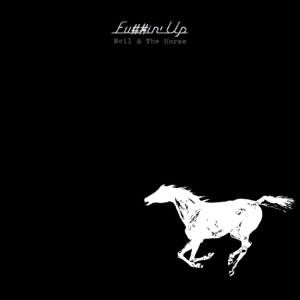
Some people didn’t have to wait that long, as Neil reconstituted Crazy Horse—still with Nils Lofgren, swapping piano and guitar with Micah Nelson from Promise Of The Real—for a private gig in Toronto at a billionaire’s birthday party a month before the release of Before And After. The set consisted of the Ragged Glory album in order, excluding “Mother Earth”, and was released five months later as Fu##in’ Up, just in time for a full-fledged Horse tour. (It was also included as a premium for those who paid the hefty ticket prices.) By this time both members of the rhythm section were 80 years old, but it’s Neil who seems to struggle the most, botching the lead on “Country Home”, switching verses on the title track, and straining to hit high notes in the original keys. “Love To Burn” starts to slow down at the ten-minute mark, and probably not on purpose. He does, however, nail the harmonica solo on “Days That Used To Be”—no small feat, since it never had one before.

For some reason every song here save “Farmer John” was given a new title, along with a numeric prefix, counting down from 8 to 1 and back to 9 for “Love And Only Love”, where they finally sound warmed up. It’s also unknown why the few encores weren’t included, but that’s Neil for you. Way Down In The Rust Bucket is far better overall, and not just on the shared songs.

The Crazy Horse tour ended sooner than expected, for “health reasons”, and with a lot of irons in the fire, a year went by before the solo tour was commemorated with a film directed by Daryl Hannah, with a matching soundtrack. As with its older brother, Coastal begins with “I’m The Ocean” and closes with “Don’t Forget Love” (albeit an extremely short version), and doubles up on a few other songs. In between, it’s a similar grab bag. “Love Earth” benefits from audience participation and timely stomping, and he switches to electric for “Prime Of Life”. We just noticed that the hook of “Throw Your Hatred Down” would be used again in “Shock And Awe”, and “Vampire Blues” is interrupted by an amp glitch that doesn’t derail his tempo. Speaking of which, the first physical copies of the album managed to escape quality control; “Expecting To Fly” is done on piano at a soundcheck, and sung in a much lower register, where he stays for “Song X” and “I Am A Child”. (When the “official” streaming version on his site appeared after a delay, it had these songs mixed without vocals.) All in all, that much more enjoyable than Before And After, though neither is The One To Have.

Neil Young Before And After (2023)—3
Neil Young With Crazy Horse
Fu##in’ Up (2024)—
Neil Young
Coastal Soundtrack (2025)—3

Friday, August 11, 2023

Neil Young 69: Chrome Dreams

If you’ve read this far, you would be aware that lost or otherwise abandoned albums dot Neil Young’s career. Depending on whom you believe, Chrome Dreams was either a work in progress that made it to an acetate or a full-fledged album that was yanked at the last minute in favor of American Stars ‘N Bars. At any rate, the acetate was bootlegged sometime in the ‘90s, becoming one of those “why the hell did he bury this?” touchstones for fans.

Some 46 years after its original sequencing, he put it out as part of his Archives’ Special Release Series. At fifty minutes, it’s longer than most contemporary Neil albums, which averaged 35 in those days. Selected from sessions stretching over two and a half years, it’s just as much of a mixed bag as the album that did come out, and just as down as Homegrown was, which was supposedly why he didn’t put that out. Up until the appearances of Hitchhiker and Archives Vol. II, half of the tracks were unique alternate versions to standard ones that were eventually released. So while the album has become slightly redundant at this late date, it’s still arguably superior to Stars ‘N Bars.

The unadorned “Pocahontas” starts us off, just as it did Hitchhiker, followed by the canon versions of “Will To Love” (for a real mindwarp), “Star Of Bethlehem” (which of course was part of Homegrown), and “Like A Hurricane” (to blow your ears out); these three were also on side two of Stars ‘N Bars, but with the first two swapped in order. “Too Far Gone” comes from the Zuma sessions, as delivered on Archives Vol. II, played by Neil with Poncho Sampedro on mandolin in an identical if more delicate arrangement than the one that would finally turn up on Freedom a decade later.

“Hold Back The Tears” is a wholly different recording finally making its official appearance. It’s a lot starker than the Stars ‘N Bars take, with Neil’s own harmonies and overdubs as well as an extra verse making it superior. The familiar Crazy Horse trash version of “Homegrown” is followed by “Captain Kennedy”, of all things, which was part of Hitchhiker and had first snuck out on Hawks & Doves. The piano-based “Stringman” was recorded live in London with overdubs added later, and is beautiful (which made it so welcome on Unplugged, and on Archives Vol. II). “Sedan Delivery” is another terrific surprise. An earlier take with Crazy Horse, it’s still loud but slower, with only one unchanging tempo compared to the stop-start of the established arrangement, but it’s almost more punk, with extra words, too. “Powderfinger” is the acoustic one from Hitchhiker, twice as paranoid as the one we know and just as effective, and it all ends with the Comes A Time take of “Look Out For My Love”.

Chrome Dreams is a hell of an album, and an intriguing demonstration of album sequencing. Had it come out back then it likely would have confused people and sold poorly, and just as likely be heralded today. It would also have irrevocably changed the course of time, as we would then live in a world that never had Comes A Time or Rust Never Sleeps. Hearing all these alternate versions for the first time was game-changing, to be sure. For all its retroactive redundancy, it still deserves to be heard, if only for “Hold Back The Tears” and “Sedan Delivery”. (Footnotes: The original drawing that allegedly inspired the album title was lost in a warehouse fire, but fate managed to provide artwork of a similar vintage by none other than Ron Wood for this official release. Also, the album straddles his second and third Archives volumes, making organizing and navigating even crazier.)

Neil Young Chrome Dreams (2023)—

Friday, April 21, 2023

Neil Young 68: High Flyin’

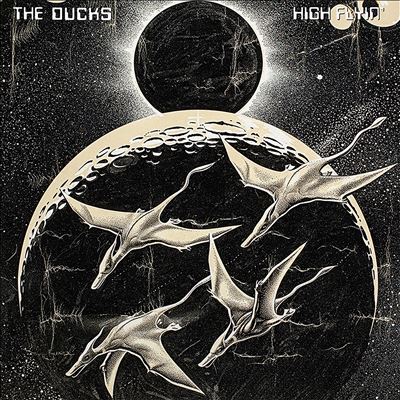
In the summer of 1977, Neil took up with one of the guys who used to be in Moby Grape, who’d found a singer-songwriter and a drummer who could sing, and the quartet played several gigs around the Santa Cruz area billed as the Ducks. This was not Neil’s band; his job here was mostly as guitar player, supporting the other guys and their original songs, except when they played one of his. As quickly as the combo started, they were done, and Neil went off to start work on what would become Comes A Time.

It only took 45 years, but an official Ducks album finally came out as part of the Neil Young Archives Official Bootleg Series. High Flyin’ presents two discs of the band in their element: a bar. Three such venues are represented here, including Neil favorite The Catalyst, along with a recorded “live rehearsal” and an appearance at a local auditorium. The songs were recorded well enough—by Neil’s own team, of course—to the point where you can almost smell the spilt beer and urinal cakes.

Just as in every scene across America and most of Canada throughout the rock ‘n roll era up through today, The Ducks were a decent bar band, with accomplished if pedestrian vocalists. If anything, they were faster than Crazy Horse, and certainly funkier. Overall, pretty solid rock ‘n roll, as would be expected of any other bar band with a hotshot guitarist.

The draw here, obviously, is anytime Neil rips off a stinging lead, blows into a harmonica, adds a harmony, or steps forward to sing one of his own songs. “Are You Ready For The Country?” is a fun stomper as ever, while “Sail Away” and “Human Highway” get nice electric treatments with energetic harmonies. The band’s treatment of “Little Wing” is especially moving, as Neil gives it something of a riff missing from the acoustic take, and “Mr. Soul” is delivered with pure Springfield energy. (Sadly, Duck takes on “Comes A Time” and “Cryin’ Eyes”, both common to other bootlegs, do not appear here.)

But that’s a small portion of nearly two hours of music. For the most part the songs alternate between originals written by bass player Bob Mosley or Jeff Blackburn, the other guitar player, plus drummer Johnny Craviotto gets to bellow some obscure R&B nuggets. “Truckin’ Man” is indicative of their lyrical depth; “Car Tune” shows that they had more in common with Neil than just music. The instrumental “Windward Passage” has become somewhat legendary over the years, being a two-guitar dueling jam, with Neil on one and Blackburn with a chorus pedal on the other. Each disc closes with a version of “Silver Wings”, arguably the band’s best (non-Neil) tune, unless you count “Hey Now”, which features even fewer lyrics than “T-Bone”. One surprise is a furious “Gone Dead Train”, which Crazy Horse covered on their first (Neil-less) album. Throughout, Neil happily lets loose, content with being part of the backdrop in a way he hadn’t been since the Squires.

High Flyin’ isn’t essential except for us Neil completists, and even that’s pushing it, but it does beg one question. Since this technically was never an actual bootleg, shouldn’t it be part of the Performance Series?

The Ducks High Flyin’ (2023)—3

Friday, December 9, 2022

Neil Young 67: World Record

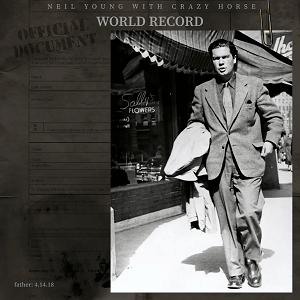
When Neil’s on a roll, it shows. Back with Crazy Horse for an unprecedented third album in a row, World Record finds the boys holed up in the legendary Shangri-La Studios, now owned by co-producer Rick Rubin. Yet the sound is just as ragged and rough-hewn as anything Neil ever recorded in a barn. The environment is the main topic again, but at least the songs aren’t as ranting or myopic as before.

The lyrical content aside, “Love Earth” is a subdued and misleading opener; kids of a certain age will appreciate that he’s appropriated the melody from the closing theme from The Magic Garden TV show. Here we also hear the “kick tub” that will feature prominently among the band’s percussion. “Overhead” is almost jaunty, with a piano and what sounds like a banjo but isn’t listed. While we can’t say it’s dreamy, the middle section that provides the title and an interlude is a good transition between the halves. He’s said he started these songs by whistling as he walked, so we’ll forgive him for lifting his own melody from “Looking Forward” on “I Walk With You (Earth Ringtone)”. The track itself is nice and sludgy, with Nils Lofgren’s pedal steel providing another link to earlier albums. His accordion provides the other sound on the gentle “This Old Planet (Changing Days)”, which is otherwise pinned to a honky-tonk backing.

“The World (Is In Trouble Now)” delivers more parentheses and pounding, driven by a wheezy pump organ over a three note riff slash melody and one bass note. “Break The Chain” is only a little more inventive, but it’s all electric, which helps its “Fork In The Road”-style charm. “The Long Day Before” would almost be a lullaby but for the organ and the verse about television and the internet, and the closing slap at conspiracy theorist. “Walkin’ On The Road (To The Future)” uses most of the same instrumentation and has an anti-war message, making it poorly placed. The organ is still in use on “The Wonder Won’t Wait”, which could potentially be a cool electric stomp.

Those looking for epic Horse crunch will love “Chevrolet”, a 15-minute reverie into the past with intertwining guitars that yet again shows what Nils brings to the table, and makes the rambles on Psychedelic Pill seem even more tedious. After all that, what’s listed as a “Reprise” of “This Old Planet” is actually an early sketch, mumbled by Neil at the electric piano.

Partially as part of his campaign for his music to only be heard on vinyl, the first nine songs, which total a half-hour, are split between two sides on a record and make up one CD, while “Chevrolet” and the reprise constitute a third side and their own CD. His other excuse was this way the photos of his brother and sister were preserved on the individual sleeves. At any rate, anyone not streaming it has to get up and change discs, just like we used to. And you should, as “Chevrolet” definitely caps the album well.

Neil Young With Crazy Horse World Record (2022)—3

Friday, August 26, 2022

Neil Young 66: Noise & Flowers

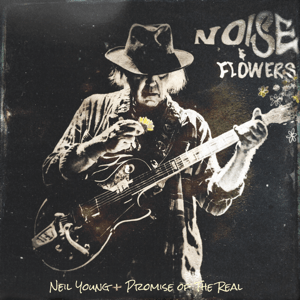
Even while working with a rejuvenated Crazy Horse, Neil Young has utilized the services of the band Promise Of The Real for much of the 2010s. Noise & Flowers is their fifth album together, and the second live collection. Unlike the concept-laden Earth, this one’s delivered straight.

The theme is mortality, being that the tour that spawned this album took place immediately following the funeral of Neil’s manager and most consistent ally, Elliot Roberts, to whom the music is dedicated. More to the point, the band is made of players younger than each of Neil’s children; most of the music predates them too. The combination of the Covid pandemic and the sheer volume of music Neil’s been trying to put out in recent years meant this particular collection waited three years for a release, which is probably why it’s been denoted as #21 in the Archives Performance Series.

The sound is cavernous, thanks to the patented Volume Dealers production. The piano comes through the mix, but so do the congas. The crowd goes nuts for the obvious hits, even when the music teeters considerably throughout the ten-minute “Rockin’ In The Free World”—listen for the a slam against “an orange Lucifer using this song again”—but these ears like hearing such relative rarities as “Field Of Opportunity”, “Alabama”, and “I’ve Been Waiting For You”. The band is supportive on thrashers like “Throw Your Hatred Down”, but tend to rush on softer numbers like “From Hank To Hendrix”. No songs from Colorado, which was already in the can and months away from release, are included.

Again, there are plenty of pickup bands around the world who know his songs inside out and can play them as well as the Horse. For Neil, it’s about feel. And if Elliot approves, so do we. (As has been his wont, there is a matching DVD with all the performances on film. It’s very jarring to see Neil with a band that exudes such energy—he hasn’t had a bass player that animated since he played with Pearl Jam.)

Neil Young + Promise Of The Real Noise & Flowers (2022)—3

Friday, July 15, 2022

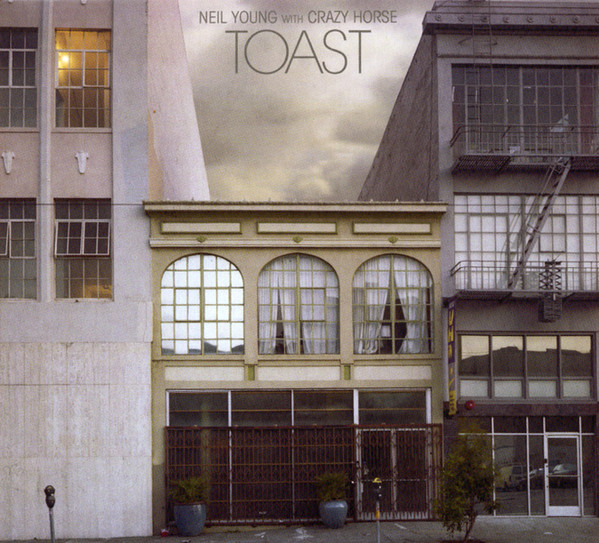
Neil Young 65: Toast

Remarkably, or maybe not, the first two “unreleased” albums Neil Young issued as part of his Archives’ Special Release Series have a similar history. Like Homegrown, Toast was started, abandoned, and then superseded by another album that didn’t directly relate to issues in his personal life. We may never know the full details of the “rough patch” that found Neil living in San Francisco while his wife and kids were back at the ranch, but apparently that experience colored the lyrics and his overall mood. At any rate, he began again with Booker T and the MG’s a few months later, and those sessions resulting in Are You Passionate? the following year.

Crazy Horse is definitely a different band than the MG’s in more ways than one, so one would think Toast (named after the studio where it was recorded) would have a more, shall we say, primitive sound. However, the earlier takes of the songs that made it to Passionate show that their soul-influenced arrangements were well in place before Booker T et al got hold of them. If anything, those tunes recall the Bluenotes, which also started as a Crazy Horse project before Neil replaced the rhythm section.

“Quit” lacks its subtitle, as well as Booker T’s organ, but it’s basically identical to the later take, right down to the female vocals. Knowing what we know now, it’s eerie to hear Pegi singing on it, but it stands out better here, without the sameness of the tracks on Passionate surrounding it. In contrast, “Standing In The Light Of Love” is total grunge, from the pounding riff to Neil’s strangled vocals, and much more what we expect from the Horse. It’s also one of those tracks that, amazingly, had stayed buried all this time, even after being revived in 2014. That said, “Goin’ Home” is still the best song of the batch, though this mix fades the song during the final solo, rather than coming to an abrupt halt, which we always liked. “Timberline” is another one of those legendary lost songs from the era, but this ragged take shows its shortcomings. The sloppiness doesn’t really match the desperation in the narrative about an unemployed logger, which needs more development. (We say this while being quite aware that it’s precisely the kind of track that people love from the Horse.)

A distinct improvement is “Gateway Of Love”, which was teased on the back cover of Passionate and played live with the Horse throughout that summer. It’s the only track we hear that has the “Latin influence” Poncho Sampedro mentioned in interviews about the shelved album; most of that is in the drums, while the bass could go either way. “How Ya Doin’?” is an odd title for what became “Mr. Disappointment”, since that question only surfaced in the later recording. This earlier version is sung in Neil’s natural voice, rather than the low rasp he adopted for the album. “Boom Boom Boom” is the same song as “She’s A Healer”, except that it’s longer and taken just a tad slower. Once again the eventual title features prominently in the lyrics, while the initial title does not. At thirteen minutes it does drag, but the jazzy bridge stands out more, and Tom Bray adds a trumpet, just as he would on the later album. Neil overdubbed a few stabs at a piano, and somebody’s playing the vibes and tapping bongos.

Toast is still unfinished as an album, and likely wouldn’t have wowed us had it come out instead back then. The disparate styles don’t cohere very well, but at least there are more dynamics, so it’s superior to Passionate, and will likely get more spins round our way. Moreover, his voice isn’t as strained here. It’s not as revelatory as Homegrown, and it hasn’t had as many decades of speculation to live up to, but once again we want to hear everything else he’s been sitting on.

Neil Young With Crazy Horse Toast (2022)—3

Friday, May 13, 2022

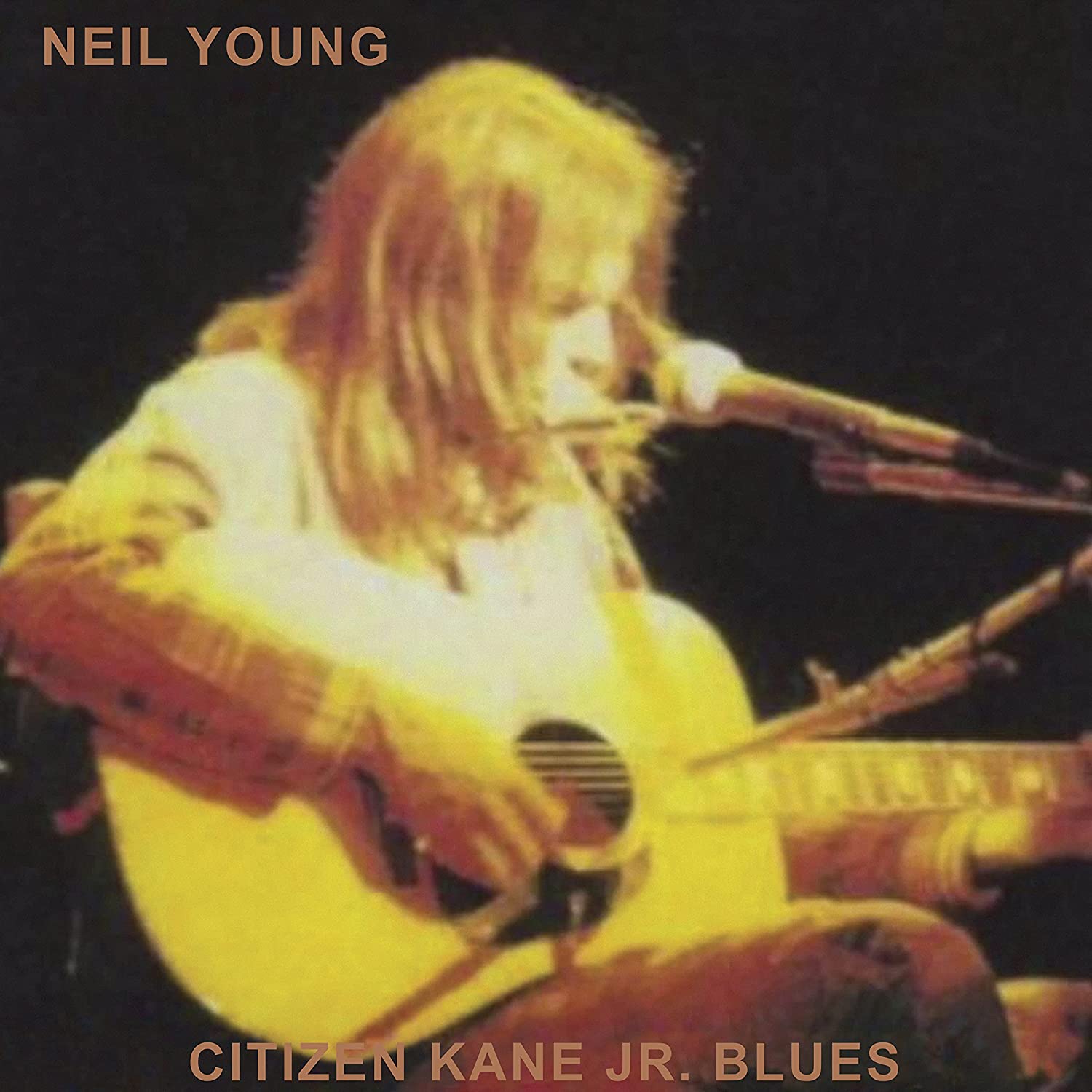
Neil Young 64: Citizen Kane Jr. Blues

Eighteen months after they were originally announced, the second, third, and fourth installments in Neil’s Official Bootleg Series finally appeared. Two of these chronicled shows only two days apart, and mined material already on four other archival releases. But most fans were far more excited about a show that should have been part of Archives Vol. II—it even fits chronologically between two of that set’s discs.

Citizen Kane Jr. Blues was mastered from the original cassette recording of an impromptu set played in the wee hours at New York City’s Bottom Line following a Ry Cooder gig; Leon Redbone was the opener. Neil had just finished recording On The Beach, but would only play four of that album’s songs, and played even further material that had yet to be released, or even recorded in the forms we would get to know them. (The show was edited to fit on two vinyl sides, but Neil does provide a “complete” stream of the album on his site, which runs about ten minutes longer, mostly due to a lengthy monologue before “Motion Pictures” that explains why he hasn’t played “Southern Man” in a while, and discusses “honey slides”, a potent marijuana concoction that allegedly fueled his recent writing and recording.)

After a brief introduction, he introduces a song with a title that gives this boot its title, but would come to be known as “Pushed It Over The End” and a highlight of the upcoming summer’s CSNY tour. Even without the dynamics of the full band, the stop-start arrangement is hypnotic. He introduces “Long May You Run” as a song he wrote about his car, and the audience chuckles throughout. “Greensleeves” is delivered straight, to silence, then he apologetically sets up “Ambulance Blues” for being a “bummer”, but again, they hang on to every line. At the time, only “Helpless” had made it to an album, and the crowd is happy to hear it.

“Revolution Blues” is just as spooky acoustic, and he downplays the down mood of “On The Beach” by opening with a few guitar licks in the style of Stephen Stills. An inebriated-sounding request for “something country-western” prompts “Roll Another Number (For The Road)”, which is appreciated with clapalongs and yee-haws. Even without the full intro “Motion Pictures” is mesmerizing. He offers the crowd a choice between two songs for his last number, but they want to hear both, so they get a lovely “Pardon My Heart” and then “Dance Dance Dance”, a month away from mutating into “Love Is A Rose”.

Basically, if you love this period of Neil, Citizen Kane Jr. Blues is essential. While he’s been all about sound quality, and replicating other bootlegs with pristine tapes from his own Archives, this show is intimate, raw, and seemingly much more spontaneous. Even the stray coughs from the crowd enhance the natural ambience. And it’s from a period that hasn’t been as documented as, say, early 1971. There will never likely be a better-sounding version of this show, and that’s fine.

Neil Young Citizen Kane Jr. Blues (2022)—4

Friday, December 24, 2021

Ben Keith: Seven Gates

Most people know him in the context of most of Neil Young’s albums without Crazy Horse, but Ben Keith was already an established Nashville studio musician before he worked on Harvest. The year before that he played on Ringo Starr’s Beaucoups Of Blues, and ten years before that he provided the pedal steel for Patsy Cline’s “I Fall To Pieces”.

About a year before he produced Jewel’s first album, Ben Keith completed a Christmas album. Partially recorded at Neil’s Broken Arrow Ranch studio, with some sessions in Nashville and elsewhere, Seven Gates has more of an authentic country feel than most showbiz holiday albums, which is probably why it was resoundingly ignored upon release. Music fans would have snapped it up, as it features Neil on several tracks either singing or playing his pump organ, while Mickey Raphael (best known for playing harmonica alongside Willie Nelson) is all over the place. Wanna hear Johnny Cash duet with Neil on “The Little Drummer Boy”? Here it is. Pat McLaughlin and Rusty Kershaw warble through “Christmas Time’s A Comin’”. But don’t be fooled by “We Will Rock You”—it’s actually “The Rocking Carol”, 50 years before Brian May used the words for something else. Here it’s sung by Nashville’s Pamela Brown and Neil’s wife Pegi.

The album is at its best when it’s simplest on the instrumentals, such as “Ave Maria”, “Silver Bells”, “Away In A Manger”, and “Blue Christmas”. It’s occasionally overproduced with dated synth strings, but all in all, it evokes snowy hills and pine trees for a serene listen. Thankfully, the children’s choir doesn’t show up until track 8, and we don’t know why so many people arrange “Greensleeves” aka “What Child Is This” to sound apocalyptic, though Neil appears at the end singing alongside his sister Astrid and Nicolette Larson.

Some 13 years later the album was reissued, again quietly, under the title Christmas At The Ranch with a different cover. But it also sports a modified version of “Les Trois Cloches”, now with vocals by Neil and Pegi.

Ben Keith & Friends Seven Gates (1994)—3

Tuesday, December 14, 2021

Neil Young 63: Barn

One of the things we really, really like about the Neil Young Archives website is how he details and logs everything he’s ever released down to the exact recording date and sequence. That’s how we know that Barn was recorded with the Colorado lineup of Crazy Horse exactly a year after the solo performances that spawned his The Times EP, which grew out of various “porch sessions” filmed for streaming during the Covid lockdown. Apparently his preference to record during the days approaching a full moon still holds. (The title is evocative, but unlike many Neil Young classics of yesteryear, with and without Crazy Horse, Barn was not recorded in the fabled barn on Neil’s Northern California ranch, but in one located somewhere in the mountains of, again, Colorado.)

In a clear signal that this will be another comparatively low-key Crazy Horse album, the extremely gentle “Song Of The Seasons” opens, all acoustic with bleats of harmonica and Nils Lofgren on accordion. The quiet mood is properly bludgeoned by “Heading West”, a recollection of the navigational direction young Neil took with Mommy when their family split up, after which she bought him his first guitar. Things start to get sloppy with “Change Ain’t Never Gonna”, which revives Ranting Neil from the Promise Of The Real albums, only this time featuring a wheezing harmonica and Nils on saloon piano. Another stomp, “Canerican”, celebrates both his American citizenship and Trump’s defeat in 2020 without gloating, while “Shape Of You” is a boozy stumble of a love song that illuminates the fun he’s having. We can’t discern the meaning of the mysterious “They Might Be Lost”, and maybe Neil hasn’t either, but there’s something compelling about the uncertainty that permeates, and not just in what he alludes to smoking.

Grandstanding is certainly at a minimum on this album, but “Human Race” is a fresh draft of the thesis already presented in “Who’s Gonna Stand Up” and “Children Of Destiny”. (“It’s all one song,” after all.) Here he finally takes the opportunity to shred while Ralph Molina struggles with the tempo. The recipe is finally perfected on “Tumblin’ Thru The Years”, a nice piano stroll with Billy Talbot adding subtle R&B runs through the verses—something he’s almost never, ever done in his decades in the job—and a nice chord change to set up the title. “Welcome Back” is perversely both the longest track on the album and the softest; barely fretted electric guitars answer each other over the mildest ticking of the rhythm, and we’d love to know who sat on the piano just after the two-minute mark. (This, by the way, is precisely the vocal range he should stick to from here on. Throughout the rest of the album, he insists on straining for notes he hasn’t been able to hit in years.) And while it’s a wonderful sentiment, we might enjoy “Don’t Forget Love”—which he says took him three months to write—all the more if it didn’t recycle melodic sections of “Living With War” and “Horseshoe Man”.

Starting with Peace Trail, Neil seems to be recording his new songs before he’s finished writing them. Perhaps this is because he knows his time is limited; the cumulative effect is that the songs sound tossed off. As press time he said he was already thinking about his next album; while we would prefer one solid album to two okay ones, we’d still want to hear everything anyway. Nonetheless, like Colorado, Barn works well as a whole, particularly if you just let the music wash over. Much as we miss Poncho, Nils is once again a good ingredient in the band, adding color where previously Neil might have meandered into jamming.

Neil Young With Crazy Horse Barn (2021)—3

Friday, March 5, 2021

Neil Young 62: Way Down In The Rust Bucket

The return of Crazy Horse for 1990’s Ragged Glory album rode a wave of critical acclaim that spilled over into the subsequent Smell The Horse tour the following winter and spring. While the staging was in line with the big amps and giant mike stands of previous tours, the tone was colored by Operation Desert Storm, and the setlists stayed pretty basic, as captured on the Weld album and video.

It didn’t start out that way. As he had on other occasions, Neil followed up the album sessions by bringing Crazy Horse into a nearby club to whip the tunes into shape. These were smaller affairs than the usual arena shows, with tickets sold quickly and quietly to the lucky few who managed to pounce on time. Being Neil, the shows were filmed and recorded for his own reference; songs from other such visits came out officially in the ‘90s, on the Broken Arrow and Year Of The Horse albums.

The two-and-a-half-hour set played on November 13 that year, as captured on Way Down In The Rust Bucket, covered most of Ragged Glory, which had already been out for two months, but also touched on other songs from the previous two decades. Along with the usual Horse staples, like “Cinnamon Girl” and “Like A Hurricane”, the boys plowed through lesser-known nuggets, like “Surfer Joe And Moe The Sleaze” and “Bite The Bullet”. They even played “Danger Bird” for the first time ever in public, and the second-ever live performance of “T-Bone”. The band sounds great; Neil has trouble with some of the high notes on “Days That Used To Be”, and we don’t expect velvet harmonies from the other guys anyway.

The focus throughout Way Down In The Rust Bucket is the music. Very little of the between-song chatter is included, and every track fades to silence after the song is finished, with a minimum of crowd ambience. (The video portion, simultaneously released on DVD, included all the chatter, tuning, and false starts, as well as the night’s performance of “Cowgirl In The Sand”, which apparently had audio issues.)

Of the many projects teased from Neil Young Archives throughout 2020, this was a welcome installment in the growing catalog. Hard to believe, listening over 30 years later, these guys were considered “old” then.

Neil Young With Crazy Horse Way Down In The Rust Bucket (2021)—

Friday, December 4, 2020

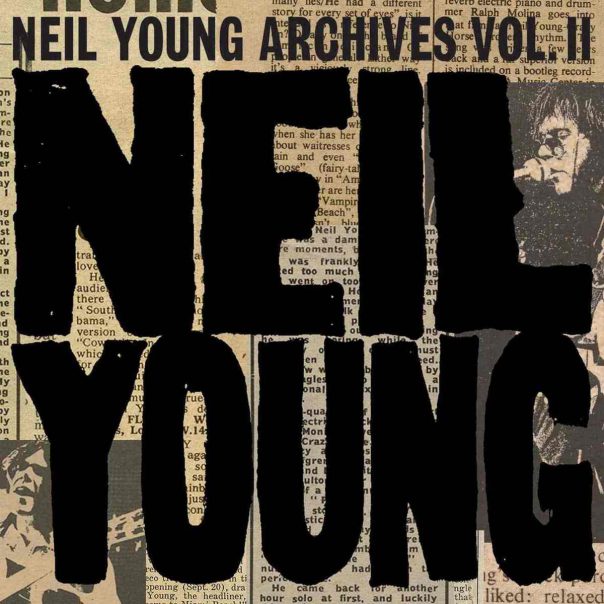
Neil Young 61: Archives Vol. II

Speculation about the next installment of Neil Young’s Archives box sets began immediately upon release of the first. For a few years it was presumed that this set would take the story through the rest of the ‘70s. When Archives Vol. II: 1972-1976 did finally appear, the covered timeline was shorter, but the ten discs dove deep into one of his most fertile songwriting periods, and an era that has since become hallowed by fans. (Also, with the multimedia portion largely handled by the Archives website and app, the physical package was only released on CD, initially as a limited release with a deluxe book as with the DVD and Blu-ray versions of Archives Vol. I. This sold out in seconds, forcing Neil and Reprise to prepare a second run, as well as a slightly cheaper version with a less elaborate book. The hole left by the death of manager Elliot Roberts was never more apparent.)

Three of the CDs had already been released individually, and familiar album tracks abound; he’d already established that the Archives project is designed to present his creative output in context. Roxy gains an extra track in an extended encore performance of “The Losing End (When You’re On)”, but Tuscaloosa was not so lucky, despite the outtake of “The Loner” made available for streaming.

There is an alternate live version of that song on Everybody’s Alone (1972-1973), which fills in more of the gaps in the wake of Harvest, skirting around Time Fades Away, and offering the title track to the incomplete CSNY album Human Highway. The opening “Letter From ‘Nam” is immediately recognizable as a draft for “Long Walk Home” a decade and a half later; “Goodbye Christians On The Shore” is a mysterious fable in 7/8 time. Long booted favorites like “Sweet Joni”, “Come Along And Say You Will”, and the ramshackle electric pillage of “The Last Trip To Tulsa”, exiled for years as a B-side, show up, along with a rambling introduction to an acoustic “L.A.” that finds its way out of “I Got You Babe”.

Strangely, “Everybody’s Alone” itself doesn’t appear until two discs later. Confusingly titled, Tonight’s The Night (1973) presents the raw sessions from that album, but with none of the fabled “raps” in between the songs themselves, save a longer intro to “Tonight’s the Night Part II”. A barely together “Speakin’ Out Jam” shows the effects of the tequila, and the sound of the Santa Monica Flyers backing Joni Mitchell on “Raised On Robbery” must be heard to be believed. Similarly, Walk On (1974) presents a more complete picture of how On The Beach happened, bringing in key outtakes of the period, including an electric “Bad Fog Of Loneliness” and solo acoustic renditions of “Traces” and the old chestnut “Greensleeves”.

The Old Homestead (1974) is something of a companion to Homegrown (which follows in the set) and it’s fascinating. Only the “title” track and “Deep Forbidden Lake” had been released on albums proper, with the rest of the program—70 minutes total, the equivalent of two Neil albums—devoted to songs that slipped through the cracks. Some, like “Hawaiian Sunrise”, had featured on that summer’s CSNY tour, represented here by a superior take on “Pushed It Over The End” and Stephen Stills’ blazing contribution to “On The Beach”. “Homefires” and “Give Me Strength” were often highlights of acoustic sets over the years, while “Bad News Comes To Town” would be trotted out with the Bluenotes and “Changing Highways” would emerge 22 years later as a Crazy Horse stomper. A piano rendition of “One More Sign”, dating from the Buffalo Springfield era, is as heartbreaking as “LA Girls And Ocean Boys”, which would be co-opted into “Danger Bird”. Three distinctly different takes of “Love/Art Blues”—solo, downbeat, and jaunty with yodeling—demonstrate his quest for the right sound. “Frozen Man” and “Daughters” had been rumored for years, and live up to our hopes.

Dume (1975) not only widens the scope on Zuma by about half an hour, but reveals some of the incredible candidates left off that album, such as an earlier version of “Powderfinger” and electric takes on “Ride My Llama”, “Pocahontas”, and amazingly, even “Kansas” and “Hawaii”. “Too Far Gone” and “No One Seems To Know” appear a year before the live takes on Songs For Judy; “Born To Run” is not the Bruce song, but a Neil original tried and abandoned over the decades. Look Out For My Love (1976) is even more sprawling, the continuing adventures of the refurbished Crazy Horse alongside that year’s CSNY experiment that dwindled down to the short-lived Stills-Young Band, culminating in another stab at “Human Highway”. But first we get a transcendent “Separate Ways” that would have tilted Long May You Run even further in Neil’s favor, a band take of “Traces”, and two tracks with the Crosby-Nash vocals still intact. In the midst of all this is “Mediterranean”, an intoxicating exploration unlike anything in the catalog.

The disc also weaves in and out of the shows that made up Odeon Budokan (1976), a live album captured in London and Japan, both solo and with the Horse. While heavy on Zuma, he was probably right to shelve it and wait for Live Rust three years later. Still, the sequence includes a few songs that would have made their debuts had the album been released back then, including “Too Far Gone”, “Lotta Love”, and “Stringman”. (The overdubbed version supposedly earmarked for yet another scrapped album is on the previous disc.)

As before, not every song from every album of the period is included, and the repetition throughout the ten discs may rankle some. It can also be jarring to hear songs outside of an order etched in our brains for decades. But given the quality of those original albums, it’s astounding that he had this much in the tank, and exciting for fans who’d thought they’d heard everything. In a word, wow.

Neil Young Archives Vol. II: 1972-1976 (2020)—4

Tuesday, June 23, 2020

Neil Young 60: Homegrown

While some unreleased albums gain notoriety via blurry traded copies, Neil Young is the king of unreleased albums shelved so well that they’ve never been bootlegged. Homegrown was his first legendary secret, scheduled for release in 1975 only to be replaced from the back burner by Tonight’s The Night. Save the handful of tracks that emerged elsewhere, it had never been heard outside his closest circle for 45 long years. With all the delays inherent to his Archives project, the promise that it would be finally released in 2020 seemed almost too good to be true. (Even the COVID-19 pandemic got in the way, pushing its release back a few months while fans sheltered impatiently in place.)

The biggest mystery about the album was this: seeing as Tonight’s The Night was such a dark album, just how much darker was Homegrown, even if Neil said it was a sequel of sorts to Harvest? The answer lies in his biography. Tonight’s The Night eulogized dead friends, while Homegrown eulogizes a dead relationship, with the body still warm and the legacy ongoing in the child Neil and girlfriend Carrie Snodgress shared. It was mostly written and recorded in the aftermath of CSNY’s massive 1974 reunion tour, and yet another aborted album by that crew. Neil was incredibly prolific in this period, the songs coming faster than he could record them, much less release them. His voice throughout Homegrown is weary, and Tim Drummond’s solid but wavering bass reflects the mood wherever he plays.

The first few songs do mirror the Harvest sequence. “Separate Ways” begins already in progress, a lazy lope a la “Out On The Weekend”, but even slower and much more infused with despair than simple melancholy. Having only been heard on bootlegs with the likes of Booker T & the MG’s, it’s great to finally have it in the official canon. “Try” is only slightly jauntier in tempo, with a tack piano and Emmylou Harris, and notoriously uses a phrase attributed to the woman screaming in the rain in “Harvest”. In the “Man Needs A Maid” slot is “Mexico”, a solo piano and voice vignette derived from Joni Mitchell’s prettier moments. “Love Is A Rose” was previously a pleasant trifle on Decade; here the same take, with its bum harmonica note, proves its true home. While not as raucous as the eventual Crazy Horse version, the title track revs slowly up to speed in the spirit of “Are You Ready For The Country?” And then the album goes completely off the rails. “Florida” is a recitation of a surreal dream while he and Ben Keith scrape piano strings and rub wine glass rims at an excruciating pitch. (If it sounds at all familiar, that would be due to the packaging of Tonight’s The Night, where the words were transposed over a replica of the liner notes from On The Beach.) “Kansas” isn’t as surreal, but acknowledges the waking “from a bad dream” over exploratory acoustic strumming. (That the melody sounds a bit like the Hitchhiker version of “Powderfinger” is probably insignificant.)

On the basis of the contents, “We Don’t Smoke It No More” wouldn’t stand up in a court of law, being little more than a slow Jimmy Reed blues with the barest of lyrics but cool lead guitar fighting with harmonica. Perhaps the most surprising departure is “White Line”. Even though its acoustic arrangement was revealed on Songs For Judy, this understated take (recorded at the Who’s studio, by the way, with only Robbie Robertson adding acoustic noodling) seems galaxies away from the loud Crazy Horse rendition that would be taken as standard fifteen years later. Frankly, it’s gorgeous. It nicely sets up the brilliant “Vacancy”, an edgy electric stomp like “World On A String” crossed with “Revolution Blues”, with sometime Band member Stan Szelest working the Wurlitzer electric piano. (Levon Helm is on the album as well.) “Little Wing” cleanses the palate just as it mysteriously opened Hawks & Doves, and an allegedly alternate mix of “Star Of Bethlehem” brings the program to a quiet close.

The benefit of history makes Homegrown as good as it sounds today. Despite being recorded in Nashville and on his ranch with some of the same players, it’s ragged where Harvest was smooth. Its haphazard flow is right in line with the mind of the man who directed Journey Through The Past only a couple of years before. Had it been released as originally planned, it likely would have confused and angered many, only to be debated for decades. It is the natural follow-up to On The Beach, and should be celebrated.

Neil Young Homegrown (2020)—4

Friday, November 1, 2019

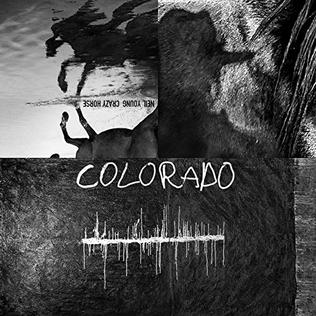
Neil Young 59: Colorado

For half a century, the connotation of Neil Young playing with Crazy Horse inspires the immediate aural image of a plodding electric assault, and with lots of evidence to support that. But the fuzz of “Like A Hurricane”, Ragged Glory, and Psychedelic Pill belies the lower dynamics that Neil has brought out of the guys, such as “Lotta Love”, “Running Dry”, “Oh Lonesome Me”, and countless other tunes with Billy Talbot on bass and/or Ralph Molina on drums. Take also Tonight’s The Night, recorded with that rhythm section and trading guitar and piano duties with Nils Lofgren, who was in Crazy Horse for their debut Neil-less album.

Now that Poncho Sampedro is semi-retired, Nils came back to support Neil and the other two for a few shows, which led to an album. Colorado was recorded in that state, with oxygen tanks on hand to help them adjust to the higher climate, and while many of Neil’s recent quirks are still in place—harangues about the same political issue in consecutive tracks, singing far above his range, yelling tunelessly when he hasn’t bothered to write a melody, as he does on most of the loud ones—the album holds together better than any of the last handful, simply because it offers variety and repels assumptions.

With a blast of harmonica, “Think Of Me” is a jaunty acoustic strum that sounds more like Prairie Wind than Crazy Horse until the harmonies kick in. This promising start is followed by the sludge of “She Showed Me Love”, which ponders the fate of Mother Nature in the hands of “old white guys” and “young folks”. It’s long enough to begin with, but then plods away for another seven minutes of jamming and repeats of the title on top of the six it took to get there. As the only lengthy track on the album, it seems odd that this was the one groove given such an honor.

That’s basically the template for the album: softer songs alternating with loud ones. “Olden Days”, about losing touch with friends for various reasons, sports a nice little riff echoed by the voice and piano (uncredited, though it’s probably Nils), but it seems to be over awfully quickly. Then it’s back to doom, as “Help Me Lose My Mind” alternates an agitated verse with a more inspired chorus change (musically, anyway). The sad little metaphor of “Green Is Blue” is effective, and in case you missed the point, “Shut It Down” pounds it into your head. “Milky Way” was the first track streamed to the public, and while its first-take demo quality underwhelmed then, it works much better in this context. Plus, with its tension being more quiet than loud, it provides welcome contrast.

The charming “Eternity” not only revives earlier lyric ideas, such as a house of love and a train of love, but it also features the tapdancing skills of Nils Lofgren (“click, clack, clickety clack” indeed). Set to a tune we can’t put our finger on, “Rainbow Of Colors” is another attempt at an alternate national anthem, in that it offers a positive message instead of just saying why the other side is wrong. One might think the album would end there, but “I Do” is a tender love song that takes us out very gently, along the lines of “Music Arcade” and “Without Rings”. (Those who bought the vinyl—or paid the subscription—got a bonus in the form of the moody but moving “Truth Kills”, plus a live solo electric “Rainbow Of Colors”.)

Many of Neil’s albums this century have been difficult to absorb; part of that can be ascribed to the loss of producer David Briggs in 1995. Now the death of longtime manager Elliot Roberts, to whom Colorado is dedicated, will likely affect Neil in ways he can’t fathom. We predict this album will have staying power, and those who say it’s not a Crazy Horse album need to revisit Sleeps With Angels.

Neil Young With Crazy Horse Colorado (2019)—3