Showing posts with label 2008. Show all posts

Tuesday, July 21, 2026

Byrne & Eno 2: Everything That Happens Will Happen Today

In 2006, David Byrne and Brian Eno’s My Life In The Bush Of Ghosts, which had long been hailed as “seminal”, was reissued with the requisite extra tracks. Then the two collaborated on an album for the first time in decades. The bigger surprise, given their previous work together, was that Everything That Happens Will Happen Today was a collection of songs as opposed to groundbreaking experimentalism. Considering the recent work both men had done on their own, this shouldn’t have been too much of a surprise, but still. The overall theme was the relief of domesticity, yet with subtle undercurrents, as depicted in the artwork.

Right away “Home” begins with trilling acoustic guitars, and a chorus that’s descended from recent Eno collaborator Paul Simon’s “Homeward Bound”, but with more pointed lyrics. “My Big Nurse” has a similarly loping rhythm and odd imagery, while “I Feel My Stuff” is more unique, lined with discordant piano and a more quirky vocal from Byrne, who sings all the leads throughout. “Everything That Happens” returns to the dreamy sound hinted at in the first songs, and we finally hear the gospel influence the fellas had been talking about while making the album. “Life Is Long” adds a brass section to support the affirming message, which seems to pervade through “The River” despite the imagery linked to the devastation of Hurricane Katrina.

More familiar beats we’d expect from this dynamic duo emerge on the danceable “Strange Overtones”, not just the first single but offered as a free download. “Wanted For Life” is mildly robotic but builds to a more, well, human sound, with hooks everywhere. The liner notes mention the inspiration for “One Fine Day”, that being the story of a refugee who manages to hold onto hope through all kinds of adversity, and that runs through the album. He turns on his soulful voice for the polyrhythmic “Poor Boy” with those fake horns Eno liked to use, and “The Lighthouse” is a mildly languid closer, still on the idea of finding a home, with some odd counterpoints to underscore the difficulty of achieving same.

While occasionally cold, just like the cover art, Everything That Happens Will Happen Today does eventually fulfill its aim, to unite these partners again, and make the world feel a little better about itself. Naturally they were drawn to the promotional possibilities of doing it all themselves, and Byrne even went on tour to promote it. Eno did not join him.

A deluxe edition of the album was released a few months later, in a circular tin topped with a model of the house and yard from the front cover and containing a book, an antacid pill, a six-sided die of short phrases, and a bonus enhanced CD with an film, screensaver, and four extra songs. “Never Thought” is a lush pop song that should have been on the main album, and we’d even say the same for “Walking On The River”, “The Eyes”, and “The Painting”. The lyrics seem to be thematically linked, but maybe they didn’t want a three-sided album.

David Byrne & Brian Eno Everything That Happens Will Happen Today (2008)—3

Friday, May 15, 2026

Guns N’ Roses 5: Chinese Democracy

Despite the rise of grunge, Axl Rose kept Guns N’ Roses in the spotlight till the mid-‘90s, courting controversy and creating events with each new cryptic video. Before long, each of the other members got fed up with him and quit, replaced by handpicked minions. 1999 saw the release of both the double-CD retrospective Live Era ’87-’93 (most of which was recorded towards the later year) and the very noisy “Oh My God”, released on the soundtrack of, yes, another Arnold Schwarzenegger movie. Rumors flew about the next album, which somehow and somewhere gained the title Chinese Democracy. Once the 20th century turned to the 21st, both the idea and the title of any new Guns N’ Roses album had become a joke. Much like Neil Young’s long-promised Archives, we’d believe it not when we heard it, but when we saw it in the wild. And besides, how could something that took so long to make, involving hundreds of thousands of studio hours, possibly sound any good?

Over 17 years after the Use Your Illusion albums made a splash by arriving the same day, Chinese Democracy started streaming at the band’s official MySpace page—now there’s a flashback for you—in preparation for its official release via the Best Buy chain, barring any last-minute crisis, of which Axl was the undisputed master. Just as amazing as the album finally going on sale was the simple fact that it didn’t stink. It sounded like him singing, and the guitars sounded like Slash. But that shouldn’t suggest that the album is “good”.

There’s a lot of music here—14 songs, most pushing five minutes, some over six. The first minute is atmospheric, until some power chords kick in for the title track, which sets the template for much of what follows: Axl doubling his angry vocals an octave apart, and one of the guitarists shredding constantly. There’s a chorus, but it’s not exactly “Paradise City”-level catchy. It also holds the record for the song with the most credited writers: eight. Only six people wrote “Shackler’s Revenge”, its industrial basis coming from two of them. “Better” slows the pace a bit, and could almost be a pop song, but we could really do without the singsongy falsetto verse at the start and end. Here’s a case where the minor key melody and chords serve the song well. That means it’s time for a power ballad, and “Street Of Dreams” is the album’s “November Rain”, complete with orchestral arrangement. Dizzy Reed, the only other member to play on the last album, is still on board to pound the piano; the rest of the band includes such famous stage names as Buckethead, Bumblefoot, and Brain, plus Tommy Stinson from the Replacements.

“If The World” probably irritated a lot of people, from the robotic drums to the Philly soul strings, the wrong kind of ‘70s homage for this brand. “There Was A Time” is even more divisive, with another drum loop and a damn children’s choir aah-ing along to hide what could be a half-decent tune, proof that a decade obsessing over an arrangement squeezes the life out of a song. Those of us familiar with the original novel were dubious of any song called “Catcher In The Rye”; here Axl manages to channel Oasis on the piano, clearly identifies with the protagonist, clearly misses the point of the book, and seems to chastise his fellow legendary recluse for writing it in the first place. But for those continual guitar lines and muddled message, it’s actually a cool track.

After a side away from hard rock, the hook of “Scraped” is vocally based around some of Sam Kinison’s most iconic yawps, and takes advantage of the layering capabilities of infinite tracks to have lyrics flying in from all over the place. It’s hard to picture anyone relating to “Riad N’ The Bedouins”, since the words are so muddled and obscure we don’t know who pissed him off this time. There’s another atmospheric intro, more Kinison-style “ah”s, and chorus chords that would be better served in another context. But no such ambiguity clouds “Sorry”, a mournful waltz complaining about everyone who’d ever doubted or underestimated him, specifically the other musicians on Appetite For Destruction. Despite the false alarm of the acoustic guitars, “I.R.S.” is a tirade against the government that might be more effective if he came up with a better title.

It’s been a while since we heard an orchestra, so “Madagascar” begins with one right out of a Russian symphony or Pink Floyd epic. From what we can gather from the lyrics, which don’t include the title once, he’s alone and lonely and misunderstood, and piles on movie samples and Martin Luther King quotes to illustrate his point. It’s got all the markings of a grand finale, but we’re not done yet. He’s got another love song in him with “This I Love”, another Elton John homage, loaded with heartbreak, and the only track on the album he apparently wrote all by himself. Finally, in the tradition of unfortunate title choices, “Prostitute” manages to encompass alt-rock and bombast, ranging from pensive to anguish, finally throwing all the ingredients we’ve heard so far into the soup for the big finish.

Chinese Democracy didn’t change the world, but in a universe where a Black man could actually be elected President of the United States and there was finally a new GN’R album, it seemed like anything was possible. And for a brief period, hope was truly alive and well. Yes, we could.

Guns N’ Roses Chinese Democracy (2008)—

Friday, August 1, 2025

Clash 9: From Here To Eternity and Shea Stadium

While the Clash’s recorded legacy had been preserved on their albums and a growing number of compilations, their prowess as a live band couldn’t be as easily experienced before YouTube. That finally changed with From Here To Eternity, an hour-long sampler cherrypicked from five years’ worth of professional recordings. (It also worked as a setup for the first grand remastering of the catalog the following year.)

The music moves chronologically through their history, but while the performances themselves are often from different years, the album has an excellent flow, even between drummers. Three of the tracks are alternate mixes (and allegedly overdubbed) of music already heard in the Rude Boy film, and three others come from their legendary 1981 residency at Bonds in New York City. The energy stays up, up, up from the beginning, letting up at the fade after “I Fought The Law”, setting up “London Calling” and “Armagideon Time”, the latter helped out by Mickey Gallagher and Mikey Dread. Paul and Joe swap instruments on “The Guns Of Brixton”, to enable the former to sing while the latter covers his bass part. By that time their music was more hit-oriented, and the audience reaction reflects that. The packaging also included quotes from appreciative fans, along with dubious recording data. If anything, the program should have been twice as long. The streaming version added two songs at the end, which wasn’t enough.

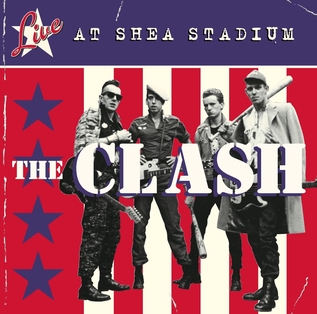
Just one song was included from Shea Stadium, during their stint on the Who’s first farewell tour, and it only took about a decade for their set to be further commemorated. (Even the Who themselves sat on their recordings until 2015.) Beginning with associate Kosmo Vinyl baiting the crowd, they plow into their set, and while there were reports of booing throughout the tour, and asides by Joe about people talking in the audience, the crowd sounds engaged throughout. The band holds themselves well in such a large venue, with no dead air, and only a few acts of defiance, like cutting into “The Magnificent Seven” for a detour through “Armagideon Time” (which sounds like it’s in a major key) then back into “The Magnificent Seven”. Songs are played from every album, but only two came from the one they were ostensibly promoting; “Rock The Casbah” manages to work without the piano, and “Should I Stay Or Should I Go” was used as the official video back then. The echo effects prevalent throughout the set are on full for “I Fought The Law”, and they leave the stage, never to play New York again. To date, this is the only CD containing a full set by the band, which is a crime, frankly.

The Clash From Here To Eternity Live (1999)—4
The Clash
Live At Shea Stadium (2008)—

Friday, August 16, 2024

Gary Louris 1: Vagabonds

We must give Gary Louris more than a little credit. Having chaired several lineups of the Jayhawks, when it came time to finally do a solo album, he made sure to put it under his own name. Yet Vagabonds isn’t that different from the sound we’d come to expect from the guy. The biggest difference is his choice of producer—in this case, Chris Robinson of the Black Crowes, who doesn’t get in the way at all.

“True Blue” is the ideal starter, with its gentle strum, distant pedal steel, and high chorus vocal, before “Omaha Nights” turns up the fuzz. The softer approach of “To Die A Happy Man” is belied by its breathless delivery, which frankly jars. (Given the list of forty songs shown in the packaging below the inner disc tray, we’d love to know what it edged out.) One might expect “She Only Calls Me On Sundays” to be a hokey country lament, and they’d be right. But “We’ll Get By” sneaks up on you, with infectious hooks throughout, a simple yet killer chorus, and electricity in the solo.

There’s what’s called a “choir” throughout the album, including Jenny Lewis and Susanna Hoffs, and its contribution to “Black Grass” is processed through a Leslie speaker along with the organ in such a way to make the track even more psychedelic while still very much acoustic. That organ leads into the extremely swampy “I Wanna Get High”, more of a litany of disconnected thoughts than a statement of purpose, the album producer notwithstanding. Gary pulls out his harmonica for the title track, which has another catchy chorus daring you to sing along. “D.C. Blues” is a little too derivative, but the picking is nice and it’s all about feel. A lonesome piano begins “Meandering”, a self-deprecating title for such a song of wonder.

With a small combo and simple production, Vagabonds has a consistent, comfortable sound. We wish it had more crunch overall, but there’s definitely a flow from track to track. It even works on the stripped-down Acoustic Vagabonds EP, which presents solo versions of side one and the title track. We hardly expected to enjoy anything with Chris Robinson’s name on it as much.

Gary Louris Vagabonds (2008)—3

Friday, May 31, 2024

Todd Rundgren 31: New Cars and Arena

One of the stranger—and certainly unexpected—detours of Todd Rundgren’s career was his brief stint fronting The New Cars. This star-studded tribute band included original Cars Greg Hawkes and Elliot Easton (fresh off a decade with Creedence Clearwater Revisited) plus Rundgren regulars Kasim Sulton and Prairie Prince. Todd did a decent job copping the vocal stylings of both Ric Ocasek and Ben Orr, as heard on It’s Alive. This live album delivered the familiar Cars hits, plus “I Saw The Light” and “Open My Eyes”, but they blew the chance to play “You’re All I’ve Got Tonight”, “Bye Bye Love”, and “Moving In Stereo” in order. They did come up with three new songs; nobody’s going to mistake “Warm”, “More”, or “Not Tonight” for Ocasek originals (that last one in either its live or studio version).

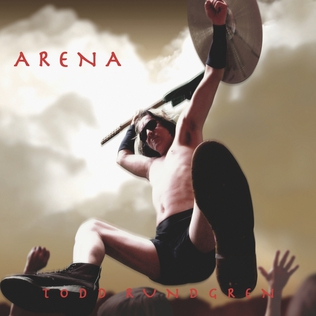
Still, Todd sounded engaged throughout, but when the tour was over, he went back to Hawaii and recorded his next album completely by himself, again, on his laptop. The resulting Arena has an apt title, as the songs are guitar-driven, alternately rocking and brooding, but all designed to keep crowds on their collective feet and pumping fists.

In keeping with the last album, one-word song titles are the norm. The intricate acoustic picking on “Mad” soon gives way to power chords and pounding drums with a yelled chorus. “Afraid” harkens back to Pink Floyd’s “Learning To Fly”, but this an arguably better song overall. We start to enter a theme, first on the angry monologue in “Mercenary” and then on the blatant parody in “Gun”. “Courage” is more along the lines of an ‘80s feel-good anthem, and while “Weakness” sports sludgy riffing to suggest another attack, the chorus gives away the sensitivity. Similarly, “Strike” sounds familiar, until you hit the chorus, which could almost be mistaken for AC/DC.

“Pissin” takes down a boor at a party, but it’s mixed in such a way that the music is the focus, not the action. Synths frame the arrangement of “Today”, but “Bardo” returns to the mysticism of his mid-‘70s lyrical endeavors. Lest people think it’s getting too deep, the swaggering “Mountaintop” has a buried fable. “Panic” ramps up the tension even while telling us not to, and “Manup” is a more direct call to action.

He’s consistently made solo albums that are completely solo, but his fascination with technology and speed in the digital age have often come off cold. Not so with Arena—even the drums, which are programmed, sound real. The album may sound big and stupid at points, but it’s worth it. He even took the album on tour with a real band, this time consisting of the loyal Prairie Prince and Jesse Gress, plus Rachel Haden on bass and Matt Bolton on guitar and keys. Only seventeen years went by before The Arena Tour Live was commemorated on audio and video. After four popular tunes from his catalog, they plow through eleven of the Arena songs, encoring with “Just One Victory” and “Couldn’t I Just Tell You”, bringing the vision to life.

The New Cars It’s Alive (2006)—3
Todd Rundgren
Arena (2008)—3
Todd Rundgren
The Arena Tour Live (2025)—3

Tuesday, October 26, 2021

Lou Reed 31: The Creation Of The Universe

Shortly after reviving one of the more reviled albums of his career, Lou Reed happily scampered off with a couple of avant-garde musicians who were enamored with both the structure and the possibilities of Metal Machine Music, to the point where they actually arranged it for orchestra. Naturally, Lou was thrilled, and wanted to collaborate further. Dubbed the Metal Machine Trio, they improvised their way through a few concerts in L.A. art installations, two of which were released as The Creation Of The Universe.

These tracks don’t have titles outside of “Night 1” and “Night 2”, each in two parts. Mostly there’s the hum of feedback and some guitar distortion, with keyboards emulating different sounds, and an occasional saxophone skronking amid the din. Sometimes Lou will start with quiet picking, or play power chords. While not completely atonal, it occasionally approximates music. The audience even applauds at the end of each “Night”. Nonetheless, Fripp & Eno did it better, and with only two people.

Lou Reed’s Metal Machine Trio The Creation Of The Universe (2008)—2

Tuesday, July 6, 2021

Lou Reed 30: Berlin Live

In hindsight, it didn’t take very long for Lou Reed’s Berlin album to shed its status as a grand failure to emerge as a tortured masterpiece, but its author was always defensive about it. So he was very game when his buddy Hal Willner suggested staging a series of concerts presenting the album in its entirety, with accompanying films by Julian Schnabel, as a template, if not an audition, for the Broadway musical Lou always hoped to make out of it.

The concerts in Brooklyn were filmed and released on DVD, and the soundtrack released as Berlin: Live At St. Ann’s Warehouse. The band featured his most recent rhythm section of Fernando Saunders and Tony “Thunder” Smith; an on-stage orchestra, directed by original album producer Bob Ezrin and including the ubiquitous Jane Scarpantoni on cello. provided the necessary baroque touches, but the real draw is Steve Hunter, returning on lead guitar. One might have hoped that, given the opportunity, Lou would finally restore some of those lost segments deleted from the original album, but no. Except for some extended solos, the album is presented the way it’s always been, start to finish.

A choir quietly sings the chorus of “Sad Song” as an introduction before the sound effects begin for the album’s title track. Steve Hunter provides plenty of fire during “Lady Day”, more so than the previous live version, while the choir helps with the chorus. Fernando on electric and Rob Wasserman on double do their best to channel Jack Bruce on “Men Of Good Fortune”, spurring the band to turn it up. “Caroline Says Pt. I” and “How Do You Think It Feels” proceed as expected, though Lou adds his own rhythm guitar for crunch. Similarly, “Oh Jim” gets stretched between the two sections by some underwhelming fret dueling, but is enlivened by some scatting from Sharon Jones (of the Dap-Kings).

The performances of the songs on side two are faithful, though Lou emotes more in “Caroline Says Pt. II” (and the backup singers join in to accentuate “so cold”) and “The Kids” (for which tapes of the crying kids are used rather than drag toddlers onstage to provide the audio-verité. The choir adds natural ambience to “The Bed” and leads exactly into the full-blown “Sad Song”, with more crunch from Lou’s guitar under Steve Hunter’s note-perfect reproduction of his original solos. The crowd politely waits until the last note has died away before cheering. (There is, of course, an encore: Antony provides another reading of “Candy Says”, then Lou offers “Rock Minuet” and ends with “Sweet Jane”, as bound by law, but without the Steve Hunter intro, sadly.)

Live recreations of classic albums, unless drastically reimagined, are often best appreciated in person, most listeners would be better off sticking with the original Berlin album. This new version is fronted by swaggering Lou, who was MIA in 1973, but the suite’s legacy is still respected as well as revered.

Lou Reed Berlin: Live At St. Ann’s Warehouse (2008)—3

Friday, March 26, 2021

Journey 14: Revelation

After several grueling years trying to sing like Steve Perry, Steve Augeri’s voice gave out, and the band tapped Jeff Scott Soto, formerly of Yngwie Malmsteen’s band as well as other German metal supergroups. For whatever reason, he didn’t take, and wasn’t needed after Neal Schon saw a Filipino kid on YouTube singing a lot like Steve Perry. (Actually the “kid” was in his late 30s, but that was still a generation younger than the band he was about to join.) Thus, Arnel Pineda stepped into musical history.

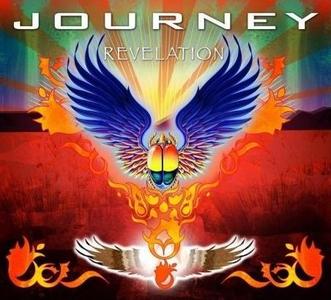
Once he was installed as their singer, an album followed. Revelation wasn’t the most accurate title, considering that several editions were bundled with a disc of rerecorded Journey classics with Arnel doing the vocals, and also a live DVD with a set heavy on the hits. The album itself gets off to a bad start with “Never Walk Away”, a blatant rewrite of “Be Good To Yourself”, but at least the kid (yeah, we know) has enough of his own personality to give the proceedings some weight. “Like A Sunshower” slows things down for a pensive waltz-time slow dance, with “Change For The Better” providing a pick-me-up. “Wildest Dream” comes off like a parody of ‘80s Journey, complete with cheesy keyboards, then “Faith In The Heartland” from Generations is given the Arnel treatment, in something of a slap to Mr. Augeri; hopefully he kept his share of the publishing rights the former. (“The Place In Your Heart” was also rejigged, but only released in Japan.) “After All These Years” finds Jonathan Cain writing “Faithfully” again.

“Where Did I Lose Your Love” rewrites “Separate Ways” again, and arguably features the most Perry-like vocal, masked by Neal Schon shredding constantly. “What I Needed” is a good opportunity to go find the men’s room, even though it’s the only tune Arnel is partially credited for writing. “What It Takes To Win” actually uses “there’s no I in team” as a lyric, but at least it’s another musically intricate piece. However, “Turn Down The World Tonight” distills the album’s power ballads into a dirge, and “The Journey (Revelation)” combines Neal’s self-conscious pyrotechnics with disembodied yowling.

Because Schon and Cain have a lock on the songwriting throughout Revelation, it’s hard to state whether they considered Arnel a true team member or just a mouthpiece. The songs average at least five minutes apiece, as the guys weren’t about to edit themselves as long as it all fit on a CD. It’s not the best showcase for the vocalist, but they made more money on the road anyway.

Journey Revelation (2008)—

Friday, June 19, 2020

Van Morrison 40: Keep It Simple

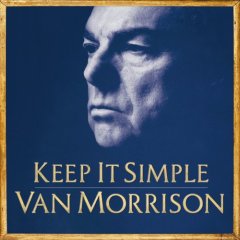
It’s highly unlikely that the grumpiest man in rock ‘n roll takes anybody’s opinion under serious consultation, but with Keep It Simple he seems to be sticking to a well-worn philosophy. There’s nothing groundbreaking here, no catering to any genre, just Van singing and playing Van music. British legends Mick Green and Geraint Watkins add to the blend, and even ‘70s band members John Platania and David Hayes are on board.

Beginning with “How Can A Poor Boy?”, the music is understated rhythm & blues via guitar and organ, with some country & western touches in the harmonica and accordion, and gospel in the backing vocals. “Lover Come Back” is simple yet moving, while the unlikely banjo makes “Song Of Home” a grower. He’s not above regurgitating clichés, such as “School Of Hard Knocks” (a much better song than the title) and “Don’t Go To Nightclubs Anymore”. “That’s Entrainment” is a little too close to another phrase that the emotion he’s trying to convey doesn’t really come through. At this point in his career he’s gotta end with an epic of sorts, and “Behind The Ritual” combines the good and bad of Van, from a decent sax solo to two entire verses sung repeating the words “blah” and “blah”.

Keep It Simple is mostly harmless, and almost inviting. One might even presume he’s enjoying himself. And we can finally give this one the edge over its recent brothers. In the context of his post-Avalon Sunset work, the rating stands.

Van Morrison Keep It Simple (2008)—

Tuesday, January 28, 2020

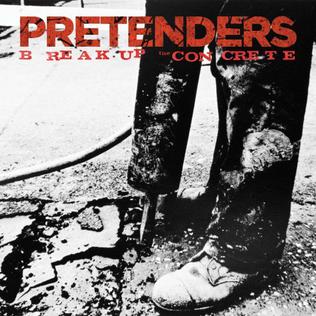
Pretenders 12: Break Up The Concrete

In the wake of a Rhino reissue campaign, Chrissie Hynde convened yet another version of the Pretenders, none of whom had been in the band before, for a brand new album. This lineup included players from alt-country outfits like the Pernice Brothers and Son Volt, while the drumkit was handled by Jim Keltner, all on songs Chrissie wrote herself save one, a cover of “Rosalee” by Akron legend Robert Kidney.

One bonehead review of Break Up The Concrete called it Chrissie’s country album; rockabilly and yes, alt-country is more like it. It’s not trendy or clichéd, wouldn’t be mistaken for anything at the CMAs, and nowhere near as dire a departure as Loose Screw was. The overall sound is live and fresh, almost like first takes or even demos. Several even include count-ins and instructions, as if they’re learning the tunes while the tapes roll.

The rockabilly numbers speed past, with little chance to follow the lyrics, such as the title track, the equally frenetic “Don’t Cut Your Hair”, and particularly the religious references in “Boots Of Chinese Plastic”. The slower songs are rather diverse, like the tender portrait of “The Nothing Maker” followed by the R&B hybrid in “Don’t Lose Faith In Me”. “Love’s A Mystery” and “You Didn’t Have To” will appeal to fans of “Sense Of Purpose”, though “The Last Ride” is a little tepid. But “One Thing Never Changed” is nice and torchy, and the sinewy “Almost Perfect” really stands out.

With zero ad power on a tiny label, Break Up The Concrete came and went without much notice, even to the point that some foreign markets packaged the album with a best-of CD. It’s still one of the more interesting albums of her career, and a good argument that she shouldn’t hang up her guitar anytime soon.

Pretenders Break Up The Concrete (2008)—3

Friday, September 21, 2018

Byrds 15: Live 1969 and 1971

If it happened at any other time but the late ‘60s, the Byrds would have ended after David Crosby left the band, and the remaining members would have issued their work under another name—the Sweethearts, perhaps, after the album where things truly changed. Once Chris Hillman bailed, and Roger McGuinn was the only Byrd left, the band we knew only three years before was done anyway. Yet, the band called the Byrds that featured a phenomenal lead guitarist named Clarence White on five albums cannot be so easily discarded. That combo was truly unique for its time, playing both traditional country songs and rock amalgams, well before the Eagles ran with the concept. Granted, the Flying Burrito Brothers were working a similar experiment, but they too suffered from revolving band members.

Today, two different artifacts have become part of the Byrds canon, and both come from the era featuring the group we’re going to call the Sweethearts. Live At The Fillmore — February 1969 compiles highlights from two nights at the Fillmore West, right after Dr. Byrds & Mr. Hyde came out. The sets were heavy on that album and Sweetheart Of The Rodeo, with a few other country covers thrown in alongside a medley of “Turn! Turn! Turn!”, “Mr. Tambourine Man”, and “Eight Miles High”, and ending with “Rock & Roll Star”, “He Was A Friend Of Mine”, and “Chimes Of Freedom”. From the opening “Nashville West”, Clarence wails and Roger keeps out of his way.

The only lineup change until the final Byrds album for Columbia was Skip Battin on bass; that incarnation of the Sweethearts (catchy, isn’t it?) was already represented on the first two sides of (Untitled). By now they didn’t sell records in America, but flourished in the UK. A well-performed set was extracted from Roger’s vaults for Live At Royal Albert Hall 1971, released on the psychedelic-centric Sundazed label, and it’s clear how far they’d come as a live act since the Fillmore show. Just as on (Untitled), they begin with “Lover Of The Bayou”, and move through their older Dylan covers with newer tracks. Things go acoustic to show off Clarence’s prowess there, through a couple of traditional songs and “Mr. Tambourine Man”. (By now Gene Parsons would leave the kit to play banjo, and their road manager covered on percussion.) A lengthy “Eight Miles High” jam has to wait through an extended bass solo for the song itself to emerge. While not on the same level as in the folk-rock era, their vocal blends shine throughout, right through the closing a cappella take on “Amazing Grace”. We even get to hear them called back for several encores.

These two albums nicely complement the studio albums of the period, and show strengths that were sadly lost in the mixes. And anytime we get to hear Clarence White, everybody wins. Both are worth seeking out.

The Byrds Live At The Fillmore — February 1969 (2000)—3
The Byrds
Live At Royal Albert Hall 1971 (2008)—

Friday, May 4, 2018

Smiths 9: Reissues! Repackages!

If you’ve been keeping score, you will have deduced that the Smiths catalog consisted of four LPs, a pile of singles and radio sessions that were reshuffled on three separate compilations, and one live album, all released within a relatively brief five-year period. Yet the earnest reissuing and repackaging of their output began shortly after Morrissey’s delayed “comeback”, and things still got left out, even with the repetition.

1992 brought a decent pair of CDs, the similarly but not uniformly titled Best…I and …Best II (both of which spawned singles to promote them). The first volume concentrated mostly on songs that had been singles, while the second added a few album tracks for a slightly deeper focus. Neither was chronological, but together presented many of their best-known cuts for what would have been a solid double album. A little over two years later, Singles repeated many of the tunes on a single disc lasting an hour, but often in their longer album mixes, and including one album track that had been a single but wasn’t on the previous volumes. (Confused yet?)

In the new millennium, The Very Best Of The Smiths crammed 23 tracks onto a single disc, with only two songs that hadn’t been on the 1992 discs, one of which had yet to be regurgitated thusly. The band was more directly involved with 2008’s The Sound Of The Smiths, with Johnny Marr going so far as to supervise the mastering. It also had 23 tracks, in mostly chronological order, but without exactly duplicating Very Best. More interesting to collectors was the deluxe edition, which added several of the B-sides already familiar from previous compilations, along with several rare B-sides that hadn’t made it to any album to date.

But then vinyl came back into vogue, so in 2011, Johnny Marr remastered the catalog so Complete could present all the albums all together in one package for anyone who wanted to start from scratch. However, the title was incorrect. The CD set offered the four studio albums, the three compilations, and the one live album, leaving several of those stray B-sides out. And with all the overlapping between those three compilations, some tracks appeared more than once. For even more repetition, the deluxe set offered (along with the eight albums on LP and CD) vinyl replicas of 25 singles rife with duplication, with some of those otherwise unavailable tracks shoehorned in between. And we’re not even going to touch the deviation in mixes.

For all the fleecing, each of the above compilations does present hefty servings of the band’s best work, so each is musically valid. The first two volumes are the most satisfying of the choices, while Complete allows the new fan to get most everything in one shot, provided he or she can handle the repeats.

The Smiths Best…I (1992)—4
The Smiths
…Best II (1992)—4
The Smiths
Singles (1995)—4
The Smiths
The Very Best Of The Smiths (2001)—4
The Smiths
The Sound Of The Smiths (2008)—
The Smiths
Complete (2011)—

Tuesday, August 22, 2017

Smithereens 7: Beatles and Tommy

The new century would keep the Smithereens occasionally busy touring, but without a record deal there seemed to be no point in recording new albums of original material. Meanwhile, Pat DiNizio tried running for public office, then contracted some kind of medical condition that required treatment via Prednisone, sending his body weight well over 300 pounds. He also started his own website, on which he occasionally posted in all caps and booked his “living room concerts”, open to anyone willing to pony up the dough. He also hawked homemade compilations of Smithereens demos and live versions, and recorded This Is Pat DiNizio. Distributed in a confusing array of multiple-disc configurations, it presented him singing pop hits from the rock era, accompanied by acoustic guitar or piano.

Already a capable replicator of power pop classics, it wasn’t big a jump for him to convene his old band for Meet The Smithereens!, a song-for-song duplication of the first Beatle LP on Capitol Records. The band sounds great, and they’ve obviously lived every one of these songs, but by staying so close to the blueprints—their excuse being that serious musicians wouldn’t take liberties with Beethoven or Mozart—they don’t really add anything to the experience, unless you thought the voices of the Fab Four pale in comparison to that of Pat DiNizio.

Beatlemaniacs will buy anything, seemingly, so that 27-minute album was followed a year later by another of the same length. B-Sides The Beatles offered a slightly more imaginative track selection, leaning more on the band’s less obvious early album tracks (and yes, B-sides). This time, however, guitarist Jim Babjak is allowed to sing lead on two tracks, and drummer Dennis Diken gets his own spotlight. Next to the commissioned Jack Davis cover art, the campiest touch is having Jersey transplant Andy White play drums on “P.S. I Love You”, just as he displaced Ringo on the original recording. What ultimately gives this volume a slight edge over its predecessor is the choices of the rare instrumental “Cry For A Shadow” and the closing “Some Other Guy”. (More recently the band has issued yet another Beatle tribute, wherein they commemorate the 50th anniversary of the Fabs’ Washington Coliseum concert with another re-recorded note-for-note set, complete with overdubbed screams. We’ll pass.)

Perhaps just to prove they were capable of something a little heavier (and headier), their next tribute presented an abridged selection of songs from the Who’s original Tommy album. The focus here isn’t so much on the story but the songs that rock harder, skipping things like “Underture”, “1921”, “Cousin Kevin”, and any reference to a perverted uncle. Well played, certainly, but while we get some variety with five of the songs sung by band members who aren’t Pat, none of the vocalists approach Roger Daltrey’s power or Pete Townshend’s vulnerability. Still, it’s a less obvious choice for a remake album, and the arrangements are closer to the Who’s eventual stage versions. The cover gimmick this time is using legendary bootleg artist William Stout, and most amazingly, the program tops 40 minutes.

The Smithereens Meet The Smithereens! (2007)—2
The Smithereens
B-Sides The Beatles (2008)—
The Smithereens
The Smithereens Play “Tommy”! (2009)—3

Friday, August 29, 2014

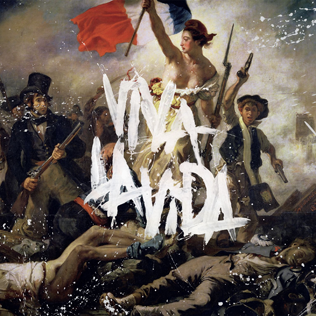
Coldplay 4: Viva La Vida

With the world at their disposal, Coldplay made the smart move with their fourth album, employing Brian Eno as full-fledged producer. Therefore, Viva La Vida Or Death And All His Friends is their Unforgettable Fire, wherein the band attempts to stretch their fans’ expectations with different soundscapes from those that filled their first three albums. (They even changed their font, breaking from the Albertus typeface familiar from The Prisoner.)

Viva La Vida flows like a true album, to be heard in sequence. Ten tracks are listed, but many of them have distinct or even unlisted sections, showing off the variety and keeping the tedium at a minimum. It’s immediately more satisfying than X&Y, and remains so.

Floating in on a soothing loop, “Life In Technicolor” is something of a rousing overture before the darker, mysterious “Cemeteries Of London”. A brief piano piece provides a bridge to “Lost!”, heavy on organ and handclaps but still catchy. In other words, typical Coldplay, but not a retread. “42” is three songs in one, none of which seem to illuminate any kind of Douglas Adams reference. A “Scientist”-like opening section threatens to turn into one of their “big” numbers until giving way to a treated guitar section à la Radiohead, which turns into a more straightforward tune, then reverting to a variation on the opening part. But the feeling stays up on the driving “Lovers In Japan”, which shares its track with the much quieter “Reign Of Love”, treated very much in the manner of Eno.

The most exhilarating moment of the album is unlisted, but “Chinese Sleep Chant” is three minutes of shoe-gazing splendor with muffled vocals that reminds one of Echo and the Bunnymen. Because it arrives at the four-minute mark of “Yes”, children of the digital age will be forced to (gasp!) rewind. Despite its melodic similarity to too many songs from the history of composition, “Viva La Vida” still inspires, its combination of tympani, strings and hammer-on-church-bell providing the big single the band needed to sell the album. “Violet Hill” fades in on a Blue Nile hum, before crashing through topical verses at odds with their “if you love me” tags. A moment of studio verité sets up the lilting “Strawberry Swing”, processed guitar loops dominating tribal drums. Finally, “Death And All His Friends” moves from a quiet piano meditation to a more typical arena rocker, and ending with a lengthy version of the loop that began the album, another hidden song called “The Escapist”.

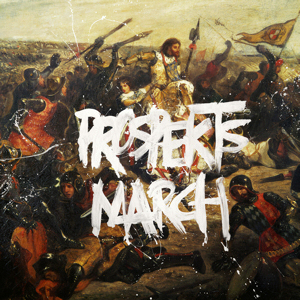
In true U2 style, there were leftovers, which were duly added to a re-release of the album by year’s end. However, in a nice gesture to those who didn’t want to buy the whole thing again, Prospekt's March was made available as a separate, attractively priced EP. More of a supplement than a side three, it underscores how wise they were to make Viva La Vida as compact as it is.
“Life In Technicolor II” appears with lyrics, including the omnipresent phrase “now my feet won’t touch the ground”, which is also the title of the EP’s acoustic closer. “Postcards From Far Away” is 45 seconds of piano (oddly not shoehorned within another track), giving way to the more mainstream “Glass Of Water” and “Rainy Day”, both redeemed by their choruses and tricky rhythms. Somewhat lost in all the energy is the title track, a pretty song tagged at the end with a piece called “Poppyfields”. Two of the tracks are retreads: “Lovers In Japan” is remixed without the “Reign Of Love” section, while “Lost+” answers the prayers of those who thought the album track needed a Jay-Z rap to make it truly exceptional. (For the rest of us, it’s a harbinger of doom. A solo piano version, dubbed “Lost?”, closed the iTunes version of Viva La Vida, and would have been welcome here.)

Coldplay Viva La Vida Or Death And All His Friends (2008)—4
Coldplay
Prospekt's March (2008)—3

Monday, June 9, 2014

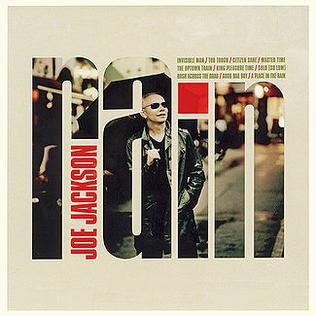
Joe Jackson 17: Rain

Now that it’s uncommon for artists to release an album a year, we simply don’t get to hear dispatches from the front as often. At least the upside is that veteran performers (the smarter ones, anyway) now put out new albums only when they’ve absolutely got something worth saying. And in the 21st century, Joe Jackson is one of those people.

He’s had his own gripes with the machinery over the years, as documented in his memoir A Cure For Gravity. Since his first album he’s gone through four labels and dabbled in a variety of genres throughout his career, some more successful than others. On Rain, easily his best album since the ‘80s, the only gimmick is keeping it simple: piano (lots of it), bass, drums and his own voice on ten strong songs.

Backed by the rhythm section of the original Joe Jackson Band, each track is straightforward with a multitude of hooks, starting with “Invisible Man”, something of a statement of purpose. Many of the other tracks have a timelessness to them, as if they could have been written at any other part of his career, following in order with “Too Tough”, “Citizen Sane” and the aching “Wasted Time”, another heartbroken classic with zero schmaltz. A nice tonic is “The Uptown Train”, which channels Ramsey Lewis’s “The In Crowd” (again) without directly plagiarizing.

“King Pleasure Time” is another jazz reference, but in name only; a terrific tempo drives this acerbic portrait. Any pomposity in the deceptively self-obsessed “Solo (So Low)”, a pseudo-classical piece with vocal, gets punctured by a few well-placed four-letter words. “Rush Across The Road” is near-perfect pop, complete with a bass solo replicating the chorus and even a fake ending. Snide commentary on the music business has to wait all the way until “Good Bad Boy”, an attitude going on for nearly six decades now. Finally, “Place In The Rain” recalls “Love At First Light” from Volume 4, and provides an odd appreciation for the album title, complete with ambient sound over the last minute.

Critics at the time compared the album to the original Night And Day, but a better precedent would be Summer In The City, recorded with a similar format. The occasional layered vocals on Rain show that it’s wasn’t captured completely live in the studio, but it may as well have been. If “intimate” isn’t the best word to describe this performance, let’s just say it’s direct, and was well worth the nearly five-year wait.

Joe Jackson Rain (2008)—4

Friday, January 31, 2014

Robyn Hitchcock 24: Shadow Cat

Robyn’s leftovers don’t necessarily guarantee buried treasure, You & Oblivion notwithstanding. Therefore fans have grown to be wary when such a collection surfaces. Shadow Cat lists its sources as being from the mid- to late ‘90s, which wasn’t his most fertile period, but luckily the gems overshadow the clunkers.

“For Debbie Reynolds” is a sketch along the lines of “Queen Elvis”, cut short by a ringing phone, and presumably left there. “Never Have To See You Again” is driven by electric chords, and punctuated by silly horns, this time in a good way. “Love Affair” shimmers like an orphan from I Often Dream Of Trains. Anybody who bought this would already be familiar with his rendition of “The Wind Cries Mary”; this demo adds an organ part for color. The exceedingly gentle “High On Yourself” is the highlight for any fans of Trains or Eye, with the priceless line “Let’s go shopping on painkillers”. “Because You’re Over” is a cappella with layered harmonies, but sent through a vocoder or something; as distracting as that is, at least it’s tuneful (which can’t be said about “Real Dot” four tracks later). “The Cat Walks Her Kind Of Line” is an intricate, descriptive instrumental.

Two songs had been available in slightly different forms already; “Statue With A Walkman” is a wonderful find, while a rough version of “The Green Boy” doesn’t grate too much. “Nothing But Time” is intricately picked and mixed with just the right amount of echo, so that even the sillier lines fade into the ether. He’s already written plenty of songs with the word in the title, and “Beautiful Shock” gets a boost from its suggested and literal “electricity”. “Baby-Doll” is mysterious and romantic, but the title track gets to close the program, something of a relative of “Trilobite”.

Shadow Cat didn’t get the widest distribution, even from his latest label. That’s too bad, because it’s one of the better ones from a lengthening period that doesn’t always have high points. Definitely recommended to those inclined.

Robyn Hitchcock Shadow Cat (2008)—

Monday, October 14, 2013

Robyn Hitchcock 23: Bad Case Of History

The second retrospective Robyn box from Yep Roc was devoted to his mid-‘80s work with the Egyptians, from before their stint on A&M (now only available illegally or on eBay). Luminous Groove presented Fegmania!, Gotta Let This Hen Out! and Element Of Light! (okay, we added the exclamation point to that one) rijigged for the third time, with the usual suspect bonus tracks and positively hideous photos. But that wasn’t all.

This time, the carrot was another two-CD set of rarities, all featuring the Egyptians, most of which had never, ever been heard before. Bad Case Of History is split between studio and live tracks, providing a wealth of new music for fans hoarding their muddy dubs. The studio half is especially intriguing, as it presents a half hour’s worth of music that could have gone onto Globe Of Frogs or Queen Elvis, including the “title track”, a full band version of “Agony Of Pleasure” and the live favorite “Evil Guy”. Much of the balance comes from after Respect, providing a glimpse into the last sessions before the band stopped, including such future solo cuts as “I Am Not Me”, “Beautiful Queen” and “Zipper In My Spine”, rounded out by the holy grail among Hitchcock heads, “Surfer Ghost”.

The live disc is equally wonderful, again compiled from the A&M years, showing what a trio perfectly in sync could accomplish given the space to try it out. Along with a pile of songs from that limbo period, there are covers of “Eight Miles High” and “Chimes Of Freedom”, plus an otherwise unavailable song called “The Living Years” one place in the packaging and “The Live-In Years” elsewhere. (Either way, it’s not the Mike + The Mechanics song.)

While it does mess with the chronology somewhat, and forces completists to hold onto their Rhino reissues, Luminous Groove does deliver a wealth of new music for those of us who consider the Egyptians to be his best band—certainly inventive, and whimsically patient, at least on the surface. And it was already a long time ago.

Robyn Hitchcock & The Egyptians Luminous Groove (2008)—4

Sunday, October 14, 2012

R.E.M. 18: Accelerate

It actually happened—for the first time since the start of the creative decline that coincided with Michael Stipe shaving his head, R.E.M. produced an album that encouraged repeat listens. Accelerate sounds like them again, rocking like Lifes Rich Pageant and the better parts of Green—and nothing like the muddy glam of Monster. This was the R.E.M. we’d been waiting for since that misfire, still clogging the used bins nationwide.

Having decided shorter is better, the band keeps it simple here, with eleven songs coming in at under 35 minutes. These songs don’t meander, and barely give you time to catch your breath before the next one kicks in. “Living Well Is The Best Revenge” fires out of the speakers, Stipe sounding good and pissed off—at haters, perhaps? “Man-Sized Wreath” is especially reminiscent of Pageant with its guitar attack, “Taxman” bass and drums that actually sound like the much-missed Bill Berry. “Supernatural Superserious” was an iffy choice for a lead single, but it comes off more solid when heard within the sequence. Guitars drive these songs, as opposed to the keyboards from the last few albums. Although “Hollow Man” starts with piano and threatens to slow things down, it soon accelerates (sorry) smoothly to an urgent rocker, like Pearl Jam filtered through R.E.M., of all things. “Houston” has what sounds like a distorted organ, but it’s mostly an effect used on a song likely about the aftermath of Hurricane Katrina. The title track begins with one of those great atonal Peter Buck riffs, before turning into an urgent rocker akin to ‘90s Rush (and that’s meant in a good way).

“Until The Day Is Done” rivals their best acoustic moments, and delivers their meditative side much more effectively than anything on their last three albums. Most of the words on the album are jumbled, which is good, since close listens haven’t always proved to be rewarding. Stipe does sprinkle political statements throughout the tracks, and it’s tough to listen to “Mr. Richards” without thinking of Cosmo Kramer. “Sing For The Submarine” could have used a little more ambiguity too. But overall it’s about feel, with the top speed of “Horse To Water”, ending with the Blur-like “woo-hoo” interjections on “I’m Gonna DJ”—a song previewed on the previous year’s live album, and luckily overcomes any potential of being this album’s “Shiny Happy People” or “Stand”.

The original version of this review ended thusly: “Time will tell if this album has staying power, but for now, it’s great to have them back.” We stand by that statement. Accelerate is an excellent return to form, and their best effort since Automatic For The People. So there.

R.E.M. Accelerate (2008)—

Friday, April 20, 2012

David Bowie 34: iSelect, Santa Monica, Storytellers

While he’d shown up here and there on stage and screen, the first decade of the 21st century had turned quiet for David Bowie. Still, a few new collections of older material kept him on the shelves while we waited for something new.

With its retro photo and Changesonebowie typeface, iSelect was sure to draw attention, even after it was given away with a Sunday paper in the U.K. This was a handpicked compilation of his own favorites, mostly from the ‘70s and generally deep cuts, complete with his own commentary on the inspiration and/or recording for each in the liner notes. He’s not above self-deprecation, and is also careful to praise several of the musicians who contributed, including Mick Ronson and Mike Garson.

Any collection taken from such a wide source is guaranteed not to please everyone, but we find it hard to fault a mix tape that begins with “Life On Mars?” and “The Bewlay Brothers” from Hunky Dory with the “Sweet Thing/Candidate” suite in between. As for rarities, “Some Are” was included from the out-of-print Rykodisc version of Low, while “Time Will Crawl” was upgraded with real drums and strings replacing the machines on the original. The radio introduction and “Hang On To Yourself” from Santa Monica in 1972 cap the set.

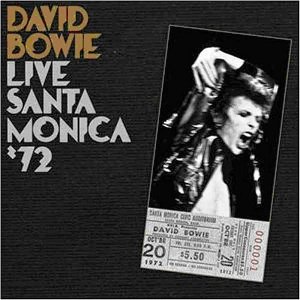
That particular recording had been a legendary bootleg for years, and got wider distribution in the mid-‘90s via a label set up by Bowie’s old management, to the artist’s irritation. An official Bowie-approved release, with improved sound and packaging, was something of a surprise in 2008 after such a stretch of time. It’s an essential snapshot of the era; the band was only ten shows into the American tour, and they’re still working on their swagger. Terrific performances of “The Supermen”, “Life On Mars?”, “Waiting For The Man”, and a preview of “The Jean Genie” are just some of the highlights, and Bowie’s brief but affectionate liner notes praise Ronson and Garson again.

Such candor wasn’t exactly rare for Bowie when the mood struck him. He was particularly effusive for his appearance on VH1 Storytellers as part of the advance promotion of ‘hours…’ Along with anecdotes (and occasional imitations) of Iggy Pop, Marc Bolan, and Steve Marriott, he delivered two songs from the album, plus low-key renditions of a few deep cuts and a few familiar ones. “China Girl” got a lovely introduction courtesy of Mike Garson, and a revved-up remake of his oldie “Can’t Help Thinking About Me” would lead to a shelved album of similar remakes. (When made available for purchase ten years later, the CD merely replicated the original broadcast, but it was packaged with a DVD that added four further songs, which have since become available via streaming and a vinyl release. These included two more new songs, plus his recent deconstruction of “I Can’t Read” and a striking “Always Crashing In The Same Car”.)

David Bowie iSelect (2008)—
David Bowie
Live Santa Monica ’72 (2008)—
David Bowie
VH1 Storytellers (2009)—3

Monday, March 5, 2012

Rolling Stones 44: Shine A Light

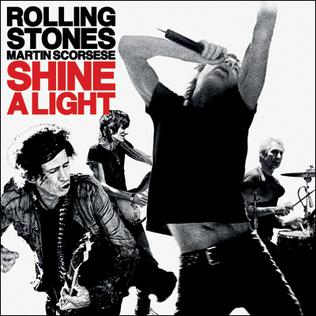
Having had fun with his recent Bob Dylan project, Martin Scorsese decided to reclaim his throne as king of the rockumentary with a Stones concert. And as long as there was a movie, why not issue a soundtrack? After all, it had been only four years since the last Stones live album.

We haven’t decided if the credit for “digital editing” refers to any post-dubbing, and it’s also not clear why Bob Clearmountain needed to mix the album at two different studios. But Shine A Light gets a slight edge over their previous five live albums in that the Beacon Theater setting is more intimate than any stadium, and the energy is more apparent. The horn section and vocalists don’t get in the way, and Darryl Jones’ bass manages to be heard. Charlie crackles as ever, even trying to add some life to “As Tears Go By”. Mick uses the f-word a lot, and has fun with “Faraway Eyes”. The biggest cheers are saved for Keith’s harmonizing. He sings three songs on his own, and even engages the crowd with conversation and a mention of the X-pensive Winos, which must have thrilled Mick no end. Unfortunately, whoever’s in charge decided that the greatest rock ‘n roll band in the world shouldn’t be left to stand on their own, so the album is graced by the presence of three so-called special guests: Buddy Guy, which makes sense; Jack White, which is a stretch; and Christina Aguilera, which is a crime to humanity.

Despite the performances of over half the songs from A Bigger Bang on their current tour, the newest songs on Shine A Light were first released in 1983. And to their credit, only four songs are repeated from Live Licks (a strategy Paul McCartney should consider for his next live album). There’s a single-disc version, but what fan’s gonna settle for that?

Rolling Stones Shine A Light (2008)—3