Showing posts with label 1990. Show all posts

Tuesday, June 16, 2026

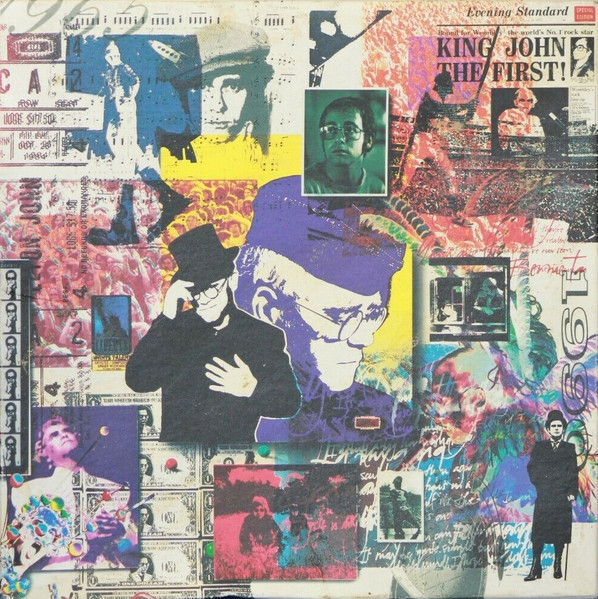
Elton John 30: To Be Continued

Having finally achieved sobriety, Elton John was determined to start the ‘90s strong. And since it was becoming the trend for artists of his stature, he got the box set treatment. To Be Continued… not only summed up his career to date on four CDs or cassettes, but precluded him from having to record another album to keep his annual chart appearances going. (The somewhat garish booklet was loaded with photos, an essay, and a joint interview with Elton and Bernie Taupin. Track info was very detailed as to who played what, even providing exact recording dates when available.)

At the time, the box was essential for offering up several songs—mostly B-sides—that would eventually be farmed out as bonus tracks when the individual albums were reissued, and are discussed there. That said, it still tells a full story, starting with “Come Back Baby”, a mildly melodramatic number sung by an 18-year-old Reg Dwight with the Bluesology combo. From there it’s a pretty comprehensive survey of the next 25 years, at roughly eight years per disc, except for the second, which covers 1972 to 1974. Oddly, Tumbleweed Connection is given short shrift; we would have picked “Amoreena” or “Where To Now St. Peter” over “All The Girls Love Alice”. Among the standouts in the rare stuff is a demo of “Your Song” that shows the song practically fully formed. “Step Into Christmas” gains a spot in context, and the run of “One Day At A Time” through “Lucy In The Sky With Diamonds” to the live “I Saw Her Standing There” gives John Lennon a spotlight. (“Empty Garden” also appears later in the set, as does an hideous “cover” of “Give Peace A Chance” with silly voices sung over part of the track for “I Don’t Wanna Go On With You Like That”.) An excellent “I Feel Like A Bullet (In The Gun Of Robert Ford)” comes from a series of concerts with only Ray Cooper accompanying him on percussion. The brief “Cartier” is basically an advertising jingle, while “Donner Pour Donner” is a bilingual collaboration with French singer France Gall. “Carla Etude” is an outtake from Live In Australia, and some of the later songs appear in single or dance mixes.

To further entice collectors, To Be Continued… ends with four newly recorded songs, produced by Don Was. “I Swear I Heard the Night Talking” and “Easier To Walk Away” are fairly generic, but “Made For Me” is just plain embarrassing, musically and lyrically (“If I couldn’t see you naked/Oh, I might as well be blind”?) “You Gotta Love Someone” is a better use of Bernie’s list-writing technique, but only slightly. If these songs were supposed to be the springboard for a full album, it’s best that he pulled the plug. To be fair, it’s not the only box set in history that runs out of steam on the last disc.

Elton John To Be Continued… (1990)—

Friday, July 4, 2025

Jane’s Addiction 3: Ritual de lo Habitual

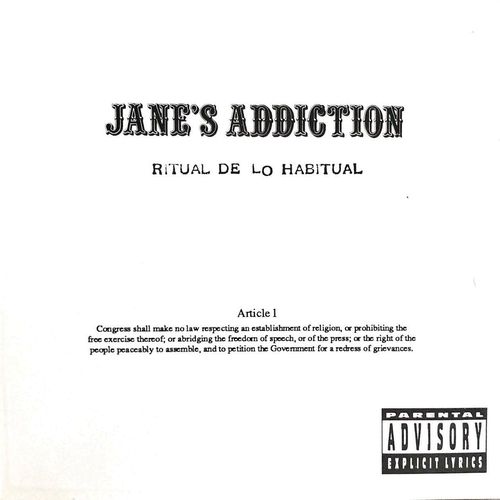
Coming off the heels of their major-label debut, and with a nutty outspoken frontman out there, the pump was primed for Jane’s Addiction next album. Ritual de lo Habitual was provocative out of the gate, starting with the cover art. Once again a sculpture designed by Perry Farrell and his partner, it depicted, well, a threesome, complete with pubic hair. (To make the album available in stores that wouldn’t stock that cover, a more stark version with the misattributed First Amendment to the U.S. Constitution was prepared.) The music is full of the Jane’s trademarks we’d expect, but in a wider spectrum that inspires positive comparison to Led Zeppelin’s more epic mid-‘70s work.

A spoken piece in Spanish introduces the band, and “Stop!” crashes through the gate with everyone firing on all cylinders. For the second album in a row Perry opens with a hearty “here we go”; the half-time bridge is very effective, as is the a cappella break. They don’t let up on “No One’s Leaving”, a slice of funk that soon turns to an all-out assault, except for when it pauses after each verse. Following a mildly atmospheric interlude underscoring defiance, “Ain’t No Right” drives the tempo back to full more of the same. “Obvious” fades in, with an incessant piano under the groove, deftly riding the wave through the bursts of accents between the dense vocals and wailing guitars. It all coasts to a close after six mesmerizing minutes, then it’s the audio-veritĂ© and barking dog opening the goofy “Been Caught Stealing”, helped along by its equally goofy video.

In an excellent demonstration of how to program albums as distinct sides, the second half is practically an entity to itself. The half-hour opens with “Three Days”, which basically fills in the details around the snapshot of the cover. One of the participants was no longer with us when the album came out, having died of an overdose and the album dedicated to her, but the fact she was likely a minor when she knew Perry likely added to his excitement. The recited prose in two speakers doesn’t help, but it’s much more interesting to hear what the band does with the music dynamically. “Then She Did…” is on a similar theme of remembrance, winding its way through trippy riffing and complementary drums for several minutes to establish a groove, with a few Big Moments, punctuated by strings and cymbals. The last such Big Moment concludes with a verse that illuminates Perry’s raison d’ĂȘtre: his mother’s suicide. The childhood reflection continues on “Of Course”, a gypsy stomp dominated by the Klezmer-style violin of Charlie Bisharat, recently of Shadowfax and shortly to accompany both Yanni and John Tesh. It’s a little too long—not unlike slapping yourself in the face—but the shimmering “Classic Girl” is a simple love song that ends the journey in tranquility and acceptance. He even wishes us a good night at the end.

Along with Nothing’s Shocking, Ritual de lo Habitual made the ideal side B on the Maxell tape that was their oeuvre (though you needed a 100-minute cassette to fit it all). And that would be it for a while, as the band, already fractured between the sober members and Perry’s dominance, disbanded at the close of the lengthy tour promoting the album, which included the first Lollapalooza Festival as part of its North American leg.

Jane’s Addiction Ritual de lo Habitual (1990)—4

Friday, December 27, 2024

Grateful Dead 21: Without A Net

Modern technology caught up with the scope of the Grateful Dead at the height of their popularity, and their most recent tours provided plenty of content for Without A Net. Besides being the first of their live albums to go gold—being a double-CD, double-cassette, or triple-LP helped—it also served as a tribute to Brent Mydland, who had become the third of the band’s keyboard players to die, not two months before the album came out.

Because it was sequenced with the extended playing time of CDs in mind, most tracks stretch as easily as they would have on stage. With songs being allowed to last seven and, in some cases, over eleven minutes, the overall effect is of a laid-back, natural show, albeit edited seamlessly between almost as many shows as there were tracks. (Indeed, many of the original shows would be released in their entirety in the decades to come, as demonstrated below.)

In addition to the Dead in their element playing, if not necessarily hits, crowd favorites, there were a few tunes that hadn’t been on albums before, even if they were likely throughout collectors’ tapes. Robert Johnson’s “Walkin’ Blues” had been a relatively recent addition to their repertoire, after Bob Weir had done it on a solo acoustic tour with Rob Wasserman. “Looks Like Rain” had been a Dead staple since first appearing on Ace; “I Know You Rider” had been in their sets from the beginning, and often followed “China Cat Sunflower”, as it does here. A lengthy “Eyes Of The World” features Branford Marsalis on saxophone, a welcome difference from the some of the now-dated synthesizer sounds and MIDI effects elsewhere. “Victim Or The Crime” is more effective here than on Built To Last, and the “Franklin’s Tower” suite runs nineteen minutes before a crowd-pleasing “One More Saturday Night”. “Dear Mr. Fantasy” isn’t much to get excited about, except to showcase Brent; curiously, it fades before whatever it segued into originally. Throughout the over two hours of music, everything is mixed evenly and clearly.

Since the idea was to present an up-to-date representation of where the Dead had arrived at the end of the decade, Without A Net was successful, musically as well as commercially. And while it was good to incorporate longer songs, missing from the experience were the improvisational moments common to many shows, usually denoted as “Drums” and “Space” on most tapers’ cassette inserts. The band addressed this directly a year later with Infrared Roses, an hour-long collage consisting of four suites of three tracks each, selected and mixed by their sound guy and titled by Robert Hunter.

The program opens with “Crowd Sculpture”, putting the listener in the middle of the parking lot before a show. From there we’re plunged amid the drums, and jamming commences. Branford Marsalis appears again on “Apollo At The Ritz”, while “Silver Apples Of The Moon” is a duet between new official keyboardist Vince Welnick and common fixture Bruce Hornsby. It’s certainly for the initiated, even though the novice should recognize “Uncle John’s Band” at the start of the second suite, but as aural sculptures go, you could do worse. (Of course, this had nothing on 1994’s Grayfolded, a commissioned project that saw fragments of 25 years’ worth of live performances of “Dark Star” melded and overlaid over the course of 109 minutes on two CDs.)

Grateful Dead Without A Net (1990)—3
Grateful Dead
Infrared Roses (1991)—3
     Archival releases of same vintage:
     • Dozin’ At The Knick (1996)
     • Terrapin Station (Limited Edition) (1997)
     • Nightfall Of Diamonds (2001)
     • Formerly The Warlocks (2010)
     • Spring 1990 (2012)
     • Spring 1990: So Glad You Made It (2012)
     • Spring 1990: The Other One (2014)
     • Wake Up To Find Out (2014)
     • 30 Trips Around The Sun: The Definitive Live Story 1965-1995 (2015)
     • Enjoying The Ride (2025)

Tuesday, July 16, 2024

Jellyfish 1: Bellybutton

Nostalgia for the Summer of Love was barely over when kids too young to remember it started forming bands and making albums. These people came of age at a time when their biggest musical influences were the Partridge Family and the Banana Splits, and embraced as much day-glo plaid and corduroy they could find at thrift shops. For a couple years at the start of the ‘90s this scene was dominated by Jellyfish, four photogenic guys who probably wished they could’ve tried out for 1987’s New Monkees failure of a TV show. They could easily have been found guilty of completely ripping off Redd Kross if more people knew that band, and if their own music wasn’t so good.

Most of the music came from the collaboration of Andy Sturmer, standing drummer and lead vocalist with cheekbones, and Roger Manning, who mostly stuck to electric pianos onstage and shrugged his dreadlocks out of the way. Guitarist Jason Falkner played some of the bass on the band’s Bellybutton debut; the rest was handled by jazz boy John Patitucci or Steve MacDonald of the aforementioned Redd Kross. Once they started touring, Roger’s brother Chris took the bass gig in true Johnny Bravo fashion. All four went on the promo trail, and were interviewed wearing floppy hats while blowing soap bubbles and licking giant carnival lollipops.

Their image was a shoebox out of which the album spilled. After a MacGuffin of a churchy organ, the dark tale in “The Man I Used To Be” shuffles in all angry and tense. This is not power pop by the numbers, and neither is the harmonica solo from the guy who played on the Sanford And Son and Rockford Files themes—as well as “Good Vibrations”—but maybe that’s why they chose him. The hook-laden “That Is Why” is similarly edgy, but breaks free during the choruses for a better pop song. “The King Is Half-Undressed” is where most people would have heard them first, via a striking video that depicted the band members among pinwheels, hula hoops, and bubble gum, when objects weren’t flying in or out of the top of a magician’s hat. Even without that, the tune kicks, with lots of little touches, even if it does meander in the middle. “I Wanna Stay Home” veers on adult contemporary, but it still fits with everything else here. Footsteps lead into a room where a sumptuous piano ballad is getting support from a Hammond organ for a track we’d love to hear the rest of someday. Instead, it shifts abruptly to the swampy suburban horror of “She Still Loves Him”, wherein Jason gets to stretch. (His touches are terrific throughout the album.)

A lot of these songs were certainly made with the intention of sounding great on a stereo, but things heat up on side two. The frenetic “All I Want Is Everything” was made for the stage, complete with big crashing ending. It’s a fine Cheap Trick-style rocker, despite the keyboard trumpet lines. It segues quickly into the Beatlesque “Now She Knows She’s Wrong” (via harpsichord, bass, harmonies, and firebell right out of “Penny Lane”, but the resemblance stops there), which is also short enough to be a hit single but wasn’t. “Bedspring Kiss” is the furthest departure, incorporating bossa nova beats and strings, a Coral sitar, that harmonica again, and a cocktail interlude for five long minutes. Besides being super-catchy, “Baby’s Coming Back” is also notable for its video, wherein the boys briefly got to be their own Saturday morning cartoon. And if you still don’t hear the Partridge Family influence, check out the harpsichord tag over the coda. “Calling Sarah” pulls in lots of influences, particularly the Beach Boys and the Zombies in the choruses, for a strong finale. They display some wonderful detours and dynamics here, and just when it starts getting good, the album ends.

Bellybutton remains a unique grab-bag of toe-tapping pop-rock. In addition to the songwriting, much credit should go to co-producers Albhy Galuten, who’d gotten gold records with the Bee Gees, and Jack Joseph Puig, who would get lots of work throughout the ‘90s and beyond. And despite its obvious retro touches, it doesn’t sound dated. For the most part. (We’ve stated how visual image was a big part of their brand. The album’s cover built on a landscape most recently used by Prince, while the longbox—remember those?—went for a more literal approach. This last touch was not carried over when the album was expanded some 25 years later by adding live recordings plus a second disc full of fully fleshed-out demos.)

Jellyfish Bellybutton (1990)—
2015 Omnivore reissue: same as 1990, plus 26 extra tracks

Tuesday, November 30, 2021

Roxy Music 10: The High Road

Roxy Music’s tour supporting Avalon was commemorated two ways: a videocassette chronicling a show in France, and a four-song EP (or mini-album, as they called them in the U.S. in the early ‘80s) recorded live in Glasgow, both titled The High Road. The timing was smart, as they coincided with the American leg of the tour.

Rather than rehash stuff from the hit album, the EP selections included “Can’t Let Go” from Bryan Ferry’s most recent solo album, a decent version of “My Only Love” from Flesh + Blood that leaves plenty of room for Phil Manzanera to shred and Andy Mackay to wail, and two “new” covers. John Lennon’s “Jealous Guy” had been in their set as a tribute since his murder two years before, while the band—mostly the backup singers—sucks all the tension and passion out of Neil Young’s “Like A Hurricane” in a version that’s even longer than the original.

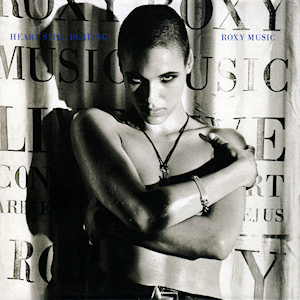
That was the last anybody heard of Roxy Music as an entity for seven years, when Heart Still Beating was released with a minimum of fanfare. While the liner notes state that it was recorded in France in 1982, experts have reported that it does indeed include the four tracks from The High Road throughout the sequence, which also does not emulate an actual setlist, nor replicate a complete show, running only 67 minutes.

Yeah, but what about the music? The focus is on recent hits, so there’s a smattering from Avalon, plus a welcome “Dance Away”. The first wave of the band is represented by “Out Of The Blue”, “A Song For Europe”, “Both Ends Burning”, “Love Is The Drug”, and a not-very-decadent “Editions Of You”. Bryan even steps aside for Phil to lead a frenzied take on his solo track “Impossible Guitar”, which the band tackles gamely.

Even with its omissions, Heart Still Beating is a nicer souvenir of the second Roxy era than the mini-LP was. And it caps the trajectory just as Viva! did for the first period of the band.

Roxy Music The High Road (1983)—
Roxy Music
Heart Still Beating (1990)—3

Friday, March 5, 2021

Neil Young 62: Way Down In The Rust Bucket

The return of Crazy Horse for 1990’s Ragged Glory album rode a wave of critical acclaim that spilled over into the subsequent Smell The Horse tour the following winter and spring. While the staging was in line with the big amps and giant mike stands of previous tours, the tone was colored by Operation Desert Storm, and the setlists stayed pretty basic, as captured on the Weld album and video.

It didn’t start out that way. As he had on other occasions, Neil followed up the album sessions by bringing Crazy Horse into a nearby club to whip the tunes into shape. These were smaller affairs than the usual arena shows, with tickets sold quickly and quietly to the lucky few who managed to pounce on time. Being Neil, the shows were filmed and recorded for his own reference; songs from other such visits came out officially in the ‘90s, on the Broken Arrow and Year Of The Horse albums.

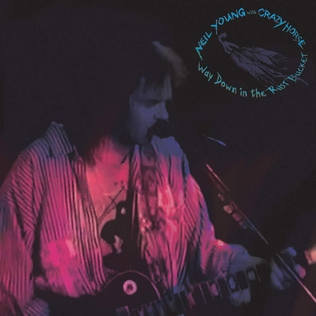
The two-and-a-half-hour set played on November 13 that year, as captured on Way Down In The Rust Bucket, covered most of Ragged Glory, which had already been out for two months, but also touched on other songs from the previous two decades. Along with the usual Horse staples, like “Cinnamon Girl” and “Like A Hurricane”, the boys plowed through lesser-known nuggets, like “Surfer Joe And Moe The Sleaze” and “Bite The Bullet”. They even played “Danger Bird” for the first time ever in public, and the second-ever live performance of “T-Bone”. The band sounds great; Neil has trouble with some of the high notes on “Days That Used To Be”, and we don’t expect velvet harmonies from the other guys anyway.

The focus throughout Way Down In The Rust Bucket is the music. Very little of the between-song chatter is included, and every track fades to silence after the song is finished, with a minimum of crowd ambience. (The video portion, simultaneously released on DVD, included all the chatter, tuning, and false starts, as well as the night’s performance of “Cowgirl In The Sand”, which apparently had audio issues.)

Of the many projects teased from Neil Young Archives throughout 2020, this was a welcome installment in the growing catalog. Hard to believe, listening over 30 years later, these guys were considered “old” then.

Neil Young With Crazy Horse Way Down In The Rust Bucket (2021)—

Friday, January 10, 2020

Prince 12: Graffiti Bridge

Having had success with the Batman album, Prince used his regained clout to bank another film, which he’d once again write and direct all by himself. Anyone who enjoyed Purple Rain onscreen would be rightfully curious as well as nervous about a sequel, and unfortunately, Graffiti Bridge did not make anybody happy.

The film sets up another battle of wits, wills, and music between the Revolution-less Kid and Morris Day, who not only still has the Time under his thumb, but the band regained Jimmy Jam and Terry Lewis, who in the real world had been bounced a few years earlier for daring to express their own ideas, only to find multimillion-dollar success producing Janet Jackson and that really hideous song by the Human League. The movie has little of the grit or charm of its predecessor; plus, being filmed inside the Paisley Park complex, it looks like it takes place entirely indoors.

This time, however, the companion album included songs by the other performers in the film—all signed to the Paisley Park record label, natch—making it more of a soundtrack. We get several songs from the Time, including a pale Xerox of “The Bird” and even “Oak Tree”, Morris’s own pale Xerox from his stillborn solo career. (For even more posturing, the Time had a full album of their own available at the same time. Pandemonium, for a change, was not entirely the work of Prince, and features a fun single in the form of “Jerk Out” and a head-scratcher called “Donald Trump (Black Version)”.) The legendary Mavis Staples sings “Melody Cool”, her character’s theme song, George Clinton helps out (kinda) with “We Can Funk” (developed from a 1984 jam with the Revolution under the more explicit title), and young protĂ©gĂ© Tevin Campbell actually had a hit with “Round And Round”, now best known for a vocal hook sampled on the opening credits for several seasons of Top Chef.

Prince’s own songs are very mixed bag. Most came from ideas that had been percolating as far back as before 1999, and sound disjointed in the context. A foreboding spoken intro notwithstanding, “Can’t Stop This Feeling I Got” tries to get the party going, and “New Power Generation” would become more important in a couple years when he started calling his band that. “The Question Of U” is right out of left field; turns out it’s from the Parade era, and that’s probably why we like it. “Elephants & Flowers” is fairly catchy, even if the lyrics make no sense, while “Joy In Repetition” brings back the weirdness. (Surprise! It originated in that murky era when Sign "☮" The Times was a triple album under another title.) “Tick, Tick, Bang” is an annoying, noisy, sample-heavy track not as strong as the Time track that follows it, but “Thieves In The Temple”, Prince’s only hit from the album, still sounds promising. “Still Would Stand All Time” is a simmering ballad that works despite its lushness and overemoting, unlike the title track, which tries to be an anthem and misses wide right. Had he forgotten he’d sung about “The Ladder” five years before? “New Power Generation (Pt. II)” provides a nice reprise for the credits rolling in our heads.

Besides being way too long, Music From Graffiti Bridge is frustrating, and basically another step back. In the real world, rap and new jack swing were taking over. Working in a vacuum wasn’t doing him any favors, and while that’s how he put together much of his greatest stuff to begin with, at least Purple Rain exuded a gang mentality that had you rooting for him. This time around, the Morris character’s accusations that nobody understands his music get a grudging nod. All that said, the Prince songs on their own, outside of any cinematic context, are worth the trip.

Prince Music From Graffiti Bridge (1990)—3

Tuesday, October 15, 2019

Rush 17: Chronicles

Smart labels anthologize the ones who got away, particularly when the ones have continued to thrive elsewhere. While Rush had jumped to Atlantic, Mercury knew that their catalog would continue to sell, particularly in the CD era. Hence, Chronicles neatly summarized the band’s history from start to now, on two discs, democratically sampling each one of their albums; the exception was three songs from Moving Pictures, not two.

In addition to providing an excellent overview that documented the taming of Geddy Lee’s vocal cords, the big draw for fans was the inclusion of the songs that had been left off the original CDs of All The World’s A Stage and Exit… Stage Left. “What You’re Doing” and “A Passage To Bangkok” each appear in sequence to ensure that every album was represented. Moreover, “Mystic Rhythms” was included from A Show Of Hands, and “Show Don’t Tell” provides true closure.

The modes of the times dictated that a double CD was packaged in a clamshell case about an inch thick, but Chronicles was worthy of taking up space on a shelf, and seemingly would always. It stayed in print even after the catalog was remastered in 1997, whereupon Mercury took to anthologizing them again, and not for the last time. Retrospective I: 1974-1980 and Retrospective II: 1981-1987 each repeated ten tracks from either disc of Chronicles and made some very bold additions (“By-Tor”? “The Body Electric”?) while jumbling the chronology and adding zero rarities. (Both volumes were combined into a single slimline package for 2006’s Gold, which reinstated “Working Man” to the dais at the expense of “Something For Nothing”.)

Then in 2003, likely to cash in on the band’s return from hiatus, The Spirit Of Radio was a single disc purporting to present the band’s “greatest hits”, despite the fact that only one of their singles had ever cracked the Billboard Top 40. That said, it again stuck to the timeline and hit all the highlights, with the possible exception of “Force Ten”. (True completists would also want to make room for the two Rush entries in Universal’s head-scratching ICON series. The first was a glorified mix tape that mixed familiar tracks with deep cuts; this was repeated a year later in a second version, along with a disc that sampled all their Mercury live albums.)

Rush Chronicles (1990)—4
Rush
Retrospective I: 1974-1980 (1997)—
Rush
Retrospective II: 1981-1987 (1997)—
Rush
The Spirit Of Radio: Greatest Hits 1974-1987 (2003)—4

Tuesday, July 9, 2019

Peter Gabriel 8: Shaking The Tree

More to keep him in the marketplace than anything else, a Peter Gabriel “greatest hits” album snuck out at the end of 1990. While it was probably mostly the label’s doing, he certainly gave his input, even going so far as to refuse to package it inside the cardboard longbox that was standard in the US at the time. Shaking The Tree became a perennial seller, providing true hits alongside some other curios. (Those who bought the vinyl were shorted four songs, in case you were curious.)

Despite beginning with “Solsbury Hill”, the chronology goes all over the map through the rest of his solo work. Collectors would be slightly interested in the various edits and remixes that were utilized to keep the program at capacity, affecting various selections from the third album, Security and So. Even “Zaar”, from Passion and hardly a big radio request, fits in the flow.

More interesting was the new piano-and-vocal performance of “Here Comes The Flood” that scrapes away all the bombast of the album version to the bare bones, and nicely sets up “Red Rain”. The big draw was the title track, which was actually a remix (with new vocals) of a song from the previous year’s Youssou N’Dour album, which Peter had produced.

It’s a good sampler, though oddly enough, the one track Shaking The Tree doesn’t have, to worldwide confusion, is “In Your Eyes”, so soon after its exposure in the movie Say Anything. Surely that would have been a better choice than “Mercy Street”? People who really wanted it could just buy So, of course. Or, they could wait until 2003 and pick it up on the double-disc Hit anthology, which sported a few other edits, a couple of soundtrack rarities and songs from the two albums he’d completed in the interim, a different second disc depending on whether you were in the US, UK, or Germany, but no “Shaking The Tree”. (As long as we’re getting ahead of ourselves, Atlantic took the opportunity to cash in with Revisited, a fairly crass repackaging of songs from his first two solo albums, timed to coincide with his next solo album.)

Peter Gabriel Shaking The Tree: Sixteen Golden Greats (1990)—4
Peter Gabriel
Revisited (1992)—3
Peter Gabriel
Hit (2003)—3

Friday, March 22, 2019

Paul Simon 11: The Rhythm Of The Saints

After Graceland had paid off so handsomely, the world wondered what Paul Simon could possibly do to better it, much less equal it. While he didn’t go back to the South African well, The Rhythm Of The Saints did explore third-world rhythms and sounds, predominantly from Brazil, to inspire his words, with varying results.

“The Obvious Child” is based around Brazilian parade drums, but could easily stand on its own without all that. If anything, the drums mask the similarity in the first verse to his delivery in “You Can Call Me Al”. A snaky melody with subtle percussion underpins “Can’t Run But”, which manages to be hypnotic considering he limits his own vocals to about three notes. “The Coast” has a nice loping rhythm along the lines of “Diamonds On The Soles Of Her Shoes”, and even gives co-writing credit to guitarist Vincent Nguini. Similarly we hear echoes of “Under African Skies” in “Proof” with horn parts that would be mimicked by Chevy Chase and Steve Martin in a video that didn’t help to sell the album any. The most haunting track is “Further To Fly”, with its complicated masked meter and lyrics that seem to address the search for love as well as a fear of aging and death.

The aftermath of the search is explored in “She Moves On”, which now sounds very similar to a Talking Heads rhythm from around the same time. “Born At The Right Time” stays in the same tempo but presents a more upbeat tale, complete with a singalong chorus and a hint of accordion. “The Cool, Cool River” is an ambitious track, starting with a complicated rhythm and almost forboding melody, stopping off at slightly dreamier interludes, and best of all, a few decisive horn blasts for the final run. Milton Nascimento co-wrote “Spirit Voices” and adds some of his own, but by now the basic tempo has become generic, Simon’s phrasing almost arbitrary, just as the title track mostly dribbles to a fade.

The Rhythm Of The Saints wasn’t a hit on the Graceland level—how could it be?—but people liked it and bought it. It also hasn’t had the legs its predecessor had, as the weaknesses only become more pronounced as the decades roll by. Throughout the album, he sings in a gentle tone, which is fine, but with few exceptions doesn’t help each of the songs stand out from each other.

According to Wikipedia, citing a magazine article we’ve yet to find or confirm, the album had an different sequence before the label insisted on opening with “The Obvious Child”, rather than having it at the top of side two (despite that being where “You Can Call Me Al” happened to sit). The original sequence basically flips the sides, but doesn’t present any more dynamic an effect. (The expanded CD helps widen the picture, with a very nice acoustic demo of “Born At The Right Time” and “Thelma”, a great pop song left out in the first place, likely because it’s so direct compared to the other lyrics.)

Paul Simon The Rhythm Of The Saints (1990)—3
2004 CD reissue: same as 1983, plus 4 extra tracks

Friday, February 16, 2018

Byrds 14: Box Sets

Towards the end of the ‘80s, with the likes of Tom Petty and R.E.M. reviving interest in the Rickenbacker, the Byrds began to attract attention from a younger generation. Just in time for their induction in the Rock and Roll Hall of Fame, as well as a new Roger McGuinn solo album, and following successful lawsuits in favor of the band members not named Clark or Clarke came a four-disc box set covering the band’s tenure on Columbia.

Simply titled The Byrds, albeit with individually titled discs, the set begins with (naturally) “Mr. Tambourine Man” and moves all the way through Farther Along. Because the existing CD reissues of the albums were a little spotty, the sound was greatly enhanced, with many of the early songs presented in wide stereo and with extended endings, some of which had been revealed on the independent Never Before compilation from a few years before. That set also boasted some previously unreleased tracks, and many of them (such as “The Day Walk”, “She Has A Way”, and “Psychodrama City”) were included in the box in context.

As with most sets of its type, the earlier material vastly outweighs the later material, with the first five albums covered on the first two discs. A live radio take of “Roll Over Beethoven” sung by David Crosby isn’t much to write home about, but the real enticement was the inclusion of several Sweetheart Of The Rodeo tracks with Gram Parsons’ original vocals, as opposed to the common album tracks redubbed by McGuinn. The remainder of the discs speeds through the Clarence White era, still giving him some overdue recognition, and still sounding very different from the original incarnation of the band.

To bring it all back home, so to speak, the final 20 or so minutes of the set are given over to new recordings featuring the three senior members. Live recordings of “Turn! Turn! Turn!” and “Tambourine Man” with Bob Dylan (from a Roy Orbison tribute, of all things) are a sloppy setup for four studio tracks: a new recording of “He Was A Friend Of Mine”; the obscure Dylan cover “Paths Of Victory”; “From A Distance”, concurrently covered by Bette Midler in a Grammy-winning performance; and “Love That Never Dies", which was basically a teaser for McGuinn’s upcoming Back To Rio album. (Heralded as a comeback at the time, it hasn’t worn well, save two songs contributed by Byrds disciples: Elvis Costello’s “You Bowed Down” and Tom Petty’s “King Of The Hill”.)

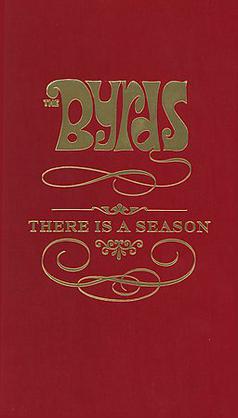
Each of the Columbia albums was overhauled in the ‘90s, and most of the rarities in the box were included on their respective expansions, but it was still surprising that a second box set dedicated to the band came out a mere 16 years later. In addition to a DVD of mimed clips from the vintage era, the four discs in There Is A Season go a little wider on the history of the band, starting with six tracks from the Beefeaters and the Jet Set, a.k.a. the Byrds before they were the Byrds. Some of these were already available on various collections dubbed Preflyte, and while they have some of that harmonic charm, the pieces aren’t all there yet. More live material from the Clarence era shows their prowess, and two songs from the 1973 “reunion” move the spotlight back to Gene Clark. Yet for some reason, they choose to close with “Paths Of Victory” from 1990.

Much of the rare stuff was already covered on that first box, and is repeated on There Is A Season. As it pushed the first box into deletion, it’s the only comprehensive set available for physical purchase. There is more emphasis on Gene, but some of the swaps in the way of album tracks are questionable.

The Byrds The Byrds (1990)—4
The Byrds
There Is A Season (2006)—4

Friday, June 16, 2017

Replacements 8: All Shook Down

What would be the final Replacements album wasn’t really a Replacements album at all. All Shook Down was a full-fledged Paul Westerberg solo album, in the auteur’s mind anyway, with the other Replacements used where he felt necessary, but often passed over for different drummers and guitarists. Surprisingly, the chosen co-producer was Scott Litt, then in the midst of a multi-album run with R.E.M.

The slashing chords of “Merry Go Round” put the sound right in line with the more radio-friendly direction of the last album, though “One Wink At A Time” immediately turns off the main road with studiously picked acoustics and honking sax. The highlight of the album, and among the best songs Westerberg ever wrote, is “Nobody”, an all-too-real wedding song, toast and kiss-off all at once. The barely contained anger bursts out on “Bent Out Of Shape”, another terrific rocker, and slides back to melancholy for “Sadly Beautiful”, which features a viola solo by the one and only John Cale. “Someone Take The Wheel” provides a bit of upbeat relief, and seems to describe both a failing marriage and a failing band.

The same summation could be applied to “When It Began”, amazingly chosen as the second single from the album to go along with the band’s last tour. The title track is barely there, a half-asleep recitation of non-sequiturs over heavy breathing and recorders. “Attitude” is supposedly the only track that includes the whole band and not session players, and in a perfect world there’d be a nastier electric version that surpasses this polite strum. “Happy Town” gets a boost from Benmont Tench on organ, while the all-too-brief “Torture” is all guitars, with just a tambourine and a harmonica solo. Another special guest is Johnette Napolitano of Concrete Blonde, lending her wail to the duet of “My Little Problem”. (He would also collaborate with fellow Les Paul Junior aficionado Joan Jett around this time on “Backlash”, even appearing in the song’s video, but her album bombed.) Finally, “The Last” crosses the lounge style of “Nightclub Jitters” with a less glamorous portrait of yet another drunk.

While not the popular opinion, All Shook Down is a highly underrated album. It may not have been what fans wanted, but as a collection of songs both written and performed well, it holds up. Of the bonus tracks included on the eventual expansion, seven are Westerberg demos, two of which for songs that didn’t make the final album: the very fragile, unsettling “Tiny Paper Plane”, and “Kissin’ In Action”, probably the most “Mats-sounding” track of all when it eventually appeared on the wonderfully titled promo Don’t Sell Or Buy, It’s Crap. That rare disc also included “Ought To Get Love”, a rowdy leftover from the Don’t Tell A Soul sessions, and Tommy Stinson’s excellent writing debut, “Satellite”; both are welcome here.

Personal footnote: Those of us who awaited the album’s release found ourselves in quite the quandary, as it was sold only on cassette or CD in the U.S. Hence, any acquisition would end up filed all alone in a rack far away from its vinyl brothers. (It was available on the fading format in Germany, although a mispress reportedly resulted in side one consisting of duets by Kenny Rogers and Dolly Parton.) Now that vinyl is all the rage at inflated prices, All Shook Down can be procured more readily. Or not.

The Replacements All Shook Down (1990)—4
2008 CD reissue: same as 1990, plus 11 extra tracks

Friday, March 24, 2017

Toad The Wet Sprocket 2: Pale

Kids looking for jangly pop with earnest vocals and mumbled lyrics while a certain band from Georgia took its sweet time between albums could have done a lot worse than Toad The Wet Sprocket, and they probably did. Their second album was recorded, again, on the cheap, with as little as possible spent on a cover design (all lyrics in lower case, of course), though it did boast something of a “name” producer in the form of one Marvin Etzioni. Once a member of Lone Justice, at this point in his career he was dubbed the “Mandolin Man”, and indeed adds some of that trilling to “Come Back Down”, the first single from Pale and the first single in the band’s catalog to utilize the word “down”.

Most of the album follows the same template: moody, not-too-loud songs mixing acoustic and electric guitars, sung by young Glenn Phillips, whose vocals are either tolerated or hated. Lead guitarist Todd Nichols sings two tracks that might as well be the main guy, but he doesn’t have the same gift of finding a wrenching melody. As with the debut, the overall sound is a bit claustrophobic, like an overcast afternoon in a house several miles away from a gas station or food. Some more moments emerge: the dynamics in “Don’t Go Away”, with its violin-tinged ending; the unsettling domestic drama related in “Corporal Brown”; the second half of closer “She Cried”; and possibly best of all, the nearly rocking “Jam”, complete with a “joke” ending. “Chile” would appear to be something of a political commentary, though we could do without the accordion (and didn’t like it when that other band used it either).

Pale had its fans upon release, but was most likely discovered by later fans going backwards. In that case, it’s a better listen than the debut, and ably bridges the gap to the next one. And only a couple of songs sound alike.

Toad The Wet Sprocket Pale (1990)—3

Tuesday, October 25, 2016

Morrissey 2: Bona Drag

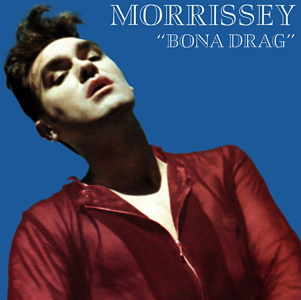
Just as he had as a member of the Smiths, Morrissey forged his solo career not on albums, but singles, releasing four new songs (plus B-sides) in the space of the calendar year following his debut. And just as with the Smiths, his second album was a simply a compilation of those singles and some, but not all, of the B-sides. Convenient for non-collectors, for sure, but maddening for anyone who already had “Suedehead” and “Everyday Is Like Sunday” on Viva Hate, wonderful as they are.

All of the singles are decent, as a matter of fact, and while most of the B-sides are on the second half of the set, Bona Drag is still sequenced to enhance listening, not to provide a chronology. “Piccadilly Palare”, “Interesting Drug” and “November Spawned A Monster” are all Smith-worthy (though Mary Margaret O’Hara’s vocal interjections over the instrumental break of the latter are a little unsettling). “Will Never Marry” is a little slower, based around keyboards, one of the better B-sides, in contrast with “Such A Little Thing Makes Such A Big Difference”, the title itself a knowing acknowledgement of inferiority. “The Last Of The Famous International Playboys” finds him developing his sound, despite having the Smiths rhythm section on hand, though “Ouija Board, Ouija Board” is another step back.

Side two is dominated by B-sides, luckily elevated by the repeats mentioned above. “Hairdresser On Fire” wasn’t on the British version of the first album anyway, so it’s nice to have it here. “He Knows I’d Love To See Him” is mopey even for him, and “Yes, I Am Blind” only piles it on, but is redeemed by the guitars; this would have been a fabulous Smiths track. “Lucky Lisp” appears to be another occasional benediction to Johnny Marr, and a clumsy one, but still vague. “Disappointed” has a satisfying stomp very much in the “How Soon Is Now?” pattern without being self-plagiaristic. It’s even got a funny ending.

Taken all together, Bona Drag shows he at least had a solid work ethic, and the effort makes up for some of the less-than-stellar output. The current version of the album is mostly cosmetically different, with an altered cover, though a few of the tracks have been remixed or edited. More amazingly, he added six outtakes of the era, including the very decent “Happy Lovers At Last United” and “Let The Right One Slip In”, the less successful “Lifeguard On Duty”, and “Please Help The Cause Against Loneliness”, previously given to Moz idol Sandie Shaw and a musical ripoff of “You Can’t Hurry Love”.

Morrissey Bona Drag (1990)—3
2010 20th Anniversary Edition: “same” as 1990, plus 6 extra tracks

Tuesday, September 27, 2016

Pretenders 6: Packed!

The cover has the classic band logo, but the close-up shot of Chrissie Hynde’s trademark bangs and eyeliner should be proof that Packed! is a Pretenders album in name only, despite the instrument setup shown on the back. The only other member present is drummer Blair Cunningham, who joined up at the end of the last album; most of the tracks pick from a pile of players, including Rockpile’s Billy Bremner and producer Mitchell Froom, whose usual noisy production style takes a backseat here.

The focus is back on straight rock, thankfully, with a little pop influence for the more romantic tracks. “Never Do That” is a nice jangly tune with catchy verse and chorus, except that it’s basically a straight rewrite of “Back On The Chain Gang”. The pleading “Let’s Make A Pact” keeps her vulnerability upfront, continuing from the softer side shown on the last album. Her hackles raise a little on the galloping “Millionaires”, proof that she shouldn’t yodel, and “May This Be Love” is another unnecessary cover of a more obscure Hendrix tune. “No Guarantee” provides some welcome kick, but all goes quiet again on “When Will I See You”, co-written with Johnny Marr, which only adds insult to the injury that he didn’t stick around to collaborate on the whole album.

“Sense Of Purpose” would be a hit single in a just world, just as the same world would have mixed out her over-excited interjections in the third verse and at the end. “Downtown (Akron)” gallops along with little to say, and the cod-reggae of “How Do I Miss You” comes too close to the Marr collaboration three tracks early. “Hold A Candle To This” revives some of the snottiness of the early albums, but “Criminal” goes back to being sensitive and wistful.

Even despite the cover design, Packed! more accurately described how full the boxes of returns were. The album was ignored upon release, despite its scattered qualities, though a couple of the songs would remain in her repertoire down the road. It’s recommended for being better than Get Close, but still lacks any real memorable hit.

Pretenders Packed! (1990)—3

Tuesday, February 9, 2016

Waterboys 5: Room To Roam

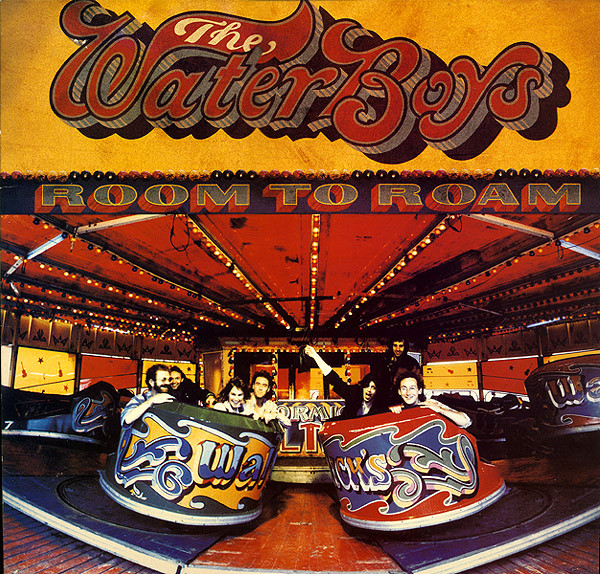
Following the surprise success of Fisherman’s Blues, Mike Scott bolstered the Waterboys with some other traditional Celtic folk players for live shows, and recorded the follow-up fairly quickly. On Room To Roam, the electronic piano dominates, as does the co-production by the legendary Barry Beckett, but it’s very much in the same vein as its predecessor. For the most part, the emphasis remains on the jigs and reels, with only two songs longer than three or so minutes.

The first handful of tracks tumbles by quickly. “In Search Of A Rose” is pretty but brief, rudely interrupted by “Song From The End Of The World”, which also ends with a burst of seagulls when you think another verse should be happening. “A Man Is In Love” gets a little more room to settle in, ending with an upbeat instrumental portion called “Kalliope House” that is occasionally indexed on its own depending on what version of the album you’re playing. “Bigger Picture” continues the strum before being nudged aside by the traditional “Natural Bridge Blues”. Just as we think it’s all folk dances, “Something That Is Gone” brings the mood way down, with the man who’s in love lamenting his loss, and mournful saxes and violins convey the sadness. A brief interlude about “The Star And The Sea” is misplaced, particularly before the grand rock sound of “A Life Of Sundays”. Plowing away at one chord for the most of it, it still provides a wonderful catharsis and is the album’s only epic, ending with a spoken quote and even a chorus of “Yellow Submarine”. If the first side of the album is designed to lead up to this, the journey has been worth it.

Psychedelia continues on “Islandman”, which melds a didgeridoo with Scott’s declaration of oneness with most regions of the UK, then “The Raggle Taggle Gypsy” goes back to traditional folk and “How Long Will I Love You?” slides over into near pop. A wonderful unlisted snippet with the words “she’s all that I need” fades in and out before Steve Wickham intones the almost as brief “Upon The Wind And Waves”. “Spring Comes To Spiddal” melds folk with Dixieland brass because they hadn’t gotten to that genre yet. A button accordion solo on “A Trip To Broadford” is quite soothing, while “Further Up, Further In” finally takes an idea to something of a conclusion over a Scottish dance. Just one ocean voyage wasn’t enough, as the dizzying backing to the title track approximates seasickness. Just to keep it all together, the upbeat jig of “The Kings Of Kerry” closes out the set.

Room To Roam crams a lot of music into a short space, and we wish some of those snippets were better developed so as to nudge aside the less effective tracks. The eventual Collector’s Edition added another album’s worth of tracks, some of them alternates. (A highlight is “Three Ships”, an extended jam on the “she’s all that I need” snippet, sadly without any lyrics.) If that wasn’t enough, 2021’s The Magnificent Seven box included a remaster of the album along with four discs of live recordings, demos, and outtakes, plus a DVD.

Even with that bigger picture, Room To Roam isn’t as good as Fisherman’s Blues, nor was it anywhere near as successful. The band’s label most the most of it by quickly re-releasing “Whole Of The Moon” as a single to promote a hits collection. The Best Of The Waterboys ‘81-‘90 summed up the band’s history, adding rarities in the form of a live version of “Old England” and “Killing My Heart”, an inferior alternate version of “When Ye Go Away”.

The Waterboys Room To Roam (1990)—3
2008 Collector’s Edition: same as 1990, plus 17 extra tracks

Friday, October 9, 2015

World Party 2: Goodbye Jumbo

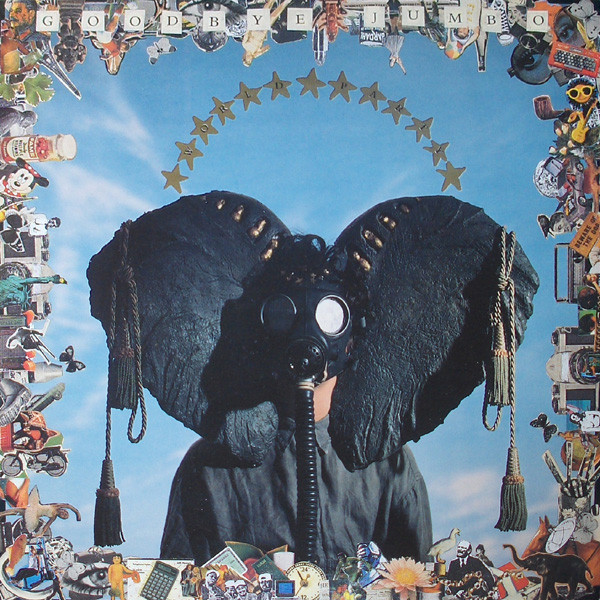
Karl Wallinger spent a couple of years improving his instrumental dexterity, polishing his recording skills and upgrading his equipment. Along the way, he recorded the excellent songs that make up Goodbye Jumbo, the second album by World Party.

He’s still technically a one-man band, but was wise enough to get real drummers to play real parts, and better guitarists that surpassed his limitations as an upside-down leftie. Nonetheless, “Is It Too Late?” sounds very much like an enhanced demo, from the programmed percussion to the slow addition and reduction of instruments. “Way Down Now” was the first single, an uptempo rocker fading out with “woo-hoo” accents that will remind anyone of “Sympathy For The Devil”. It’s another fade-in for the catchy “When The Rainbow Comes”, similar in feel to “Put The Message In The Box”, which is even better constructed with a well-designed bridge. “Ain’t Gonna Come Till I’m Ready” is a dark R&B piece with a falsetto lead that doesn’t explain the title at all. Even more impressive is “And I Fell Back Alone”, an exquisite heartbreaker for acoustic guitar, piano and fake strings.

The second half of the album is just as solid, at first, anyway. “Take It Up” is in a now-familiar tempo, full of layered keyboard parts and featuring a clever nod to “Here Comes The Sun” at the end of the instrumental break. “God On My Side” manages to cram influences from Beatles to Stones and Dylan into a single track, and doing a good job of fitting the vocals together. Though hinted at on side one, “Show Me To The Top” is a full-fledged Prince tribute, from the drums and synth effects to the sped-up vocal and spelling of “L-O-V-E”. (Interestingly, the liner notes list Prince’s former managers as World Party’s current managers.) A train rattles down the tracks towards a tantalizing snippet of a White Album-style strum, which pulls over on “Love Street”. This inscrutable gem builds from a lilting waltz to an urgent bridge, with those jungle synths from the last track, into a screaming guitar solo and an impeccably soft ending. “Sweet Soul Dream” is something of a trifle after all that setup, though it does feature Sinead O’Connor, again, then doing well with her second album. “Thank You World” crashes in for a noisy finale. (This was also the album’s third and least successful single, despite being available as a maxi-single with various unreleased tracks, including a note-for-note cover of “Happiness Is A Warm Gun”.)

These days there are more blatant appropriators of psychedelic rock and funk, but Lenny Kravitz was just starting out. Goodbye Jumbo’s influences move seamlessly, but more reverent without stealing, mostly. It remains a solid album, and one of that year’s best.

World Party Goodbye Jumbo (1990)—4

Tuesday, March 4, 2014

Van Morrison 24: Enlightenment

At, arguably, his highest profile in the better part of twenty years, one would think all Van had to do was release an album and the world would follow. Unfortunately, the record-buying public didn’t act they way they used to, so perfectly enjoyable albums were overlooked.

Enlightenment is not at all perfect, but it does fit with the mold Van had built throughout the ‘80s. The mix is warm and comfortable, typical of the sound he’d been honing all decade. “Real Real Gone” is a wonderful opener, all punchy brass, and fading on the R&B song quotes at the end; as it turns out, the song was ten years old at the time. The title track spends a lot of time admitting how he doesn’t know the definition of the word, but the music is hardly despairing. For “So Quiet In Here” he indulges in some of his method acting, feeling the words instead of just singing them. Even at six minutes, it manages to recall the better moments of such disparate albums as Astral Weeks and No Guru, No Method, No Teacher. As long as he’s revisiting themes, “Avalon Of The Heart” doesn’t just recall the last album; he even talks of “the viaducts of my dreams” as mentioned on “Astral Weeks” while quoting the melody of “Beautiful Vision”. Luckily, the choir of voices is mixed discreetly alongside the orchestra. “See Me Through” provides another opportunity to wander, with his own harmonica tooting along in the background, a deft guitar solo, and whispered touchpoints that will be picked up again in the future.

So while side one is mostly strong, side two loses its way in spots. “Youth Of 1,000 Summers” (downgraded from “eternal summers” only three albums before) manages to mix gospel with a Latin feel. It’s very much a trifle, if heartfelt, but it does not prepare the listener for “In The Days Before Rock ‘N’ Roll”. Over a pleasant, toe-tapping two-chord backing, Irish poet Paul Durcan recites a memoir of listening to the radio in that pre-Elvis time period, with the pacing of Rich Hall imitating Paul Harvey on Saturday Night Live. Van joins in for the choruses, and extemporizes with sound effects all the way to the end. The rest of the side isn’t as interesting, however; “Start All Over Again” recycles the melody from “Country Fair” and “The Mystery”, but at least it has a good live feel. “She’s My Baby” is a fairly tepid love song, with a “can’t eat, can’t sleep” angle title to a baffling “egg on my face” reference. “Memories” is heralded by a wheezing accordion, or maybe it’s a harmonium. Whatever it is, the song spins and spins until the end without leaving much behind, going completely against the message of the song.

Enlightenment isn’t as overtly commercial as Avalon Sunset, so therefore it didn’t sell—mostly because most people were happy with the hits album. The good parts mentioned make it worth adding to the pile, if you’re so inclined. (The expanded CD added a more upbeat take of the title track and an alternate “So Quiet In Here”.)

Van Morrison Enlightenment (1990)—3
2008 CD reissue: same as 1990, plus 2 extra tracks

Wednesday, December 18, 2013

Van Morrison 23: The Best Of Van Morrison

One of the smartest things the PolyGram record company did was to finagle distribution of the Island label, which ensured massive profits from worldwide sales of U2 and Bob Marley. In fact, proceeds from the latter’s posthumous Legend compilation would be enough to sustain any number of third-world economies.

The other smart thing they did was to release The Best Of Van Morrison. Now it was easy for college kids, children of hippies and general music fans to bond to something other than the same three Steve Miller, James Taylor and Jimmy Buffett greatest hits CDs.

Even if you don’t fit into that category, and good for you if you don’t, The Best Of Van Morrison is still an excellent teaser for the gems to be found deep within the man’s still-growing catalog. Along with the obvious hits—“Brown Eyed Girl”, “Moondance”, “Domino”, “Wild Night”, and “Gloria”, one of three songs from the Them days—this filled-to-capacity collection includes other songs that may not have been hits, but still qualify as some of his “best”. And they cover over two decades of work, too—two songs each from Into The Music, Beautiful Vision, Poetic Champions Compose, and Avalon Sunset and hitting every major album before and in between. And even if you already know and love those albums, whoever was in charge made sure to include the relatively rare “Wonderful Remark”, originally written in the early ‘70s, and finally appearing in a grand Robbie Robertson production for a Scorsese soundtrack in 1983.

While it’s easy to quibble over what was left out—we’d gladly swap “Dweller On The Threshold”, “Whenever God Shines His Light” and “Did Ye Get Healed?” for “Tupelo Honey”, “Wavelength” and a player to be named later—The Best Of Van Morrison lives up to its title, and likely expanded his commercial viability for the decade to come. Which was a good thing, since he was still making albums.

Van Morrison The Best Of Van Morrison (1990)—5

Monday, November 11, 2013

Allman Brothers 2: Idlewild South

Arriving less than a year after their LP debut, Idlewild South has some things in common with that album—seven songs four one side, three on the other, just over half an hour long—but it’s hardly a retread. While it does offer another program of blues, other influences creep in, helping to solidify what made the Allman Brothers Band unique, and heads above imitators.

Dickey Betts emerges as a songwriter here, bookending side one with a pair of distinct classics. “Revival” opens with an acoustic strum, switches into a modal riff that builds over other gear changes before settling into the gospel-influenced vocal part—even letting each instrumentalist take a one-bar solo. Compare that to “In Memory Of Elizabeth Reed”, a mesmerizing instrumental loaded with jazz influences, running seven minutes in this version. In between, Gregg Allman offers up the funky “Don’t Keep Me Wonderin’” and “Midnight Rider”, which is either playing on the radio or a television commercial as you read this.

Side two takes a step way back into the blues, with an elaborate arrangement of “Hoochie Coochie Man”, shouted here by bassist Berry Oakley, and likely to give Gregg a rest. He comes back strong with the torchy “Please Call Home”, his piano giving brother Duane plenty of room to wander. “Leave My Blues At Home” is one of their hidden gems, a terrific showcase for the ensemble, driven by a very complicated bass line.

While it does show their growth, Idlewild South doesn’t have the same element of surprise as the first album. That’s not necessarily a criticism; in fact, the two albums were reissued a few years later as a two-record set, called Beginnings. It’s still available as a single CD, and it’s a highly economical option for newcomers, though the debut appeared in a new mix by Tom Dowd.

Some 45 years later, the album was expanded to include three outtakes, and filled the rest of that disc plus another with the complete concert at Cincinnati’s Ludlow Garage from 1970, most of which had appeared as its own release in 1990, both in the wake of their successful Dreams box set as well as to compete with the band’s new album on another label. It’s not as hot as the Fillmore album, but it did include a lengthy “I’m Gonna Move To The Outskirts Of Town”, a 45-minute “Mountain Jam”, and a rare Duane vocal on “Dimples”. Besides sounding marginally better, this upgrade of the show includes a previously unreleased performance of “Elizabeth Reed”. (The Super Deluxe Edition added two more outtakes to the first disc, and put Ludlow Garage on its own two discs.)

The Allman Brothers Band Idlewild South (1970)—
2015 45th Anniversary Deluxe Edition: same as 1970, plus 12 extra tracks (Super Deluxe Edition adds another 2 tracks plus Blu-ray)
The Allman Brothers Band Live At Ludlow Garage 1970 (1990)—