Showing posts with label the band. Show all posts

Friday, February 18, 2022

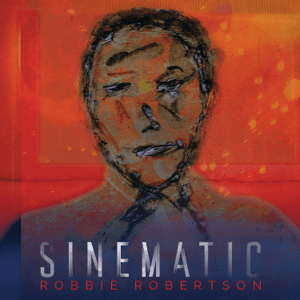
Robbie Robertson 7: Sinematic

Much of Robbie Robertson’s career of late has been remastering the classic Band albums for each 50th anniversary, and film work whenever Martin Scorsese calls him. For only his second solo album of the 21st century, the good news about Sinematic is that he seemed to have gotten triphop out of his system. But while he’s accepted that his voice has one trick, the half-spoken, half-leered approach doesn’t always sustain, especially since he’s given up melodies. (He fancies himself a painter, too, as depicted in the artwork crammed into the deluxe limited vinyl version of the album.)

Guest vocals feature continually, so he can rest his throat. Heard widely in the Scorsese film The Irishman, “I Hear You Paint Houses” is sung as a near-duet with Van Morrison, Robbie apparently not caring that his voice is the palest comparison to Richard Manuel’s. “Once Were Brothers” also happens to the title of Robbie’s latest retelling of the Band saga, this time for a documentary; here he’s joined by Citizen Cope. “Dead End Kid” smolders nicely, but takes off once Glen Hansard (famous from musical films The Commitments and Once) adds his counterpoint vocals. “Hardwired” also sports a promising intro, but descends into a one-chord riff. “Walk In Beauty Way” features the cooing voice of Laura Satterfield, niece of Rita Coolidge, and Robbie responds nicely in his verses when he’s not sounding lecherous. Beginning with a riff based on “Smokestack Lightning”, “Let Love Reign” has a chorus hook right out of Fleetwood Mac, and not the blues version of the band, and uses Hansard less effectively. The shout-out to John Lennon is oddly placed too.

“Shanghai Blues” returns to gangster territory with questionable lyrics, but “Wandering Souls” is a, yes, cinematic instrumental that shows how well he and Daniel Lanois were suited for each other. In many ways, it has us wishing more of the music was strictly instrumental. More criminal activity pervades “Street Serenade”, but it’s a more interesting track overall. Unfortunately, Howie B shows up to put his burbling synths and vocal grunts on “The Shadow”, a not-very-mysterious celebration of the old-time radio crimefighter. “Beautiful Madness” also starts as a decent track, but he puts way too much emphasis on his ordinary lyrics, though some swagger returns on “Praying For Rain”, with a little of the spirit of Storyville. “Remembrance” is the other song included from the credits of The Irishman, and features Derek Trucks on guitar in duet with Frédéric Yonnet’s harmonica.

There is a cohesion throughout Sinematic, and it’s a sonically lush album. It’s just too bad he’s singing all over it. Any of these tracks would be a highlight on another singer’s record.

Robbie Robertson Sinematic (2019)—

Tuesday, January 5, 2021

Robbie Robertson 6: Testimony

After Levon Helm died, there were two surviving members of the Band. Garth Hudson never talks to anybody, but Robbie Robertson is always more than happy to tell the tale again. His autobiography, Testimony, was published in 2016, followed by a companion album.

While the book covers his life from birth through The Last Waltz, the album is much less organized, and in many ways unrelated. For one, it begins with a remix of the “title track”, from his 1987 debut solo album. From there it rambles throughout his performing career, throwing in a few early sides with Ronnie Hawkins and Levon & The Hawks, touching on the initial Dylan era with “Obviously 5 Believers” and a live “Rainy Day Women” from 1974. The Band itself is represented by previously released live versions, with the exception of “It Makes No Difference”, “Bessie Smith”, and “Out Of The Blue”—the latter two both rare instances of Robbie singing lead with the group. What’s called a “song sketch” of “Twilight” is pulled from one of the box sets he’d curated, and four further tracks are called from the solo albums.

There are other, better compilations of the Band, and definitive recordings with Dylan; a comprehensive Hawks collection would have been a better soundtrack for the book. It helps that the music is good, even if the thesis is unclear.

Robbie Robertson Testimony (2016)—

Friday, February 7, 2020

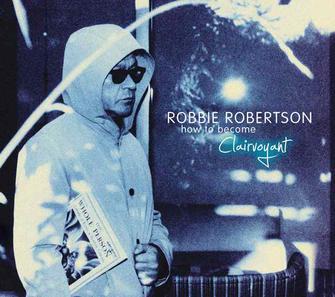
Robbie Robertson 5: How To Become Clairvoyant

After a decade spent scoring films and hawking the legacy of the Band, Robbie Robertson actually got around to recording an album of songs. Despite the photos of the artist in a hoodie and contributions from people like Trent Reznor and Marius de Vries, throughout How To Become Clairvoyant he generally acts his age and goes with his strengths.

He’s also wise enough to ask notable guests to contribute. “Straight Down The Line” immediately conjures good memories of his first two solo albums, with help from guitarist Robert Randolph. The sultry “When The Night Was Young” and “The Right Mistake” feature the vocals of one Angela McLuskey. But the most prominent special guest is Eric Clapton, who sings and plays on half the album, even writing some, while Steve Winwood adds his trademark organ. Clapton is most prominent on “Fear Of Falling”, which sounds more like one of his own recent albums, and the instrumental “Madame X”, which is the track with the Reznor credit but hardly Nine Inch Nails. “Axman” name-checks various guitar slingers of days gone by, but the only guy Robbie trades licks with is Tom Morello of Rage Against The Machine.

Even without the neon-bright guest appearances, the songs are commendable, for the most part. “He Don’t Live Here No More” is full of mystery, but “This Is Where I Get Off” only scratches the surface about why he left The Band, mostly relying on clichés. “She’s Not Mine” might sink under a more syrupy arrangement, but here he lets his raspy voice do the talking, whereas “Won’t Be Back” is sufficiently heartbreaking. The title track had already appeared on a soundtrack for the vampire TV series True Blood, and is loaded with imagery and metaphors, with a teasing narrative a la “Somewhere Down The Crazy River”. The closing instrumental “Tango For Django” doesn’t sound much like a tango to these ears, but some of the atmospherics are nice.

Without a doubt, How To Become Clairvoyant is a very pleasant surprise, and certainly the true follow-up to the debut and Storyville. It’s a grower, and we like that.

Robbie Robertson How To Become Clairvoyant (2011)—3

Tuesday, September 4, 2018

Bob Dylan 64: Live 1962-1966

Way back in the pre-electric era, a handful of Bob Dylan concerts were recorded by Columbia for possible issue as an album to be titled In Concert. While several performances from these shows have been included on a variety of archival compilations, neither the album as originally sequenced—any of the variations considered—nor the complete shows have been granted specific release. The appearance in 2011 of an ultra-rare concert from his folksinger days turned out, so far, to be a standalone idea.

However, Columbia has seen fit to offer up hours of material for procurement, initially on a limited basis, to preserve their copyright license and probably with the assumption that they would be pirated and shared anyway. The first three years of his recording career were “protected” this way, then just about every captured note from 1965 and 1966 was served up via deluxe box set treatments.

As we’ve said before, it’s not all gold, and while some people have to have everything the man ever uttered or strummed, there’s barely enough time to hear it all, much less ingest it. That makes the sudden appearance of a double-disc set called Live 1962-1966: Rare Performances From The Copyright Collections seem like a great idea until you’re done with it. Given the breadth of truly rare compositions to choose from, only “Seven Curses” and “John Brown” represent songs not on the albums originally released during that period. Historically speaking, there’s “Blowin’ In The Wind” with only two verses, “When The Ship Comes In” from the March on Washington with Joan Baez, the electric “It Takes A Lot To Laugh” from Newport and “Maggie’s Farm” from the Hollywood Bowl. The same take on “Ballad Of A Thin Man” is repeated from the seventh Bootleg Series; we’d’ve preferred the incendiary “Like A Rolling Stone” from the final Albert Hall show.

Granted, the music is excellent, and the sequencing does illustrate his development from a Woody Guthrie wannabe to the legendary performer that inspired generations. Those who haven’t clogged their hard drives with this stuff already will likely appreciate it being made available, and at a relatively low price point. But it’s an awfully random collection, belying its origin as a Japan-only release, a sequel of sorts to another grab-bag set that at least offered some actual rarities (one of which is repeated here). The haphazard production is underscored by the bad proofreading on the spines, which read “PREFORMANCES”, along with the shameful omission of Richard Manuel from the credits on the electric tracks from 1966.

Bob Dylan Live 1962-1966: Rare Performances From The Copyright Collections (2018)—3

Tuesday, January 30, 2018

Robbie Robertson 4: Contact From The Underworld Of Redboy

Not that age should have any real bearing on the type of music anyone should attempt, but chances are anyone following Robbie Robertson’s career never thought, “I bet he’d sound amazing with some trip-hop beats behind him.”

Yet with Contact From The Underworld Of Redboy, that’s more or less what he did. Following along from the field experiments of Music For The Native Americans, Robbie continued exploring elements of music by the indigenous peoples of Canada, and collaborated with hip programmers Howie B. and Marius de Vries. The result is jarring, and not exactly cohesive.

While some of the tracks are fine without his vocals (still an acquired taste), when he does put himself at the forefront of the mix, we wish the extra dressing could be stripped away for the songs to breathe. “The Code Of Handsome Lake” and “Unbound” follow closest to the first two solo albums. The centerpiece of the album is arguably “Sacrifice”, which gives voice to convicted activist Leonard Peltier. Somehow the message is diluted by the samples from “One Step Beyond” on “Take Your Partner By The Hand”.

As a Robbie album, it fails. As a world fusion album, we’re not the ones to judge.

Robbie Robertson Contact From The Underworld Of Redboy (1998)—2

Tuesday, September 12, 2017

Robbie Robertson 3: Music For The Native Americans

While he never overtly covered it in the songs he wrote, Robbie Robertson’s family legacy includes ancestry of Mohawk origin. Having already made a name for himself as a musical curator for films, he was a wise choice to perform that task for a television documentary called The Native Americans. On the accompanying soundtrack album, he surrounded himself with other colleagues of First Founders heritage—including Rita Coolidge and Douglas Spotted Eagle, to name two of higher-profile musicians—to make up a collective dubbed the Red Road Ensemble.

The music is best when instrumental, using modern programming techniques and textures to mix with authentic instruments. Vocals sung in other languages and dialects become part of the aural picture when picked up by ears that only understand English. In fact, Robbie’s own vocal selections, while good, bring it back to being a solo album, but not at a sacrifice of the overall mood.

Being even less typical a release than his previous solo albums, Music For The Native Americans wasn’t a massive hit, and even the documentary itself doesn’t exactly appear to be a momentous viewing event (which is too bad, because it sounds fascinating). The album itself is tough to find today outside of used bins, but is available for streaming and download, and worth a listen.

Robbie Robertson & The Red Road Ensemble Music For The Native Americans (1994)—3

Friday, November 18, 2016

Band 10: Jericho

The surviving members of the Band who weren’t Robbie Robertson had been stumbling along for a while, playing whatever shows they could, and getting a few handouts via Ringo’s All-Starr Band and such high-profile gatherings as Roger Waters’ restaging of The Wall in Berlin and Bobfest. While many of their complaints about Robbie Robertson may have been well-founded, the truth of the matter is that they weren’t exactly setting the world on fire with the songs they were writing, since they hadn’t appeared to have written any.

For proof, consider the contents of Jericho, the first Robbie-less Band album that took several years and too many guest musicians to bring together. Of the dozen songs here, only two have writing contributions from any of the original members, and we’ll get to those. Along with covers of Willie Dixon and Muddy Waters songs, there’s a version of Springsteen’s “Atlantic City” featuring two of the Hooters, and, even stranger, Dylan’s “Blind Willie McTell”, which most of the world hadn’t heard until the first Bootleg Series box, and we’re betting the boys in the Band hadn’t either.

Just in case the legacy didn’t speak for itself, a good deal of the budget went to Peter Max for a painting of the Big Pink house. Their original producer John Simon gets partial credit for doing that here, and just so nobody could get away without shedding a tear, there are back-to-back tributes to Richard Manuel. “Too Soon Gone” was written by Jules Shear and the piano player who was in the band before Richard, and replaced him later, only to die himself before Jericho was finished. It’s followed by “Country Boy”, a lonesome lament sung by Richard himself.

Outside of their voices and instruments, songwriting credits go to Levon Helm on exactly two songs: “The Caves Of Jericho”, a mine tragedy obviously Xeroxed from “The Night They Drove Old Dixie Down”, and “Move To Japan”, an embarrassing protest of consumerism that’s more obnoxious than clever. He’s much more suited to the honky tonk of “Remedy” and “Stuff You Gotta Watch” than Rick Danko is on “Amazon (River Of Dreams)” which relies far too much on rain forest sound effects.

Yet amazingly, Jericho is enjoyable. Levon and Rick can still sing, and Garth knows where to put his keyboards and horns. But too many tracks demand to be skipped, so it’s only for the faithful, who’d probably endure the other two Band albums of the ‘90s, but we just can’t.

The Band Jericho (1993)—

Tuesday, July 12, 2016

Robbie Robertson 2: Storyville

While his first solo album was an immediate hit, it wasn’t recorded overnight, and it took Robbie Robertson another four years to complete a follow-up. Robbie Robertson set the bar pretty high, and he wasn’t working with Daniel Lanois this time around. Storyville shares none of its predecessor’s big-name guests, save Rick Danko and Garth Hudson, but boasts a bunch of other well-known singers, Jerry Marotta (familiar from Peter Gabriel) on some of the drums, and four different horn sections. Naturally, an album inspired by New Orleans demands the presence of various Neville Brothers and Meters, but oddly, there’s no Dr. John.

“Night Parade” sets up the tone of the album, sounding enough like the one before but with some Nola touches. On “Hold Back The Dawn” it’s clear that Robbie has enough confidence in his own voice, but it’s always nice to hear Rick in the mix. The funk picks up for “Go Back To Your Woods”, written with Bruce Hornsby but not overly indicative of his touch. A couple of bona fide Indian chiefs provide something of a closing commentary, to which Robbie’s heritage propels him to moan along. “Soap Box Preacher” is a duet with Neil Young, of all people, Neil softly singing his lines while Robbie rasps his. The mystery returns on “Day Of Reckoning (Burnin’ For You)”, written with the other guy from David + David. (You’re forgiven for punctuating any of the pauses with “Wait—did you hear that?”)

Ivan Neville co-wrote the seductive “What About Now” and helps sing it too, along with dad Aaron, making it all sound almost romantic. “Shake This Town” is an excuse for another parade of sorts, but the highlight for some of us is “Breakin’ The Rules”, Robbie’s version of a Blue Nile heartbreaker, complete with that band performing and Paul Buchanan singing. “Resurrection” sounds mostly like similarly paced songs on the album, but the chorus chord out of left field is a good touch. “Sign Of The Rainbow” seems like a personal song; it builds slowly, gains strength from the drums and vocals, and fades away.

Taken all together, Storyville sounds like a congruous second chapter, even if the stories he’s trying to tell don’t always ring. It’s a long album, too, so some shuffling is required to fit with its brother on a Maxell for convenient looping. (Years later they were paired in an expanded package, this album regaining its lost title track, wisely left off the album the first time, and the moody B-side “The Far, Lonely Cry Of Trains”, which is good until he starts singing.)

Robbie Robertson Storyville (1991)—3

Friday, March 4, 2016

Robbie Robertson 1: Robbie Robertson

For the first few years after he left The Band and seeing himself on the big screen, Robbie Robertson plunged whole-heartedly into the world of cinema. While he failed to become a matinee idol, his friendship with Martin Scorsese meant he was tapped to organize the music for films like Raging Bull, The Color Of Money and King Of Comedy, featuring Van Morrison’s excellent delivery of “Wonderful Remark”. His former Band-mates, save Levon, often helped with these recordings, so hearing Rick and Richard’s voices plus Garth’s keyboards made them special. (“The Best Of Everything”, from Tom Petty’s Southern Accents, was another notable production in this period.)

Robbie wouldn’t have been any band’s choice for a lead vocalist, so the idea of a solo album on which he sang all the songs raised eyebrows everywhere. But in a masterstroke of timing, he hooked up with Daniel Lanois, and his eponymous solo debut arrived in the wake of the multiplatinum success of Peter Gabriel’s So and U2’s The Joshua Tree. Robbie Robertson also tapped most of the musicians—and the two singers—involved with both albums, making the listening experience familiar.

“Fallen Angel” burbles up slowly, a lovely tribute to he recently departed Richard Manuel. Peter Gabriel sings the harmony parts on the chorus that Richard himself might have sung had he lived to do so. The first single was “Showdown At Big Sky”, with all-star contributions only on the level of the BoDeans, but enough of an apocalyptic echo of “Red Rain” to sound great on the radio. “Broken Arrow” could’ve been another Richard song, and would soon be covered by Rod Stewart. But a lot of kids likely bought the album on the basis of “Sweet Fire Of Love”, wherein Robbie trades vocal lines with Bono over a U2 backing.

One track that wore out its novelty pretty quickly was “American Roulette”, which references the demises of James Dean, Elvis Presley and Marilyn Monroe with clumsy metaphors and references. “Somewhere Down The Crazy River” is also an acquired taste, with its overly dramatic narration, counterpoints from Sammy BoDean, and a video in which Robbie got to paw Maria McKee. “Hell’s Half Acre” is lyrically slight but a good rocker, while the noir-storytelling “Sonny Got Caught In The Moonlight” is redeemed by Rick Danko. And U2 returns to help him bang out “Testimony” with a Gil Evans horn section for a rousing conclusion.

As we’ve seen and heard too many times, an all-star cast doesn’t always guarantee quality, but somehow Robbie’s ragged voice matched the lyrics he certainly wrote himself without dispute, and the swampy production on Robbie Robertson still sounds fitting all this time later. Back then, it seemed like quite a comeback. (A later repackage added two tracks—his own remake of “Christmas Must Be Tonight” for the Scrooged soundtrack and an overly gospel remix of “Testimony”.)

Robbie Robertson Robbie Robertson (1987)—4

Friday, November 27, 2015

Band 9: The Last Waltz

It shouldn’t be news to anyone that The Last Waltz is one of the better rockumentaries in the genre. Much of the credit belongs to Martin Scorsese’s direction, which alternates staged interviews and performances with “you are there” footage from The Band’s star-studded farewell concert. The editing is particularly masterful; rather than presenting the concert as it was, many of the performances are shuffled. The film even opens with “Don’t Do It”, which was actually the night’s final encore.

Such suspensions of time are sometimes necessary to elevate a film that’s not designed to be a fly-on-the-wall cinema verité portrait. And when you add Robbie Robertson, with his fancy new haircut, telling his new best friend about “eight years of concerts, stadiums and arenas”, a simple glance at their actual activity between 1968 and 1976 will have the scholar wondering how empty itineraries in 1972 and all but one date in 1975 made their job so grueling.

All our nitpicking aside, the film is still fun to watch, and the music is terrific. The album, originally a three-record set, is paced well, with Band classics alternating with vocal spots by their very special guests, augmented by a horn section. Their old boss Ronnie Hawkins comes out for “Who Do You Love”, and Neil Young manages to overcome the ball of coke he snorted before his still sleepy rendition of “Helpless”. Joni Mitchell’s voice appears from backstage during that number, and then she comes out for an excellent performance of “Coyote”.

Robbie had recently produced an album for Neil Diamond, and despite Levon Helm’s protestations, was given a spot singing “Dry Your Eyes”. It’s a fine song, but nothing compared to Rick Danko’s excellent job on “It Makes No Difference”, not to mention Garth Hudson’s beautiful sax solo. Dr. John closes side two with “Such A Night”, a good setup for the blues sequence on side three. Paul Butterfield blows harp on their arrangement of “Mystery Train”, Muddy Waters burns the place down with “Mannish Boy”, and Eric Clapton duels with Robbie on “Further On Up The Road”.

Poor Richard Manuel doesn’t get a chance to sing until “The Shape I’m In” on side four, followed by their friend Bobby Charles coming out for “Down South In New Orleans”. Van Morrison emerges from his mid-decade hiatus to sing “Tura-Lura-Lura” with Richard, before completely demolishing the place on “Caravan”. Bob Dylan was an expected guest, but shocks with his nearly shoulder-length hair stuffed under a hat. All but one of his songs from the show appeared on the original album; 1966 is visited via “Baby Let Me Follow You Down” and “I Don’t Believe You”, and a tender “Forever Young” manages to turn into a reprise of the first track. Then everybody crowds the stage for a mass chorus on “I Shall Be Released”, Richard somewhere back there on his piano.

Side six presents “The Last Waltz Suite”, a loose set of songs recorded on a soundstage, and some inserted in the film. In addition to “The Weight” performed with some of the Staples Singers and “Evangeline” with Emmylou Harris, Robbie gets a solo vocal on “Out Of The Blue”, while Richard barks “The Well” and duets “The Last Waltz Refrain” with Robbie. “The Last Waltz Theme”, which appears at the top of side one, closes the set with an orchestra. While not stellar, they’re easily better than most of Islands.

Several songs in the album aren’t in the film, and vice versa. Even the four-CD box set, which adds much more from the concert and rehearsals, doesn’t include the complete show as performed. But of all their live releases, The Last Waltz is the best, and not just for their own songs. In the end it’s the music that makes it a nice finale for whatever was actually over; Levon would insist that the whole deal was Robbie’s ego trip, and the other guys would play together, in dives even smaller than the ones where they started out, up until and beyond Richard’s suicide in 1986, and continuing in various combinations until Rick died in 1999.

The Band The Last Waltz (1978)—4
2002 box set: same as 1978, plus 24 extra tracks

Tuesday, November 24, 2015

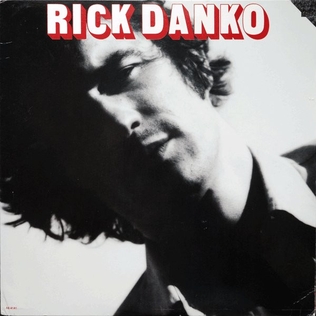
Rick Danko: Rick Danko

Cast adrift by Robbie’s decision to publicly end The Band, bassist and co-lead vocalist Rick Danko immediately got back to work. His eponymous solo album even beat an anticipated farewell extravaganza to the racks. Unfortunately, Rick Danko didn’t make a big enough splash, and remains hard to find today.

Each of the Band appears here and there, as do Ron Wood, Eric Clapton, Doug Sahm and whoever else was wandering through Malibu that year. Horn arrangements abound, as do guitarists subconsciously emulating Robbie. There’s no clunker here, even with the contemporary arrangements that get in the way of “Brainwash” and “Tired Of Waiting”. “Java Blues” is a fairly vehement defense of coffee, the reference to Bolivia notwithstanding. “What A Town” burbles with New Orleans funk and while “Sweet Romance” and “Once Upon A Time” come close, “Sip The Wine” is easily the highlight, particularly for anyone who enjoys the teaser included in a certain film.

Those aren’t quite “classics” along the lines of “Ophelia” or “It Makes No Difference”, but Rick Danko is certainly on par with the better parts of those later albums, and a worthy chapter in the canon of The Band—especially since it would be several years before any of them did anything, much less anything worth hearing. In a just world, it’ll get reissued, and give Rick his due.

Rick Danko Rick Danko (1977)—3

Friday, May 29, 2015

Band 8: Islands

The Band’s legend was larger than their output, so Robbie decided to pull the plug and put his matinee idol looks to better use in Hollywood. Step one would be a grandiose farewell show and film, but in the meantime, they owed their label another record, which is how Islands happened.

Robbie’s revisionist history would like to paint this as a collection of leftovers on par with Odds & Sods (his words), which under the best hindsight would today equate it with Physical Graffiti and Tattoo You as well. That would be a wonderful thing if the songs were anywhere near those standards, which they’re not.

Beginning with a swell of ‘70s keyboards and sporting a smooth sax betwixt verses, “Right As Rain” isn’t too far removed from what is now known as yacht rock. If only it had a more organic arrangement, akin to the brown album, it might be worth salvaging, since Richard’s vocal deserves better. Rick tackles “Street Walker”, a fairly generic slice of New Orleans nightlife. “Let The Night Fall” is a little better, but only underscores that none of the songs so far truly stand out. Their cover of “Ain’t That A Lot Of Love” does, however, for the wrong reasons. A terrific blast of Memphis soul in its original recording (and subsequent versions by Taj Mahal), here it’s just thin and funkless, hardly on par with Moondog Matinee. “Christmas Must Be Tonight” isn’t the worst holiday song of the rock era, and even sounds sincere.

The title track is an instrumental, bolstered by a horn section and sounding again like yacht rock Muzak. On any other album “The Saga Of Popete Rouge” would seem slight, but here it’s got the right mix of mystery and “classic” Band arrangement to work. Richard’s take on “Georgia On My Mind” gets a little overdone at times, but they stick close enough to the template. “Knockin’ Lost John” is notable for Robbie’s lead vocal, and its lack of cohesion with Levon’s attempts to keep him on pitch, and he really should have laid off the whammy bar. And as a grand finale, the harmless “Livin’ In A Dream” hardly caps the career of a band so revered in their time. (The CD adds “Twilight”, a B-side stuck onto The Best Of The Band the year before, and an alternate take of “Georgia”.)

Islands wasn’t intended to be a send-off; the other guys would have been happy to continue without Robbie, but his marketing tactics made that tough to do. Instead the album remains as an afterthought, and the least essential of their catalog to date.

The Band Islands (1977)—2
2001 CD reissue: same as 1977, plus 2 extra tracks

Friday, February 27, 2015

Band 7: Northern Lights—Southern Cross

One of the things that made The Band so good was their ability to just play. Thrown into the most daunting of settings, be it hostile audiences or converted basements, they were never too slick to seem like sellouts. But by the mid’70s, it seemed everybody had moved out to Malibu, and that’s where even the Woodstock boys ended up, in their own 24-track home studio. Here they could craft their work in a more comfortable atmosphere.

Northern Lights—Southern Cross was the product of their first work there, and their first album of original material in four years. Robbie Robertson takes sole writing credit for all eight songs, just as he sits a little higher than the others, right there in the middle of the front cover. If he really did come up with all the lyrics, then he’d better take credit for the clunkers too. They may not have been sellouts, but now they were trying to be slick.

All over “Forbidden Fruit” (“that’s the fruit that you better not taste”, the chorus clarifies for those without a grasp of basic English) Garth Hudson fills seemingly every available track with more and more keyboards and synthesizers—likely groundbreaking in 1975, but excessively dated now—while Robbie pinches lines out for six minutes. Richard’s lonesome vocals on “Hobo Jungle” immediately provide a nice respite, and some needed restraint. Some may call it sacrilege, but we’ve never had much use for “Ophelia”. It does revive the New Orleans sound, with Garth providing real and fake horns, but still sounds like an imitation of a Band song. “Acadian Driftwood” is a little better, nicely melding the three lead singers throughout the verses. To continue the Louisiana feel (“Cajun” being colloquial for “Acadian”) the guest fiddle fights for space with the accordion.

“Ring Your Bell” is the closest the band ever got to disco, swinging the same plaid slacks one day heard on the Dead’s “Shakedown Street”, and the farting synth doesn’t help. It’s too bad, because there’s a good song buried in there. If one track redeems the album, that would be “It Makes No Difference”, an epic love-lost lament given the proper level of heartbreak by Rick Danko. Once again there’s a wonderful vocal blend on a few lines near the end of each verse, especially supporting Rick’s final statement. The solos taking out the song may be gratuitous, but just when Robbie gets too close to spew mode, Garth pulls him back with tasteful sax, just as the keyboards aren’t overdone either. “Jupiter Hollow” is kinda wacky, considering that Robbie’s playing clavinet and not guitar and both drummers compete with a drum machine. One of Garth’s keyboards sounds like a mosquito stuck in your ear, or one of your speakers on the fritz. All of this distracts from whatever story is in there. Finally, “Rags And Bones” has some lovely lyrical touches suggesting turn-of-the-century New York City—think the DeNiro parts of the second Godfather movie—but the modern production is, again, a distraction.

Northern Lights—Southern Cross divides fans to this day, but there’s no arguing that the rough-hewn qualities that made their first couple of albums so special have been smoothed out here. It just misses being worth the trouble, and we can’t say enough about “It Makes No Difference”, which is a contender for their best ever recording. (The upgraded CD boasts only two bonus tracks, both early versions of songs that would be redone later.)

The Band Northern Lights—Southern Cross (1975)—
2001 CD reissue: same as 1975, plus 2 extra tracks

Friday, December 26, 2014

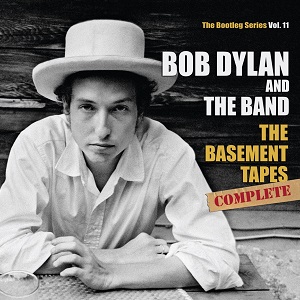
Bob Dylan 57: Basement Tapes Complete

Only a year after one of its finest installments, Bob Dylan’s occasional Bootleg Series maintained its quality by revisiting one of the most beloved and mysterious eras of his career. Volume 11 served up two discs of unadorned recordings, alternates and true rarities from the series of sessions known as the Basement Tapes, in excellent sound, with no after-the-fact overdubbing and no Band-only tracks. And to beat that, a deluxe edition offered everything captured in those sessions with Bob present, 139 tracks in mostly chronological order. (The timing was particularly apt, as the project was revealed and released right around the time of another album involving long-lost lyrics.)

For those seeking only a taster, The Basement Tapes Raw is two hours of arguable highlights, focusing on completed songs and less on the “jam” aspect of the sessions. Here, finally, in one tidy package are some truly legendary tracks in pristine sound. Neither “Silent Weekend” nor “Get Your Rocks Off” seems finished, but Dylan’s laughter on the latter makes it worth the listen. The first take of “You Ain’t Goin’ Nowhere” sports a truly surreal batch of alternate lyrics, while take two of “Too Much Of Nothing” is more straightforward than the chromatic experiment that made the 1975 album. The amateurish trombone all over “Don’t Ya Tell Henry” makes it clear why it was left alone till now. “Sign On The Cross” manages to stay mesmerizing over seven slow minutes, and “All You Have To Do Is Dream” has the potential of a wonderful pop song, whatever “floor birds” are. And while “I’m Not There” made its legal debut in 2007, it’s great to have this fascinating tune back alongside its brothers (including the close cousin “I’m Alright”).

The armchair Dylanologist has to have everything, and The Basement Tapes Complete does offer hours of listening pleasure, though not everything deserves more than one play. A 12-string acoustic guitar is hard to get into tune in the first place, much less when it’s being strummed by someone for whom pitch is already elusive. The compilers did do us a favor by putting the “least listenable” of the tracks on the sixth disc; besides not being recorded as well, with a particularly distorted electric piano guiding the way, there’s little hidden treasure here. Also, these were a bunch of guys in their 20s, basically playing hooky, so some of the goofiness doesn’t translate. But when they do catch fire, its wonders to behold.

There’s already been a lucrative cottage industry based around picking these sessions apart, and many of the mysteries will never be solved—mostly because nobody was anal enough to note dates, times, locations, who was playing what, etc. Some insist that “Garth’s order” isn’t to be trusted, but there is some structure to it, as successive performances are heard to go increasingly off rails. We can also hear where the focus switched from playing whatever struck to trying to arrange brand new songs. Having multiple takes of several songs will inspire further argument as to which is “best”. (And to think “Tiny Montgomery”, of all things, was the earliest track considered worth selling, appearing a whole disc away from the next one, “Million Dollar Bash”. From there, he doesn’t let up until disc five.)

The mystique of the sessions remains, mostly because it’s still not clear why all this was preserved on tape in the first place. Remakes of “One Too Many Mornings”, “It Ain’t Me Babe” and “Blowin’ In the Wind” suggest possible preparations for a stage performance. His Nashville Skyline voice surfaces a few times. The preponderance of country & western covers puts Self Portrait in yet another light, and makes Robbie Robertson look especially petty for claiming that it was The Band who “taught” Dylan all this music, instead of the other way around. How come he never went back to “One Man’s Loss”, “Lock Your Door” or “Wild Wolf”? Was it all recorded before John Wesley Harding? And what the hell was his fascination with “Spanish Is The Loving Tongue”, anyway?

We can be thankful that this weary world can finally hold not only a completed Beach Boys Smile CD, but a Basement Tapes collection that surpasses even the most revered bootlegs. Now fans had a very wide bridge from Blonde On Blonde to John Wesley Harding, and it only took 47 years.

Bob Dylan & The Band The Basement Tapes Complete: The Bootleg Series Vol. 11 (2014)—4

Friday, November 7, 2014

Band 6: Moondog Matinee

They may have been out of new ideas, but they still wanted to play, so in the same year that David Bowie and John Lennon embarked on oldies projects, The Band eschewed an album of new songs for a grab-bag of early rock ‘n roll and R&B. (Besides, everybody was PO’d at Robbie for elbowing aside the collaboration that made their first albums so good, or so Levon would have us believe.)

Moondog Matinee is an attempt to recreate the feel of the “jook joints” where they’d started out. But just as other oldies projects transplanted the music to the current decade, The Band drag their musical selections firmly into the seventies. The biggest culprit is Garth Hudson’s arsenal of decidedly modern keyboards. That said, his saxophones, when heard, come closer to making the façade real, especially on tracks where Robbie’s not stomping on the wah-wah.

Overall, it’s a fun album, as the boys certainly sound like they’re enjoying themselves, and the songs aren’t the typical hackneyed touchstones. Levon tackles “I’m Ready” and Clarence “Frogman” Henry’s “Ain’t Got No Home” with glee, tackling the frog voice on the latter but thankfully avoiding the girl part. Except for the gospel parody “Saved”, Richard sings most of the slow ones, filling “Share Your Love” and “The Great Pretender” with the appropriate emotion, while Rick takes center stage on “A Change Is Gonna Come”. And all three revel in the swamp of “Holy Cow”.

Not content to leave well enough alone, “Mystery Train” isn’t just an extended jam but includes new verses. It’s followed up by the instrumental “Third Man Theme”, which even the early Beatles used to kill time, providing a silly end to what was side one.

While certainly a placeholder for their career as a whole, Moondog Matinee is recommended to the listener who’s not expecting much. The reissue adds a few more recordings from the sessions, including Chuck Berry’s “Back To Memphis” and The Band’s own “Endless Highway”, both of which had been doctored and passed off as live recordings on earlier reissues.

The Band Moondog Matinee (1973)—3
2000 CD reissue: same as 1973, plus 6 extra tracks

Friday, April 25, 2014

Band 5: Rock Of Ages

While it wasn’t completely apparent at the time, The Band were out of ideas after four albums on their own. According to Levon’s autobiography, it was his idea to do a double live album to keep the record company off their backs, and Robbie suggested bringing in a horn section to make the concerts that much more special. Recorded at the comparatively intimate Academy of Music in Brooklyn, the resultant Rock Of Ages presents tight, well-worn tunes, with horn arrangements by Allen Toussaint that don’t get in the way at all.

After a brief explanation, their cover of “Don’t Do It” arguably rivals that of The Who, and on they go through the classics: “King Harvest”, “Caledonia Mission”, a curve ball in “Get Up Jake”, an outtake from the second album, “W.S. Walcott”. Richard is in particularly good voice, as is Levon. Rick gets to shine on “Stage Fright” and “This Wheel’s On Fire”, while a stately intro to “The Night They Drove Old Dixie Down” prefaces the grace within, with an inspired segue into an increasingly raucous “Across The Great Divide” and “Rag Mama Rag”, the latter with particularly crazy piano work from Garth.

“The Weight” is a little loose, with even a few mistakes left in to prove that it’s live, but things get back in order for “The Shape I’m In”. “Unfaithful Servant” is just as mournful as ever, and “Life Is A Carnival” shows where Allen Toussaint came into the picture in the first place. Garth’s lengthy, bent-note organ improvisation, titled “The Genetic Method”, detours into “Auld Lang Syne” at the appropriate moment, before finding its way to “Chest Fever” (which pale to the studio version). The package ends with a cover of “(I Don’t Want To) Hang Up My Rock ‘N Roll Shoes”, a prophetic title, and something of a harbinger of their next album.

As was not uncommon for double albums in the early part of the digital era, the first CD of Rock Of Ages presented an abridged version of the album (this after it had already been split into two budget-priced LPs/cassettes). By the 1990s it was restored in full, albeit across two discs. After the turn of the century, Robbie managed to squeeze it all on one disc, but added a second CD of ten more songs from the concerts, including the four with special guest Bob Dylan. This was only a few months after the Concert For Bangla Desh, and apparently now he was ready to rock. And he does, with “Crash On The Levee”, a barely-there “Don’t Ya Tell Henry”, the Band arrangement of “When I Paint My Masterpiece” and, finally, “Like A Rolling Stone” with mumbled words but still much better than at the Isle Of Wight (two years earlier, not six or sixteen). Even the horns get into it.

And as if that wasn’t enough, Robbie spearheaded a further expansion presented two different ways. Live At The Academy Of Music 1971 offered “every song played over the course of the four concerts” one two discs—basically a reshuffled, remastered version of the 2001 reissue, plus two songs never released anywhere. (Or, you could empty your wallet for the super-deluxe-in-all-but-title version that added on the complete December 31 show in what they call a surround mix, possibly to ease the pain of buying eleven songs twice in the same package.)

Either of the versions released this century shows the Band in their best element, a few years before another, bigger concert overshadowed their legacy. The extra tracks are certainly welcome, with more hits and better versions of “Smoke Signal” and “The Rumor”, plus the Motown nugget “Loving You Is Sweeter Than Ever”. And Dylan fanatics will welcome the missing piece of his “lost years”.

The Band Rock Of Ages (1972)—
2001 CD reissue: same as 1972, plus 10 extra tracks
2013 Live At The Academy Of Music 1971: The Rock Of Ages Concerts: same as 2001, plus 2 extra tracks (CD/DVD version adds 27 extra tracks)

Friday, March 7, 2014

Band 4: Cahoots

Having gotten over their Stage Fright (sorry), The Band had promises to keep, and promptly recorded their fourth album right on schedule. The result was Cahoots, their weirdest effort yet. The front cover is a murky painting incorporating the photo from the second album, while the back shows the guys with their eyes closed. Some suggest that this is indicative of how they sleepwalked through the recording process, but that’s not entirely fair.

Never having been a fan of the New Orleans sound, and equally dismissive of horn sections, it says a lot that “Life Is A Carnival” is such a good opener. Those horns also provide a step to the future before we get there. “When I Paint My Masterpiece” appears here a few months before Bob Dylan’s own version; the Band’s has a few different words, takes the Roman setting too literally and gets a somewhat strained vocal by Levon, who sings much better elsewhere. “Last Of The Blacksmiths” does indeed sport an arrangement that suggest a man pounding molten metal, with a slightly processed piano and even weirder sax interludes. Besides being an unintentionally fitting title, “Where Do We Go From Here?” is an oddly placed defense of such endangered species as buffalos and trains. Though better than most of the ecological songs the Beach Boys were trying around the time, the backing is inspired, right down to the abrupt ending, signifying how things can disappear just like that. Woodstock neighbor Van Morrison turns up to duet with Richard Manuel on “4% Pantomime”, an enigmatic in-joke that’s still a highlight. (Interestingly, Van calls Richard by his Christian name, while Richard’s return address is to the “Belfast cowboy”, giving Van an apt nickname at his most rural.)

Robbie is credited with writing all the songs on side two, so perhaps their success or failure should be ascribed solely to him. “Shootout In Chinatown” is all misplaced mystery, complete with dopey “Oriental” touches in the arrangement, and all three vocalists trading lines. “The Moon Struck One” does the mystery a little better; is it a portrait of neighbor kids, a love triangle, or both? As one correspondent has pointed out, Bruce Springsteen borrowed some of the themes for the less vague “Spirit In The Night”. “Thinkin’ Out Loud” sports some fantastic piano and a tasteful dobro solo, but the basic rumination of the title is derailed by “band on the road” tangents. “Smoke Signal” works over every possible metaphor to defend the Indians from the cowboys (Robbie being descended from the former) and ending up wondering how to communicate, while Levon beats a tattoo on the kit. While “Volcano” is, thankfully, not the same song made famous by Jimmy Buffett, it does provide some grit, from the horn section to Rick’s considered voice. Finally, “The River Hymn” returns us to the old-time antebellum feel of the second album, understood and interpreted best by Levon.

Cahoots has gotten a bad rap over the years, its biggest fault being that it’s neither Big Pink nor the second album. Taken completely on its own, it’s just fine, and only hindsight reveals that they may have been running out of steam.

The bonus tracks on the first reissue are alternately illuminating and frustrating, from the take of “Bessie Smith” that comes from a few years before to an outtake of “Endless Highway” and an acetate of “Don’t Do It”. (And of course, another radio commercial.) These were included on the album’s 50th Anniversary Edition, although “Don’t Do It” is from a far superior source, along with a new Bob Clearmountain mix of the album that ladles heavy slapback reverb everywhere. In addition, the first two vocal takes of “4% Pantomime” remind us that Van Morrison once had a sense of humor. Instrumental mixes of “Life Is A Carnival” and “Volcano” show the density of the tracks, while a “stripped down” mix of “Thinkin’ Out Loud” is reduced to voice, piano, and guitar. These last three close out a second disc devoted to the second set from a concert that year in Paris, which includes Garth’s extended “Genetic Method” workout and truly sloppy encores of “Rag Mama Rag” and “Slippin’ And Slidin’”.

The Band Cahoots (1971)—3
2000 CD reissue: same as 1971, plus 5 extra tracks
2021 50th Anniversary Edition: same as 2000, plus 15 extra tracks

Friday, November 29, 2013

Band 3: Stage Fright

The Band had two highly appreciated albums under their belt, so it was time for the “difficult third album”. Stage Fright shows the balance of power changing in this democracy, with most of the songs solely credited to “Jaime Robbie Robertson”, despite the ensemble work that went into each. Robbie says today that the album was intended to get away from the mythology set forth by the first two, but he’s never been one to let the truth get in the way of good reissue liner note copy.

“Strawberry Wine” features Levon at his most nasal, while Garth wanders around his accordion-sounding keyboard, which he’ll do for the better part of the album. But Richard comes in to sing “Sleeping”, sweet as ever. It’s an excellent Band performance, and surprising that it’s not as well known. “Time To Kill” and “Just Another Whistle Stop” are more raucous, giving Robbie plenty of room to shred in his own way, and particularly that pinched tone. “All La Glory” slows it down again, presenting Levon sounding more than ever like Richard and Rick.

Things get more familiar on the second side, where the hits resided. “The Shape I’m In” is more along the lines of the second album, with a funky clavinet and shaggy dog lyrics to match. Similarly, “The W.S. Walcott Medicine Show” evokes Levon’s memories of the music he heard passing through town as a kid, which led him to stage his own “Midnight Ramble” in the later years of his life. “Daniel And The Sacred Harp” is a forced re-framing of the ancient parable about someone who sells his soul for music, about as subtle as a sledgehammer. The swapped vocals don’t really help, but the instrumentation should please anyone still hung up on the second album. The title track is still the best song on the album, from the jumpy piano and sympathetic bass to the shaky vocal from Rick. “The Rumor” has just enough mystery to make it special, but that only underscores what’s been missing.

It’s not just the lack of rustic mystery that keeps Stage Fright from being overly successful; maybe it doesn’t seem to have as much of that five-guys-playing-in-a-room vibe. (Which is odd, since legend has it the album was recorded in a theater setting. Perhaps the dueling mixes by Todd Rundgren and Glyn Johns are to blame. The upgraded CD would have been a great place to include both, but only offers a few alternates and a radio commercial.)

When the album was due for its golden anniversary expansion, Robbie took the opportunity to not only have the album remixed yet again, but shuffled the track sequence to match what he said was the original intention. Now the sides are flipped, front-loading the set with the more familiar tunes from side two (which he wrote alone, of course). Having the album end with “Sleeping” is a nice touch, as are the stark mixes of that song and “Strawberry Wine”. The balance of the disc is devoted to seven primitive “Calgary Hotel Room Recordings” featuring Robbie, Rick, and Richard busking a few songs, including two rehearsals of “Get Up Jake”. A second disc consists of a 1971 concert at the Royal Albert Hall, both performed and recorded well.

The Band Stage Fright (1970)—3
2000 CD reissue: same as 1970, plus 4 extra tracks
2021 50th Anniversary Edition: “same” as 1970, plus 29 extra tracks

Friday, September 6, 2013

Bob Dylan 55: Another Self Portrait

Early on in his career, engineers on Bob Dylan sessions learned to just keep the tape rolling and catch everything, which has only fueled the hobbies of people who have spent a lifetime tracking down any and all Dylan recordings they can find. So when something turns up that nobody has ever, and we mean ever, heard before, that’s a big deal.

For the most part, each of the installments in his official, ongoing Bootleg Series have been illuminating, and once again, the compilers have come up with music that’s never actually been bootlegged. Another Self Portrait takes on a contentious period in history; specifically, the “lost years” that began with the surprising Nashville Skyline, continued with the confounding Self Portrait, followed by the misleading New Morning, and capped by the improperly named Greatest Hits Vol. II. The easy thing would have been to follow the “naked” trend and do a rejigged Self Portrait, stripped of all the overdubs, along with the tracks from the even worse Dylan. Instead, they’ve gone back to the original sessions to present a clearer picture of what was really going on when the album came together: Bob, accompanied by David Bromberg and Al Kooper, going through a bunch of folk songs, and occasionally trying out the few originals he’d piled up of late.

While those originals were few, he still put his all into the covers that did spring from his mouth. He apparently adored a song called “Spanish Is The Loving Tongue”, a third variation appearing here (the only only tie-in to the Dylan album, which speaks volumes). The unadorned takes of “Wigwam”, “Days Of 49”, “Copper Kettle” and “Belle Isle” bring out further charms, while the same treatment given both “Little Sadie”s is subjective. There’s even a third “Alberta”, but sadly, “All The Tired Horses” is still just acoustic guitar with women singing. Simple songs like “Pretty Saro” and “Thirsty Boots”, unheard until now, give weight to the revisionist view that Self Portrait was both an extension of the Americana explorations of The Basement Tapes as well as a precursor to Good As I Been To You and World Gone Wrong (and indeed, Dylan did some sessions with Bromberg in the same era as those albums, as heard on Tell Tale Signs). But even if he’d released the unadorned cuts back then, the album still would have been panned as being “unrepresentative”, so there.

At the same time, we can still think he chose to make New Morning an all-original antidote, given the evidence in more ornate and/or heavier mixes of “Time Passes Slowly”, “New Morning”, and “Sign On The Window”, all wisely left aside then but welcome today. Neither of the two songs included from the day George Harrison spent in the studio with him are very revealing, except from a novelty point of view; at least they sound like they’re having fun. But demos of “Went To See The Gypsy” and “When I Paint My Masterpiece” sport lyrical variations, while a solo-piano-with-violin version of “If Not For You” might be his best one of all. And who knew “If Dogs Run Free” once had a chorus? (Seven years later, the all-original theory was punctured by another catalog excavation of sorts, proving we know nothing.)

To fill in some of the space, “Only A Hobo” is the only other song re-recorded with the Basement batch for the 1971 hits album. Not only are there two more songs from the Isle of Wight and two alternate takes from Nashville Skyline, but a never-before-heard “Minstrel Boy”, purportedly from Big Pink itself, had us drooling for more unheard Basement Tapes.

There’s certainly enough on Another Self Portrait to keep the mildly obsessive Dylan fan busy. In some ways it does an equal disservice to the original album, as we’d like to hear the rest of the songs without all the overdubs. Those who shelled out the extra bucks for the deluxe version got a remastered Self Portrait disc to contrast and compare where applicable, plus more enticingly, the complete Isle of Wight show, in excellent sound. His voice slips back and forth between the new croon and the raspier shout, but he’s already started to play with the arrangements of his best-known songs, such as the curious wander through “It Ain’t Me Babe” and an almost honky-tonk “One Too Many Mornings”. We get to hear how John Wesley Harding and Nashville Skyline might have sounded with the Band, but the highlight is his lovely solo rendition of “Wild Mountain Thyme”.

Bob Dylan Another Self Portrait (1969-1971): The Bootleg Series Vol. 10 (2013)—

Monday, August 26, 2013

Band 2: The Band

Their first album was dominated by the specter of their old boss Bob Dylan, but if they were going to get anywhere, they had to be their own men. So for their second album, they were simply and emphatically The Band. All the sounds and songs (more on that later) came from their own mouths and fingers. Once again the focus is on Americana, or an image what it was supposed to be at one time.

Richard Manuel wrote many of the songs on the debut, but here the most consistent name is that of Robbie Robertson. We’ll likely never know if Robbie’s adoption of the songwriting was genuine or underhanded, but there’s no question that the voice of The Band was a combination, with Richard’s plaintive tones countered by Levon Helm’s redneck yowl. These are nicely balanced on side one, with the near-majestic “Across The Great Divide” giving way to the ribaldry of “Rag Mama Rag”. Everybody knows “The Night They Drove Old Dixie Down” by now, its sad salute leading into the hope of “When You Awake”. “Up On Cripple Creek”, with its bouncy wah-wah clavinet returns the fun, but Richard’s stirring lead on “Whispering Pines” puts him back in charge.

Side two is a little more unpredictable, with even more obscure lyrics and complicated melodies. “Jemima Surrender” follows a dirty riff through a good groove before “Rockin’ Chair” takes us to the seaside. So when they all let loose on “Look Out Cleveland”, it’s a great reminder that these guys could really rock. “Jawbone” is just plain odd, with a trick opening and a nearly impossible-to-follow meter if you’re trying to clap along. “The Unfaithful Servant” (excellent lead vocal by Rick Danko) seemingly sends us back to another era, its graceful piano and acoustic guitar ringing in somebody’s parlor, while “King Harvest (Has Surely Come)” details what’s happening out in the fields. It’s an excellent display of their dynamics.

This is another one of those albums that people say is perfect, and they’re entitled to their opinion. It’s very good, and it’s solid, but most of all it’s mysterious. More than anything, it influenced other musicians, who would strive to recreate the same sense of community on their own records. But even The Band would find how ego and other distractions would make such a democracy impossible. We’ve gone back and forth about what rating to give it, simply because we don’t personally feel compelled to play it all that often, but somehow anything less doesn’t make sense.

The first expanded and remastered CD got major points for including “Get Up Jake”, a later B-side recorded during these sessions, alongside some intriguing alternate takes and/or mixes. These were all nicely carried over to the 50th anniversary edition of the album, once again remixed by Bob Clearmountain, alongside six further alternate takes and mixes. But the best reason to pick it up was the inclusion of their entire Woodstock set, which was split between music from Big Pink and then-unreleased arrangements of “Don’t Ya Tell Henry”, “Ain’t No More Cane”, “Baby Don’t You Do It”, and “Loving You Is Sweeter Than Ever”.

The Band The Band (1969)—4
2000 CD reissue: same as 1969, plus 7 extra tracks
2019 50th Anniversary Edition: same as 2000, plus 17 extra tracks