Showing posts with label 1983. Show all posts

Friday, July 31, 2026

Yes 14: 90125

The ‘80s saw a lot of surprising comebacks, and one of the biggest was that of Yes. Having imploded and scattered following the poor reception of their one album without Jon Anderson, Chris Squire and Alan White were determined to keep going somehow, and found a reason in young innovative guitarist Trevor Rabin. His more mainstream tendencies prompted Squire to call Tony Kaye, who’d been bounced off keyboards for not being as adventurous as Rick Wakeman. After recording for a while as Cinema, with Trevor doubling on keyboards and singing along with Squire, the label suggested they get Jon to sing and improve the lyrics. Once that was accomplished, the label suggested they call themselves Yes.

The resultant 90125—named for the catalog number, of course—stood out for its cold computer graphics and strikingly modern production by Trevor Horn. But for the occasional proggy element here and there, the songs were shorter and radio-friendly. And this being the era of MTV, a lot of money went into their videos, which got a new generation of kids into the band, especially since Asia was pretty much done.

“Owner Of A Lonely Heart” was that inescapable first single, video, and album opener. The metal riff and sampled orchestra hits didn’t sound like Yes, but as soon as Jon starts singing, it could only be Yes. “Hold On” is another winner despite its plodding drums; the opening fill and shifted meter in the second verse and during the solo are the most adventurous White gets on this album. As with most of the best parts of this album, the combination of vocalists is stellar. A sitar wasn’t often heard on a rock album in those days, but it helps “It Can Happen” stand for another catchy one. “Changes” has a repeated vibraphone theme that we only just recently realized recalls side three of Topographic Oceans, as well as some guitar parts that sound enough like Steve Howe to match the brand. Once they get the tricky part out of the way on the intro, it’s a standard Rabin riff, and he sings a lot of it.

“Cinema” opens the second side, a Grammy®-winning instrumental apparently siphoned off a much longer piece, and sounding most like a link to the Yes of old. “Leave It” was the second single, pushed by a series of video variations that played havoc with computer manipulation, and also made available in a mix that isolated the layered vocals. “Our Song” is kinda dippy, with only the odd meter changes and vocals keeping it from sounding like Night Ranger, but somehow it works. Not so “City Of Love”, which is too boomy for even this album, but this edition of the band wasn’t going to be known for its dynamics. “Hearts” threatens to be swallowed up by itself, particularly as it’s the longest song on the album. But even after the synth flute theme and Asian touches start to grate, there’s a wonderful chorus that again shows off the vocal ability of this combo.

The music was designed for arenas, so they toured, of course. Exactly two years after 90125 came out, a concert video was released on VHS as 9012Live. But instead of a companion double live album, fans had to settle for 9012Live: The Solos, a strangely titled mini-LP. After a half-decent “Hold On”, Tony kills a couple minutes with “Si”, not much more of a keyboard drone with a Bach fugue detour, and “Solly’s Beard” is a semi-classical high-speed acoustic piece from Trevor. Jon delivers the “Soon” portion of “The Gates Of Delirium” to much cheering. On the other side, “Changes” is fine, but Squire plays “Amazing Grace” for some reason, then adds the drummer to jam on an extended interpolation of “The Fish” and some other riffs (called “Whitefish”, get it?) for nearly nine minutes.

Most fans were relieved it was low-priced, and for the longest time was only available on CD from Japan—that is until the Friday Music label licensed it, and added the contemporary live B-sides “City Of Love” and “It Can Happen” for completeness. By that time, 90125 had finally gotten its own remastering along with the rest of the Yes catalog. Requisite bonus tracks included remixes of “Owner Of A Lonely Heart” and “Leave It”, as well as the “a cappella” mix of the latter, plus three songs left over from the initial Cinema sessions, two of which had already appeared on a box set. (The Twelve Inches On Tape cassette of dance remixes remains unavailable digitally.)

Yes 90125 (1983)—3
2004 remastered CD: same as 1983, plus 6 extra tracks
Yes 9012Live: The Solos (1985)—2
2011 Expanded CD: same as 1985, plus 2 extra tracks
Friday, March 14, 2025

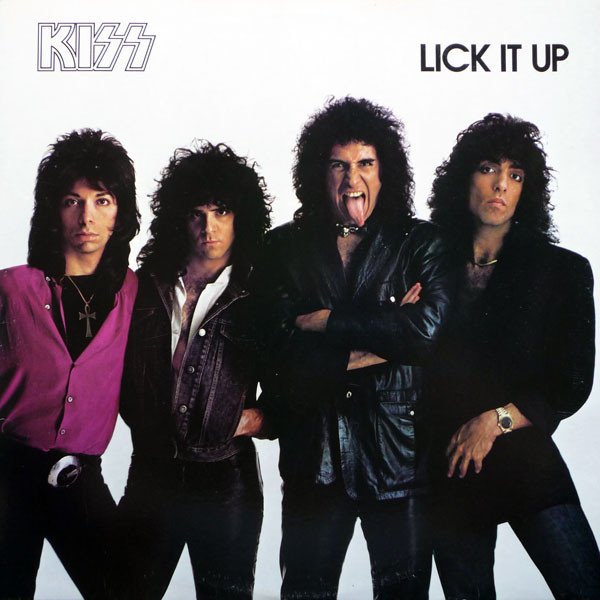
Kiss 16: Lick It Up

After nearly a decade in the business, Kiss had to do something, since their albums weren’t automatic sellers. So they decided it was time to finally ditch the makeup that had been their most distinctive trademark. In keeping with the times, their barefaced look was unveiled via the video for the title track of the new album. Those of us who hadn’t been keeping up with the lineup were surprised that Ace was as ugly as he looked; it turned out that wasn’t Ace but new lead guitarist Vinnie Vincent (née Cusano), who’d only had to wear the “ankh” design on his face for a mercifully short time.

Lick It Up was even more back-to-basics musically, as the songwriting credits were restricted to the four band members, and Vincent prominently. Vocals were evenly split between Paul and Gene, and nearly every song has a unique riff.

“Exciter” leaps out of the speakers with a more modern rhythm than their sludgier moments of the past, but still tight. Speaking of sludge, Gene’s voice is pretty muddy on the marauding “Not For The Innocent”. In context, the still-misogynistic title track sounds pretty tame, particularly when Gene comes back to yell his way through “Young And Wasted” against the jackhammer rhythm. “Gimme More” is more Stanley-by-numbers, as prescribed.

“All Hell’s Breakin’ Loose” opens with another riff kids would be trying to figure out next to their stereos, but is nearly spoiled by Paul’s not-quite-rapped vocal on the verses. “A Million To One” is the first you-done-me-wrong love-lost song, though Paul doesn’t quite connect the hook with the message. But that’s okay, because Gene is back to flex his manhood on “Fits Like A Glove” and threaten some “bitch” (his word, not ours) on “Dance All Over Your Face”. And after an intro that’s a pretty good imitation of Quadrophenia, they assure us in “And On The 8th Day” that “God created rock ‘n roll.”

With Lick It Up Kiss became just another hard ‘n heavy rock band. Helped along by the rise of hair metal in the ‘80s, they kept selling albums while cycling through one lead guitarist after another. Their brand remains as strong today as ever, just as their fans—who have since spawned generations of diehard converts—have remained loyal.

Kiss Lick It Up (1983)—3

Tuesday, August 29, 2023

Kinks 27: State Of Confusion

Having re-established themselves as a big act, Ray Davies and the Kinks picked up where they left off. State Of Confusion even sports a similar cover theme to Give The People What They Want, but features the whole band, which was nice of Ray, who still wrote and produced everything.

The title track is a solid rocker with great keyboards, and they thankfully drop the scream accent a few bars in. The lyrics are fairly generic, but the music and particularly the guitar parts make it work. On a similar theme, “Definite Maybe” takes on the angst of modern life from another angle and a different rhythm. Opening with a Hendrixian take on “Here Comes The Bride”, “Labour Of Love” is a blatantly cynical view of marriage, repeatedly described as “a two-headed transplant”. What sold the album was “Come Dancing”, still a charming retro tune in tone and theme, and we still crack up at the mother’s commentary in the quiet section. It’s also a nice respite from the loudness of the first three tracks. (The video is still as charming as ever.) That happy memory is dashed aside by the post-breakup scene in “Property”.

The melancholy mood continues in “Don’t Forget To Dance”, which not only shared a word from the first single, but repeated the spiv character from the video in its own. Still, the song is a nice sentiment, and well constructed. A wash of loud guitars brings in the noisy “Young Conservatives”, an astute observation on a political trend on both sides of the pond, even pulling in a reference to a “well respected man”. “Heart Of Gold” begins with the same chord figure of “Don’t Forget To Dance” but in a different key. The verses go all over the place, seeming to describe basic sibling rivalry in one, teenage rebellion in another, and a bridge about paparazzi, yet somehow Ray says the song was inspired by the child he’d just had with fiancée Chrissie Hynde. Despite the title, “Clichés Of The World (B Movie)” is the most successful portrait of modern psychodrama hear, except for maybe the sci-fi interlude that may refer to brother Dave’s recent adventures, which we’ll explain shortly. Dave gets to yell his way through “Bernadette”, which nobody seemed to notice was already a Four Tops title, nor did they think to modify the riff stolen directly from Little Richard’s “Lucille”. Ray’s sneered interlude doesn’t add much, either, and the album just kinda ends. (Dave was likely too busy anyway with his third solo album in as many years. Chosen People continued his flirtation with synths and drum machines, and was very competent rock-wise, but ignored overall. The title track and “True Story”, which seem to address his alleged visitation by aliens who began transmitting voices into his head around this time, likely didn’t help.)

State Of Confusion is, once again, ordinary but competent, but should please anyone who liked the last album. “Come Dancing” may well have helped a new generation further discover the band’s history; the videos certainly helped. As happened in those days, the cassette version offered a variation, in this case adding an extra song on each side: “Noise” is a rant about that subject, literally and metaphorically, while “Long Distance” is a decent chapter in his “life on the road is hard” saga. (These were both added to the eventual expanded CD, following the “original extended edit” of “Don’t Forget To Dance” and the outtake “Once A Thief”.)

The Kinks State Of Confusion (1983)—3
1999 Konk CD reissue: “same” as 1983 cassette, plus 2 extra tracks

Friday, July 14, 2023

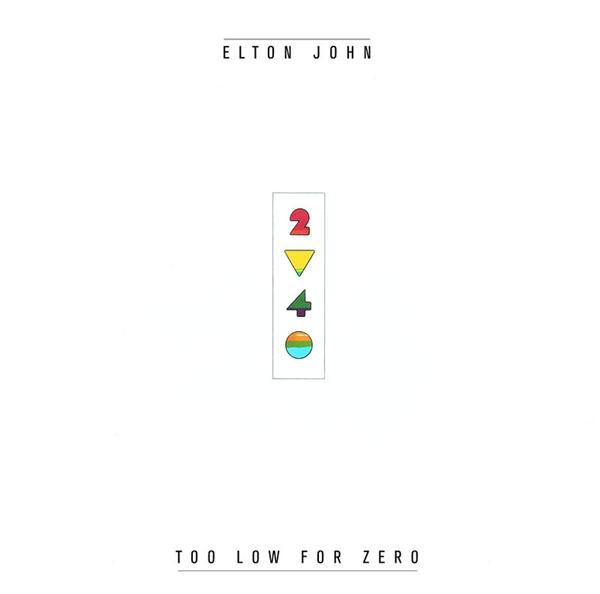
Elton John 22: Too Low For Zero

If nothing else, Elton John was determined to keep churning out music at a steady pace of a new album every year. Too Low For Zero kept him on the charts thanks to decent tunes as well as getting somewhat back to basics. Bernie Taupin was fully on board, providing the lyrics for every song, and so were all the members of the original Elton John Band.

Even Ray Cooper and Kiki Dee show up on “Cold As Christmas (In The Middle Of The Year)”, an odd choice for the lead track, given the title and subject matter (an older couple falling out of love). But it’s forgotten as soon as “I’m Still Standing” crashes in, and as wonderful a statement of purpose as any. The title track suffers from the keyboard and drum machines of the time—Elton is solely to blame, since James Newton Howard was no longer handling the synths—but there’s no denying its catchiness. “Religion” is a decent countrified track hampered by a lyrical indictment of hypocritical born-again types. (Social commentary was never this pair’s strong suit; that was about a decade away.) But he shows he can still get a hit with a slow one with “I Guess That’s Why They Call It The Blues”, another terrific track, helped along by a harmonica solo from Stevie Wonder. (Davey Johnstone gets credit for some of the music as well.)

Unfortunately, “Crystal” is in the same one-man-synth-band mode as the title track, but again, it’s got a terrific melody, and deserves to be rearranged. Its demo feel is underscored when it segues jarringly into the rocking, nearly Who-like “Kiss The Bride” with its welcome guitars. While “Whipping Boy” sounds like we’ve heard it before, it’s good and trashy in a way he and Bernie hadn’t been since the ‘70s, and like everything we’ve heard so far here, it’s infectious. It’s a quick segue to the slower “Saint”, with its opening fanfare straight from an Asia album, and the band supports the chorus well. Just as slow is “One More Arrow”, which seems to be an elegy for a doomed young man that Elton sings at the upper end of its register. Thus his best album in years ends hauntingly.

The contemporary sheen made sense then, and there are enough elements in Too Low For Zero to put it on the level of his ‘70s heights. It’s definitely worth revisiting. Even the lengthy B-sides included on the reissue, which seem to come from earlier sessions, aren’t that embarrassing. “Earn While You Learn” is a funky instrumental credited to Lord Choc Ice, “Dreamboat” is a Gary Osborne lyric that rhymes “dream on dreamboat” with “steam on steamboat”, and “The Retreat” is another Taupin rumination on dead soldiers that doesn’t quite evoke Tumbleweed Connection.

Elton John Too Low For Zero (1983)—3
1998 CD reissue: same as 1983, plus 3 extra tracks

Tuesday, December 21, 2021

Rickie Lee Jones 3: Girl At Her Volcano

The American record industry tried a few gimmicks in the early ‘80s to spur sales in the face of revenue lost to video games. One of these was the mini-album, which offered more music than a 45, but less than a full LP, and suitably priced. It didn’t exactly bring in buckets of cash, but in due time the compact disc would spur consumers to re-buy things they already had and all was well.

Rickie Lee Jones was able to use the mini-album as a stopgap while she readied her third album, plus reports suggest she was rehabbing from various addictions anyway. Girl At Her Volcano is a curious collection of covers, some live and some in the studio, and just one original. While under half an hour long, it’s still an artistic statement, and rather personal.

Billy Strayhorn’s “Lush Life” comes from a theater performance in Pasadena the year before, showing her depth and range. Her version of the ‘60s pop classic “Walk Away Renee” is enhanced by an original musical inversion apparently titled “Letters From The 9th Ward”, and it’s possibly our favorite version of this particular tearjerker. The mood of regret continues with “Hey Bub”, said to be the first song written for Pirates, but not recorded until this project. Despite the off-mic flirting with the audience at L.A.’s Roxy, the classic “My Funny Valentine” is delivered slowly and carefully, considering every word, until the sobs take over the final verse while the piano matches her timing.

In her more joyful street-corner version of “Under The Boardwalk”, she’s one of several voices singing; it’s a break from the down tone of side one, but just a little too sterile for us. While the phrase was mentioned on the title track of the last album, “Rainbow Sleeves” is a Tom Waits original supposedly written expressly for her at the height of their romance, and recorded during the sessions from the debut. Bette Midler recorded it first, and performed it in the original cinema release of her film Divine Madness, so there is some conjecture she, and not Rickie, was the intended recipient. Whatever the truth, this performance is heartbreaking. The brief benediction “So Long”, written by session man Neil Larsen with Lani Hall (former Brasil ’66, current Mrs. Herb Albert) for one of her albums, would also appear to be left over from the first album. (The cassette got a bonus in a four-year-old live performance of “Something Cool”, with Lyle Mays on synthesizer, that goes from cute to soaring to, yes, cool.)

Girl At Her Volcano was hard to find for a while, having only been released on CD in Japan, where they release everything. Now that it’s available on streaming services, this key step in her history can be more widely enjoyed. For one, this was the last of the jazzy beatnik in the beret for some time.

Rickie Lee Jones Girl At Her Volcano (1983)—3

Tuesday, November 30, 2021

Roxy Music 10: The High Road

Roxy Music’s tour supporting Avalon was commemorated two ways: a videocassette chronicling a show in France, and a four-song EP (or mini-album, as they called them in the U.S. in the early ‘80s) recorded live in Glasgow, both titled The High Road. The timing was smart, as they coincided with the American leg of the tour.

Rather than rehash stuff from the hit album, the EP selections included “Can’t Let Go” from Bryan Ferry’s most recent solo album, a decent version of “My Only Love” from Flesh + Blood that leaves plenty of room for Phil Manzanera to shred and Andy Mackay to wail, and two “new” covers. John Lennon’s “Jealous Guy” had been in their set as a tribute since his murder two years before, while the band—mostly the backup singers—sucks all the tension and passion out of Neil Young’s “Like A Hurricane” in a version that’s even longer than the original.

That was the last anybody heard of Roxy Music as an entity for seven years, when Heart Still Beating was released with a minimum of fanfare. While the liner notes state that it was recorded in France in 1982, experts have reported that it does indeed include the four tracks from The High Road throughout the sequence, which also does not emulate an actual setlist, nor replicate a complete show, running only 67 minutes.

Yeah, but what about the music? The focus is on recent hits, so there’s a smattering from Avalon, plus a welcome “Dance Away”. The first wave of the band is represented by “Out Of The Blue”, “A Song For Europe”, “Both Ends Burning”, “Love Is The Drug”, and a not-very-decadent “Editions Of You”. Bryan even steps aside for Phil to lead a frenzied take on his solo track “Impossible Guitar”, which the band tackles gamely.

Even with its omissions, Heart Still Beating is a nicer souvenir of the second Roxy era than the mini-LP was. And it caps the trajectory just as Viva! did for the first period of the band.

Roxy Music The High Road (1983)—
Roxy Music
Heart Still Beating (1990)—3

Friday, May 17, 2019

Talking Heads 6: Speaking In Tongues

A break seemed to do Talking Heads a bit of good, as their next album was concise and mostly coherent. Speaking In Tongues eschewed the experimentalism of the Eno years, delivering a set of upbeat yet still quirky tunes, just like the first album, but updated for the ‘80s and with danceable grooves.

That said, opening track and first single “Burning Down The House” managed to become a regular earworm with its prominent acoustic guitar over a minimalist backing, up against spooky modern keyboard whooshes and burps. (The band already well versed in the visual arts, the accompanying music video also helped sell the album.) The dance party continues with an exhortation at the top of “Making Flippy Floppy”, proving that David Byrne might have actually listened to his rhythm section’s Tom Tom Club side project in between Prince albums. “Girlfriend Is Better” revives the twisted love songs that started them out, punctuated by laser-gun synth bursts atop what we now know as a hip-hop groove. “Slippery People” is another apt title, and “I Get Wild/Wild Gravity” is equally rubbery.

The tempo finally slows, just a hair, for “Swamp” and its chant of a chorus, but it’s still catchy. “Moon Rocks” takes the disco to outer space, with a few of the third-world textures left over from their Eno era, and “Pull Up The Roots” adds a few chord changes to split up the rhythm. One of the most striking tracks arrives with “This Must Be The Place (Naïve Melody)”, which actually tries to present a structured song, and something of a love song at that.

There’s a lot of sameness throughout Speaking In Tongues, but it’s never boring. Each of the band members contributes greatly, even democratically to each track, and a handful of vocalists and extra musicians add to the sonic palette, but it never seems crowded. (The cassette had been dominating album sales for some time, and the tape version of this album offered extended versions of five songs for an extra six minutes of music; this did not apply to the compact disc for some time. When the album was reissued on CD in this century, it was in the DualDisc format, which housed DVD-formatted visual material on the opposite side of the audio portion, which included the extended versions as well as one outtake plus a new mix of “Burning Down The House”.)

Talking Heads Speaking In Tongues (1983)—3
2006 DualDisc: same as 1983, plus 2 extra tracks

Tuesday, October 16, 2018

Frank Zappa 35: London Symphony Orchestra

In early 1983, Frank hooked up with young up-and-conducting conductor Kent Nagano to take another stab at recording his “classical” music, this time with the London Symphony Orchestra. According to Frank, the experience was excruciating, from the costs of transcribing all the parts for all the players to what he deemed a lack of respect from said players, who didn’t take the challenge seriously enough for his taste, even—horrors!—spending their breaks in the sessions at the local pub. Whatever the story (and there are several versions), three days of sessions resulted in 90 minutes of music, which may or may not have been edited before release to fix mistakes and whatnot.

Just as the execution of getting this stuff recorded in the first place was a logistical nightmare, its eventual appearance has been just as convoluted. First there was The London Symphony Orchestra Vol. I LP in 1983, credited to “Zappa”. In 1986, Rykodisc replaced two of those tracks with a 24-minute arrangement of “Bogus Pomp” on a CD credited to his full name, but with no article before or number after the title. A vinyl and cassette release a year later, called London Symphony Orchestra Vol. II (credited to full name again), included “Bogus Pomp” plus two more pieces. Not until 1995 did all of the pieces appear together in one place, in a new sequence as a two-CD set credited to his full name and appended as “Vol. 1 & 2”. The 2012 version approved by the family has it back to the surname and Roman numerals, and helpfully has both official release numbers on the spine.

This is exactly the type of minutiae that occupies and enrages Zappa collectors, and for the sake of this review we’re going to break tradition and assign the rating to the double-disc edition, out of its chronology, just because it’s easier.

Is it essential? No. Is it awful? No. Being modern classical music, influences from 20th century composers make the tunes difficult to hum. Titles like “Bob In Dacron” and “Mo ‘N Herb’s Vacation”, much like those on Shut Up 'N Play Yer Guitar, seem fairly arbitrary. Frank would often say the music was intended to accompany a ballet, and provided liner notes describing the alleged albeit outlandish plot. More often the effect is more like listening to a film score without dialogue, or a soundtrack from a Looney Tunes or Tom & Jerry short. “Envelopes” is transformed from its “rock” incarnation on Ship Arriving Too Late… Three selections are updates from Orchestral Favorites; as mentioned, “Bogus Pomp” is longer here and incorporates even more elements of the 200 Motels suite, as well as some charts going back to 1968. This version of “Strictly Genteel”, however, is a keeper.

Zappa The London Symphony Orchestra Vol. I & II (1995)—3

Tuesday, May 8, 2018

Frank Zappa 34: Baby Snakes

Frank had lots of grand ambitions, and often spoke of big projects and productions that would inevitably evolve as time went on and money ran out, and would almost as inevitably go unfinished. One of the few that did happen was Baby Snakes, filmed during the Halloween run in 1977 at New York’s Palladium, released about two years later with claymation segments and other hijinks edited in. The soundtrack companion appeared about four years after that, on a picture disc via mail order.

Basically we have about 36 minutes of music from a film that ran over four times as long, fitting chronologically just before Sheik Yerbouti. In fact, the title song is merely an edit of the album track. “Titties & Beer” gets a mild edge over its previously heard version due to the modified exchange between Frank and Terry Bozzio—to wit, Frank says he’s been through hell already, having been “signed with Warner Bros. for eight f—kin’ years!” “The Black Page #2” (sans drum solo) provides a transition to “Jones Crusher”, well sung by Adrian Belew.

“Dinah-Moe-Humm” was always a crowd-pleaser, yet this version follows Zappa’s wearying trend of inviting excitable audience members up to dance and be ridiculed, and loses a lot without the visuals. “Punky’s Whips”, though familiar from the Zappa In New York CD, was not included on the album, so it makes its first appearance here. So we get even more vocalizing from Terry Bozzio, in between some decent musical interludes (including the quote from “Isn’t It Romantic”, but somehow not “Sunshine Of Your Love”, which pops up repeatedly elsewhere).

Due to its length and despite its relative obscurity, Baby Snakes was always something of a minor but not disposable album. 1988’s CD added a minute or so of dialogue at the top, and removed the gap between the two album sides, and that was it for extras. The film itself was available on VHS in both its full version and a 90-minute edit, and many years later, for one of their periodic birthday tributes, the Zappa Family Trust offered all 164 minutes of the audio as Baby Snakes—The Compleat Soundtrack for download. If that wasn’t enough, the fortieth anniversary of the concerts brought forth Halloween 77, offered in a package with a Zappa costume and mask and a USB stick with all six shows from the run. The October 31 show, from which much of the original Baby Snakes album was compiled, was simultaneously released as a three-CD set, with bonus tracks from the show the night before.

Frank Zappa Baby Snakes (1983)—3

Friday, April 6, 2018

Genesis 14: Genesis

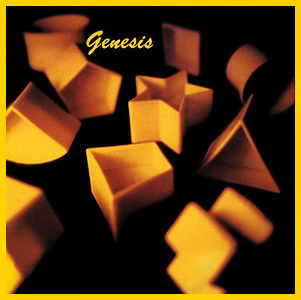
After touring to support Three Sides Live, and taking a few months off for Phil Collins to push his second solo album, Genesis went right back to work on their next album, and had it out by the end of the year. (Right after Phil finished a brief tour as Robert Plant’s drummer.) Titled simply Genesis, it has since been referred to as the “Mama album”, thanks to the opening track and first single, whereas we immediately recognized the childhood toy depicted on the cover.

“Mama” was a good choice for an introduction to the album, as its harsh sound dragged the band back from the pop sound people had begun to associate with them. (Another good sign: no horn sections anywhere.) That said, “That’s All” is fairly simple, both in execution and lyrics. The next two tracks form a suite that completes the side, just like the old days. “Home By The Sea” takes some time to absorb; apparently the repeated demands to “sit down” come from the ghosts occupying said home. “Second Home By The Sea” is a lazy title, but nicely pairs with its brother, bringing everything full circle in the last minute.

That’s a pretty decent album side, but the execrable “Illegal Alien” is up there with the worst songs the band has ever committed to posterity. At best it’s an accurate Men At Work pastiche, but even they had the taste not to go this politically incorrect. (The video was no help either.) “Taking It All Too Hard” is a little better, back to Phil’s recently patented breakup lyrics. Around our way “Just A Job To Do” was an FM radio staple, a heavier track with good band interplay. One of the sneakier songs in their catalog, “Silver Rainbow” begins with a catalog of paradoxes, then moves into what seems like a cautionary lecture, until you realize he’s talking about the first time making out with a girl (“and a bear comes in the room” being a particularly red herring). Finally, “It’s Gonna Get Better” works around tricky time signatures and finds a suitable melody to deliver its uplifting message.

“Illegal Alien” aside, Genesis remains one of their better albums because the three of them were still playing like a band, contributing equally. We’ll go so far as to say it was their last good album, which says a lot, considering how busy they’d been up to this point.

Genesis Genesis (1983)—

Friday, December 29, 2017

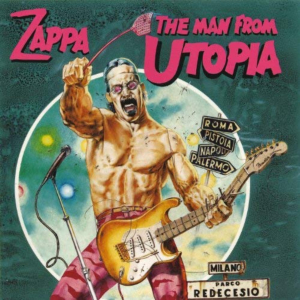
Frank Zappa 33: The Man From Utopia

Right around this time Frank started (over)using a vocal technique he called “meltdown”, which was really just him singing in an overly smarmy lounge-jazz voice, which is funny for about half a minute. The only possibly interesting aspect of the technique was that whiz-kid guitarist Steve Vai would listen to the tapes of Frank thus emoting onstage, then painstakingly transcribe the notes so he could double the vocalizing via overdub on the track. Frank, naturally, was so proud of his extemporaneous brilliance that his vocal on the completed track (and subsequent album product) remained mixed just as high, while the more impressive guitar work (again, not his, but he “wrote” it) takes the aural back seat.

This is important to know, because The Man From Utopia suffers for it. It starts okay with “Cocaine Decisions”, a rather well-thought-out diatribe against young urban professionals who spent much of their salaries on Columbian sky candy, to the point where their jobs might be affected. Then the meltdown takes over “The Dangerous Kitchen”, an otherwise clever portrait of what the facilities at the Zappa household looked like when various musicians, employees, progeny and assorted friends went in search for sustenance. “Tink Walks Amok” is a multi-layered, multi-bass solo performed by Arthur Barrow, peppered occasionally by the “My Sharona” riff Frank was so fond of quoting. Unfortunately it’s elbowed aside by “The Radio Is Broken”, wherein Frank and Roy Estrada both use the meltdown voice to crack each other up whilst describing old sci-fi horror movies. Roy does throw in his falsetto briefly, with an original Mothers throwback reference. A good old snork opens “Mōggio”, a welcome instrumental.

“The Man From Utopia Meets Mary Lou” combines two R&B sides from the mid-‘50s, sung in style, but losing something with the modern instrumental sheen. “Stick Together” is another diatribe, this time against American unions, delivered over a reggae beat and the same two chords, salvaged slightly by the asides from Ray White and Ike Willis. As it doesn’t say anything new, “SEX” is puerile by even Frank’s standards, relying on a couplet that Spinal Tap would use to much better (and funnier) effect. The respite from the meltdown is broken by “The Jazz Discharge Party Hats”, yet another summary of the sexual-scatological exploits involving the band and crew. Finally, “We Are Not Alone” is a fairly rocking instrumental, heavy on saxophones, with a couple of intriguing changes in tempo and use of mandolin.

In another case of post-partum tampering, the first authorized CD issue of The Man From Utopia was not only remixed, but re-edited and re-sequenced. This breaks up the meltdown selections a little better, but the albums isn’t improved as a whole. The side-ending instrumentals are swapped, so the disc now ends with “Mōggio”, but first one must endure (or skip) “Luigi & The Wise Guys”, a doo-wop harmony piece that doesn’t say much more than “you’re a dork”. After which, the listener may either agree or feel insulted. Especially coming after “The Jazz Discharge Party Hats”.

Frank Zappa The Man From Utopia (1983)—2
1993 Barking Pumpkin CD: “same” as 1983, plus 1 extra track

Friday, August 26, 2016

Journey 7: Frontiers

Now that they were huge, Journey was able to keep the lineup intact for two albums in a row, but where could they go after their Escape? Frontiers isn’t the obvious answer, nor is the skydiving photo session, but that’s what they did, balancing their now-patented power ballads with their loudest guitars (and huskiest voices) yet.

The first synthesizer notes will immediately bring to mind the unintentional comedy of the “Separate Ways” video, that wonderful showcase of method acting, tight close-ups, and way-too-earnest air guitaring, keyboarding and drumming, all seemingly taking place behind a Home Depot, as if the woman in question had nowhere else to walk. “Send Her My Love” is one of the secrets here, even though it was a single, and another one of those songs that immediately reduces a sensitive teenage boy to absolute mush. Following that, “Chain Reaction” is loud and annoying, a slap in the face. “After The Fall” is a little better, at least easier to sway to, but not as big a hit as “Faithfully”, which is probably being played at a wedding somewhere right now. (And the impetus for yet another unintentionally hilarious video, including lots of setup shots of bone-tired musicians Out On The Road, and chronicling Steve Perry’s battle versus his mustache. We can thank this video for Jon Bob Jovi’s “Wanted Dead Or Alive”.) We should also mention that Jonathan Cain, who wrote the song for his then-wife, hasn’t been married to her since the Reagan administration. Not to worry, she went on to invest in implants that kept her in Skinemax movies for the duration of the century.

Side one sports four of the album’s singles, so side two often gets short shrift. Speaking of secrets, “Edge Of The Blade” doesn’t seem to get any love anywhere, besides having a terrific riff and a great overall performance. “Troubled Child” provides some welcome dynamics, if not the same drama of “Mother, Father”, but “Back Talk” is just a pile of noise, based around one of Steve Smith’s less inspired drum parts. The title track is a little more complicated, but overstays its welcome with the poor decision of delayed, repeating vocals. Thankfully, “Rubicon” is a good showcase for everybody, and a strong closer.

While it’s hardly a controversy on the level of the rejigged Blood On The Tracks or Infidels albums, Frontiers is notable today for the songs that were left off. “Only The Young” and “Ask The Lonely” were originally in the track sequence but pulled (replaced by “Back Talk” and “Troubled Child”). Both would surface down the road as soundtrack contributions, and become worthy inclusions on key Journey compilations as fan favorites. Both are on the CD you can buy today, along with a couple of other songs of the period, but the question remains: where would those tracks have fit on the original LP? Both have such a big sound that having them stuck back to back in the middle of side two, where the replacements resided, makes no sense. We haven’t settled on a sequence we like, simply because we much prefer “Troubled Child” to “Chain Reaction”, which isn’t part of the equation. But if you want to reprogram the modern CD for a better overall album, skip right from “Send Her My Love” to “After The Fall”, which would have “Edge Of The Blade” ending side one. Start side two with “Only The Young”, and follow “Troubled Child” with “Ask The Lonely”. (In other words: 1, 2, 4, 5, 6, 11, 7, 12, 9, 10. You’re welcome.)

Journey Frontiers (1983)—
2006 CD reissue: same as 1983, plus 4 extra tracks

Tuesday, February 2, 2016

Marshall Crenshaw 2: Field Day

His first album being such a fresh kick, there was a lot of pressure for Marshall Crenshaw’s follow-up. Field Day keeps most of the recipe without being a carbon copy.

Smart students of rock ‘n roll know you’re supposed to start the album with the lead single, and that’s why “Whenever You’re On My Mind” is such a great opener. There’s the opening riff, which is vocalized in the verses and along with the solo, and the classic chorus. “Our Town” and “One More Reason” gallop along, though the words get a little lost in Steve Lillywhite’s boomy production. (Then again, the engineer was Scott Litt, just a few years away from dealing with Michael Stipe’s mumbling for R.E.M.) “Try” doesn’t really sink in, but pay attention to the litany of impossible tasks he’ll undergo for “One Day With You”.

Remember how great the first side began? Side two does the same with “For Her Love”, with another infectious riff and a tasty lick that forms both the middle eight and the coda. “Monday Morning Rock” is a mildly salacious sentiment from such a clean-cut kid, someone we associate more with the lovelorn fella in “All I Know Right Now”. While it’s no “Soldier Of Love”, “What Time Is It?” revives a little-known early-‘60s doo-wop side via a nice baritone guitar. And somehow the processed drum echoes at the end of “Hold It” provide a nice conclusion.

One doubts that the artiste would ever strip some of the echo from Field Day given the chance—there is something of a precedent for that, of course—given that he’s repeatedly defended Lillywhite’s work. In fact, three of the album’s songs were released on a British EP called U.S. Remix against his wishes. These were included in a 2019 vinyl-only reissue that altered the original cover art which he always hated. When he got the rights back, his expanded version included only the live version of “Little Sister” from that EP, a B-side cover of “Jungle Rock”, and four session outtakes. (He also changed the cover again.) At any rate, the songs are still pretty good, and at least he didn’t take a complete dive on his sophomore effort.

Marshall Crenshaw Field Day (1983)—3
2023 40th Anniversary Expanded Edition: same as 1982, plus 6 extra tracks

Tuesday, September 1, 2015

Replacements 3: Hootenanny

The Replacements were ever determined to wipe their noses in the direction of anyone who’d take them seriously. The cover graphics and liner notes on Hootenanny are a diversion tactic, demonstrated immediately by the shambolic title track, wherein the band members swap instruments.

From there it’s another see-saw ride between punk thrash and tuneful attempts at pop. “Run It” is about the joys of ignoring traffic signals, but “Color Me Impressed” is Paul Westerberg’s first great rock song, and “Willpower” demonstrates how they’d figured out dynamics in the studio (as demonstrated by “Go” on the Stink EP). And then there’s “Take Me Down To The Hospital”, a boogie shuffle with actual cries of pain. There’s a reference to blisters on fingers at the end, a good setup for the last song on the side. The credit for “Mr. Whirly” reads “mostly stolen”, and indeed, it begins with the intro of “Strawberry Fields Forever”, devotes a verse to “The Twist”, and finishes with an extemporaneous section devoted to the title sung to the tune of “Oh! Darling”.

Side two tries to cover more ground. Westerberg’s solo-with-drum-machine “Within Your Reach” was hailed at the time for its depth, but now it just sounds as dated as that drum machine. (And reminds one of the less wincey moments of Say Anything.) “Buck Hill” is a fairly competent instrumental, while “Lovelines” consists of Westerberg reading the personals, harmonized, over a cool groove. “You Lose” and “Hayday” straddle that see-saw, while the unamplified “Treatment Bound” comes closest to an actual hootenanny.

With just a little more polish, Hootenanny would be more than obnoxious, but they weren’t there yet. That’s why we can’t give it a passing grade. (The expanded CD gets points for adding “Lookin’ For Ya”, plus a fast remake of “Johnny’s Gonna Die” and a better rehearsed “Treatment Bound”.)

The Replacements Hootenanny (1983)—
2008 CD reissue: same as 1983, plus 7 extra tracks

Friday, February 20, 2015

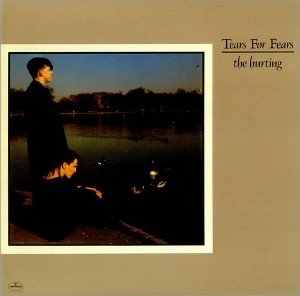
Tears For Fears 1: The Hurting

Synth-pop was huge in the early ‘80s, and even bands that didn’t have any real songwriting talent could fall back on production to stand out from the pack. Tears For Fears straddled that territory very well by matching modern sounds to mopey lyrics about the pain of childhood. Much of The Hurting covers that theme, with song titles taken from the works of Arthur Janov, the inventor of primal scream therapy.

But even with that source, the album is catchy. Its three hit singles still stand out in particular: “Mad World”, with its robotic drums and taunting fake trumpets; “Pale Shelter”, built on a straight rock beat and acoustic major-sevenths; and “Change”, driven by edgy marimbas. All were sung by bass player Curt Smith, who was the prettier of the two boys featured on the record sleeves. (The other one, Roland Orzabal, did all the writing, channeling his angst through a series of unfortunate haircuts.) Peter Gabriel’s influence looms large, particularly on “Ideas As Opiates”, which begins sounding a lot like “Biko”, and spending a minute chasing correct pitch at the end. “Start Of The Breakdown” utilizes a Yamaha electric piano familiar from Gabriel records as well. Mel Collins, once of King Crimson and lately with Dire Straits, adds saxophone when asked.

Despite the overwrought “Memories Fade” and “Watch Me Bleed”, gloom does not rule the day here. “Suffer The Children” is a lot cheerier than one might expect, especially in comparison to the Smiths song of a similar title. Even the title track builds into textbook early ‘80s ear candy. That said, “The Prisoner” is extremely abrasive, and would have made a better B-side (which it was, and is included with plenty more variations, remixes and BBC recordings of the album’s songs in the latest Super Deluxe Edition reissue).

A lot of The Hurting sounds dated, but again, take those three singles and they’re even better out of context. And there was no indication they’d ever progress beyond this.

Tears For Fears The Hurting (1983)—3
1999 remastered CD: same as 1983, plus 4 extra tracks
2013 Super Deluxe 30th Anniversary Edition: same as 1983, plus 26 extra tracks and DVD

Friday, November 28, 2014

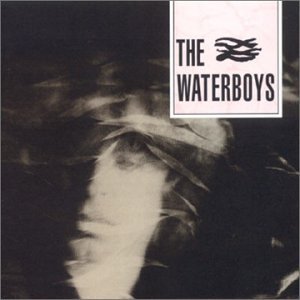
Waterboys 1: The Waterboys

The brain child of one Mike Scott, an earnest young man equally obsessed with romantic poetry and pop music, the band known as The Waterboys went through a variety of styles and even more permutations in a relatively short time without ever truly catching on in the States outside of what used to be considered alternative radio. For the first few albums anyway, there was a consistency, best described by the eventual song title “The Big Music”. In the early ‘80s, this was a style comparable to that of U2 and Big Country, suggesting that the smaller countries in the British Isles were about to take over music. (They didn’t, but it was nice while it lasted.)

The Waterboys is pretty solid for a mostly one-man band effort recorded across different sessions. The trilling “December” is an unlikely Christmas song, so much so that it needn’t be limited to just one time of year. “A Girl Called Johnny” was the first single, sporting the distinctive sax of the even more distinctively named Anthony Thistlethwaite, fresh from Robyn Hitchcock sessions, and who would be the most consistent Waterboy through most of their career. “It Should Have Been You” is the most traditionally constructed song, if a bit overwrought vocally. “The Girl In The Swing” isn’t much, but its 6/8 time nicely matches the image of the title.

His piano playing is a lot more interesting than the plodding style from later albums, as demonstrated on the meandering yet mesmerizing “Gala”, which any other producer would have edited severely. From time to time the drum machine gets a little robotic, as on “The Three Day Man”, yet the one track with a full band, the pointedly defiant “I Will Not Follow”, not exactly a riposte to those Irish boys, sounds the most like vintage ‘80s. Speaking of which, “Savage Earth Heart” isn’t too far removed from Dublin either; while another long solo performance, one can hear the potential to sound bigger and better with a full band.

The Waterboys appeared in North America first as a five-song mini-album, before becoming standard worldwide with eight songs. With the rejigging of the catalog, it’s since been expanded with a few B-sides, unreleased tracks, and “Gala” extended to its full 9½-minute length. It remains an impressive debut.

The Waterboys The Waterboys (1983)—3
2002 CD remaster: same as 1983, plus 7 extra tracks

Tuesday, May 27, 2014

Paul Rodgers: Cut Loose

Perhaps to prove that he still had something to offer, Paul Rodgers’ first solo album, which arrived only a year after the last, disappointing Bad Company album, was presented as a one-man band. Everything on Cut Loose, including drums and all the lead guitars, were supposedly played by him and him alone. We knew he was good, but we didn’t know he was that good. (Plus, the shorter hair and trimmed unibrow made a striking statement amidst the uninspired, Hipgnosis-free cover art.)

A blast of tight, distorted guitar opens “Fragile”, before switching gears into the galloping verse; both sections are better than the lyrics, which don’t have a lot to say, but we don’t look to this guy for deep philosophy anyways. The title track has the same theme of “Movin’ On”, “Run With The Pack” and plenty of his other “road” songs, and it’s easy to imagine this with Badco. “Live In Peace” will be familiar to anyone who bought the second Firm album; the big difference is that the drums play the same rhythm all the way through instead of the dynamic bombast the band brought to it. It’s even got a decent solo. “Sweet Sensation” is a little wimpy—maybe it’s the drum machine—but ends up being pretty catchy. “Rising Sun” is based around a repetitive piano motif with classical undertones, but after several repeats (because, after all, “no mountain is too high, no river is too wide”) it starts to resemble the Psycho theme.

“Boogie Mama” is about as generic as you can get, and was also covered by The Firm at their first concerts. So was “Morning After The Night Before”, which is a much better song until you realize he’s playing the opening arpeggio from “More Than A Feeling”. “Northwinds” finds him back on the road in another song made for his old band, while “Superstar Woman” was actually left over from their first album. Finally, one can be excused for dreading what “Talking Guitar Blues” could be on an album like this, but it’s a harmless strut along the lines of “Rock Steady”. It even ends with a smattering of applause.

Virtually ignored at the time, Cut Loose helps to cleanse the palate after the sterile thud of Rough Diamonds, particularly if you’re not expecting much. It certainly puts him in a positive light, and much more than the strutting rooster stereotype he’d filled up till this point. But even the mild interest in The Firm a few years later didn’t help it sell.

Paul Rodgers Cut Loose (1983)—3

Friday, September 20, 2013

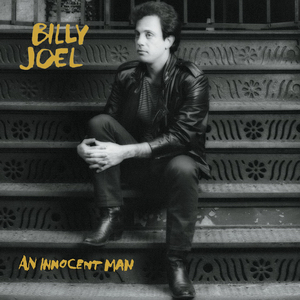
Billy Joel 11: An Innocent Man

So Billy Joel managed to fall in requited love with supermodel Christie Brinkley, giving hope to short dog-faced guys everywhere. (This after allegedly dating Elle Macpherson as well.) His happiness spurred his next genre experiment; where The Nylon Curtain was rightfully called Beatlesque, An Innocent Man was anything but, taking inspiration from the R&B and soul music that dominated the charts before the British Invasion.

His joy was infectious, as six of the album’s ten tracks were hit singles. At the risk of playing out a game of Spot the Influence, not everything on the album was as overt as “Uptown Girl”, which aped the Four Seasons, or “The Longest Time”, which brought a cappella doo-wop back to the radio. It helped that the songs could stand on their own. “Tell Her About It” was the first hit, spurred by a cute video complete with an Ed Sullivan impersonator and a cameo by Rodney Dangerfield (right around the time when his movie Easy Money came out, the title song of which happened to be the opening track on the album at hand). “Leave A Tender Moment Alone” helped revive the popularity of Toots Thielemans, whose harmonica would find its way to another Phil Ramone production a year later when Julian Lennon had a hit with “Too Late For Goodbyes”. Even the title track, a smooth pastiche of the Drifters that ran over five minutes, got airplay.

The woman who started it all got only one namecheck on the album, though “Christie Lee” is not exactly a highlight. “This Night” uses the vintage gimmick of borrowing from the classics—in this case, Beethoven’s Sonata Pathétique—for the chorus, rendering that melody impervious to any other connotation. “Careless Talk” gets closer to the Sam Cooke style, but unfortunately, Billy is no Steve Perry. The one song that comes off the most contemporary is “Keeping The Faith”, which limits the nostalgia references to the lyrics, and effectively closes the album.

An Innocent Man had a lot of legs, with those hit singles carrying the album well into the following year. Being more pop than rock, it didn’t help his standing on the AOR stations, but Top 40 ate it up. And of course, being able to show off his girlfriend in his videos ensured that even the kids listening to Rush and Def Leppard looked forward to seeing him on MTV.

Billy Joel An Innocent Man (1983)—3

Friday, August 16, 2013

Jam 8: Snap!

Having already closed out their short career with a live retrospective, it was high time for a Jam hits album. Snap! was a two-record set, packed to the gills with all of their singles, plus album tracks and B-sides. That last detail is key, because while The Jam made some excellent albums, their singles put them firmly in the tradition of the Beatles before them (and the Smiths after) by ensuring that every record counted, be it a single, LP or EP.

And they had some terrific singles in between those albums. “All Around The World” combines the energy of their first two albums with a call-and-response vocal; Bruce Foxton even got his own moment to shine on “News Of The World” two 45s later. (And what came between those? “The Modern World”, of course.) All Mod Cons gets the most representation with six tracks, leading up to two superior double-sided singles. The narrator of “Strange Town” takes the guise of “a spaceman from those UFOs”, but it’s just as fitting a description of any naïf lost in the Big City. “The Butterfly Collector” is a particularly nasty speech to an aging strumpet. “When You’re Young” dispenses further wisdom to “kids” his own age, while “Smithers-Jones”, in its original B-side guise, will always inspire debate as whether it or the tarted-up version on Setting Sons is better. Those were great singles, but the top was “Going Underground”, a masterpiece of melody, anger and fear, while “Dreams Of Children” predicts the Revolver-isms of their next album with a familiar riff and what sounds like the chorus of “Thick As Thieves” run backwards over it.

“That’s Entertainment” appears in a very similar demo version, while a remixed “Funeral Pyre” (written by the whole band) conjures the image of flames over a galloping rhythm. The horn section kicks off the final phase of their career for “Absolute Beginners”, but its upbeat mood is tempered by the haunting “Tales From The Riverbank”. The band’s last two hits were as elaborate as they were foretelling; “The Bitterest Pill (I Ever Had To Swallow)” sports bright strings, intricate guitar parts and a hilariously tragic lyric, while “Beat Surrender” overturns the anger of his younger days with a determination to rise above the BS. It provides an optimistic conclusion.

The original LP set (which came with a bonus EP of songs from their final show) was soon rejigged for the emerging compact disc format; since everything wouldn’t fit, Compact Snap! has eight fewer songs, sacrificing a few B-sides and album tracks, but still including every A-side. In 1991, after the reemergence of Paul Weller as a rock artist, the label released Greatest Hits, which duplicated most of Compact Snap!, with only a few substitutions. Six years later, The Very Best Of The Jam (not released in the US) added two more songs, while 2002’s The Sound Of The Jam took another stab at compiling their best. It wasn’t until 2006 that Snap! was reissued in a full two-CD package (three if you bought the one with the live EP) with all 29 songs. Even the inclusion of “Precious” can’t diminish the quality of this music.

The Jam Snap! (1983)—5
Compact Snap! CD: same as above, minus 8 tracks

Monday, May 13, 2013

Van Morrison 16: Inarticulate Speech Of The Heart

Well, this was certainly different. Inarticulate Speech Of The Heart is a largely overlooked album, and for good reason. For one, there were no hits on it. It was also one of the last of Van’s albums to appear on CD, so it wasn’t exactly high profile. There’s a reliance on instrumentals, which tend to be more moods than compositions, as hinted at on “Scandinavia” from the year before on Beautiful Vision.

And overall, it doesn’t really sound like a Van Morrison album. Part of this can be attributed to trumpet player Mark Isham, who’d moved from sessions for the esoteric ECM label to Van’s studio band, playing with a number of synthesizers that increased with each album. A wash of warm synths pervades each track, a sound that would be more effective on his own solo debut for the Windham Hill new age label; here, it gets bland.

“Higher Than The World” is an attempt to start at speed, but doesn’t quite catch fire. “River Of Time” oddly brings to mind Robyn Hitchcock’s “52 Stations”, while “Rave On, John Donne” is a recitation over a two-chord bed, his brogue calling up the names of great poets (leaving out, thankfully, L. Ron Hubbard, who gets “thanks” on the album cover). In between are “Connswater”, an instrumental jig buried, again, under the keyboards, and “Celtic Swing”, which begins slowly, but the band comes in behind the sax.

“Inarticulate Speech Of The Heart No. 1” is yet another lengthy instrumental, this time more in the mode of “Scandinavia” with its precise piano intervals, while a melody emerges that was first hinted at on “Stepping Out Queen” and will appear again. It’s actually mesmerizing, with a great rush when the band kicks in, and we don’t even mind the moaning women. “Irish Heartbeat” is actually something of a song instead of an atmosphere for once, and would get a better treatment down the road as well. Conversely, “The Street Only Knew Your Name” is an older song revived here, slightly rearranged, heavy on the keyboards, naturally. The interplay at the end of “Cry For Home” suggests that it’s a live group recording, as opposed to being assembled piecemeal like so many albums of its era. But as lovely as the first part was, “Inarticulate Speech Of The Heart No. 2” doesn’t do much besides repeat the title to form its lyrics (and to aver, “I’m a soul in wonder”).

Inarticulate Speech Of The Heart is a nice album, but only exciting in moments. (And the best song he recorded that year, a Robbie Robertson production of “Wonderful Remark”, wasn’t even included, only appearing on the King Of Comedy soundtrack. It was also ignored for the expanded CD, which instead got so-so alternates of “Cry For Home” and “Inarticulate Speech No. 2.”) Meanwhile, Warner Bros. wasn’t taking chances anymore, and dropped him in a major housecleaning.

Van Morrison Inarticulate Speech Of The Heart (1983)—
2008 CD reissue: same as 1983, plus 2 extra tracks