Showing posts with label waterboys. Show all posts

Tuesday, January 24, 2017

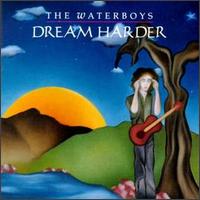
Waterboys 6: Dream Harder

The success of his “Celtic folk” period contrasted with the resurgence in popularity of “The Whole Of The Moon” thanks to a reissued single (and the fact that it’s a great frickin’ tune) seemed to inspire another left turn from Mike Scott, still using The Waterboys as the catch-all for his music. With Dream Harder, however, this particular turn damaged his axle, leaving him stuck in an ill-advised “rock” corner.

There’s nothing wrong with loud guitars, of course, especially since they’d been part of his sound all along. But the album was recorded with all hired hands, resulting in a mostly generic early-‘90s sound one would expect from the Geffen label, with only his reedy-weedy voice and spiritual lyrics tying the album to the Waterboys of yore. Granted, each of those albums used the moniker instead of his own name, but using it yet again for this batch of mostly indistinguishable tunes inspires the accusations of suckering the fans.

The first four tracks plow along with heavy drums and vocals in constant “wonder”, before “Corn Circles” provides variety in the way of a bluesy shuffle, but not much else. “Suffer” is stuck in a reggae groove with a guitar that won’t stop shredding, ending with a hardly surprising play on “shut the door”. Our ears prick up for “Winter Winter”, a lovely acoustic strum in a minor that sadly ends after 36 seconds to make way for a Yeats poem set to a power ballad tempo. The poem deserves a better backing, and the backing deserves a more fitting lyric. Then we get a fake nursery rhyme about the “Spiritual City” with prominent sitar for that psychedelic feel and a voiceover by Scottish comedian Billy Connolly for some reason. “Wonders Of Lewis” would be another impressionistic interlude being that it’s only two minutes, but then we have “The Return Of Jimi Hendrix”, another poem about a dream set to a Jim Keltner drum pattern, with a band Hendrix guitar imitation. It is, however, one of the few songs that mentions Yonkers, so there’s that. Not until the last track—“Good News”, with its Yamaha digital piano—does the album truly sound like him.

Dream Harder is a failed experiment, and not always the wisest move when you’re on a new label more concerned with pushing units on Nirvana, Aerosmith and Guns N’ Roses. While he can be commended for not rehashing the same old sound, this direction wasn’t the answer for what he should do next.

The Waterboys Dream Harder (1993)—2
Tuesday, February 9, 2016

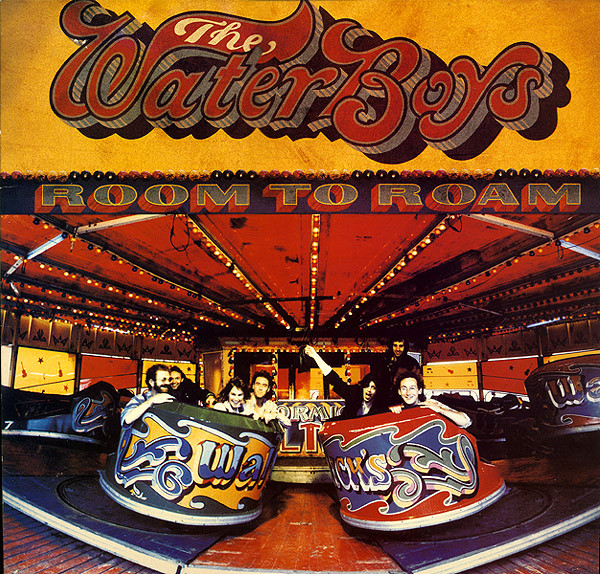
Waterboys 5: Room To Roam

Following the surprise success of Fisherman’s Blues, Mike Scott bolstered the Waterboys with some other traditional Celtic folk players for live shows, and recorded the follow-up fairly quickly. On Room To Roam, the electronic piano dominates, as does the co-production by the legendary Barry Beckett, but it’s very much in the same vein as its predecessor. For the most part, the emphasis remains on the jigs and reels, with only two songs longer than three or so minutes.

The first handful of tracks tumbles by quickly. “In Search Of A Rose” is pretty but brief, rudely interrupted by “Song From The End Of The World”, which also ends with a burst of seagulls when you think another verse should be happening. “A Man Is In Love” gets a little more room to settle in, ending with an upbeat instrumental portion called “Kalliope House” that is occasionally indexed on its own depending on what version of the album you’re playing. “Bigger Picture” continues the strum before being nudged aside by the traditional “Natural Bridge Blues”. Just as we think it’s all folk dances, “Something That Is Gone” brings the mood way down, with the man who’s in love lamenting his loss, and mournful saxes and violins convey the sadness. A brief interlude about “The Star And The Sea” is misplaced, particularly before the grand rock sound of “A Life Of Sundays”. Plowing away at one chord for the most of it, it still provides a wonderful catharsis and is the album’s only epic, ending with a spoken quote and even a chorus of “Yellow Submarine”. If the first side of the album is designed to lead up to this, the journey has been worth it.

Psychedelia continues on “Islandman”, which melds a didgeridoo with Scott’s declaration of oneness with most regions of the UK, then “The Raggle Taggle Gypsy” goes back to traditional folk and “How Long Will I Love You?” slides over into near pop. A wonderful unlisted snippet with the words “she’s all that I need” fades in and out before Steve Wickham intones the almost as brief “Upon The Wind And Waves”. “Spring Comes To Spiddal” melds folk with Dixieland brass because they hadn’t gotten to that genre yet. A button accordion solo on “A Trip To Broadford” is quite soothing, while “Further Up, Further In” finally takes an idea to something of a conclusion over a Scottish dance. Just one ocean voyage wasn’t enough, as the dizzying backing to the title track approximates seasickness. Just to keep it all together, the upbeat jig of “The Kings Of Kerry” closes out the set.

Room To Roam crams a lot of music into a short space, and we wish some of those snippets were better developed so as to nudge aside the less effective tracks. The eventual Collector’s Edition added another album’s worth of tracks, some of them alternates. (A highlight is “Three Ships”, an extended jam on the “she’s all that I need” snippet, sadly without any lyrics.) If that wasn’t enough, 2021’s The Magnificent Seven box included a remaster of the album along with four discs of live recordings, demos, and outtakes, plus a DVD.

Even with that bigger picture, Room To Roam isn’t as good as Fisherman’s Blues, nor was it anywhere near as successful. The band’s label most the most of it by quickly re-releasing “Whole Of The Moon” as a single to promote a hits collection. The Best Of The Waterboys ‘81-‘90 summed up the band’s history, adding rarities in the form of a live version of “Old England” and “Killing My Heart”, an inferior alternate version of “When Ye Go Away”.

The Waterboys Room To Roam (1990)—3
2008 Collector’s Edition: same as 1990, plus 17 extra tracks

Tuesday, October 6, 2015

Waterboys 4: Fisherman's Blues

Ever changing and constantly evolving, the fourth Waterboys album shared only a few components to what went before. Recorded over a period of two years, Fisherman’s Blues was built around the core group of Mike Scott, Anthony Thistlethwaite on sax and Steve Wickham on violin, abetted by traditional instruments picked up while immersed in rural Ireland. The combination was inspiring as it is toe-tapping, and it’s gone on to match “The Whole Of The Moon” as the Waterboys’ best work.

The difference is apparent right away, as we’re treated to an acoustic strum, mandolin trill and fiddle pull, in short order, before Scott whoops his way through the title track. Sometimes the simplest songs can be as mesmerizing as any. The fiddle saws frenetically throughout “We Will Not Be Lovers” for a seven-minute attack, given some relief by the quieter Irish blues of “Strange Boat”. Karl Wallinger’s name appears in the writing credits for “World Party”, bridging the connection to his own project. A cover that shouldn’t work but does is what they did to Van Morrison’s “Sweet Thing”, given an appropriate homegrown lilt, the drummer keeping a clockwork pace even through the quotes from “Blackbird”.

Side two is even more Gaelic, beginning with a jig or reel called “Jimmy Hickey’s Waltz” on the CD, and moving to the charming romantic reverie of “And A Bang On The Ear”. “Has Anybody Here Seen Hank” is a better title before it’s learned to be about Hank Williams, though the pairing of the traditional “When Will We Be Married” and “When Ye Go Away”, with its sinewy slide guitar, gets things back on track. After a minute or so of “Dunford’s Fancy”, “The Stolen Child” pairs a recited Yeats poem with Scott’s percussive piano for a stirring finish, via a busked epilogue of “This Land Is Your Land”.

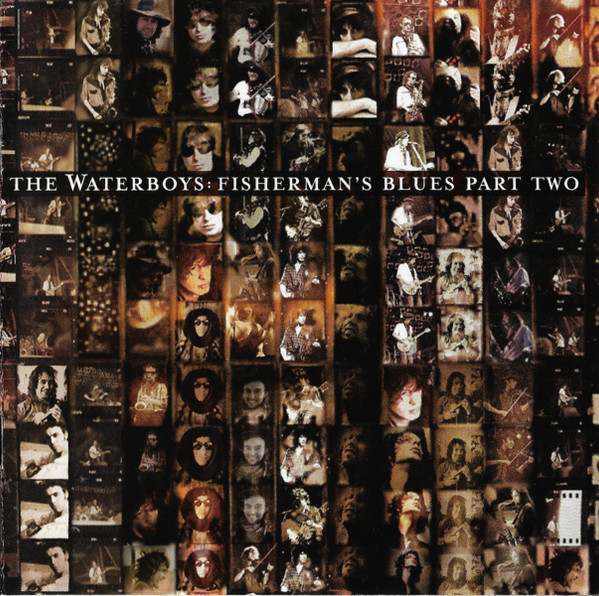
Fisherman’s Blues set a bar that Mike Scott would never really attain again. This was acknowledged in 2001 with the release of Too Close To Heaven, containing ten more songs from the sessions, augmented by a further five when it was released as Fisherman’s Blues Part Two in the US. These tracks are more reminiscent of the Big Music than the Celtic mix, and thus a companion in name only. Still, the 12½-minute title track lives up to the moniker of “epic”. (The original album was bolstered with more folky-sounding tracks on a “Collector’s Edition”, only to be outdone for the album’s 25th anniversary by the seven-disc Fisherman’s Box, collecting all of the sessions in chronological order.)

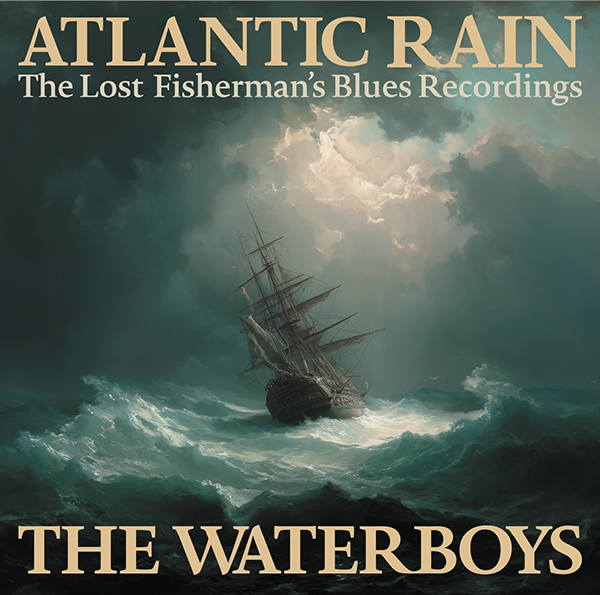
Or so we thought; ten years after that, Mike Scott came into possession of even more tape reels from the three-year gestation of the album, and got another three records (or CDs, if you bought it that way) out of them. Atlantic Rain is thematically organized, with the first disc devoted mostly to original songs, including an excellent, shorter version of “Too Close To Heaven”, a lovely on-the-spot improv dubbed “And Then The Gods”. Covers dominate the second disc, from Dylan, Willie, and Hank to “No Expectations” and “When Doves Cry”, rounded out by “Killing My Heart” and “We Will Not Be Lovers”, here the original live takes that resulted in the released versions. The final is all jams, yet with enjoyable interplay, except maybe for the two takes of “Sgt. Pepper’s Lonely Hearts Club Band” recorded four months apart that span twenty minutes, including a descent into “Hey Jude” because he got the chords wrong. In some cases he added vocals to tracks that hadn’t had any, which is always risky after forty years, and used modern AI techniques to edit tracks from longer takes, but those aren’t dealbreakers. Copious liner notes detail each track, musicians, studios, and an exhaustive chronology of recording dates and other events along the way.

The Waterboys Fisherman’s Blues (1988)—4
2006 Collector’s Edition: same as 1988, plus 14 extra tracks
The Waterboys Fisherman’s Blues Part Two (2001)—3
The Waterboys
Fisherman’s Box (2013)—3
The Waterboys
Atlantic Rain: The Lost Fisherman’s Blues Recordings (2026)—3

Friday, June 12, 2015

Waterboys 3: This Is The Sea

By now The Waterboys were practically a full-fledged band, with most of the previous contributors abetted by Steve Wickham on violin and young Chris Whitten, who packs a wallop all over the place. Always in search of what he called “The Big Music”, on This Is The Sea Mike Scott found it.

The lengthy opening of “Don’t Bang The Drum” is meant to recall Sketches Of Spain but comes closer to a bullfight. When the song proper crashes in, the drum is indeed banged, Mike Scott shouting his words and occasionally “whoo”-ing along the sax. The greatest song they recorded to date, if ever, is “The Whole Of The Moon”, loaded with poetic imagery and a majestic arrangement that incorporates horns and an angelic vocal descant. Even thinking of the sound effect after “you came like a comet” brings chills. Easily one of the best non-mainstream songs of the decade. From there the fragment called “Spirit” seems even more anticlimactic, and “The Pan Within” a little automatic but still stirring.

Side two wanders a bit, from the heavy “Medicine Bow” to the sung poem/tirade “Old England”. “Be My Enemy” chops up a sample “from a Prince bootleg” before turning into a gallop a la “Tombstone Blues” with a Dylanesque snarl to boot. “Trumpets” wants to be a tender love song, and while it doesn’t use the actual instrument, the constant blare of the sax doesn’t help the seduction. But the title track pulls everything together, filtering Van Morrison’s “Sweet Thing” (not for the last time) through a hypnotic Wall of Sound strum evoking crashing waves for a big finish.

Having achieved his best album yet, it would be a while before Mike Scott would approach this sound again. Those seeking more of the same should seek out the double-disc expansion, including B-sides, extended takes, and other sounds—even an answering machine greeting—from the dozens of tracks originating from the original sessions. If that’s not enough, a later disc called In A Special Place is subtitled “The Piano Demos For This Is The Sea”, offering a selection of just that, including several discarded ideas. This was eventually supplanted by the six-CD 1985 box, helpfully subtitled “How The Waterboys Made This Is The Sea And Saw The Whole Of The Moon”, and loaded with demos, outtakes, alternates, and live recordings. (There’s even a lost Bob Dylan instrumental taken from a recording session with Dave Stewart.)

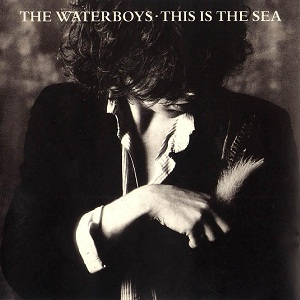
The Waterboys This Is The Sea (1985)—
2004 remastered edition: same as 1985, plus 14 extra tracks
The Waterboys In A Special Place – The Piano Demos For This Is The Sea (2011)—3

Friday, March 20, 2015

Waterboys 2: A Pagan Place

If Mike Scott’s liner notes are to be believed, the second album credited to The Waterboys came out of sessions that spawned the debut, as well as later collaborations with new, prospective Waterboys. The most prominent addition heard on A Pagan Place is Roddy Lorimer on trumpet, who provides a touch of pageantry to Anthony Thistlethwaite’s blaring sax. (Another addition, Karl Wallinger on keyboards, is more blended into the mix.)

That trumpet plays a big role in “Church Not Made With Hands”, a nice rollicking opener with a quote from C.S. Lewis. Through no fault of its own, “All The Things She Gave Me” sounds today like Simple Minds, who were trying to make their way around the same time. “The Thrill Is Gone”, while pretty in places, comes off as little more than an exploration of Van Morrison’s “And The Healing Has Begun” (particularly on the extended version on the upgraded CD), and Mike does get a tad overemotional. “Rags” is a better demonstration of dynamics, hushed here, soaring there, with excellent drumwork all around.

“Somebody Might Wave Back” would be a good showcase for Karl Wallinger on piano, and a respite for his boss’s “galloping” style, except that Mike loads up the mix with guitars and other effects. “The Big Music” provides something of a statement of purpose, both literally and aurally. The original LP had the next song listed as “Red Army ★ Blues”, though that symbol has since fallen off (probably because of modern word processors). Whatever the reason or actual title, this eight-minute dirge sung from the point of view of a Russian soldier during World War II had already appeared on a 12-inch single. After a while it’s as rough a slog as a hike through Siberia, and maybe that was the intention. Finally, the title track, like the opener, uses few chords to do a lot, leaving us in a sense of wonder.

A Pagan Place shows the band still developing, and hindsight shows that it fits in the larger picture. If he could keep it going, and didn’t drown in his own emoting, even better music might follow. (The expanded CD doesn’t hint at that; despite extending a few tracks, somebody made the right decision to delete “Some Of My Best Friends Are Trains” from the original running order, despite the clever reference to Richard Hell and Tom Verlaine.)

The Waterboys A Pagan Place (1984)—3
2002 CD remaster: same as 1984, plus 6 extra tracks

Friday, November 28, 2014

Waterboys 1: The Waterboys

The brain child of one Mike Scott, an earnest young man equally obsessed with romantic poetry and pop music, the band known as The Waterboys went through a variety of styles and even more permutations in a relatively short time without ever truly catching on in the States outside of what used to be considered alternative radio. For the first few albums anyway, there was a consistency, best described by the eventual song title “The Big Music”. In the early ‘80s, this was a style comparable to that of U2 and Big Country, suggesting that the smaller countries in the British Isles were about to take over music. (They didn’t, but it was nice while it lasted.)

The Waterboys is pretty solid for a mostly one-man band effort recorded across different sessions. The trilling “December” is an unlikely Christmas song, so much so that it needn’t be limited to just one time of year. “A Girl Called Johnny” was the first single, sporting the distinctive sax of the even more distinctively named Anthony Thistlethwaite, fresh from Robyn Hitchcock sessions, and who would be the most consistent Waterboy through most of their career. “It Should Have Been You” is the most traditionally constructed song, if a bit overwrought vocally. “The Girl In The Swing” isn’t much, but its 6/8 time nicely matches the image of the title.

His piano playing is a lot more interesting than the plodding style from later albums, as demonstrated on the meandering yet mesmerizing “Gala”, which any other producer would have edited severely. From time to time the drum machine gets a little robotic, as on “The Three Day Man”, yet the one track with a full band, the pointedly defiant “I Will Not Follow”, not exactly a riposte to those Irish boys, sounds the most like vintage ‘80s. Speaking of which, “Savage Earth Heart” isn’t too far removed from Dublin either; while another long solo performance, one can hear the potential to sound bigger and better with a full band.

The Waterboys appeared in North America first as a five-song mini-album, before becoming standard worldwide with eight songs. With the rejigging of the catalog, it’s since been expanded with a few B-sides, unreleased tracks, and “Gala” extended to its full 9½-minute length. It remains an impressive debut.

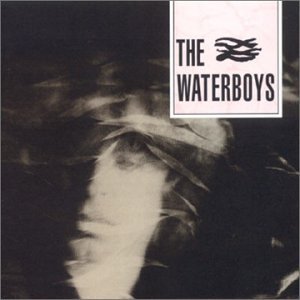
The Waterboys The Waterboys (1983)—3
2002 CD remaster: same as 1983, plus 7 extra tracks