
Dickey Betts emerges as a songwriter here, bookending side one with a pair of distinct classics. “Revival” opens with an acoustic strum, switches into a modal riff that builds over other gear changes before settling into the gospel-influenced vocal part—even letting each instrumentalist take a one-bar solo. Compare that to “In Memory Of Elizabeth Reed”, a mesmerizing instrumental loaded with jazz influences, running seven minutes in this version. In between, Gregg Allman offers up the funky “Don’t Keep Me Wonderin’” and “Midnight Rider”, which is either playing on the radio or a television commercial as you read this.
Side two takes a step way back into the blues, with an elaborate arrangement of “Hoochie Coochie Man”, shouted here by bassist Berry Oakley, and likely to give Gregg a rest. He comes back strong with the torchy “Please Call Home”, his piano giving brother Duane plenty of room to wander. “Leave My Blues At Home” is one of their hidden gems, a terrific showcase for the ensemble, driven by a very complicated bass line.
While it does show their growth, Idlewild South doesn’t have the same element of surprise as the first album. That’s not necessarily a criticism; in fact, the two albums were reissued a few years later as a two-record set, called Beginnings. It’s still available as a single CD, and it’s a highly economical option for newcomers, though the debut appeared in a new mix by Tom Dowd.
The Allman Brothers Band Idlewild South (1970)—3½
2015 45th Anniversary Deluxe Edition: same as 1970, plus 12 extra tracks (Super Deluxe Edition adds another 2 tracks plus Blu-ray)
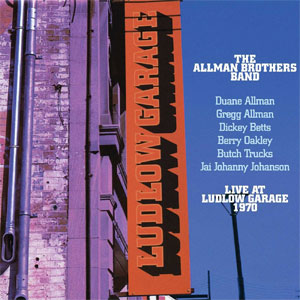
The Allman Brothers Band Live At Ludlow Garage 1970 (1990)—3½
Nailed it! :-)
ReplyDeleteA bit of disagreement here. In fact, not only do I think it’s better than their first album, I think it’s their best (another minority opinion, but I don’t mind). The first side has their biggest trifecta (I exclude "Don't Keep Me Wonderin'". It’s a good song, but probably the least memorable on the album). “Revival” is a bit of a throwback to their pre-ABB days with its naïve lyrics, but it’s catchy and convincing. Fortunately, Betts passed the lead vocals to Gregg. I heard Gregg’ solo version of “Midnight Rider” first, back in the AM days. Comparing it to this excellent original, I now find Gregg’s version to be way overproduced. The alternate mix brings Duane’s acoustic guitar more to the fore. It’s interesting, but not better. “In Memory Of Elizabeth Reed” is Betts’ first, and best, tour de force.
ReplyDeleteOne might think that “Hoochie Coochie Man” is a slightly long bit of filler. But I like it. Unlike the bastardized “redneck rock” which came by about a year later, the ABB never pretended the black music of their region didn’t exist; they embraced it. I will have to say that they aren’t as emotional as on the first album, but "Please Call Home" is the exception. That song is marred by the unfortunate phrase “I ain't funning”, which is quite winceable. I would argue that "Leave My Blues at Home" is funkier than "Don't Keep Me Wonderin'" . It must have been great live.
Although they did a number of great tracks after this, this is where I got off the album bus. They just didn’t have the same chemistry after Duane died. Gregg withdrew into grief and addiction, contributing fewer and fewer songs. Betts took over and started making his own contributions to “redneck rock” with country-pop songs like “Blue Sky”. Further personnel changes with fine musicians who added their own styles drove them farther afield as well. Betts instrumentals would form the bulk of their best latter-day tracks. For me, they peaked very early.
I heard “Revival” in the grocery store the other day. “Radical” music from longhairs that got our dads all out of sorts has now become music that cheers up the grandpas going up and down the aisles. There some irony in there, somewhere.. but at least that’s better than the “beautiful music” (muzak) tapes that played in the stores back then. Try working as a bagger for 12 hours under those conditions!