Tuesday, August 25, 2026

Todd Rundgren 36: Global and Runddans

Suddenly and seemingly prolific, Todd Rundgren found himself with another stack of songs recorded all by himself. Sticking with the one-word titles, Global presented another state-of-the-world address, with varying results. But if you’re hoping to hear guitars, you’re out of luck, as it’s entirely electronic, outside the vocals.

While “Evrybody” begins with an exhortation for listeners to clap their hands, it’s more a plea for unity of the human race than a mindless singalong. After a synth intro, “Flesh & Blood” is along the same theme, right down to the techno beat, with the phonetically correct lyrics printed in the booklet. “Rise” might as well have been one of his early ‘80s experiments, as it’s right in line with that sound, but without many lyrics. “Holyland” makes up the verbal deficit, with another grand intro, an unfortunate tribal chant, and an unexpected message in the chorus. “Blind” is a slow burner that skewers those who choose religion over science, with a solo by longtime sax man Bobby Strickland. While “Earth Mother” is intended to celebrate female pioneers, the performance borders on parody.

From its single bleating note throughout, “Global Nation” starts in the nightclub and stays there, Autotune and all. “Soothe” would be the album’s big ballad, and ripe for covering by anyone hoping for a hit. In “Terra Firma” he compares himself to Christopher Columbus and astronauts, but still turns it into something of a love song. “Fate” uses the gambling analogy to demonstrate how we’re screwing up the planet, while “Skyscraper” takes the ivory tower metaphor to castigate those who take their wealth for granted. (That doesn’t include estates on Hawaii, apparently. Also, Kasim Sulton is credited, presumably on vocals.) “This Island Earth” sums up the whole album in one song, albeit with fluctuating tempo, and makes one think he could have written just the one song instead of an album full. (The digital version of the album ends with “Technopolis”, something of a Japanese TV theme song, and the only place where a guitar is heard.)

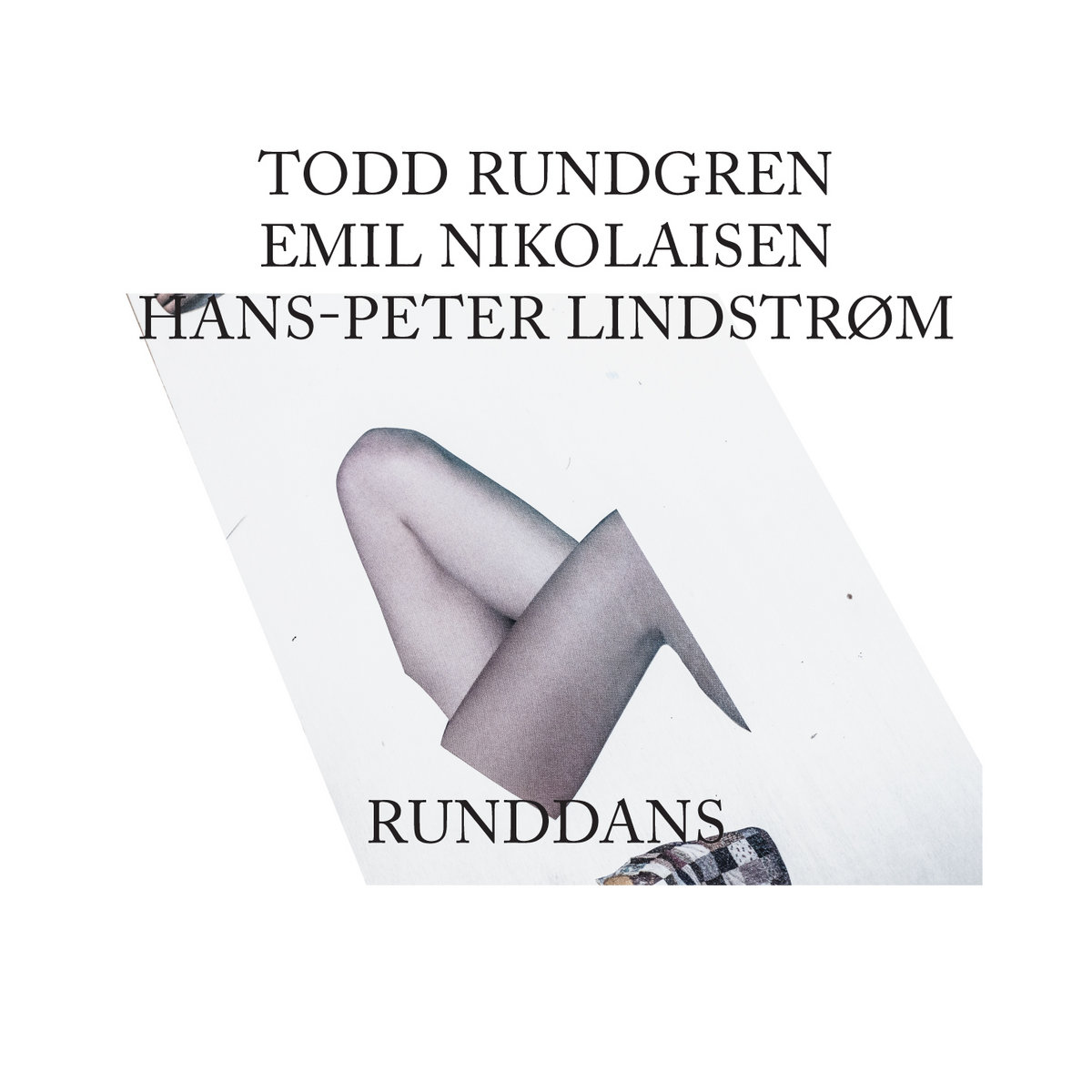
Whether or not Global delivered, fans had another album to devour, provided they didn’t mind paying import prices. Runddans was a collaboration with a pair of Norwegian musicians who were born around the time of the first Utopia album, and indeed, the first several minutes sound like side two of Initiation. “Solus” is some wordless vocalizing over a ticking beat, then “Put Your Arms Around Me” becomes the first thing approaching a pop song, complete with guitar solo. (Another track is indexed and titled for another guitar solo.) Themes come and go, echoes of things like “The Spark Of Life” emerge, and the overall effect is that of a bunch of guys who really like playing in the studio doing exactly that. We even get to hear a phone conversation discussing the work in progress; that too is remixed and treated. Have at it.

Todd Rundgren Global (2015)—
Todd Rundgren/Emil Nikolaisen/Hans-Peter Lindstrøm
Runddans (2015)—2

Friday, August 21, 2026

Kinks 35: To The Bone

Even if the Kinks had become something of an oldies act, their following was still fervent. So when they finished their most recent tour, they invited fans to their own Konk Studio for a special performance. A selection of songs were augmented by some recordings from larger venues for To The Bone, released in the UK on their own Konk label and an enjoyable live album.

Two years later, the album was expanded to the point where two CDs were required to hold it all. Even with that, “Waterloo Sunset” and “Autumn Almanac” from the original UK release were not included. The American release was on a label already devoted to legacy artists, and came partially thanks to the success of VH-1’s Storytellers show, which was inaugurated by Ray Davies and based on the format of his recent solo tour. (Indeed, an album of readings from his memoir and performances of pertinent songs would be released under his own name as The Storyteller.)

After the opening blast of “All Day And All Of The Night”, the program goes to the more stripped down approach, with acoustic guitars, occasional accordion, and only Dave Davies’ electric for bite. They’re clearly enjoying themselves, and so is the crowd, who can occasionally be heard singing along. Most of the songs come from the mid-‘60s through earliest ‘70s, though we do hear more recent hits like “Better Things”, “Don’t Forget To Dance”, and “Come Dancing”. “Do It Again” is started by Ray solo, and we’re given the impression that the band was late to the stage, which is why there’s a strange interlude before they come in. “Do You Remember Walter” is given a “Bavarian” treatment thanks to the accordion and slower tempo, but they wisely go back to album tempo for the last verse. The bulk of the second disc is from the larger shows, and are therefore a lot louder. “Give The People What They Want” and “Gallon Of Gas” are unnecessary, particularly in the absence of the aforementioned missing tracks.

They also took the opportunity of the expansion to include two pretty good new songs, both reflections of past relationships. “Animal” wistfully compares highs and lows over a familiar crunchy three-chord riff (with key changes well placed), and the title track is a unique take on the idea of records evoking memories of romance and vice versa. If they’re truly the band’s last songs, they’re a strong finish.

The Kinks To The Bone (1996)—

Tuesday, August 18, 2026

Roger McGuinn 5: Thunderbyrd

Given his higher profile from the Rolling Thunder Revue and the success of his Cardiff Rose album, one might think Roger McGuinn would build on that momentum. Well, he didn’t. He put together a touring band dubbed Thunderbyrd, named after the two most direct connotations of his brand. It was also the title of his next album, another mix of covers and cowrites with Jacques Levy.

While “All Night Long” has a gentle, dreamy opening, the chorus crashes in for a reach at arena rock—and sure enough, it’s a Peter Frampton cover, only a year after he Came Alive. “It’s Gone” has a little of that trademark Rickenbacker, but is drowned out by the mix, just as “Dixie Highway” is a fairly pedestrian driving song with the barest hook. As much as Tom Petty’s “American Girl” sounded like the Byrds to many people, Roger unfortunately takes the energy out of it, even at the same tempo, changing some of the words and blowing the phrasing. Tom Scott’s sax solo doesn’t do any favors either. “We Can Do It All Over Again” is a collaboration between white blues legend Barry Goldberg and the guy who wrote “Drift Away”, and a somewhat cloying plea to stand by this constantly working musician.

Continuing the journey through the history of American music, “Why Baby Why” is a cover of George Jones’ first hit single, with prominent steel guitar over a honky-tonk backing. “I’m Not Lonely Anymore” isn’t completely convincing, especially when he says he can “sing like a bird”, and the electric piano reminds you it was the late ‘70s. “Golden Loom” is the album’s token Dylan cover, this one a Desire outtake, dominated by Rick Vito’s bluesy harmonica and not very Dylanesque at all. But the song that nearly all that has gone before is the closing “Russian Hill”, a reverie on lost love, lost youth, lost everything, with its poetic lyrics given a sympathetic backing—or to put it another way, restraint. And unlike the bulk of the album, you can actually understand the words.

Thunderbyrd would benefit from more musical variety like that. Instead, it’s a grab bag of styles assaulted by a band trying to get attention in a loud bar. If you listen closely enough, you can almost hear the potential.

Roger McGuinn Thunderbyrd (1977)—

Friday, August 14, 2026

John Baldry: It Ain’t Easy

The British blues scene of the early ‘60s was rife with important individuals who may not have become household names, like Alexis Korner, Chris Barber, and Graham Bond. And then there was Long John Baldry, whose early bands were launchpads for Rod Stewart and Elton John. (The latter took half of his stage name from the man, and would immortalize him as “sugar bear” in “Someone Saved My Life Tonight”.) So when both of those guys started to become really famous, they leapt at the chance to produce two albums for him, of which It Ain’t Easy was the better.

Though the session dates overlapped between producers, side one was devoted to the tracks Rod oversaw, beginning with a wonderful little medley. “Intro: Conditional Discharge” is a shaggy dog monologue in Baldry’s mostly proper English voice over Ian Armitt’s piano, leading into the driving “Don’t Try To Lay No Boogie-Woogie On The King Of Rock And Roll”. Micky Waller and Ron Wood, veterans of the Jeff Beck Group as well as Rod’s solo albums, provide the drums and guitar here and the rest of the side. “Black Girl” is country blues via Leadbelly, sung in duet with Maggie Bell, and better known as “In The Pines”, and to Nirvana fans as “Where Did You Sleep Last Night”. (Ron sits this one out, letting Sam Mitchell shine on the dobro.) The title track had already been covered by Three Dog Night, and Bowie would record his own nearly identical version shortly after. “Morning, Morning” is a rockier version of a song from the second Fugs album, coming close to Cat Stevens but with louder drums. It’s a quick segue to Muddy Waters’ “I’m Ready”, for a strong side-closer.

Just as Rod’s half reflected his own current brand and band, so did Elton’s side. Randy Newman’s “Let’s Burn Down The Cornfield” has some of the dark Americana already mined for Tumbleweed Connection. Another connection arrives in “Mr. Rubin”, a sweet piece of social commentary written by Lesley Duncan, whose “Love Song” was covered by Elton on that album, and who would go on to sing on his next album as well. Elton and Bernie Taupin offered up “Rock Me When He’s Gone”, one of the better songs he never released on an album or single of his own, but perfect for Baldry. In a wonderful crossover, “Flying” is the Faces song from their first album with Rod and Ron, here stretched a few more minutes for the vocalists to work the coda.

A year later, they flipped sides for Everything Stops For Tea, which has its moments but simply isn’t as consistent as its elder sibling. Both albums are available for streaming, though It Ain’t Easy includes the bluesy acoustic bonus tracks—as well as an electric “Love In Vain”—that were added to a 2005 reissue in the UK. It deserves to be heard and enjoyed.

John Baldry It Ain’t Easy (1971)

Tuesday, August 11, 2026

Daniel Lanois 6: Here Is What Is

After a quarter-century of people possibly knowing his name and what he did for a living, Daniel Lanois decided to make himself the subject of a documentary. Here Is What Is is a non-linear, cinema-verité portrait of the artist at work, in performance, and in conversation. It’s interesting if you follow his career, but the overlying message he’s trying to convey is “I’m awesome and here’s why.”

Naturally, there was a soundtrack, which features some of the music seen created in the film, as well as dialogue with Brian Eno. Besides being a long album, there’s not a lot of unity, with the exception of his voice. And that’s the problem: he’s wonderful at creating and transforming atmospheres, but with the exception of Acadie, he’s generally fallen short as a singer-songwriter. The best tracks here have no vocals, like “Blue Bus” (a cousin of “Deep Blue Day” from his and the Enos’ Apollo album), but even the ones that do don’t really stand out except for their blandness, with a few exceptions. “Where Will I Be” was first heard on an Emmylou Harris album, and here benefits from Brian Blade’s drums, as most things do. “This May Be The Last Time” is seemingly made up on the spot by Blade’s preacher father. “Harry” was supposedly inspired by actor Harry Dean Stanton, and “I Like That” goes through some interesting changes.

A chunk of the film is devoted to him playing his pedal steel guitar, and focusing on the heights of inner ecstasy he experiences while doing so. That’s how we get over eight minutes of “Lovechild”, and a shorter improv called “Bladesteel”, whereas a recording of “Bells” lasts just one. “Sacred And Secular” is an alternate arrangement of “Transmitter” from Shine, and it’s nice, but we’ve heard it before. While he’s allowed to explore to his heart’s content, he’s generally better off when he can run rampant with somebody else’s initial ideas.

Daniel Lanois Here Is What Is (2007)—

Friday, August 7, 2026

Robyn Hitchcock 36: The Confuser

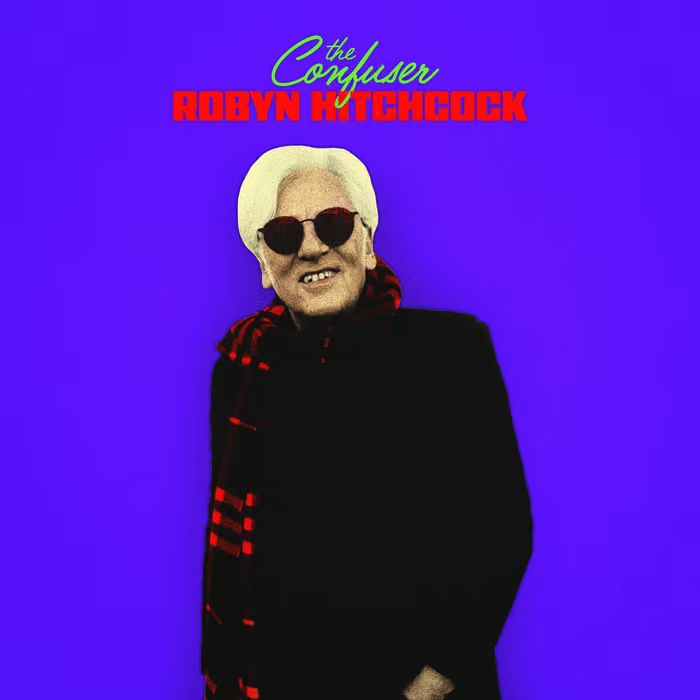
Another memoir composed on his phone coincided with a fresh batch of Robyn Hitchcock songs. The events of Stranded In The Future cover his path to becoming a songwriter and recording artist, and in many ways, his approach to the craft hasn’t really changed in the decades since. The Confuser is right in line with his brand, but something about the combination of words, melody, and performance make this one of his most satisfying albums of the century.

Right out of the gate “I Am This Thing” has a provocative opening line and the usual surprising rhymes as befit a statement of purpose. We’re not sure if the music he says he loves is supposed to “the birds” or “the Byrds”, but it’s damn catchy. The band infuses “My Dead Astronaut”—another familiar theme—with wacky space effects for another toe-tapper. Disembodied voices appear now and then, and it’s probably not best to search for meaning. The same could be said for “Yesterday’s Rain”, except that it’s the most developed of the opening three rockers, and the best track yet, but we’ve barely gotten started. Things quiet down for “Breathless”, with a sinewy arpeggiated guitar part that’s another one of his trademarks, and the band subtly comes in to fill in the borders, with Kimberley Rew presumably adding those sitar-like parts. But it’s just a setup for the haunting “Ghost In Sunlight”, wherein Robyn channels John Lennon playing electric piano. A Mellotron and what sounds like a cello are wonderful touches, and Gillian Welch provides harmonies and her own disembodied voices in both channels over the end before everything resolves.

A funky wah-wah boogie drives “Building From The Ruins”, which mostly sits on one chord but sports lots of surrealism hiding lines like “I miss democracy like my wisdom teeth.” “The Vanishing Kind” is a sweet and simple love song that features a nice wandering bass line and eventually layered vocals, while “How To Feel Alright” is more skewed, with warped imagery and Oedipal undertones over a brisk Bo Diddley beat and lots of Kimberly Rew guitar. At first we thought “Monday For Me” was resonant of Tom Petty’s “Wake Up Time”, but since that was also based on the structure of “Sad Eyed Lady Of The Lowlands”, all is fair. This one still has a great chorus with good use of the days of the week. Rather than go out on something profound, “Wasted” flirts with honky tonk while exploring the different possibilities of the meaning of the title.

The band is consistent throughout The Confuser, and it sounds like they were all playing in the same room. That gives the album a unity that ranks with the best of the albums he did with the Egyptians way back when, and makes it all worth it.

Robyn Hitchcock The Confuser (2026)—4

Tuesday, August 4, 2026

Ringo Starr 13: Vertical Man

Just like Paul McCartney, Ringo Starr had more time on his hands in the wake of the Beatles Anthology promotion wave, so why not do any album? While Vertical Man was still something of an all-star project, he took a more active role in the songwriting, co-writing all but two tracks, playing drums throughout and even some other instruments. His right-hand for the proceedings was Mark Hudson, who’d graduated from a Beatlemaniac in a band with his brothers on Saturday morning TV to become something of a hit songwriter and producer. Besides playing and writing for the album, he added lots of backing vocals and harmonies that had listeners checking the credits to see who was singing. The results were probably his most consistent album in, well, decades.

“One” is power pop filtered through country, thanks to Jeff “Skunk” Baxter on pedal steel, which sounds enough like George Harrison among the 12-strings. Paul provides harmonies as well as bass on the enjoyable “What In The… World”, returning the favor from Ringo’s help with Flaming Pie. But then “Mindfield” puts Ringo’s voice through a speaker for a wacky effect and comes this close to being rap. Joe Walsh’s solo is suitably loud, and the explosion at the end is stupid. The wistful “King Of Broken Hearts” also resembles George Harrison to warrant lovely guitar parts weaved through, with subtle strings and even Mellotron to help it along. Two tracks later, the title track has a “When We Was Fab” vibe and Hudson quirks to be yet another Beatlesque knockoff that’s starting to push its luck. (Ozzy Osbourne sings on this one.) But in between there’s “Love Me Do”. While his reasons for remaking it are understandable—he was relegated to tambourine for the Beatles’ original single—it’s extraneous, notable only for Steven Tyler on harmonica, who likely found his way there via Hudson. Nobody needed another version of Dobie Gray’s “Drift Away” either, and Steven Tyler’s vocal was nixed by his label, so his part was replaced by Tom Petty. Alanis Morissette’s contribution stood, and if you listen close you can hear Rose of the Family Stone in there somewhere.

Alanis and Paul sing along with “I Was Walkin’”, and Steve Cropper adds a guitar solo, so the mid-‘70s vibe is mostly charming until the unnecessary “sleep” sequence. and “La De Da” is also mostly harmless, even after five minutes, with roughly three dozen friends singing along the chorus, and they wisely kept Paul up in the mix. “Without Understanding” is one of his more convincing rock songs, though the operatic opening is odd, and we suppose the reference to “good vibrations” was reason enough to get Brian Wilson to add a bunch of layered vocals. The modern rockabilly of “I’ll Be Fine Anywhere” gets a boost from another Harrison solo, and it’s a good lead-in to the slap-back percussion of “Puppet”. To keep it in the family, George Martin provided the string arrangement for “I Am Yours”, a very sweet tribute to Mrs. Starkey.

Those who bought the album at Best Buy got a bonus disc with three extra songs, all somewhat country. For some reason “Mr. Doubleitup” ends with a lounge instrumental of “With A Little Help From My Friends”), while “Sometimes” and “Good News” were a little more straightforward, with an accent on humor. At a time when Garth Brooks, Shania Twain, and their ilk were selling millions, it’s anyone’s guess whether these should have gotten wider distribution.

Ringo went into overdrive promoting the album, with the biggest appearance arguably on VH1 Storytellers, that channel’s variation on the “unplugged” special. Along with the ubiquitous Hudson, the band included Joe Walsh, Simon Kirke, Jack Blades of Night Ranger. He actually had a hand in writing most of the songs in the set, so his anecdotes about them are pertinent as well as enjoyable—even the ones you’ve heard before. He even played piano to start “Don’t Pass Me By”. A CD of the performance was released four months after Vertical Man, and did worse on the charts.

Ringo Starr Vertical Man (1998)—3
Ringo Starr
VH1 Storytellers (1998)—3

Friday, July 31, 2026

Yes 14: 90125

The ‘80s saw a lot of surprising comebacks, and one of the biggest was that of Yes. Having imploded and scattered following the poor reception of their one album without Jon Anderson, Chris Squire and Alan White were determined to keep going somehow, and found a reason in young innovative guitarist Trevor Rabin. His more mainstream tendencies prompted Squire to call Tony Kaye, who’d been bounced off keyboards for not being as adventurous as Rick Wakeman. After recording for a while as Cinema, with Trevor doubling on keyboards and singing along with Squire, the label suggested they get Jon to sing and improve the lyrics. Once that was accomplished, the label suggested they call themselves Yes.

The resultant 90125—named for the catalog number, of course—stood out for its cold computer graphics and strikingly modern production by Trevor Horn. But for the occasional proggy element here and there, the songs were shorter and radio-friendly. And this being the era of MTV, a lot of money went into their videos, which got a new generation of kids into the band, especially since Asia was pretty much done.

“Owner Of A Lonely Heart” was that inescapable first single, video, and album opener. The metal riff and sampled orchestra hits didn’t sound like Yes, but as soon as Jon starts singing, it could only be Yes. “Hold On” is another winner despite its plodding drums; the opening fill and shifted meter in the second verse and during the solo are the most adventurous White gets on this album. As with most of the best parts of this album, the combination of vocalists is stellar. A sitar wasn’t often heard on a rock album in those days, but it helps “It Can Happen” stand for another catchy one. “Changes” has a repeated vibraphone theme that we only just recently realized recalls side three of Topographic Oceans, as well as some guitar parts that sound enough like Steve Howe to match the brand. Once they get the tricky part out of the way on the intro, it’s a standard Rabin riff, and he sings a lot of it.

“Cinema” opens the second side, a Grammy®-winning instrumental apparently siphoned off a much longer piece, and sounding most like a link to the Yes of old. “Leave It” was the second single, pushed by a series of video variations that played havoc with computer manipulation, and also made available in a mix that isolated the layered vocals. “Our Song” is kinda dippy, with only the odd meter changes and vocals keeping it from sounding like Night Ranger, but somehow it works. Not so “City Of Love”, which is too boomy for even this album, but this edition of the band wasn’t going to be known for its dynamics. “Hearts” threatens to be swallowed up by itself, particularly as it’s the longest song on the album. But even after the synth flute theme and Asian touches start to grate, there’s a wonderful chorus that again shows off the vocal ability of this combo.

The music was designed for arenas, so they toured, of course. Exactly two years after 90125 came out, a concert video was released on VHS as 9012Live. But instead of a companion double live album, fans had to settle for 9012Live: The Solos, a strangely titled mini-LP. After a half-decent “Hold On”, Tony kills a couple minutes with “Si”, not much more of a keyboard drone with a Bach fugue detour, and “Solly’s Beard” is a semi-classical high-speed acoustic piece from Trevor. Jon delivers the “Soon” portion of “The Gates Of Delirium” to much cheering. On the other side, “Changes” is fine, but Squire plays “Amazing Grace” for some reason, then adds the drummer to jam on an extended interpolation of “The Fish” and some other riffs (called “Whitefish”, get it?) for nearly nine minutes.

Most fans were relieved it was low-priced, and for the longest time was only available on CD from Japan—that is until the Friday Music label licensed it, and added the contemporary live B-sides “City Of Love” and “It Can Happen” for completeness. By that time, 90125 had finally gotten its own remastering along with the rest of the Yes catalog. Requisite bonus tracks included remixes of “Owner Of A Lonely Heart” and “Leave It”, as well as the “a cappella” mix of the latter, plus three songs left over from the initial Cinema sessions, two of which had already appeared on a box set. (The Twelve Inches On Tape cassette of dance remixes remains unavailable digitally.)

Yes 90125 (1983)—3
2004 remastered CD: same as 1983, plus 6 extra tracks
Yes 9012Live: The Solos (1985)—2
2011 Expanded CD: same as 1985, plus 2 extra tracks

Tuesday, July 28, 2026

Michael Penn 1: March

It’s tough enough when one of your siblings is famous, and worse when you’re trying to make a name for yourself. Michael Penn has never (to our knowledge) tried to ride his brother’s coattails, even when that brother was married to Madonna. Rather, he has consistently—if intermittently—specialized in highly literate singer-songwriting, usually about matters of romance or lack thereof. Both music and lyrics are influenced by Bob Dylan and the Beatles at their hippest. His first album set a template as well: mostly acoustic guitar accompanied by inventive and not robotic drum machines, and a few not-flashy electric solos, in collaboration with Patrick Warren, who assisted on programming and keyboards, most notably the Chamberlin, a Mellotron precursor.

“No Myth” is the opening track on March, and was also the lead single and video that exposed him to MTV and VH-1 viewers, and a good introduction. “Half Harvest” is more of the same, but “This & That” picks up the tempo and offers more interesting melodies in the verses and choruses. “Brave New World” is probably the most Dylanesque song, with its rapid-fire verses that probably went too fast for people to sing along, except for the crack chorus not too close to “Friday On My Mind”, nicely toned back after the third verse before shifting back into high gear. (That’s Jim Keltner on the actual drums, and it shows.) “Innocent One” returns to quiet folk, but for shaken percussion and either an accordion or harmonium.

“Disney’s A Snow Cone” is a Tom Waits-ian Chamberlin showcase that prefaces “Bedlam Boys”, a rich pop song that features contributions from not only Wendy & Lisa, but Prince backup singer Boni Boyer. Wendy’s brother David provides the oud on “Invisible”, which is mostly centered around a repeated but not repetitive guitar riff, supported by Keltner (again) and Larry Klein on bass; clearly the kid had taste as well as connections. A title like “Cupid’s Got A Brand New Gun” sets a high bar, particularly with such a slow beginning, but it manages to ride the dynamics. Speaking of which, Kenny Aronoff is behind the kit for the edgy “Big House”, handling the time changes well. “Battle Room” covers by-now-familiar ground, with lots of chord changes over a fairly simple backing. If things have seemed to get a little routine, he pulls out all the stops for “Evenfall”, which has Keltner and Aronoff each in their own speaker, as well as a honking horn section under the rhythm piano.

We referred to him as “literate”, mostly because we haven’t thought of a better word; he probably could. His lyrical approach throughout March—and indeed, his career—leaves plenty of question as to what the songs are actually about. But when the presentation is as pleasing as this, it’s almost moot. Almost. (For some reason, the album was repackaged in the new century with the addition of all but two tracks from his next album. It’s better than nothing, but streaming makes it moot.)

Michael Penn March (1989)—3
2001 reissue: same as 1989, plus 9 extra tracks

Friday, July 24, 2026

Rolling Stones 53: Foreign Tongues

The experience making Hackney Diamonds was apparently so positive that the old geezers just kept going. Some of Foreign Tongues had been started during (and before) the sessions for that album, so good on them for not stepping back, and riding the momentum. Granted, they did issue two archival live albums of theater shows bookending the turn of the century in the interim, but this was still the fastest turnaround between studio albums in decades.

“Rough And Twisted” was the not-so-secret sneak peek track, a fairly pedestrian stomp over mostly one chord, so it’s nice when they add a bridge. It sets the stage. “In The Stars” has a terrific intro, which is also the chorus, but the verses and solo section recycle the same riff-chords from “You Got Me Rocking” from 32 years before. It’s still a winner. Mick turns on his falsetto for “Jealous Lover”, a decent soul tune. Steve Winwood plays the Nicky Hopkins slash Billy Preston keyboards role here and throughout the album, but they’re generally buried in the mix under all the guitars. “Mr. Charm” is pretty odd, Mick spitting out a monologue that borders on rap, but the secret weapon is the supporting vocals by a woman credited only as Naärai. “Divine Intervention” would be another strong Stones rocker with their trademark interlocking guitars, except that one of those is played by Robert Smith of the Cure. And yes, it’s another great chorus, and you can just hear the horns over the coda. They pointedly use a pokey country arrangement for “Ringing Hollow”, which has just the three surviving Stones with the rhythm section of Steve Jordan and Darryl Jones, and only Winwood adding his touches, which you can actually hear, along with Keith’s harmony. Mick’s political lyrics don’t always land, but it’s still a good track.

You can hear Winwood again on “Never Wanna Lose You”, which has a funky Jones bass line, but also Robert Smith again and Bruno Mars credited on cowbell. “Hit Me On The Head” stands out because it’s another rescued Charlie Watts drum track—and his touch is obvious—and for its frankly hilarious chorus. They hadn’t done a soul cover on an album of Jagger/Richards originals in a long time, so it’s surprising that they tackle Amy Winehouse’s “You Know I’m No Good”; Mick wails on harmonica, but mostly it underscores her loss. “Some Of Us” is Keith’s token solo spot, and another one of his slow burners. Mick supports him well without overpowering the track, and that’s Benmont Tench on the organ, alongside Winwood’s piano. Paul McCartney returns to play bass on “Covered In You”, which can’t decide if it wants to be yearning or yelling, a romantic plaint or political rant. But Mick sure plays a lot of harmonica on this album. After an intricate riff, probably played by Ronnie, “Side Effects” recycles the chords from “Covered In You” a step down, but it’s got an okay bridge. The best parts of both songs could have been combined, but they didn’t, so it’s a step back. But they redeem themselves on “Back In Your Life”, which is loaded with passion, one of Ronnie’s best-ever solos, and a horn section that evoke the spirit and splendor of the Jimmy Miller era. As with last time, they end with an acoustic bluesy cover, this time of Chuck Berry’s “Beautiful Delilah”, which they’d done on the BBC but never on an album. Chad Smith of the Red Hot Chili Peppers is credited with bass drum.

The removal of a few extraneous tracks, plus some tightening, would make Foreign Tongues a solid, two-sided single LP instead of surpassing an hour. Yet what it comes down to is that it’s nice to get excited about a new Rolling Stones album, especially when they seem into it. Their enthusiasm here is truly infectious. (In a nice touch, the label is the same color yellow as the ‘70s Stones albums. But the cover art is hideous, even by their standards.)

Rolling Stones Foreign Tongues (2026)—

Tuesday, July 21, 2026

Byrne & Eno 2: Everything That Happens Will Happen Today

In 2006, David Byrne and Brian Eno’s My Life In The Bush Of Ghosts, which had long been hailed as “seminal”, was reissued with the requisite extra tracks. Then the two collaborated on an album for the first time in decades. The bigger surprise, given their previous work together, was that Everything That Happens Will Happen Today was a collection of songs as opposed to groundbreaking experimentalism. Considering the recent work both men had done on their own, this shouldn’t have been too much of a surprise, but still. The overall theme was the relief of domesticity, yet with subtle undercurrents, as depicted in the artwork.

Right away “Home” begins with trilling acoustic guitars, and a chorus that’s descended from recent Eno collaborator Paul Simon’s “Homeward Bound”, but with more pointed lyrics. “My Big Nurse” has a similarly loping rhythm and odd imagery, while “I Feel My Stuff” is more unique, lined with discordant piano and a more quirky vocal from Byrne, who sings all the leads throughout. “Everything That Happens” returns to the dreamy sound hinted at in the first songs, and we finally hear the gospel influence the fellas had been talking about while making the album. “Life Is Long” adds a brass section to support the affirming message, which seems to pervade through “The River” despite the imagery linked to the devastation of Hurricane Katrina.

More familiar beats we’d expect from this dynamic duo emerge on the danceable “Strange Overtones”, not just the first single but offered as a free download. “Wanted For Life” is mildly robotic but builds to a more, well, human sound, with hooks everywhere. The liner notes mention the inspiration for “One Fine Day”, that being the story of a refugee who manages to hold onto hope through all kinds of adversity, and that runs through the album. He turns on his soulful voice for the polyrhythmic “Poor Boy” with those fake horns Eno liked to use, and “The Lighthouse” is a mildly languid closer, still on the idea of finding a home, with some odd counterpoints to underscore the difficulty of achieving same.

While occasionally cold, just like the cover art, Everything That Happens Will Happen Today does eventually fulfill its aim, to unite these partners again, and make the world feel a little better about itself. Naturally they were drawn to the promotional possibilities of doing it all themselves, and Byrne even went on tour to promote it. Eno did not join him.

A deluxe edition of the album was released a few months later, in a circular tin topped with a model of the house and yard from the front cover and containing a book, an antacid pill, a six-sided die of short phrases, and a bonus enhanced CD with an film, screensaver, and four extra songs. “Never Thought” is a lush pop song that should have been on the main album, and we’d even say the same for “Walking On The River”, “The Eyes”, and “The Painting”. The lyrics seem to be thematically linked, but maybe they didn’t want a three-sided album.

David Byrne & Brian Eno Everything That Happens Will Happen Today (2008)—3

Friday, July 17, 2026

Prince 27: Xpectation and N.E.W.S.

Without a major label trying to tell him what to do, Prince continued to follow his muse—or whatever it was—to the neighborhood of jazz for a pair of releases. More to the point, both featured the phrase “new directions in music by Prince”, which everyone will tell you was similar to what Miles Davis had on the cover of Bitches Brew. Both were also entirely instrumental.

Xpectation came first, as a digital download, and would remain that way, with no physical release, ever. Ranging from quiet and dreamy (“Xhalation”, “Xcogitate”, “Xotic”) to upbeat and funky (the title track, “Xpand”, “Xpedition”), with a prominent electric piano on all tracks, this is dinner music jazz. He does play some guitar, the rhythm section of Rhonda Smith and John Blackwell is consistent, and some tracks feature Candy Dulfer and/or Vanessa Mae on violin. And yes, all the track titles follow that theme. We don’t know why the last jam ends with a baby crying, but maybe that’s none of our business.

N.E.W.S. followed a few months later, and was considered important enough that it was available on CD. Four improvised jams at exactly 14 minutes each—with the same rhythm section, plus one Renato Neto on keys and the stalwart Eric Leeds on misspelled “saxaphone”—were captured live on tape in one day, each named after a point on the compass; hence the album title. “North” does have some spacey elements resonant of certain Jan Garbarek albums, “East” sports Saharan instruments and effects until it doesn’t, “West” takes a while to find something of a groove then switches to a more typically Prince slow groove melody about halfway through, and “South” is pretty much straight funk.

These are even more meandering than tracks on Xpectation, which each are at least shorter, and more focused. The fact is, his music shouldn’t be background music.

Prince Xpectation (2003)—3
Prince
N.E.W.S. (2003)—2

Tuesday, July 14, 2026

Van Morrison 54: Accentuate The Positive

For his third release of 2023, Van fans were able to exhale in relief yet again. Not only was Accentuate The Positive another collection of covers, with zero political stands or even general complaining, but it was only an hour long.

The focus is once again mostly on pre-’60 rock ‘n roll and blues, in a distinctly R&B approach. Therefore the old chestnut “You Are My Sunshine” is more of a dare than homage, and the Everlys’ “When Will I Be Loved” and “Problems” are more jump blues. “Hang Up My Rock ‘N Roll Shoes” might be familiar to Band fans from Rock Of Ages, but this “The Shape I’m In” is not theirs. “Flip, Flop And Fly”, “A Shot Of Rhythm And Blues”, “Shakin’ All Over”, and “Bye Bye Johnny” are all faithful to the originals, while “Red Sails In The Sunset” could have come from one of his late-‘80s albums. “Sea Of Heartbreak” has a harmony part with one of the backup singers, who’s limited to two notes. Jeff Beck adds some rockabilly guitar to “Lonesome Train”, sung in unison with Chris Farlowe, and Taj Mahal helps close the proceedings on “Lucille” and “Shake, Rattle And Roll”, though he seems to need prompting on the latter. In between the selections range from obscure to well-trod.

We’re glad he took his own advice on Accentuate The Positive. He seems to have picked these songs just because he liked them, hadn’t recorded any of them for an album before, and uses the same band for most of it. So it’s another decent Van Morrison album that won’t stand out much otherwise.

Van Morrison Accentuate The Positive (2023)—3

Friday, July 10, 2026

Warren Zevon 4: Bad Luck Streak In Dancing School

Most of the best songs he’d written were spread across his first two albums for the Asylum label, so when it came time for his next, Warran Zevon had to start fresh. As a result, Bad Luck Streak In Dancing School exhibits some water-treading, and some unfortunately dated production. Four Eagles appear throughout the album, and Jackson Browne is still around, but the drummer is Rick Marotta instead of the expected Russ Kunkel.

A brief snatch of a string quartet is a harbinger of sorts, then two shots from a gun start the title track proper. Somehow we don’t believe when he swears he’ll “change”, and that’s the point. A cover of Allen Toussaint’s “A Certain Girl”—probably most notable by the Yardbirds’ version—has fairly enthusiastic vocals with help from Jackson Browne, but it’s still a cover. “Jungle Work” might appeal to fans of a certain headless Thompson gunner, but it’s mostly one riff beaten into the ground. We’re due for a heartbreaker, and “Empty-Handed Heart” delivers. Regret seeps through every line, and when Linda Ronstadt appears in the bridge to offer the departed one’s response, it’s a killer. The first of two instrumental interludes provides a bridge to the Southern rock skewering of “Play It All Night Long”; not only does it begin with the incomparable “Grandpa pissed his pants again”, it’s also the only song we know of that mentions brucellosis. (If he’d lived long enough to hear what Kid Rock did to “Werewolves Of London”, there may have been a murder charge.)

One track that could have been a lot bigger is “Jeannie Needs A Shooter”, a title he picked up from Bruce Springsteen, and finished with his help. Where the Boss’s song seems to be a modern tale of obsession, protection, and revenge, this one takes a more traditional approach, with a mild Old West setting, right down to the strings, and a surprise ending. Considering Bruce’s growing stature, it’s odd that this one seems to have been mostly forgotten. The second interlude lasts almost as long as “Bill Lee”, an ode not to William S. Burroughs’ pen name but to the Boston Red Sox pitcher known as Spaceman for his outlandish behavior, and with whom Zevon shared mutual admiration. It’s a sparse piece with only piano and harmonica plus harmony, but still seems incomplete. One of his favorite words returns in “Gorilla, You’re A Desperado”, a surreal tale of switched identity that’s not entirely clear unless you really concentrate on it. The island-like lilt of the synth seems to link it to the Kinks’ “Apeman”, which it doesn’t need. “Bed Of Coals” was written with T-Bone Burnett before he became more ubiquitous. It’s more than a little bit morose, and he decided Ben Keith was more appropriate to deliver the pedal steel guitar. David Lindley returns to his familiar lap steel seat for “Wild Age”. Here the harmonies are all southern California, though he throws in some off-key yells over the fade.

Most of the successful Zevon ingredients are in place on Bad Luck Streak In Dancing School, when he hasn’t run out of ideas. It’s not as immediately impactful, and only got cursory attention, but the moments exist.

Warren Zevon Bad Luck Streak In Dancing School (1980)—3

Tuesday, July 7, 2026

Beach Boys 5: Shut Down Volume 2

If you’ve been paying attention to the narrative, you might remember that the Beach Boys’ label—the ever resourceful Capitol Records—had put out a compilation against their wishes called Shut Down. So when it was time for their next album, somebody had the bright idea to name it Shut Down Volume 2. It did continue their tropes of surfin’ and drivin’, and the boys looked all clean and collegiate on the cover (except for Mike Love, who was already balding, and Brian Wilson, who can’t quite pull off a Beatle fringe in compensation). While they were under a lot of pressure to keep new product on the shelves and on the radio, Brian delivered some of his greatest works yet, and some of the band’s worst.

The hit single “Fun, Fun, Fun” starts us off with a bang. From Carl Wilson’s guitar intro through the story running through the verses, this is a wonderful Chuck Berry pastiche, and Brian can’t help throwing in some key changes. As good as it is, it’s immediately bettered by the Phil Spector pastiche that follows. “Don’t Worry Baby” is ostensibly about a guy nervous over an upcoming drag race, but is really a masterwork of a love song. Amazingly, it was released as a B-side.

And from there, the album sinks. “In The Parkin’ Lot” begins and ends with a lush display of harmonies, but in between is merely a lame rewrite of “Fun, Fun, Fun”, complete with the same “blue now/dew now” rhymes. Even worse, “‘Cassius’ Love Vs. ‘Sonny’ Wilson” purports to be a peek into their wacky recording sessions, with scripted insults between the band’s Clay and Liston stand-ins over their vocal idiosyncrasies, taking up three-and-a-half precious minutes where obviously there wasn’t a song available. Perhaps it was here because Brian was self-conscious about “The Warmth Of The Sun”, an astoundingly beautiful reverie with some of his most unique chord changes. “This Car Of Mine” exists solely to give Dennis Wilson a spotlight vocal.

While the remake of “Why Do Fools Fall In Love” has a Spector-style production and some interesting vocal inversion, it’s further proof that Brian was low on material. (A half-century later, an interesting, complex, and unused instrumental track emerged on Keep An Eye On Summer, a copyright dump release.) It made sense for Carl Wilson, who was still in high school, to take the lead on the horny “Pom, Pom Play Girl”, as Mike was already getting creepy, and “Keep An Eye On Summer” is another slow one like “Surfer Girl” and the like, but again, in both cases the harmonies and changes are let down by the lyrics. “Shut Down, Part II” brings back surf-style instrumentals; outside of some sax honking at the top, it’s notable for Carl and Al Jardine trading licks in different tones over more complicated modulations. But “Louie Louie” is a dull cover of the previous summer’s frat house hit by the Kingsmen, except that they try to get the words right, and Brian can’t help throwing in some key changes. Once again Dennis closes a side, this time with the competent stick work in “Denny’s Drums”.

The good songs on Shut Down Volume 2 stand so tall, but the clunkers overshadow them in the original context. But again, nobody was crafting albums as works of art in those days. That would change, and soon. (This album was paired out of order with Surfer Girl in the 1990 two-fer campaign to avoid that album’s song repetition with Little Deuce Coupe; the slightly longer single version of “Fun, Fun, Fun” and the big production outtake “I Do” were the bonus tracks related to this one.)

The Beach Boys Shut Down Volume 2 (1964)—
1990 CD reissue: same as 1964, plus Surfer Girl album and 3 extra tracks

Friday, July 3, 2026

Frank Zappa 58: Läther

As we’ve learned from the various reissues and forensic work done by scholars, Frank Zappa loved to edit and re-edit. One prime legendary example was the saga of Läther. Pronounced “leather”, this was a four-record (eight vinyl sides) box set that Frank said he delivered as a complete unit to the label, only for them to reject it, whereupon he re-sequenced them into the albums released as Zappa In New York, Studio Tan, Sleep Dirt, and Orchestral Favorites. In actuality, he delivered those four albums in one batch, but the label didn’t want to shell out for all of them, whereupon he then converted them into the box format for another label, which was also quashed. In the end, the four albums were released individually over the space of a year or so, and well after the tracks were originally recorded.

The legend of Läther persisted for a couple of decades for a number of reasons. For one, at the height of the dispute, Frank appeared on an LA radio station and played the whole thing, resulting in various bootlegged copies that circulated. But fanatics soon discovered that while most of the songs did appear on those official albums, many of the mixes and edits were different, there was music that was exclusive to the box, and a Lumpy Gravy-style conversation, mostly between bass player Patrick O’Hearn and drummer Terry Bozzio, along with other percussive blasts from the past, appeared between tracks as “grout”, which was also heard throughout Sheik Yerbouti and other later albums.

So it was a nice surprise when the estate officially released the album as a three-CD through their arrangement with Rykodisc two decades after it was first mooted. And while it’s a lot for anyone to ingest, it’s still a better way to hear the music than as they appeared on those four albums, even though those had material that was not on Läther. Confused yet?

A snippet of the “leather conversation” heralds “Regyptian Strut” in its original mix, not with the replaced drums from the Sleep Dirt CD, for a great start. “Naval Aviation In Art?” provides a nice interlude before an earlier version of “A Little Green Rosetta”, which is just Frank singing the familiar melody over a tack piano, switching sharply to the guitar solo one day known as “Ship Ahoy”. That eventually becomes “Duck Duck Goose”, 45 seconds of another solo over “Whole Lotta Love” that’s engulfed by more conversation and other grout from the archives. “Down In De Dew” is a reconstituted snippet of a jam with Jim Gordon from the Apostrophe sessions, and “For The Young Sophisticate”, the first real “song” on the side, is an earlier version of similar vintage, and pretty good until Ricky Lancelotti’s vocals.

That would have been a pretty strong first side, but then it gets a little more, shall we say, challenging. “Trying To Grow A Chin” and “Broken Hearts Are For Assholes” are even more obnoxious versions than the ones on Sheik Yerbouti, followed by “The Illinois Enema Bandit”, complete with Don Pardo’s narration. What would become side two of Studio Tan is next, and aren’t any more exciting in this context; after “Lemme Take You To The Beach” the focus is more instrumental, through “Revised Music For Guitar & Low Budget Orchestra” and “RDNZL”.

What would have been side four is made up of Zappa In New York tracks, kinda. “Honey, Don’t You Want A Man Like Me?” is a different edit, including some jousting with a heckler; “The Black Page” is the musical portion after the drum solo; “Big Leg Emma” is pretty much the same; “Punky’s Whips” is the edit from the original LP before the label axed it. Continuing the balance of ridiculous to less so, “Flambé” is a shorter edit and different spelling without the later vocals, then some entertaining grout is the bridge to “The Purple Lagoon”, the same as side four of New York. “Pedro’s Dowry” and “Duke Of Orchestral Prunes” are from Orchestral Favorites, surrounding the title track (a gratefully better title for “I Promise Not To Come In Your Mouth”) and “Spider Of Destiny”, again without the later overdubs.

In the home stretch there’s a slightly edited “Filthy Habits”, its fusion grandiosity followed by a minute of grout that somehow leads to a slightly edited “Titties & Beer” that still retains its puerility. A few minutes of noodling are chopped off the beginning of “The Ocean Is The Ultimate Solution”, so than most of the track features the full band. The final side was given over to “The Adventures Of Greggery Peccary” with mild cosmetic differences; while it actually works better ending a journey than starting one, it’s still an acquired taste.

So all in all there are some strong sides’ worth of music here, predominantly when there are no vocals. While each of the original four releases made sense in their own buckets, Frank did a remarkable job of sequencing this material into a different perspective. And yes, we like the grout.

The original Rykodisc release included four bonus tracks at the end of disc three, containing 16 more minutes of music, bracketed by more grout and some of Frank’s announcements from that radio show. “Regyptian Strut (1993)” is an alternate mix with different drums, while “Time Is Money” is merely the original track from Sleep Dirt without the added vocals. More interesting was “Leather Goods”, a longer excerpt of the solo that spawned “Duck Duck Goose”, and “Revenge Of The Knick Knack People”, an excerpt from a collage featuring snorks and percussion by the original Mothers, edited and sped up. (Some of this would end up as grout elsewhere.) None of these were included on the 2012 reissue, which still spread what was left across three discs, and also used different artwork.

Frank Zappa Läther (1996)—3

Tuesday, June 30, 2026

Steve Winwood 3: Talking Back To The Night

It worked the last time, so here was Steve Winwood back after a short (for him) break with another one-man band album driven by synthesizers and drum machines with lyrics by Will Jennings, whose other big success that year was co-writing “Up Where We Belong”. Talking Back To The Night covered the same adult contemporary pop ground, even if it didn’t make the same splash.

He knew to start with the single, and “Valerie” is a good one. “Come and see me/I’m the same boy I used to be” is a fairly universal sentiment, though “Big Girls Walk Away” is a little too preachy, with a modern melodic twist on the chorus that just jars. “And I Go” is a nice slice of blue-eyed soul, complete with organ swells and less electronic keyboards. “While There’s A Candle Burning” would also seem to be about a romantic relationship, a closer gaze at the lyrics have us thinking it’s more a challenge to a once-fervent audience, a sentiment better delivered on “Still In The Game”. This wonderful tune was the other single, and for whatever reason, it seems to have been forgotten, having been left off every one of his compilations. Maybe because it features prominent harmonies from his then-wife?

Side two unfortunately doesn’t have the same breadth or even daring. “It Was Happiness” has good dynamics in recalling something of a romance that spanned continents. “Help Me Angel” would be pure pop if not for the canned clavinet, and drives the same hook into the ground for five minutes. The uptempo title track exudes a certain, welcome drama to match the impressionistic nightlife of the cover art, where we think we see rain-drenched streets somehow. “There’s A River” provides something of a spiritual conclusion, albeit with synthesizers instead of piano or organ.

There are nice ideas throughout Talking Back To The Night. The synths are very stuck in their time, but he did have something of a signature sound then. Outside a few moments, there’s nothing overtly awesome or terrible about the album, making it difficult to do a more in-depth analysis. It just is.

Steve Winwood Talking Back To The Night (1982)—3

Friday, June 26, 2026

Paul McCartney 40: The Boys Of Dungeon Lane

History has shown that the time Paul McCartney spends making an album is no indication of the subsequent quality. His pace has slowed since the busy ‘70s and first half of the ‘80s, so now a five-year gap isn’t that big a deal between releases. Besides, he’s gotta slot all those colored vinyl variations of albums that have already been reissued into the schedule.

For most of this century he’s eschewed the band that still tours with him since they recorded Driving Rain together, preferring to work with young hip producers who can help him do it all himself. For The Boys Of Dungeon Lane, instead of relying on a pool, he chose Andrew Watt, whom he supposedly recommended to the Rolling Stones, who managed to get two albums out of that collaboration. Much has been made about the theme of looking back, from the title to the packaging and many of the lyrics, but that’s not the only thing going on. (Consider also that “Now And Then” was finally completed while this album was being formulated.)

“As You Lie There” begins with a guitar part that’s coincidentally close to an Andy Summers and Robert Fripp collaboration. The spoken sections put the song in a creepy light that the more rockin’ parts dispel. Mostly it’s odd to think of one of the most famous men in the world still wondering if someone he had a crush on as a teen ever thinks about him. Apparently “Lost Horizon” was started, abandoned, and forgotten decades ago, and it’s fine, but would work better onstage if he sped it up a bit. The lead track, “Days We Left Behind”, got a lot of notice for its gentle acoustic sound and heart-tugging content. While it’s not new territory for him—three straight songs on New addressed the same ideas—it is a lovely tune, and tugs the right strings. The poppiest song is “Ripples In A Pond”, an unabashed love song like he hasn’t done in years, but then there’s “Mountain Top”, wherein he’s chatting up a fellow sun-kissed festival-goer. The music revs up apparently when their gummies kick in, giving an image of grandpa skeeving on girls one quarter his age. “Down South” is a rewrite of “Confidante”, musically but not quite lyrically; the earlier song was a guitar, and this one looks back at hitchhiking with George or John. It’s short and simple, whereas “We Two” returns to romantic ruminating. Then, right at the halfway point of the album, we’re treated to the sound of tape rewinding.

“Come Inside” isn’t the most convincing heavy-sounding track, especially as it conjures memories of Egypt Station, but amid the fuzzy guitars are terrifically pounded and tickled acoustic and electric pianos. “Never Know” would seem to be cut from similar cloth as “We Two”, but the little touches in the chorus and especially the recorder solo that heralds the drums for the coda are ultimately rewarding. Ringo Starr appears on a Paul album for the first time in almost thirty years for “Home To Us”, a charming rocker—again, about the old days—built around his drums and an actual duet. Sure, it’s cheesy, but they sound terrific together and we just can’t help grinning, even with the addition of Chrissie Hynde and Sharleen Spiteri on extra vocals. “Life Can Be Hard” has him teetering at the top of his register, which somehow works in tandem with the old-fashioned clarinet arrangement. A truly hidden gem is “First Star Of The Night”, another gentle acoustic pick-and-strum inspired by rain on a vacation, with the slightest embellishments. The retro sound, along with a Spanish-sounding trumpet and swing horns, returns to dominate “Salesman Saint”, another look back at his childhood with clever time juxtapositions adding to the dreamlike memory feel. It’s a pointed juxtaposition with the big finale. “Momma Gets By” is a melancholy portrait of another struggling family, but as observed by a child. Unless that’s supposed to be young Mary’s observations from mid-1970, it’s striking imagery, heartrendingly orchestrated, and wholly unexpected.

And there it ends—no joke or afterthought like “Her Majesty”, “Crossroads Theme”, “Cosmically Conscious”, “Nod Your Head”, “I’ve Only Got Two Hands”, etc. Fourteen songs in 47 minutes may seem like a lot, but the album never feels overlong or padded. What makes The Boys Of Dungeon Lane succeed is that, as we’ve tried to point out, every track has a hook that elevates it, making even the more ordinary ones worth hearing. The production is excellent; Watt plays a few instruments, and another guy does the trumpet, but the album does not have the one-man band vibe, even when we know Paul’s doing just about everything else. Basically, the old man’s still got it.

Paul McCartney The Boys Of Dungeon Lane (2026)—

Tuesday, June 23, 2026

Jimi Hendrix 17: Woodstock

He didn’t play until the final morning, after most of the crowd had already left, but thanks to the film, Jimi Hendrix’s appearance at the Woodstock Festival has become legendary. He closed both the movie and the soundtrack album (both released before his death) and had all of side one to himself on Woodstock Two, released the following March.

Jimi was in transition; Billy Cox had replaced Noel Redding on bass, and for this performance he brought along two percussionists plus one Larry Lee—another old Army buddy who’d just returned from Vietnam—on second guitar. Due to comments he made throughout the set, this configuration has been called Gypsy Sun & Rainbows. While the extra musicians may have helped him fill out his sound to his liking in the studio, they couldn’t onstage, and future performances would go back to his tried and true trio format.

Because 1994 was the 25th anniversary of Woodstock, complete with another two festivals taking place that summer, the revitalized estate authorized an official release of Jimi’s performance that day. However, Alan Douglas was still in charge, so he rejigged the setlist and cut the program down to just over an hour so it could fit on a single CD. Everything that was on the original Woodstock albums was included, and in longer versions, but still not complete. It did subtitle “Jam Back At The House” with “Beginnings”, as it was known on other releases, and one of the solos after “Purple Haze” was now correctly titled “Villanova Junction”.

It was more than people had outside of bootlegs, and it was good enough for five years, when the new regime instigated another look, this time under the supervision of Eddie Kramer, who’d recorded the festival in the first place. Live At Woodstock contained most of the performance, now spread across two CDs and in the original sequence, but still without a few drum solos, Larry Lee’s solo spots, as well as some of his guitar solos. Even so, it seems more complete, particularly with all the stage patter left in.

After being erroneously announced as the Jimi Hendrix Experience, he starts by greeting the audience and introducing the musicians, almost apologizing for their lack of preparation. The first music we hear them play is “Message To Love”, making its public debut. “Hear My Train A Comin’” is identified by its alternate title and explored for ten minutes. “Spanish Castle Magic” had already become a jam, but at least the crowd would have heard it before; likewise, “Red House”. Despite having a precise riff, “Lover Man” is pretty straight but threatens to go off the rails, and “Foxy Lady” goes through the verses before letting him blaze out a solo. “Jam Back At The House” was another new funky one that required everyone to pay attention, and they seem to, though Mitch has trouble after his drum solo. “Izabella” was another new one, something of an antiwar love song, followed by tight “Fire”.

This is the point where the set became legendary, and not just because it appeared in the film. “Voodoo Child (Slight Return)” is on fire all the way, though he takes it down to introduce the band again. There’s a brief quote of what would soon be known as “Stepping Stone”, and while he repeatedly thanks the crowd, he doesn’t leave the stage, but keeps playing. What should be the last chord of the song turns into “The Star-Spangled Banner”, with only Mitch trying to keep up with him. Then he kicks into “Purple Haze”, wherein he clearly sings “kiss this guy.” Once that ends he solos alone for about four minutes, with only the occasional sound of a tambourine from somebody onstage, eventually coming to “Villanova Junction”. After that they try to leave, but the crowd wants more. Jimi toys with playing another new song, but can’t remember the words, so it’s back to “Hey Joe”.

Live At Woodstock is more historic than it is excellent, and the producers likely did us a favor by smoothing out or omitting the rougher edges. It’s interesting to have some things in proper context, but sometimes it’s easier to print the legend.

Jimi Hendrix Woodstock (1994)—3
Jimi Hendrix
Live At Woodstock (1999)—3

Friday, June 19, 2026

Elton John 31: Two Rooms

A multi-disc overview was one way for Elton John to assess his career, but he wasn’t done doing that. Along with the box set trend, thematic tribute albums began to be a thing in the ‘90s. Just as with the Grateful Dead the same year, Two Rooms was an all-star compilation “celebrating the songs of Elton John and Bernie Taupin”. Most of the songs were fairly faithful to the original, while still allowing the artists to put their own stamp.

Eric Clapton injects more gospel and a great solo into “Border Song”, then Kate Bush makes “Rocket Man” reggae, albeit with Uillian pipes. Sting’s “Come Down In Time” is a great choice, handled very gently, while the Who plow through “Saturday Night’s Alright For Fighting” with a quote from “Take Me To The Pilot”, just as Elton put “I Can’t Explain” in his version of “Pinball Wizard”. While the photo of the Beach Boys shows Brian Wilson, it’s only Carl, Al Jardine, and Bruce Johnston singing “Crocodile Rock” over a prerecorded track, while Mike Love chimes in with “re-mem-mem, remember-member”. Fittingly, Wilson Phillips (then still popular) follow with “Daniel”. Joe Cocker does a wonderful job belting out “Sorry Seems To Be The Hardest Word”, unfortunately given a boomy arrangement with in-your-face saxophone. Jon Bon Jovi does a band karaoke version of “Levon”; hearing the American pronunciation of “garage”, jars here.

Tina Turner tackles “The Bitch Is Back” for the second time in her career, and nails it, but while “Philadelphia Freedom” is fitting for Hall & Oates, their reading is pretty limp. Twenty years after recording “Country Comfort”, Rod Stewart goes the safe route with a tepid “Your Song”. Oleta Adams, then riding on a hit single, makes “Don’t Let The Sun Go Down On Me” that much more soulful, then Bruce Hornsby takes “Madman Across The Water” to a more gothic place. Sinead O’Connor’s gentle, heartfelt interpretation of “Sacrifice” is possibly the highlight of the album, while Phil Collins’ straight take on “Burn Down The Mission” is mostly notable for Steve Winwood on organ (according to the credits, anyway). George Michael offers a lengthy live “Tonight” with winds and strings, since “Don’t Let The Sun Go Down On Me” had already been claimed; his own duet with Elton on the latter from the same show would be released shortly as a single.

Two Rooms was promoted by a feature-length documentary on VHS, followed by an abridged TV special hosted by Sylvester Stallone of all people. The album wasn’t likely to make new fans for these artists, and like most tribute packages, the novelty wears off quickly. Seventeen years later, the concept would be repeated with a pair of albums with the intent of “reimagining the songs of Elton John & Bernie Taupin”: Revamp sported covers by modern artists ranging from Miley Cyrus and Lady Gaga to the Killers and Queens of the Stone Age, while Restoration was devoted to country artists.

Two Rooms: Celebrating The Songs Of Elton John & Bernie Taupin (1991)—3